Anion Gap Calculator
Anion Gap Calculator
Calculate the serum anion gap from sodium, chloride, and bicarbonate. Add albumin to estimate the albumin-corrected anion gap.
Standard formula
The conventional potassium-excluded equation is AG = Na⁺ − (Cl⁻ + HCO₃⁻). Potassium is usually omitted because its concentration is relatively small.
Why albumin matters
Albumin contributes substantially to the normal pool of unmeasured anions. Low albumin can therefore make the measured anion gap appear lower.
Albumin correction
A commonly used correction is Corrected AG = AG + 2.5 × (4.0 − albumin), with albumin expressed in g/dL.
Interpret carefully
Reference ranges vary between laboratories and analytical methods. Always consider the laboratory's own reference range when interpreting AG.
The anion gap is a calculated value used when interpreting electrolyte results and evaluating acid-base disorders. It compares the major measured cation, sodium, with the major measured anions, chloride and bicarbonate.
Use the calculator above to calculate the serum anion gap from sodium, chloride, and bicarbonate. You can also enter serum albumin to see an albumin-corrected anion gap, which can be particularly useful when albumin is low.
What does the anion gap tell you?
The anion gap does not represent a substance that is directly measured in a blood test. Instead, it is a calculated estimate of the difference between routinely measured ions.
The commonly used formula without potassium is:
Anion Gap = Na⁺ − (Cl⁻ + HCO₃⁻)
For example, if:
Sodium = 140 mmol/L
Chloride = 104 mmol/L
Bicarbonate = 24 mmol/L
Then:
Anion Gap = 140 − (104 + 24) = 12 mmol/L
The result can then be interpreted alongside the patient’s bicarbonate, pH, albumin, clinical condition, and the reference range used by the laboratory.
How to use this anion gap calculator
Enter the three electrolyte values from the same laboratory panel:
Sodium (Na⁺) — enter the serum sodium concentration.
Chloride (Cl⁻) — enter the serum chloride concentration.
Bicarbonate (HCO₃⁻) — enter the serum bicarbonate value, or chemistry total CO₂ when that is what your laboratory reports.
Albumin — optional. Enter serum albumin in g/dL if you want the calculator to estimate the albumin-corrected anion gap.
The calculator shows the ordinary anion gap first. If albumin is supplied, it can also show the adjusted value.
For sodium, chloride, and bicarbonate, mmol/L and mEq/L have the same numerical value because these electrolytes are monovalent.
Anion gap formula
The standard potassium-excluded equation is:
AG = Na⁺ − (Cl⁻ + HCO₃⁻)
Potassium is usually omitted because its concentration is small relative to sodium.
A potassium-inclusive equation also exists:
AG = (Na⁺ + K⁺) − (Cl⁻ + HCO₃⁻)
These two calculations produce different numerical results and should not be interpreted using the same reference interval. This calculator uses the conventional potassium-excluded equation unless otherwise specified.
Why albumin matters
Albumin is one of the major contributors to the normal pool of unmeasured negatively charged particles in plasma.
When albumin is low, the measured anion gap can also be lower. This means that a patient with hypoalbuminemia may have an important increase in unmeasured anions even though the uncorrected anion gap appears unremarkable.
A commonly used correction is:
Corrected AG = AG + 2.5 × (4.0 − albumin)
Albumin is entered in g/dL.
For example:
Sodium = 140 mmol/L
Chloride = 104 mmol/L
Bicarbonate = 24 mmol/L
Albumin = 2.0 g/dL
First calculate the ordinary gap:
AG = 140 − (104 + 24) = 12 mmol/L
Then correct for albumin:
Corrected AG = 12 + 2.5 × (4.0 − 2.0)
Corrected AG = 17 mmol/L
The corrected result is therefore higher than the initial calculation.
This is why looking at albumin can be important when evaluating a patient with suspected high-anion-gap metabolic acidosis.
What is a normal anion gap?
There is no single universal “normal” anion gap that applies to every laboratory.
Historically, values around 8–12 mEq/L have commonly been used for the potassium-excluded calculation. However, modern ion-selective electrode methods and laboratory-specific measurement techniques can produce different reference intervals. Some contemporary sources report lower ranges, such as approximately 3–11 or 6–12 mEq/L.
For that reason, the best practice is to compare the calculated value with the reference interval provided by the laboratory that performed the blood test, rather than treating one number as universally normal.
What does a high anion gap mean?
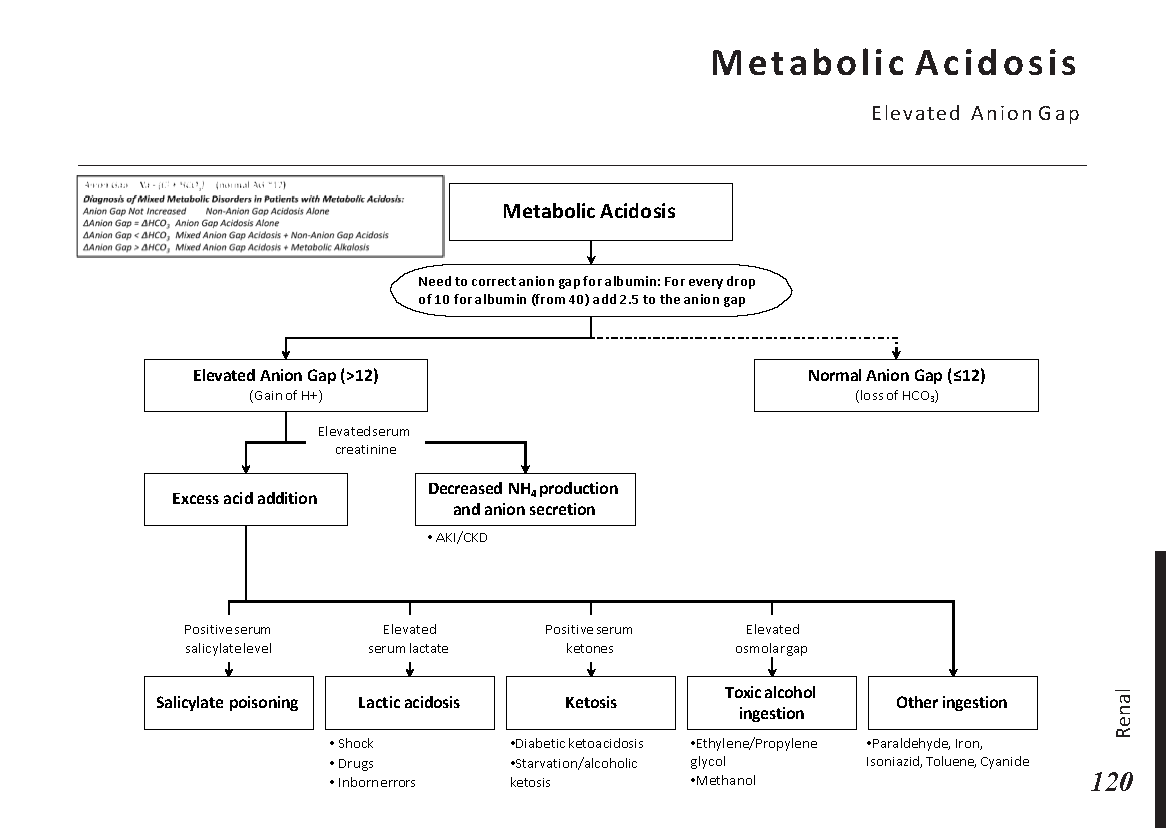
An increased anion gap suggests that additional negatively charged substances are present in the blood that are not included in the basic calculation.
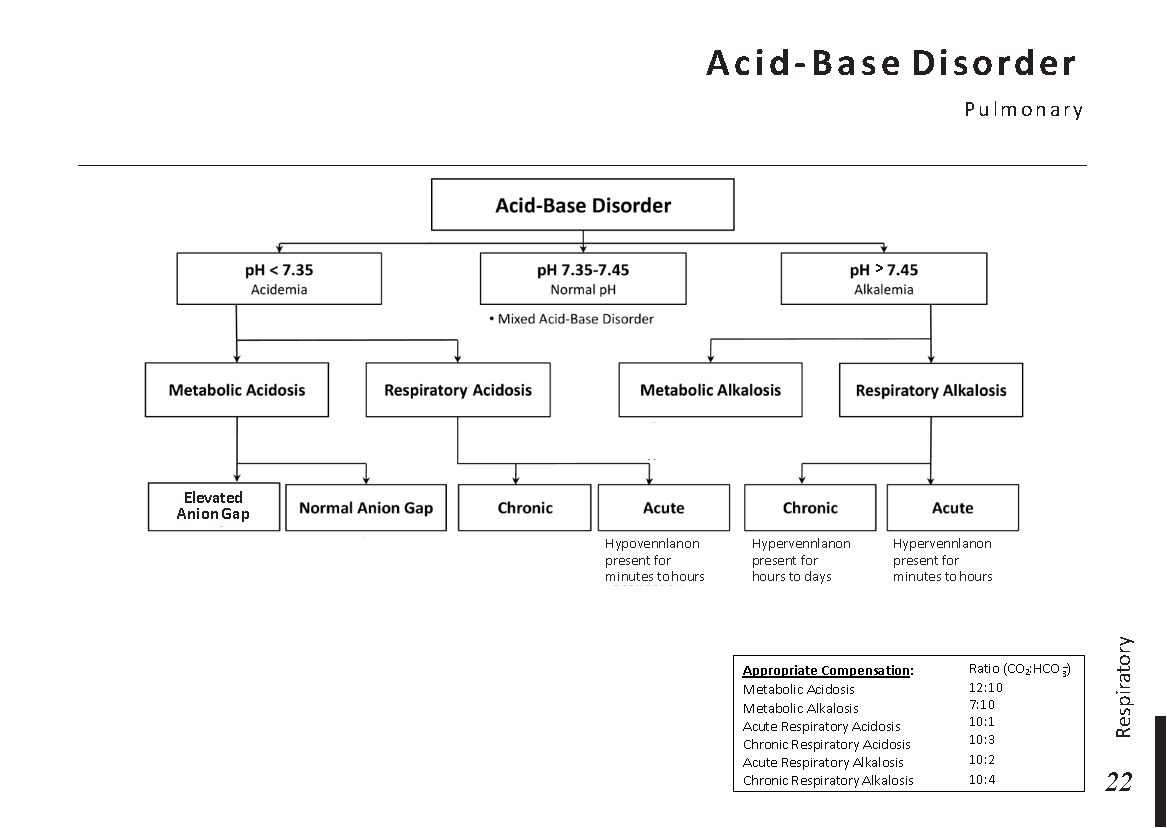
When accompanied by metabolic acidosis, this pattern is commonly called high-anion-gap metabolic acidosis (HAGMA).
Potential causes include:
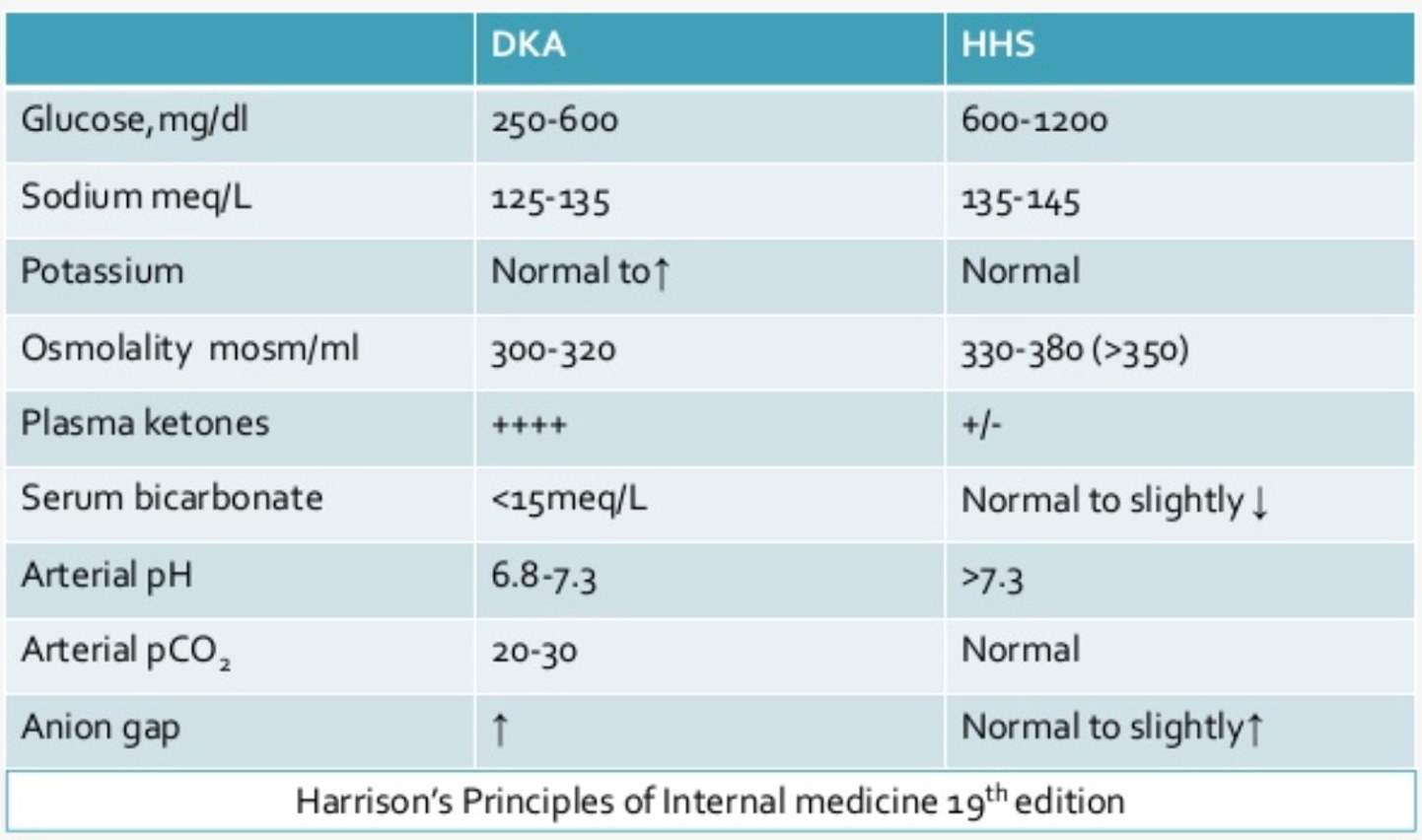
Lactic acidosis
Ketoacidosis
Renal failure and accumulation of acids
Certain toxic alcohols and other toxic exposures
Other conditions associated with accumulation of unmeasured anions
The anion gap itself does not identify the cause. It is one part of the overall acid-base assessment.
What if the anion gap is low?
A low anion gap is less common than an elevated gap.
One of the first considerations is hypoalbuminemia, because albumin contributes substantially to the normal anion gap. Other possibilities include laboratory or measurement issues and, in appropriate clinical circumstances, increases in unmeasured cations or certain abnormal proteins.
A low result should therefore be interpreted in the context of the patient’s albumin level and laboratory results rather than automatically being considered insignificant.
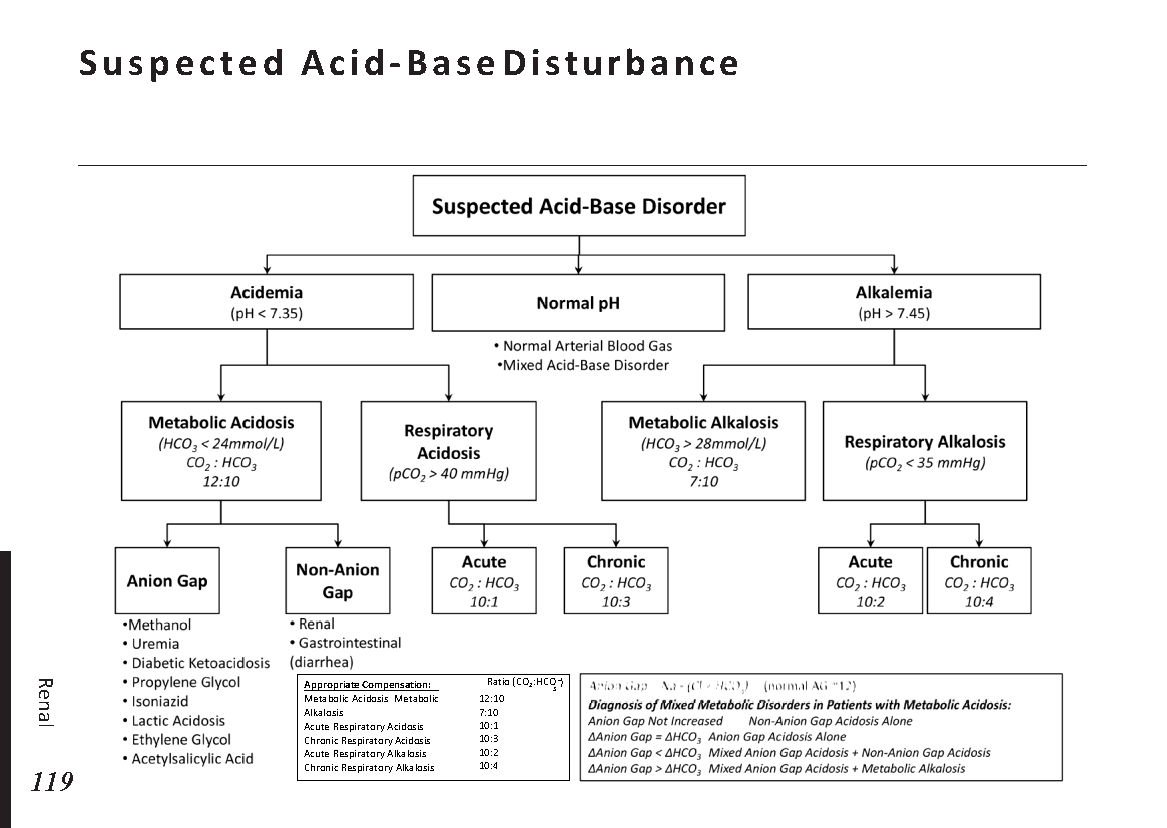
Anion gap and metabolic acidosis
The anion gap becomes particularly useful when a metabolic acidosis is suspected.
A simplified approach is:
1. Confirm the acid-base disturbance.
Look at the patient’s pH and bicarbonate together with the clinical situation.
2. Calculate the anion gap.
Use sodium, chloride, and bicarbonate from the relevant chemistry panel.
3. Consider albumin.
If albumin is reduced, the measured gap may underestimate the amount of unmeasured anions.
4. If the gap is elevated, look for the underlying cause.
The diagnosis should be guided by the history, examination, laboratory findings, medications, renal function, lactate, glucose/ketones, and other appropriate tests.
The anion gap is therefore a starting point for acid-base reasoning rather than a diagnosis by itself.
Worked example
Consider these laboratory values:
Na⁺ = 138 mmol/L
Cl⁻ = 108 mmol/L
HCO₃⁻ = 16 mmol/L
Albumin = 2.2 g/dL
First calculate the uncorrected anion gap:
AG = 138 − (108 + 16)
AG = 14 mmol/L
Now account for the albumin:
Correction = 2.5 × (4.0 − 2.2)
Correction = 4.5 mmol/L
Therefore:
Corrected AG = 14 + 4.5 = 18.5 mmol/L
This example illustrates why albumin can materially change the interpretation of an apparently modest anion gap.
Anion gap vs corrected anion gap
These terms are related but should not be treated as identical.
| Calculation | Formula | When it is useful |
|---|---|---|
| Anion gap | Na − (Cl + HCO₃) | Basic electrolyte assessment |
| Albumin-corrected AG | AG + 2.5 × (4 − albumin) | When albumin is reduced |
| Potassium-inclusive AG | (Na + K) − (Cl + HCO₃) | Used by some laboratories or clinicians |
The most important point is consistency. If you calculate an anion gap without potassium, compare it with an appropriate reference interval for that calculation. Do not mix a potassium-inclusive equation with a potassium-excluded reference range.
 Menstrual cycle physiology: