Corrected Calcium Calculator
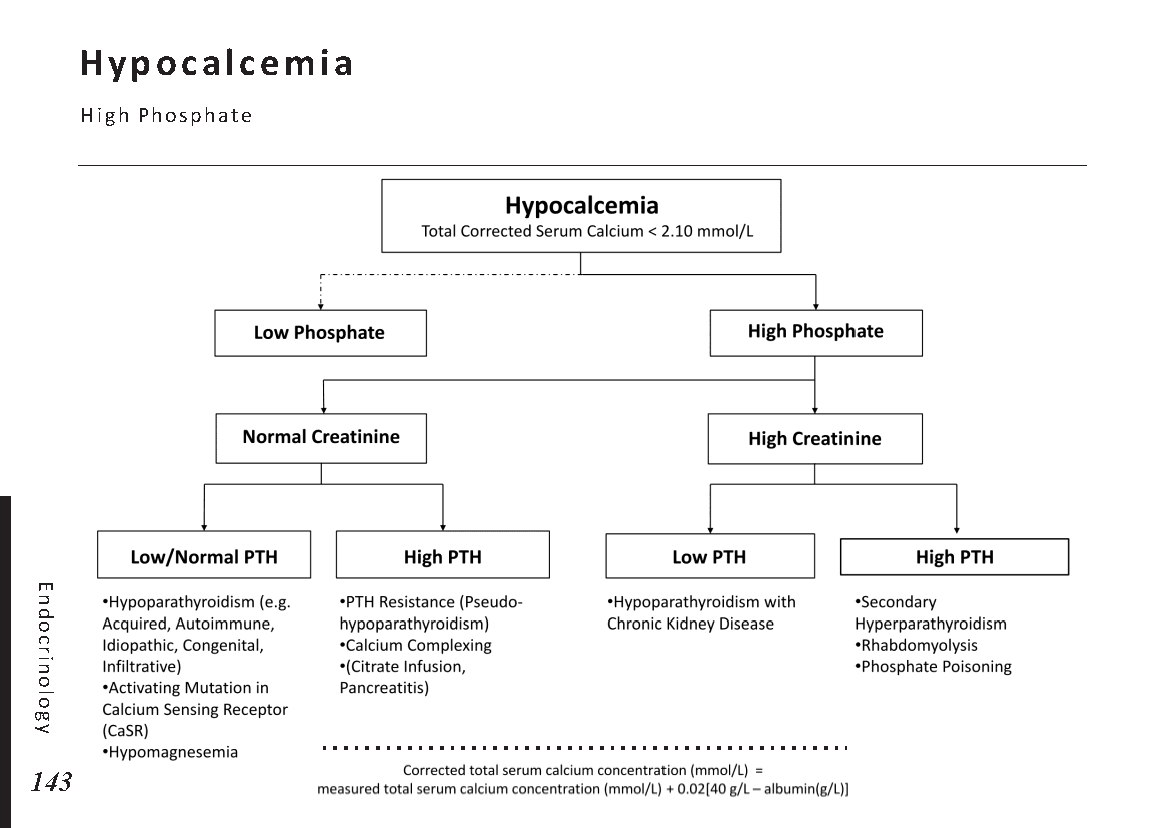
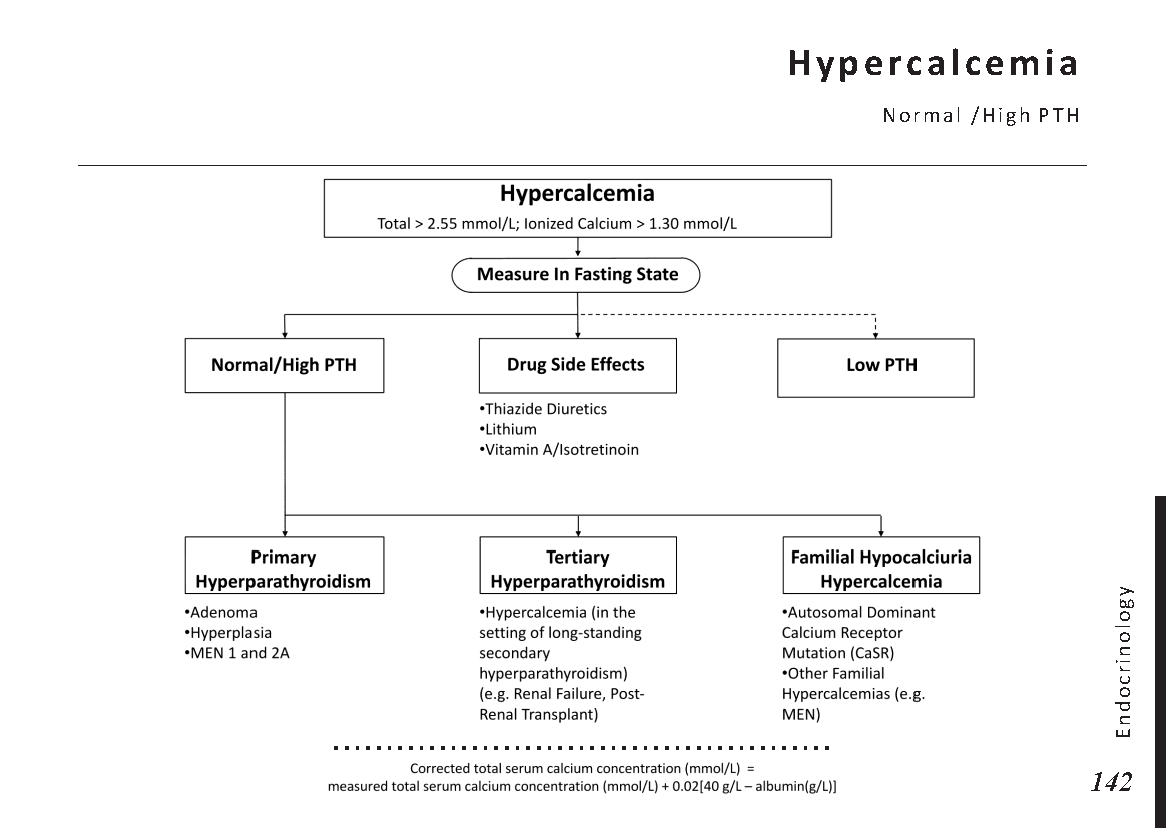
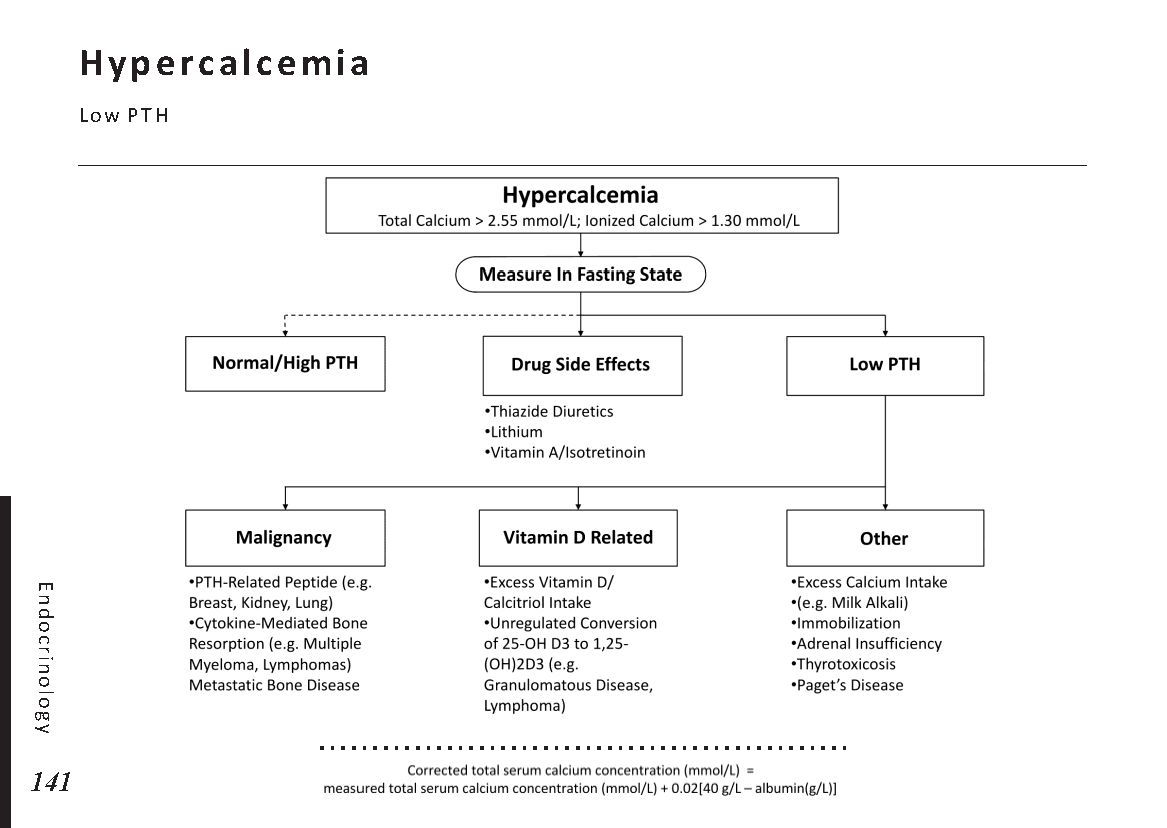
When a patient’s serum albumin is abnormal, the total calcium reported on a blood test may not accurately reflect the amount of calcium available in the circulation.
The Corrected Calcium Calculator estimates the calcium level after adjusting the measured total calcium for an abnormal albumin concentration.
Enter the patient’s total serum calcium and serum albumin below to calculate the corrected calcium.
Corrected Calcium Calculator
Adjust total serum calcium for albumin and estimate the corrected calcium level. Enter the measured calcium and serum albumin below.
What Is Corrected Calcium?
Total serum calcium is affected by the amount of albumin in the blood because a significant proportion of circulating calcium is bound to albumin.
This becomes important when albumin is low. A patient can have a low measured total calcium without necessarily having the same degree of reduction in physiologically active calcium.
Corrected calcium attempts to account for this effect by adjusting the measured calcium according to the patient’s albumin level.
This is particularly useful when interpreting calcium results in patients with hypoalbuminemia, including some patients with chronic illness, liver disease, kidney disease, malnutrition, or other conditions associated with reduced albumin.
The Corrected Calcium Calculator estimates the calcium level after adjusting the measured total calcium for an abnormal albumin concentration.
Enter the patient’s total serum calcium and serum albumin below to calculate the corrected calcium.
How to Calculate Corrected Calcium
The commonly used formula in conventional US units is:
Corrected calcium (mg/dL) = measured calcium + 0.8 × (4.0 − serum albumin)
For example, suppose:
- Measured calcium = 7.8 mg/dL
- Albumin = 2.5 g/dL
The calculation is:
7.8 + 0.8 × (4.0 − 2.5)
7.8 + 1.2 = 9.0 mg/dL
The estimated corrected calcium is therefore 9.0 mg/dL.
The calculator above performs this calculation automatically, reducing the chance of making an arithmetic mistake when reviewing laboratory results.
Why Does Albumin Affect Calcium?
Calcium in the blood exists in several forms. Some is bound to proteins, particularly albumin, while another portion is ionized and biologically active.
Because albumin binds calcium, a reduction in albumin can lower the total calcium concentration measured by a routine laboratory test.
This creates an important distinction:
Low total calcium does not always mean that ionized calcium is equally low.
Correcting the calcium for albumin provides an estimate that may give a better picture than the unadjusted total calcium value alone.
When Is a Calcium Correction Useful?
Albumin correction is most relevant when the patient’s albumin concentration is outside the normal range.
For example, a low total calcium result in a patient with markedly reduced albumin may look more concerning than it actually is when considered without the albumin level.
The corrected value can therefore be useful as part of the initial interpretation of a calcium result.
Common situations in which clinicians may encounter abnormal albumin include:
- Chronic liver disease
- Malnutrition
- Nephrotic syndrome
- Chronic systemic illness
- Hospitalized patients
- Significant inflammation
- Protein-losing conditions
However, corrected calcium should not be treated as a substitute for clinical assessment or direct measurement of ionized calcium when accurate assessment of physiologically active calcium is important.
Corrected Calcium vs. Ionized Calcium
These two measurements are related, but they are not the same thing.
Total calcium measures the total amount of calcium in the serum, including protein-bound calcium.
Corrected calcium is an estimated value that adjusts total calcium based on the albumin concentration.
Ionized calcium measures the biologically active, unbound fraction of calcium directly.
When there is significant uncertainty about a patient’s calcium status, ionized calcium may provide a more direct assessment than relying on a calculated corrected calcium value.
This can be particularly important in critically ill patients or situations where factors other than albumin may alter the relationship between total and ionized calcium.
Corrected Calcium Formula in mg/dL
The commonly used formula is:
Corrected Ca = Measured Ca + 0.8 × (4.0 − Albumin)
Where:
- Calcium is measured in mg/dL
- Albumin is measured in g/dL
- 4.0 g/dL is used as the reference albumin concentration
- 0.8 represents the commonly used correction factor
Example
A patient has:
Calcium = 8.0 mg/dL
Albumin = 3.0 g/dL
Therefore:
8.0 + 0.8 × (4.0 − 3.0)
= 8.0 + 0.8
= 8.8 mg/dL
So the estimated corrected calcium is 8.8 mg/dL.
What Does the Corrected Calcium Result Mean?
A corrected calcium result is an estimate, not a diagnosis.
In general, the result should be interpreted alongside:
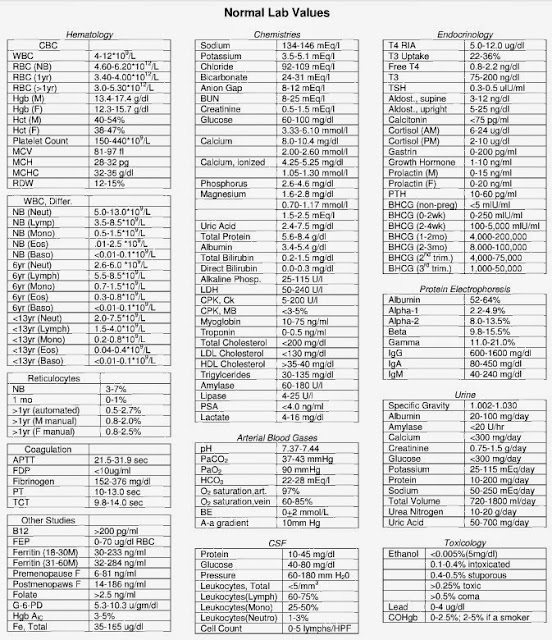
- The laboratory’s calcium reference range
- Albumin concentration
- Symptoms
- Kidney function
- Parathyroid hormone status when relevant
- Magnesium and phosphate levels
- Vitamin D status when clinically appropriate
- Medications
- Overall clinical condition
A markedly abnormal calcium result, especially when accompanied by symptoms, should be evaluated by a healthcare professional rather than interpreted from the calculator alone.
 Menstrual cycle physiology: