FENa Calculator – Fractional Excretion of Sodium
FENa Calculator
Calculate the fractional excretion of sodium from serum and urine sodium and creatinine values.
Enter laboratory values
4 values requiredYour result
Fractional sodium excretionQuick interpretation guide
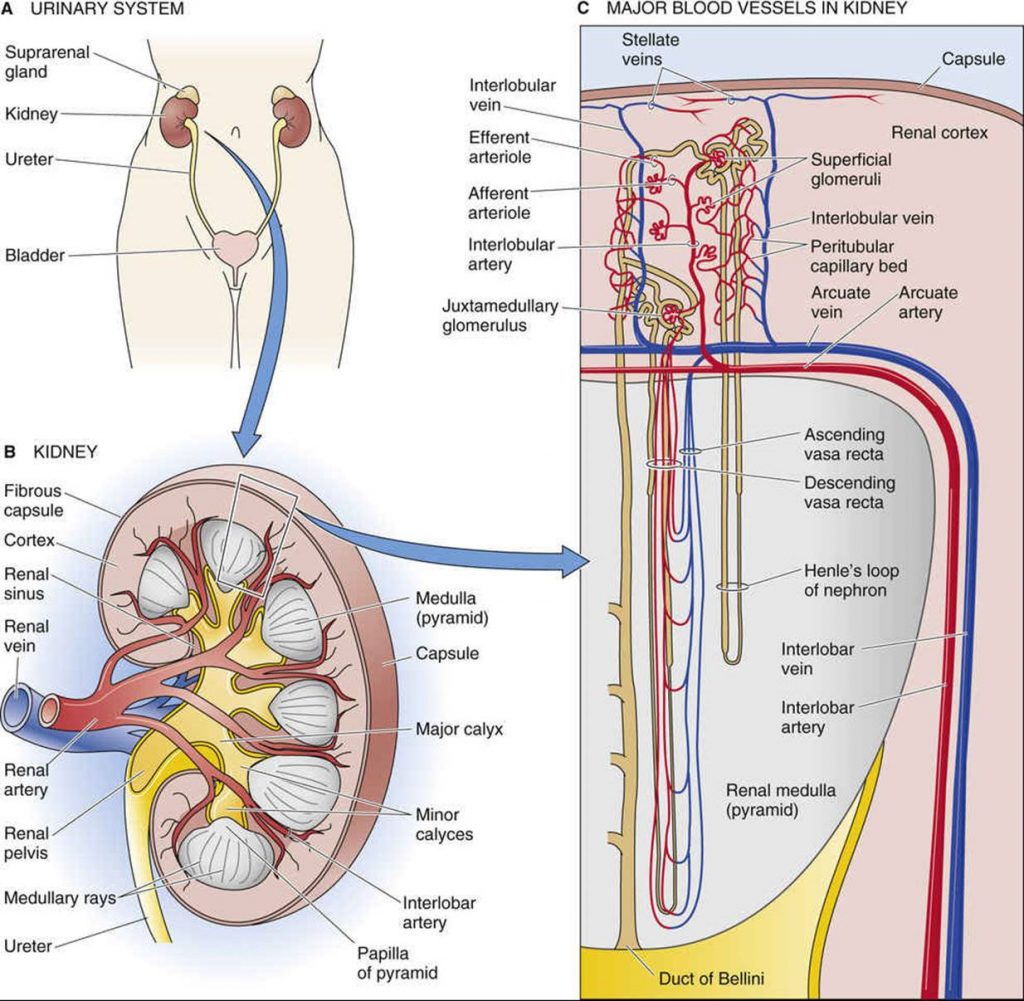
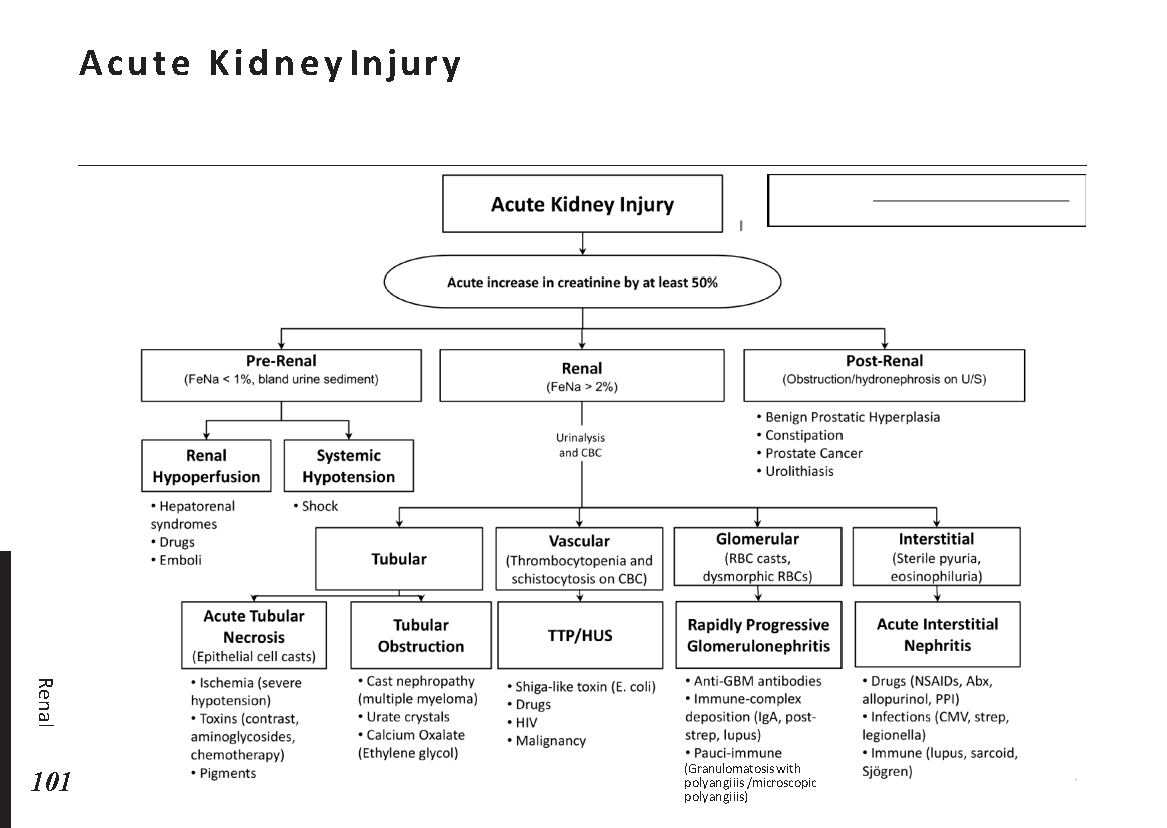
When a patient develops acute kidney injury (AKI), one of the practical questions is whether the kidneys are responding appropriately to reduced effective circulating volume or whether there may be intrinsic renal tubular injury.
The fractional excretion of sodium (FENa or FeNa) provides one way to look at this question. Instead of considering the urine sodium concentration alone, FENa compares sodium handling with creatinine handling in both urine and plasma.
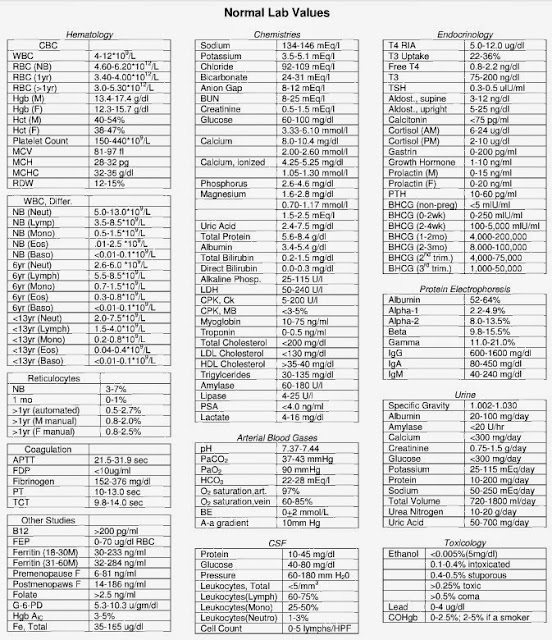
Use the FENa calculator above to calculate the fractional excretion of sodium from four laboratory values:
- Serum sodium
- Urine sodium
- Serum creatinine
- Urine creatinine
The result is reported as a percentage.
What does FENa measure?
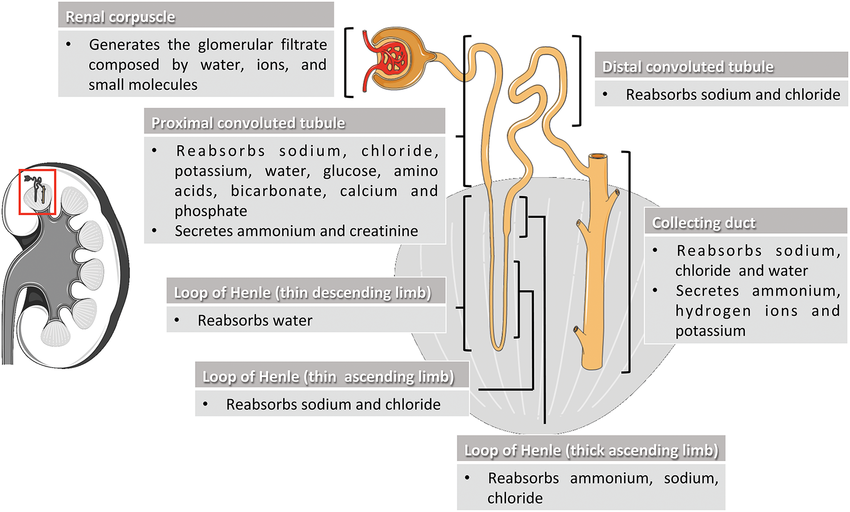
FENa represents the percentage of filtered sodium that is ultimately excreted in the urine.
This distinction is useful because a low urine sodium concentration by itself does not always tell the whole story. FENa incorporates creatinine concentrations to account for differences in urine concentration and provides a more standardized assessment of sodium excretion. Merck Manual describes FENa as the percentage of filtered sodium that is excreted and notes that it can be more informative than urine sodium alone in the appropriate clinical setting.
In simplified terms:
FENa = (Urine Na × Serum Cr) ÷ (Serum Na × Urine Cr) × 100
Where:
- Urine Na = urine sodium concentration
- Serum Na = serum sodium concentration
- Serum Cr = serum creatinine concentration
- Urine Cr = urine creatinine concentration
The units used for sodium and creatinine should be compatible within their respective serum and urine measurements.
How to use the FENa calculator
You only need four values.
1. Enter serum sodium
Enter the patient’s serum sodium concentration, usually reported in mEq/L or mmol/L.
2. Enter urine sodium
Enter the sodium concentration measured in a urine sample.
3. Enter serum creatinine
Enter the patient’s serum creatinine concentration.
4. Enter urine creatinine
Enter the creatinine concentration from the same urine sample.
The calculator then applies the FENa equation and gives the estimated fractional sodium excretion as a percentage.
FENa interpretation
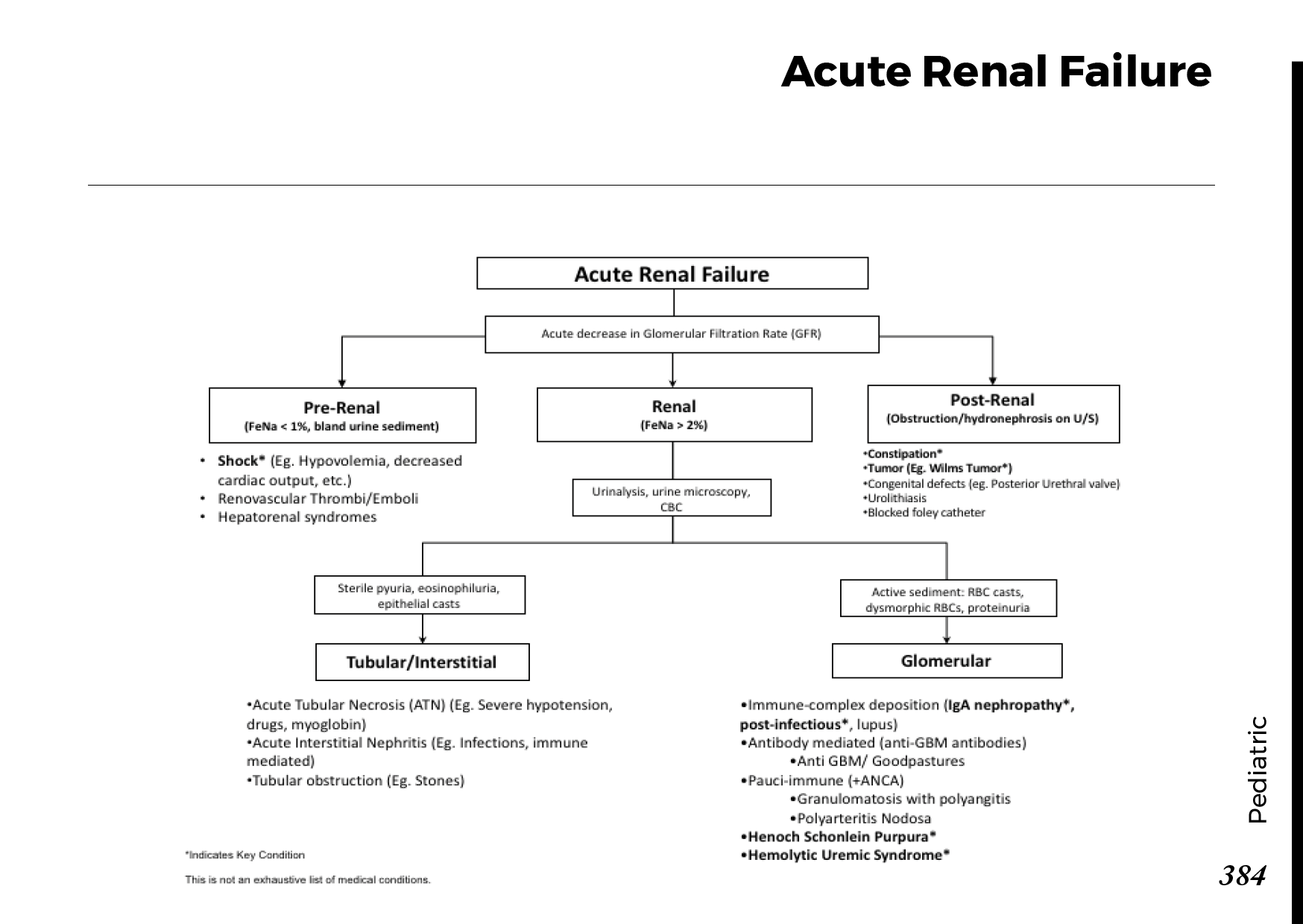
FENa is often taught as a quick way of distinguishing prerenal physiology from intrinsic tubular injury, particularly acute tubular necrosis (ATN). However, it should be interpreted alongside the patient’s history, examination, medications, urine findings, and other laboratory data rather than treated as a standalone diagnosis.
| FENa | Common interpretation |
|---|---|
| <1% | More consistent with prerenal physiology |
| 1–2% | Indeterminate |
| >2% | More suggestive of intrinsic renal injury, such as ATN |
These ranges are useful clinical rules of thumb rather than rigid diagnostic boundaries. Merck Manual notes that FENa below 1% commonly suggests prerenal causes, while values above 2% suggest intrarenal causes; values between 1% and 2% can occur in either setting.
FENa less than 1%
A low FENa suggests that the kidneys are retaining sodium, which can occur when effective renal perfusion is reduced.
Examples include:
- Volume depletion
- Dehydration
- Hemorrhage
- Reduced effective arterial blood volume
- Some forms of prerenal AKI
The underlying physiology is straightforward: when renal perfusion falls, functioning tubules tend to increase sodium and water reabsorption.
However, FENa <1% does not automatically mean prerenal AKI. Low values can also occur in certain intrinsic renal conditions, including some cases of acute glomerulonephritis and contrast-associated kidney injury.
FENa between 1% and 2%
This is a gray zone.
A result in this range does not reliably separate prerenal physiology from intrinsic renal injury. Early tubular injury, evolving AKI, chronic kidney disease, and other clinical circumstances may produce intermediate values.
Rather than forcing the result into a diagnosis, use it as one piece of the overall AKI assessment.
FENa greater than 2%
A higher FENa indicates that a larger proportion of filtered sodium is being excreted.
This can occur with intrinsic renal tubular injury, particularly acute tubular necrosis.
Acute interstitial nephritis and other intrarenal disorders can also produce elevated FENa.
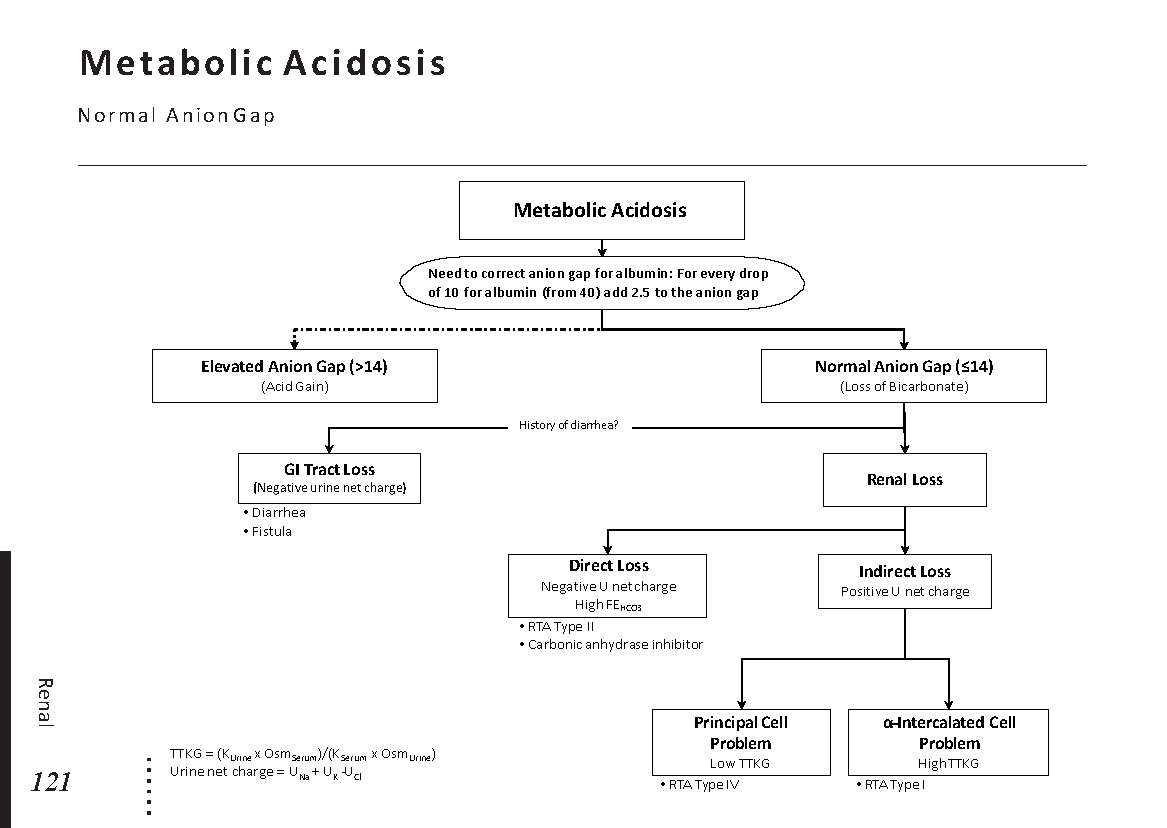
FENa and prerenal AKI vs ATN
One of the classic uses of FENa is the evaluation of a patient with rising creatinine or oliguria when the cause of AKI is not immediately obvious.
Prerenal physiology
In reduced renal perfusion, the kidneys generally attempt to conserve sodium and water.
This tends to produce:
- Low urine sodium
- Low FENa
- Concentrated urine
- Increased sodium reabsorption
A FENa below 1% therefore supports a prerenal pattern in the appropriate clinical setting.
Acute tubular injury
With tubular injury, the kidneys may lose some of their ability to appropriately retain sodium.
This can produce:
- Higher urine sodium
- Higher FENa
- Less concentrated urine
- Greater sodium loss
A FENa above 2% is traditionally associated with acute tubular necrosis, although the clinical picture remains essential.
Why urine sodium alone isn't always enough
It may be tempting to look only at the urine sodium concentration.
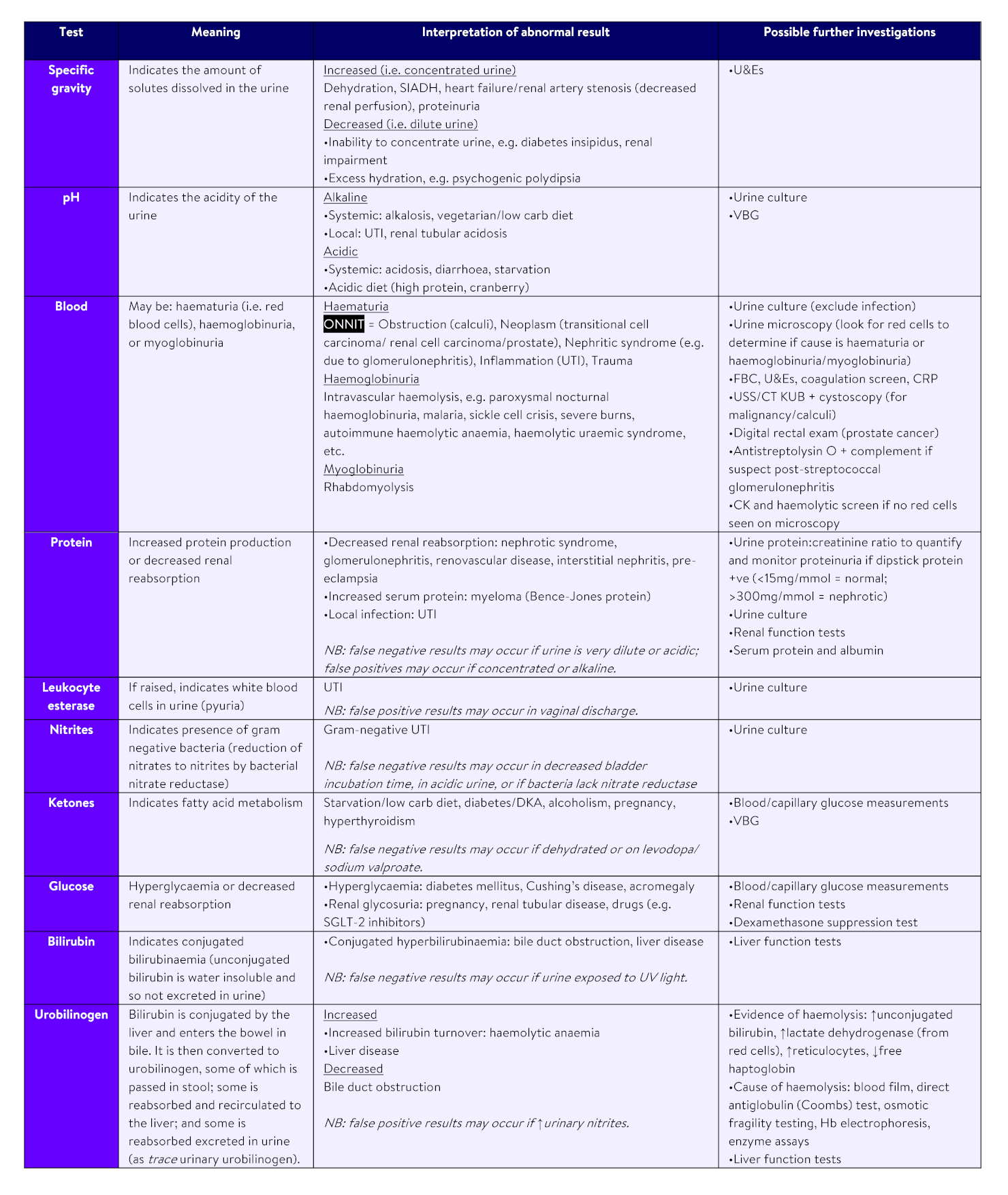
For example, a low urine sodium may suggest that the kidneys are conserving sodium. But urine sodium can be influenced by multiple factors, including volume status, medications, renal disease, and other processes.
FENa combines urine and plasma sodium with urine and plasma creatinine, which gives additional context.
This is one reason the calculation can be more useful than simply asking whether urine sodium is “high” or “low.”
When FENa can be misleading
This is one of the most important parts of using the calculator correctly.
Diuretic use
Loop and other diuretics increase urinary sodium excretion. As a result, FENa may be elevated even when the underlying physiology is prerenal.
When a patient with AKI is receiving diuretics, fractional excretion of urea (FEUrea) may be considered as an alternative renal index because it is less directly affected by sodium-wasting diuretics.
Chronic kidney disease
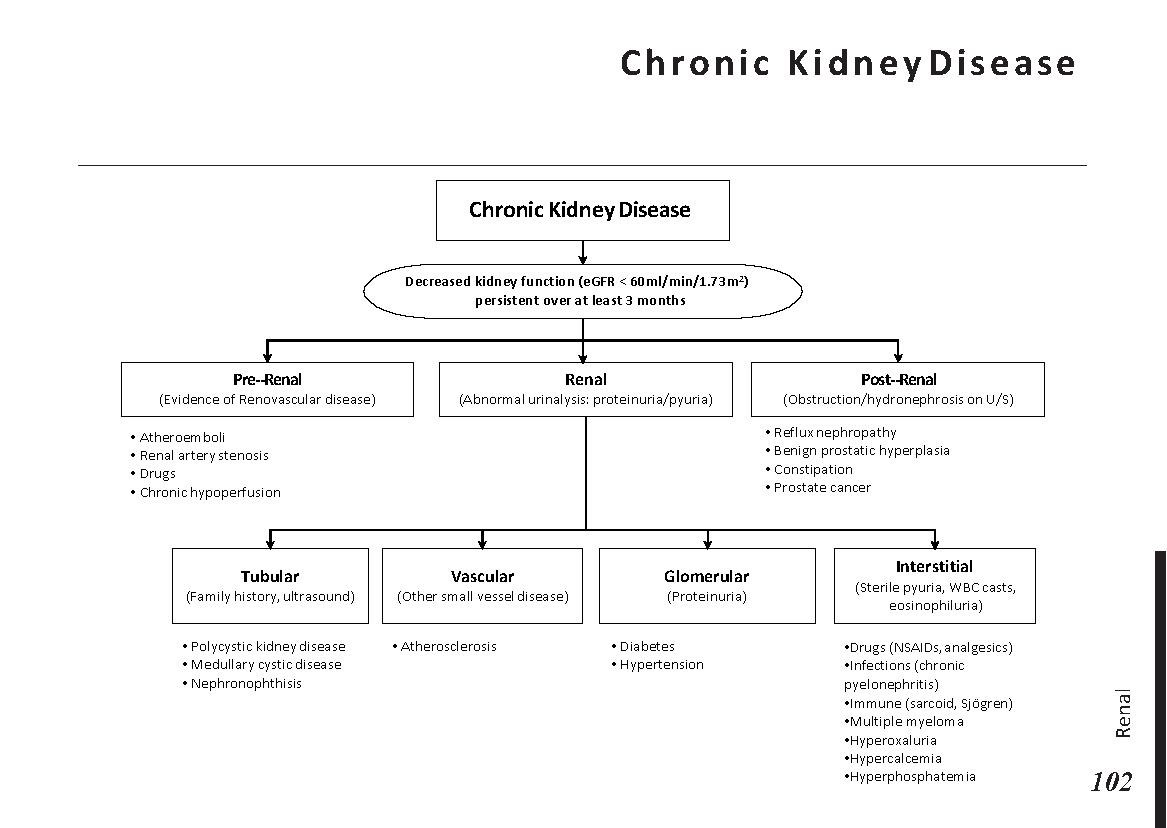
Baseline renal dysfunction can alter sodium handling and make traditional FENa thresholds less straightforward to interpret.
Glomerular disease
Some patients with intrinsic renal disease can still have a low FENa, particularly early in the disease process.
Contrast-associated kidney injury and rhabdomyolysis
Low FENa values can occur in some forms of intrinsic AKI, meaning that FENa <1% does not completely exclude tubular or other intrinsic renal pathology.
Urinary obstruction
Postrenal causes of AKI should also remain in the differential diagnosis. FENa should not be used as a substitute for assessing possible urinary tract obstruction when clinically appropriate.
 Menstrual cycle physiology: