Free Water Deficit Calculator
Hypernatremia is more than an elevated sodium result. It usually means that the body has too little water relative to its sodium content, and estimating the missing water is an important part of clinical assessment.
The Free Water Deficit Calculator from Medicogenic helps medical students, residents, and healthcare professionals estimate the amount of electrolyte-free water needed to bring an elevated serum sodium toward a selected target. Enter the patient’s body weight and measured sodium concentration, choose an appropriate total body water estimate, and use the result as a starting point for clinical assessment.
The calculation is straightforward. Deciding how much water to administer, how quickly to replace it, and which fluid to use requires a separate assessment of the patient’s condition.
Free Water Deficit Calculator
Estimate the water deficit associated with hypernatremia using body weight, serum sodium, total body water, and a selected sodium target.
Patient parameters
Enter the patient's measurements and choose appropriate assumptions.
Total body water estimate
Choose a starting estimate appropriate for the patient's age and body composition.
Calculation results
ESTIMATED VALUEFormula used in this calculation
Why calculate a water deficit?
The estimate helps quantify the water imbalance associated with hypernatremia and provides a starting point for clinical assessment.
What does the result exclude?
It does not include ongoing urinary or gastrointestinal losses, insensible losses, maintenance needs, or the effects of administered fluids.
Assess volume status first
Hypovolemia, euvolemia, and fluid overload can require different management strategies. Hemodynamic instability needs urgent clinical assessment.
Monitor sodium during treatment
Use serial sodium measurements and reassess the treatment plan. The formula alone cannot predict the actual sodium response or prescribe an infusion rate.
What Is a Free Water Deficit?
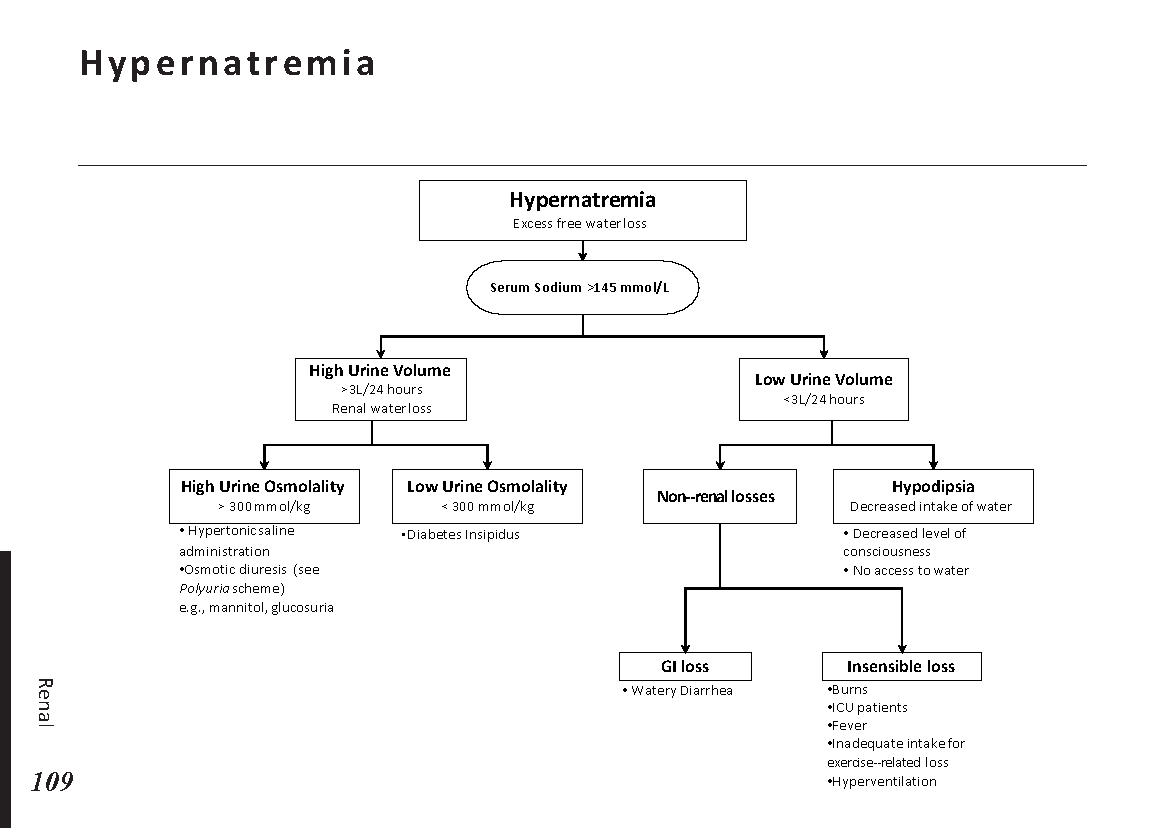
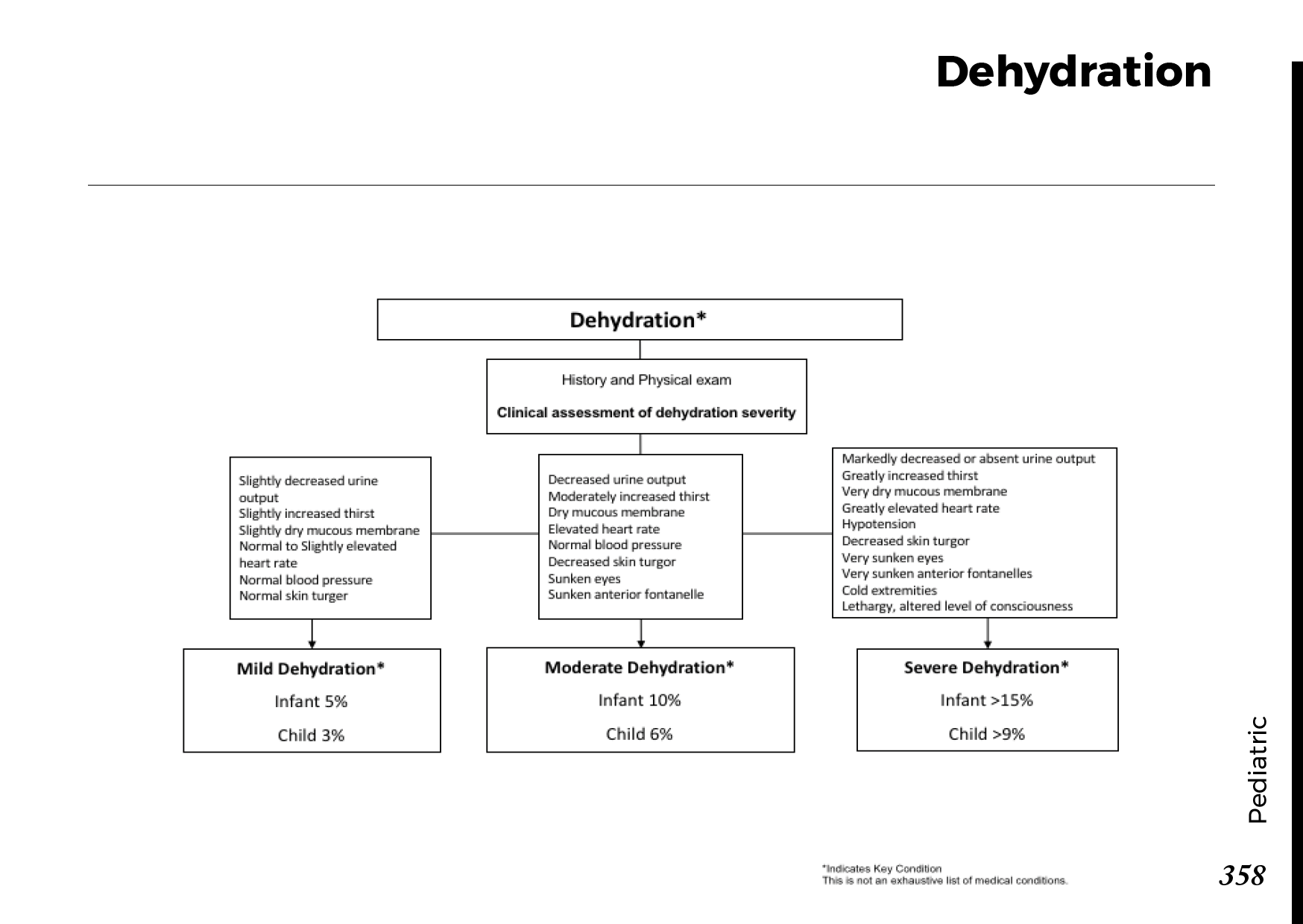
A free water deficit is an estimate of the amount of water missing from the body relative to a reference serum sodium concentration. It is commonly calculated when evaluating hypernatremia, generally defined as a serum sodium concentration above 145 mmol/L.
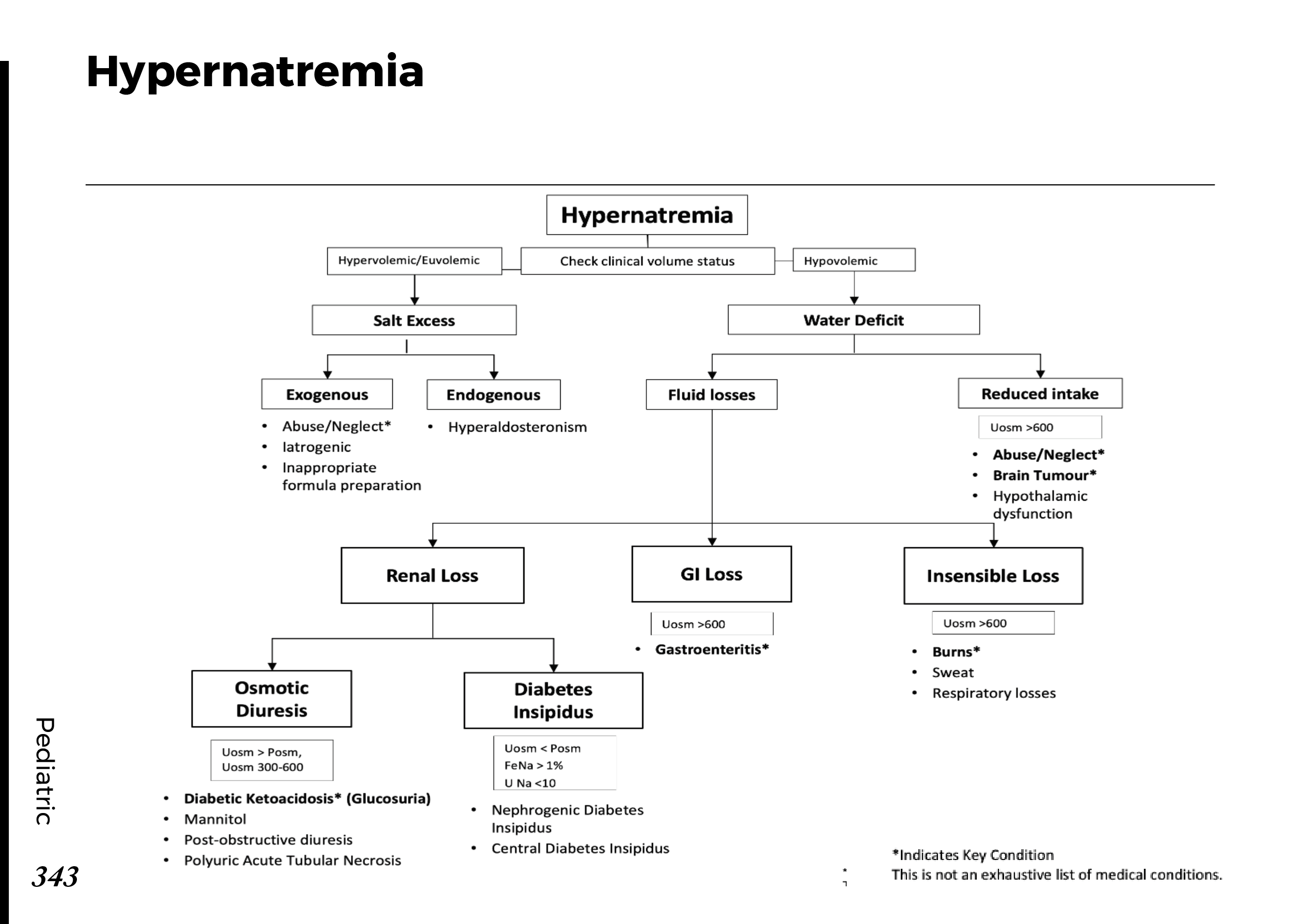
The deficit may develop because of inadequate water intake, excessive water loss through the kidneys or gastrointestinal tract, increased insensible losses, or impaired thirst. Some patients develop hypernatremia because they cannot independently access water or communicate their thirst.
The calculated deficit represents an estimate of the existing imbalance. It does not automatically equal the total volume of fluid a patient needs during treatment.
Free Water Deficit Formula
The conventional formula for estimating the free water deficit relative to a target sodium concentration is:
Free water deficit (L) = TBW × [(serum Na ÷ target Na) − 1]
Where:
TBW: Estimated total body water in liters.
Serum Na: Current measured serum sodium concentration in mmol/L or mEq/L.
Target Na: The serum sodium concentration selected for the calculation, commonly 140 mmol/L for a reference estimate.
Estimated total body water is calculated as:
TBW (L) = body weight (kg) × total body water fraction
For a simplified adult estimate, a fraction of 0.6 is often used for younger men and 0.5 for women and older men. Older women and patients with substantial water depletion may require lower estimates. These are approximations, not fixed biological values.
When calculating a deficit toward a sodium target other than 140 mmol/L, use that target consistently in the formula.
How to Calculate a Free Water Deficit
Follow these steps to understand the calculation:
Obtain the patient’s current body weight in kilograms.
Estimate total body water using an appropriate fraction for the patient’s age, body composition, and clinical condition.
Obtain the measured serum sodium concentration.
Select a clinically appropriate target sodium concentration.
Apply the formula and express the result in liters.
The result estimates the water deficit relative to the selected target. It does not account for ongoing urine losses, gastrointestinal losses, insensible losses, maintenance requirements, or changes during treatment.
Worked Clinical Example
Consider an adult man weighing 70 kg with a measured serum sodium of 158 mmol/L. For this educational example, assume a total body water fraction of 0.6 and a reference sodium of 140 mmol/L.
Step 1: Estimate total body water
TBW = 70 × 0.6 = 42 L
Step 2: Apply the free water deficit formula
Free water deficit = 42 × [(158 ÷ 140) − 1]
Free water deficit = 42 × 0.1286
Estimated free water deficit = 5.4 liters
This means the estimated deficit relative to a sodium of 140 mmol/L is approximately 5.4 liters under the stated assumptions. It does not mean that 5.4 liters should be administered immediately. The treatment plan must account for the duration of hypernatremia, volume status, ongoing losses, kidney function, and serial sodium measurements.
How to Interpret the Result
A larger calculated deficit generally reflects a greater estimated water deficit for the same assumptions. However, the number should always be interpreted alongside the patient’s clinical condition.
Small estimated deficit: May reflect a relatively modest water imbalance, but the severity of illness cannot be determined from the deficit alone.
Large estimated deficit: Suggests a substantial water deficit and warrants careful evaluation of the underlying cause, fluid status, and replacement requirements.
Persistent or worsening hypernatremia: May indicate continued water losses, inadequate replacement, an unrecognized cause, or a need to revise the treatment plan.
A patient with shock or significant hypovolemia requires assessment and stabilization of circulation before the calculated deficit can guide subsequent water replacement. The calculated volume is one part of management, not a stand-alone prescription.
What Causes a Free Water Deficit?
Several clinical situations can produce hypernatremia and an associated free water deficit.
Inadequate water intake: Common in patients with impaired consciousness, limited mobility, restricted access to drinking water, or impaired thirst.
Renal water loss: Diabetes insipidus, certain medications, osmotic diuresis, and other renal disorders can increase urinary water loss.
Gastrointestinal losses: Diarrhea and other fluid losses can contribute to hypernatremia when water losses exceed replacement.
Increased insensible losses: Fever, sweating, and increased respiratory losses can raise water requirements.
Sodium gain: Hypernatremia can also result from excessive sodium administration or sodium loading. In these cases, the underlying sodium and volume disturbance must be assessed rather than assuming that water loss is the only problem.
Identifying the cause matters because replacing water without addressing continued losses may not correct the sodium concentration as expected.
Free Water Deficit vs. Total Fluid Deficit
These terms are related but not interchangeable.
The free water deficit estimates the water needed to correct the imbalance relative to a chosen sodium target. A total fluid deficit may also reflect losses of sodium and other electrolytes, as well as reduced circulating volume.
For example, a patient with vomiting, diarrhea, and hypernatremia may have both intravascular volume depletion and a free water deficit. Another patient may have hypernatremia with extracellular fluid volume overload because of sodium gain.
The fluid strategy differs between these situations. Clinical assessment of volume status is therefore essential before selecting a replacement fluid or calculating an infusion regimen.
How Is a Free Water Deficit Corrected?
Treatment depends on the cause of hypernatremia, the patient’s hemodynamic status, the duration of the sodium disturbance, and the presence of ongoing losses.
Water may be replaced orally or through an enteral tube when appropriate and safe. Intravenous fluids may be needed when oral or enteral replacement is not feasible or when the clinical condition requires it. The choice between free water, hypotonic saline, and other fluids depends on volume status and the patient’s overall electrolyte balance.
For hypernatremia of chronic or uncertain duration, clinicians traditionally plan controlled correction to reduce the risk of cerebral edema. Acute hypernatremia may require a different approach. The appropriate correction rate should be individualized according to the clinical context and current guidance, with repeated laboratory assessment.
A calculated deficit alone cannot determine an infusion rate. The treatment plan must also include ongoing losses, maintenance needs, the expected effect of administered fluids, and changes in measured sodium.
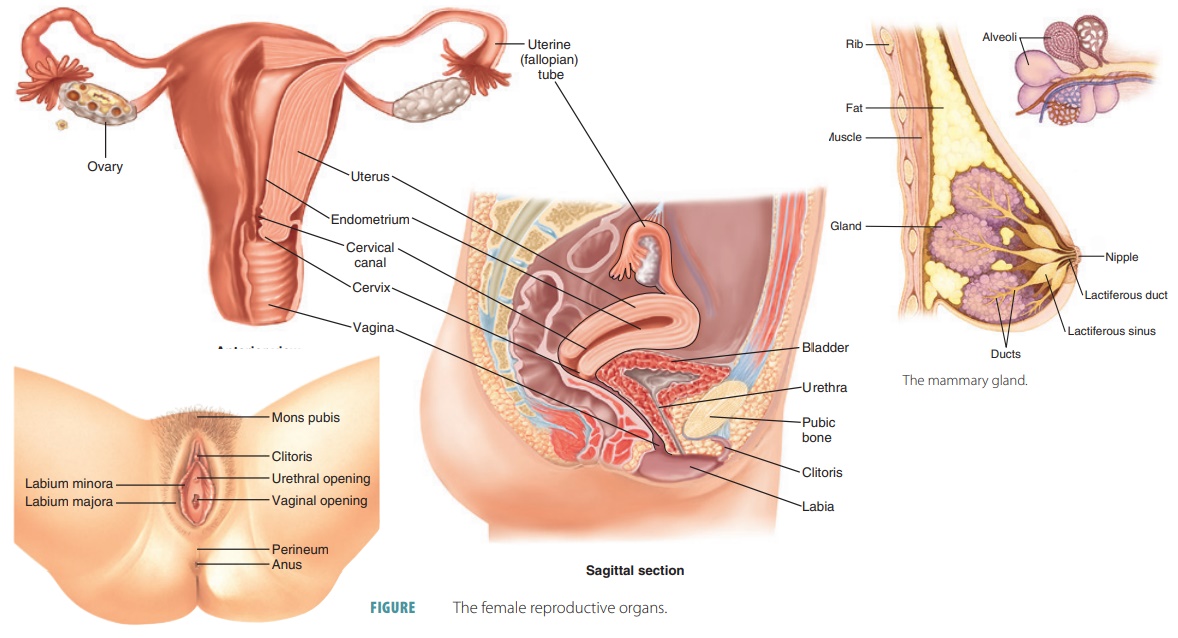 Menstrual cycle physiology: