Osmolar Gap Calculator
An osmolar gap calculator helps compare the measured serum osmolality with the osmolality calculated from routinely available laboratory values. The difference can provide an important clue that additional osmotically active substances are present in the blood.
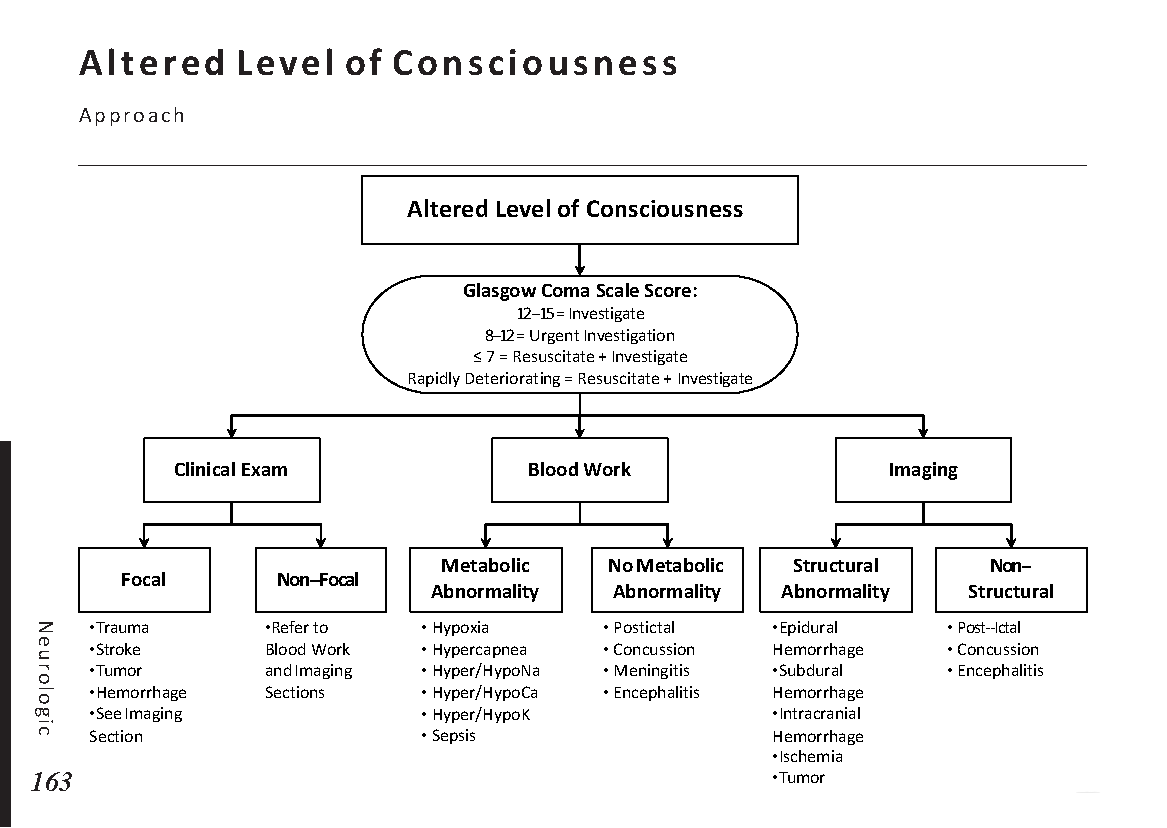
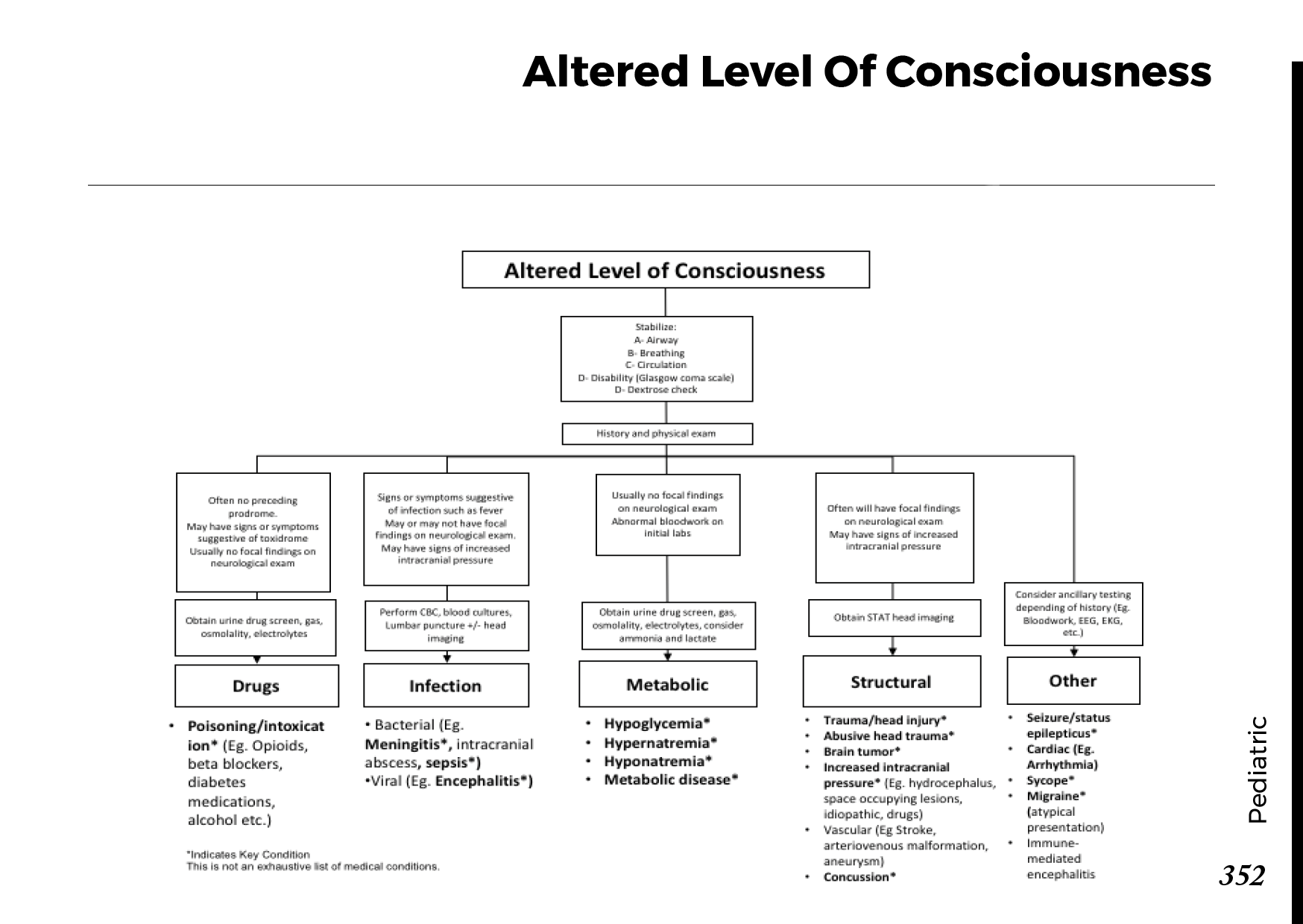
This is particularly useful when evaluating a patient with unexplained altered mental status, metabolic acidosis, or possible toxic alcohol exposure. Methanol and ethylene glycol are classic examples in which an increased osmolar gap may contribute to the diagnostic picture.
Enter the patient’s laboratory results below to calculate the osmolar gap.
Medicogenic · Clinical Calculator
Osmolar Gap Calculator
Compare measured and calculated serum osmolality, account for ethanol when known, and review a transparent step-by-step calculation.
Patient laboratory values
Enter results from the same clinical time point. All fields except ethanol are required.
Your calculation
Results update when you calculate.
Enter patient values and calculate to see the interpretation. A gap around 10 mOsm/kg or greater is commonly considered elevated, depending on context and laboratory method.
Calculation breakdown
= 280 + 5 + 5 = 290.0 mOsm/kg
Gap = 300 − 290 = 10.0 mOsm/kg
The example uses sodium in mEq/L, glucose and BUN in mg/dL, with ethanol excluded.
Formula used
US units: 2 × Na + glucose/18 + BUN/2.8. SI units: 2 × Na + glucose + urea, with concentrations in mmol/L.
Interpreting the gap
A gap of about 10 mOsm/kg or more is commonly treated as elevated. Local reference intervals and the clinical situation matter.
Why ethanol matters
Ethanol contributes to measured osmolality. When its concentration is known, including it in calculated osmolality can change the interpreted gap.
Quick clinical guide
What is the osmolar gap?
It is the difference between measured serum osmolality and calculated serum osmolality. It can help identify unmeasured osmotically active substances.
What is considered an elevated osmolar gap?
A value around 10 mOsm/kg or higher is a commonly used threshold, but the appropriate interpretation depends on the laboratory method, formula, patient, and clinical context.
Can a normal osmolar gap rule out toxic alcohol poisoning?
No. The gap varies with the timing of ingestion and metabolism. A normal result cannot safely exclude methanol or ethylene glycol poisoning when clinical suspicion exists.
Why calculate the anion gap too?
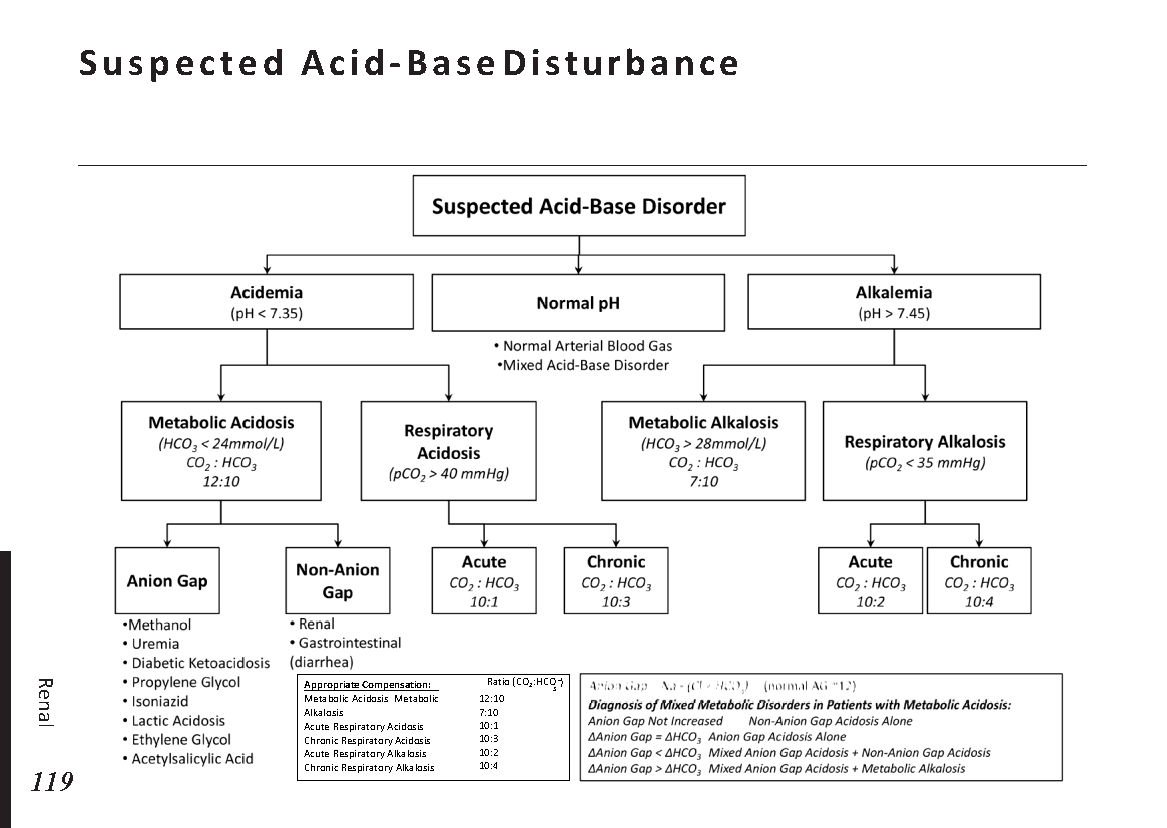
The osmolar gap and anion gap measure different things. In toxic alcohol poisoning, their relationship can change over time, so clinicians may consider both alongside acid-base results and exposure history.
What is the Osmolar Gap?
The osmolar gap, also called the osmolal gap, is the difference between the measured serum osmolality and the calculated serum osmolality.
In simple terms:
Osmolar gap = Measured serum osmolality − Calculated serum osmolality
The calculated value estimates the concentration of the major substances contributing to serum osmolality. When the measured value is substantially higher than the calculated value, an additional osmotically active substance may be contributing to the serum osmolality.
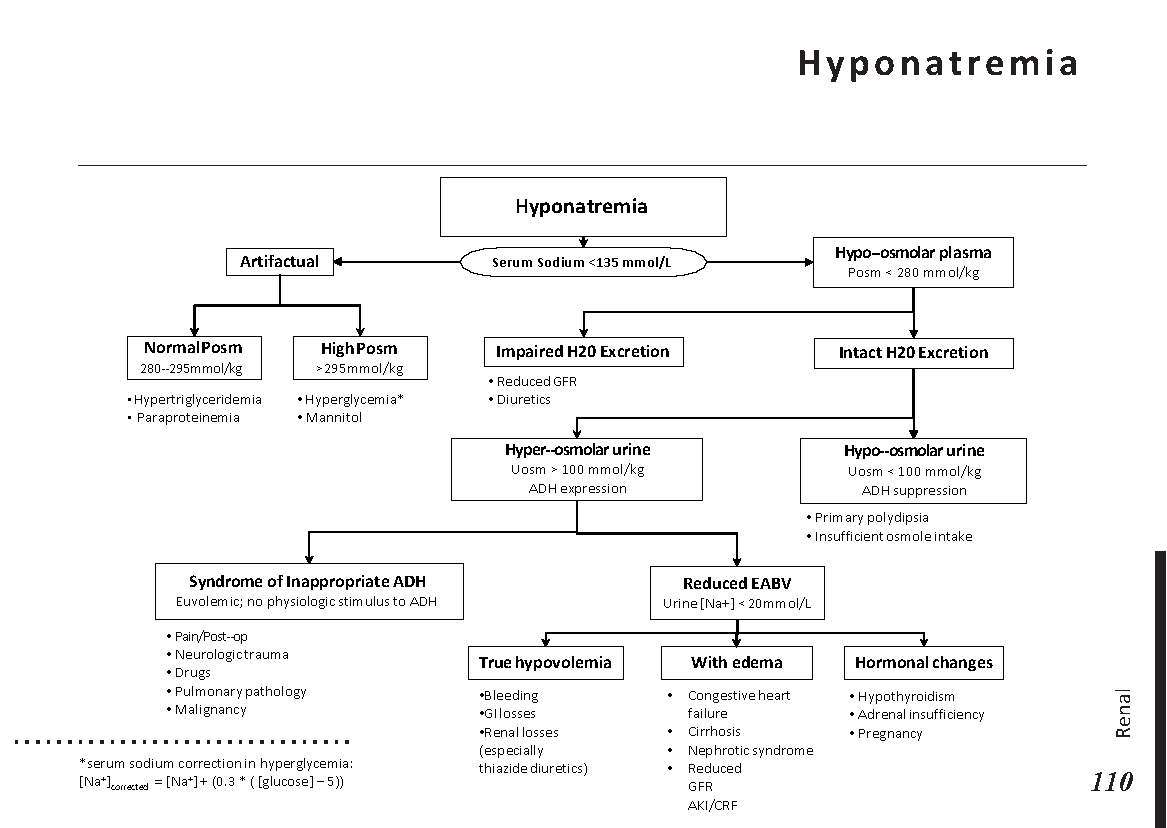
An elevated gap is therefore a clue, not a diagnosis. Alcohols such as ethanol, methanol, isopropanol, and ethylene glycol are among the substances that can increase the gap. Other substances, including mannitol and glycine, can also contribute.
Osmolar Gap Formula
A commonly used formula for calculated serum osmolality in conventional units is:
Calculated serum osmolality = 2 × Na + glucose/18 + BUN/2.8
Where:
- Na = serum sodium in mEq/L
- Glucose = serum glucose in mg/dL
- BUN = blood urea nitrogen in mg/dL
The osmolar gap is then:
Osmolar gap = measured serum osmolality − calculated serum osmolality
If ethanol is present and its concentration is known, an ethanol contribution can be incorporated into the calculation. Merck’s clinical discussion, for example, uses an additional blood alcohol/5 term when calculating serum osmolarity in conventional units.
Because formulas and laboratory methods can differ, the result should always be interpreted in context rather than treated as an isolated diagnostic test.
How to Calculate the Osmolar Gap
Suppose a patient has:
- Sodium: 140 mEq/L
- Glucose: 90 mg/dL
- BUN: 14 mg/dL
- Measured serum osmolality: 300 mOsm/kg
First calculate the estimated serum osmolality:
2 × 140 + 90/18 + 14/2.8
= 280 + 5 + 5
= 290 mOsm/kg
Then:
Osmolar gap = 300 − 290
Osmolar gap = 10 mOsm/kg
This demonstrates the calculation without implying that the number alone establishes a specific diagnosis.
What Does a High Osmolar Gap Mean?
A higher-than-expected osmolar gap suggests that there may be unmeasured osmotically active particles in the serum.
An osmolar gap of approximately 10 mOsm/kg or greater is commonly considered elevated. Merck describes an osmolal gap as present when measured osmolality exceeds estimated osmolality by ≥10 mOsm/kg.
However, the cutoff should not be interpreted rigidly.
A patient’s clinical presentation, acid-base status, timing of exposure, laboratory methodology, and individual measured values all matter.
Common causes of an elevated osmolar gap
Potential causes include:
- Ethanol
- Methanol
- Ethylene glycol
- Isopropanol
- Mannitol
- Glycine
- Other exogenous or endogenous osmotically active substances
Alcohol exposure is particularly important because several alcohols can produce an increased osmolar gap.
Osmolar Gap and Toxic Alcohols
One of the most important clinical applications of the osmolar gap is the evaluation of suspected toxic alcohol poisoning.
Methanol
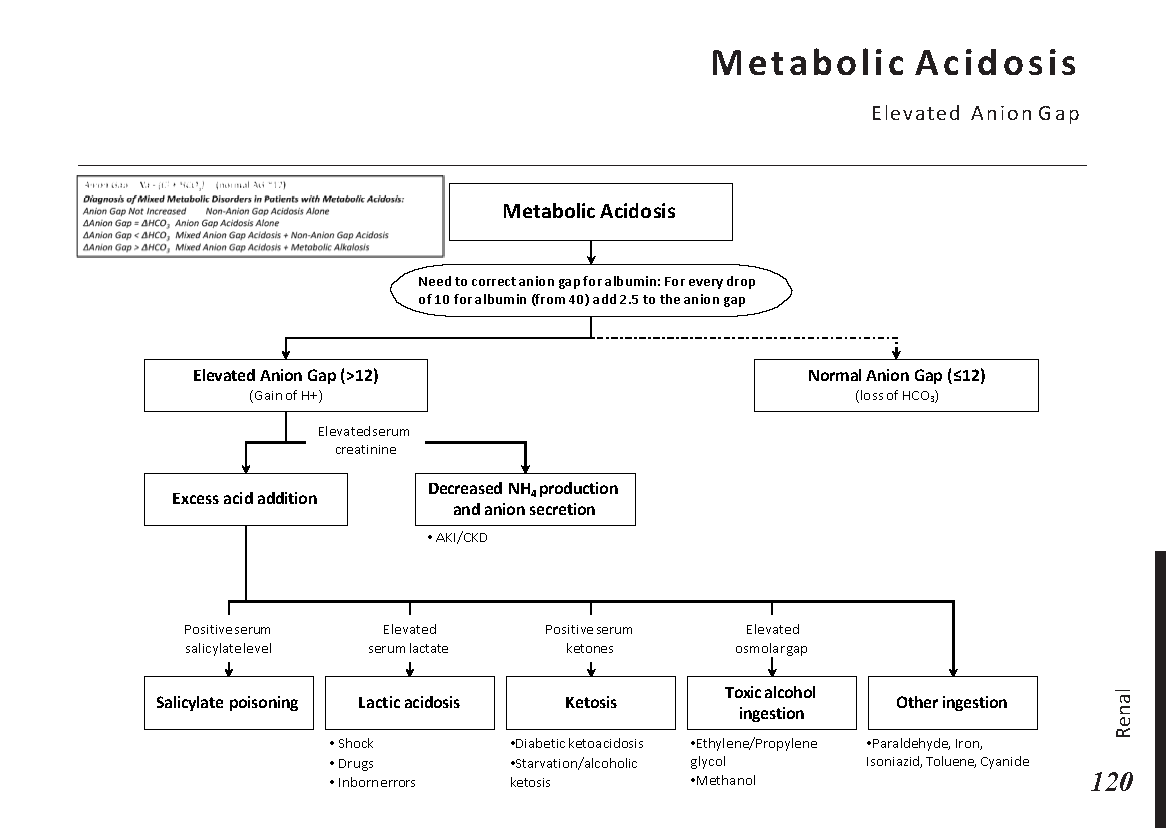
Methanol poisoning may initially produce an elevated osmolar gap. As methanol is metabolized, however, the parent compound decreases while toxic metabolites accumulate. Consequently, the osmolar gap can change over time.
Patients may eventually develop a significant high-anion-gap metabolic acidosis.
Ethylene Glycol
Ethylene glycol can similarly produce an elevated osmolar gap early after ingestion. With metabolism, glycolic and other toxic metabolites accumulate, and metabolic acidosis can become more prominent.
Urinary calcium oxalate crystals may also provide an additional clue in ethylene glycol poisoning.
An important clinical principle
A normal osmolar gap does not reliably exclude toxic alcohol poisoning.
The relationship between osmolar gap and anion gap changes with time and metabolism. Therefore, a patient with a convincing exposure history or compatible clinical findings should not be considered safe simply because the calculated gap is not elevated.
 Menstrual cycle physiology: