QTc Calculator
QTc Calculator
Calculate the corrected QT interval from the QT interval and heart rate. Compare Bazett, Fridericia, Framingham and Hodges correction methods in one place.
ECG measurements
RequiredWhat the numbers mean
Quick guideQTc results
CalculatedQTc interpretation
Enter ECG measurements above to calculate QTc.
QT correction formulas
ReferenceQTc = QT / √RR
QTc = QT / ∛RR
QTc = QT + 0.154 × (1 − RR)
QTc = QT + 1.75 × (HR − 60)
A QTc calculator estimates the heart-rate-corrected QT interval from an ECG. Enter the measured QT interval and either the heart rate or RR interval to calculate QTc using commonly used correction formulas such as Bazett and Fridericia.
The QT interval changes with heart rate, so looking at the raw QT interval alone can be misleading. QT correction attempts to account for this heart-rate effect and provides a value that can be compared more consistently across different heart rates.
Use the calculator above as a clinical calculation aid, not as a substitute for ECG interpretation or medical assessment.
What is QTc?
QTc stands for corrected QT interval.
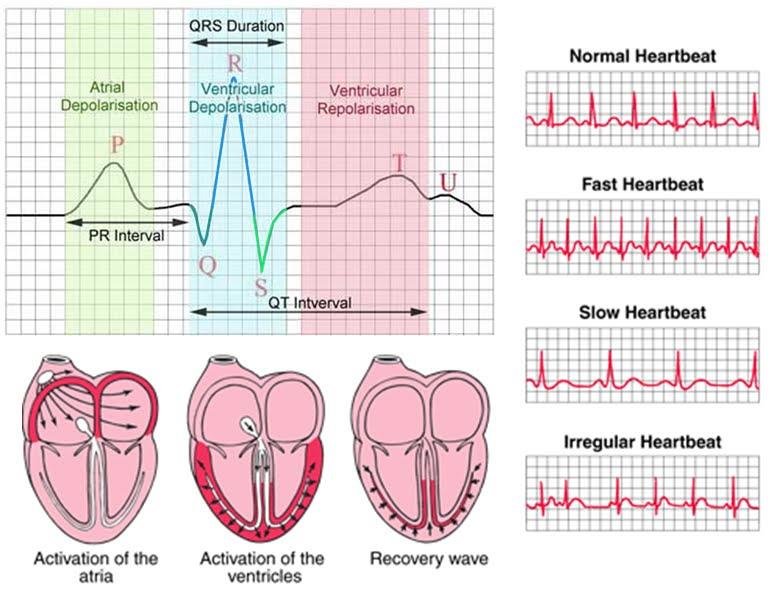
The QT interval represents the time from the beginning of ventricular depolarization to the end of ventricular repolarization on an electrocardiogram (ECG). Because the QT interval normally becomes shorter when the heart beats faster and longer when the heart beats slower, the measured QT needs to be interpreted in the context of the heart rate.
QTc is an attempt to correct the measured QT interval for the patient’s heart rate.
This is particularly important when evaluating medications or clinical conditions associated with QT prolongation and the risk of ventricular arrhythmias such as torsades de pointes.
How to calculate QTc
There isn’t just one QT correction formula. Different formulas behave differently at different heart rates.
The two formulas encountered most frequently are Bazett’s formula and Fridericia’s formula.
Bazett formula
The Bazett equation is:
QTc = QT / √RR
where:
- QT is measured in seconds
- RR is the interval between consecutive R waves, measured in seconds
- QTc is the corrected QT interval in seconds
If your QT and RR measurements are recorded in milliseconds, they need to be converted to seconds before applying the formula.
Fridericia formula
The Fridericia equation is:
QTc = QT / ∛RR
Fridericia uses the cube root of the RR interval rather than the square root used by Bazett.
Fridericia can be particularly useful because Bazett tends to overcorrect QT at faster heart rates and undercorrect it at slower rates. Several studies and clinical recommendations have therefore favored Fridericia in situations where heart rate is substantially different from normal.
QTc Calculator: QT and Heart Rate
If you know the patient’s heart rate, RR can be calculated as:
RR = 60 / heart rate
For example, a heart rate of 60 beats per minute corresponds to an RR interval of 1 second.
The calculator can therefore work from either:
- QT + heart rate, or
- QT + RR interval
depending on the information available from the ECG.
Example QTc calculation
Suppose an ECG shows:
- QT = 400 ms
- Heart rate = 75 bpm
First calculate RR:
RR = 60 / 75 = 0.80 seconds
Using Bazett:
QTc = 0.400 / √0.80
≈ 447 ms
Using Fridericia:
QTc = 0.400 / ∛0.80
≈ 431 ms
The two formulas therefore produce different results from exactly the same ECG measurements.
That difference is one reason it is important to identify which QT correction formula was used when interpreting or documenting a QTc value.
Bazett vs Fridericia: Which QTc formula should you use?
| Formula | Equation | Main consideration |
|---|---|---|
| Bazett | QT / √RR | Commonly reported; can overcorrect at faster heart rates |
| Fridericia | QT / ∛RR | Often performs better across a wider range of heart rates |
| Framingham | QT + 0.154(1 − RR) | Another validated correction method |
| Hodges | QT + 0.00175[(60/RR) − 60] | Alternative heart-rate correction |
Research comparing correction formulas has found that Fridericia and Framingham can provide better rate adaptation than Bazett in some populations.
There is therefore no universal rule that one formula is always appropriate for every patient and every clinical situation.
For routine ECG interpretation, it is useful to know which correction formula your ECG machine or calculator is using.
What is a normal QTc?
There is no single cutoff that applies perfectly to every person.
Reference values vary according to the population, sex, age, heart rate, correction formula, and clinical context.
For example, one commonly cited set of approximate upper limits is around 450 ms in men and 460 ms in women, although other references use somewhat different limits.
Some clinical references use approximately 470 ms for males and 480 ms for females as upper-limit values in otherwise healthy postpubertal individuals.
This variation is important: a QTc should not be interpreted from the number alone.
A borderline value may require repeat ECG assessment, review of the correction method, medication review, and consideration of electrolytes and other clinical factors.
When is QTc considered prolonged?
QTc prolongation is clinically important because substantial prolongation is associated with increased risk of ventricular arrhythmias, particularly torsades de pointes.
A QTc of 500 ms or greater is commonly regarded as a clinically significant level of concern, although the appropriate response depends on the patient and the underlying cause.
A prolonged QTc can occur because of:
- Medications
- Hypokalemia
- Hypomagnesemia
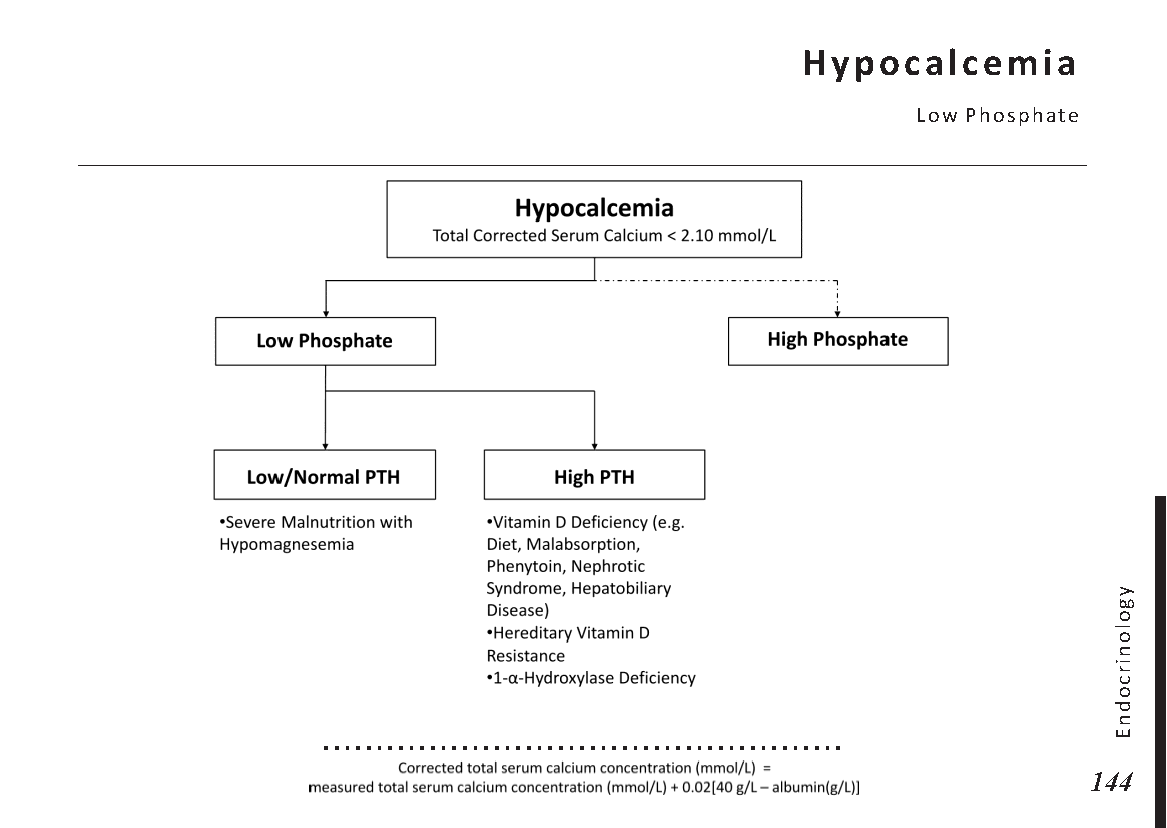
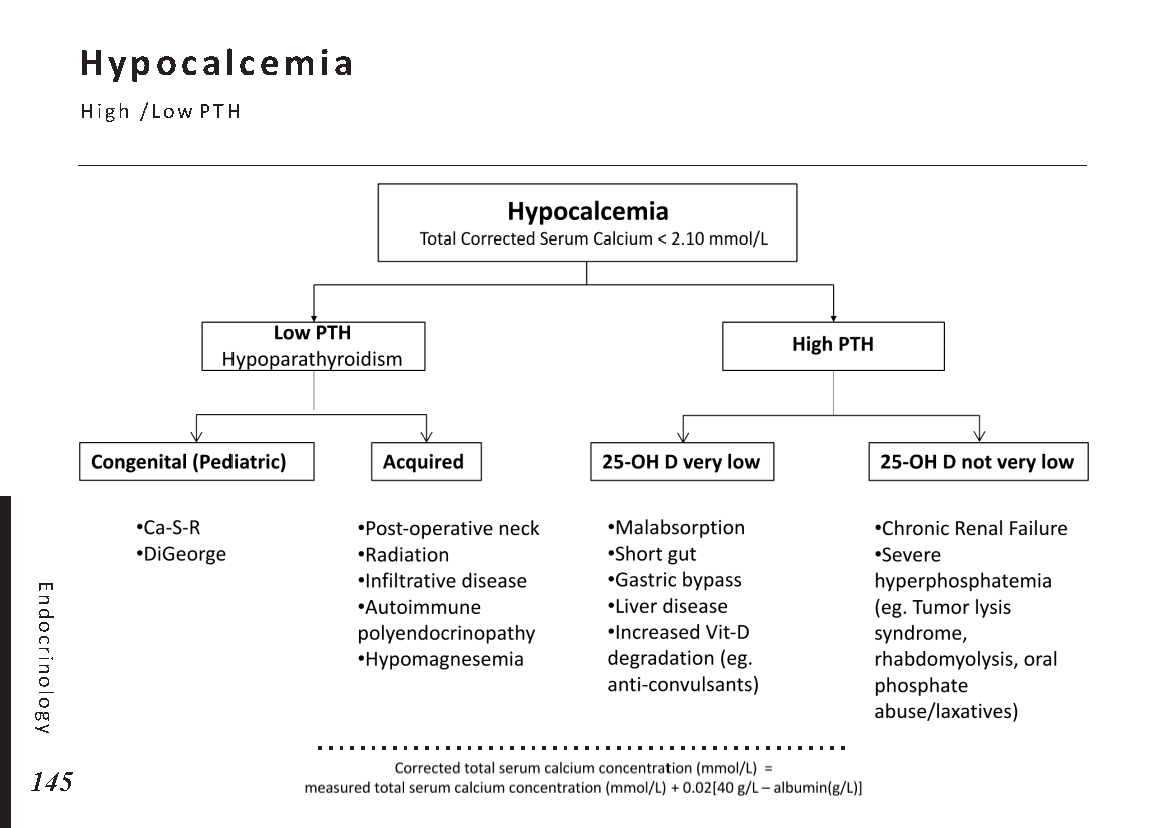
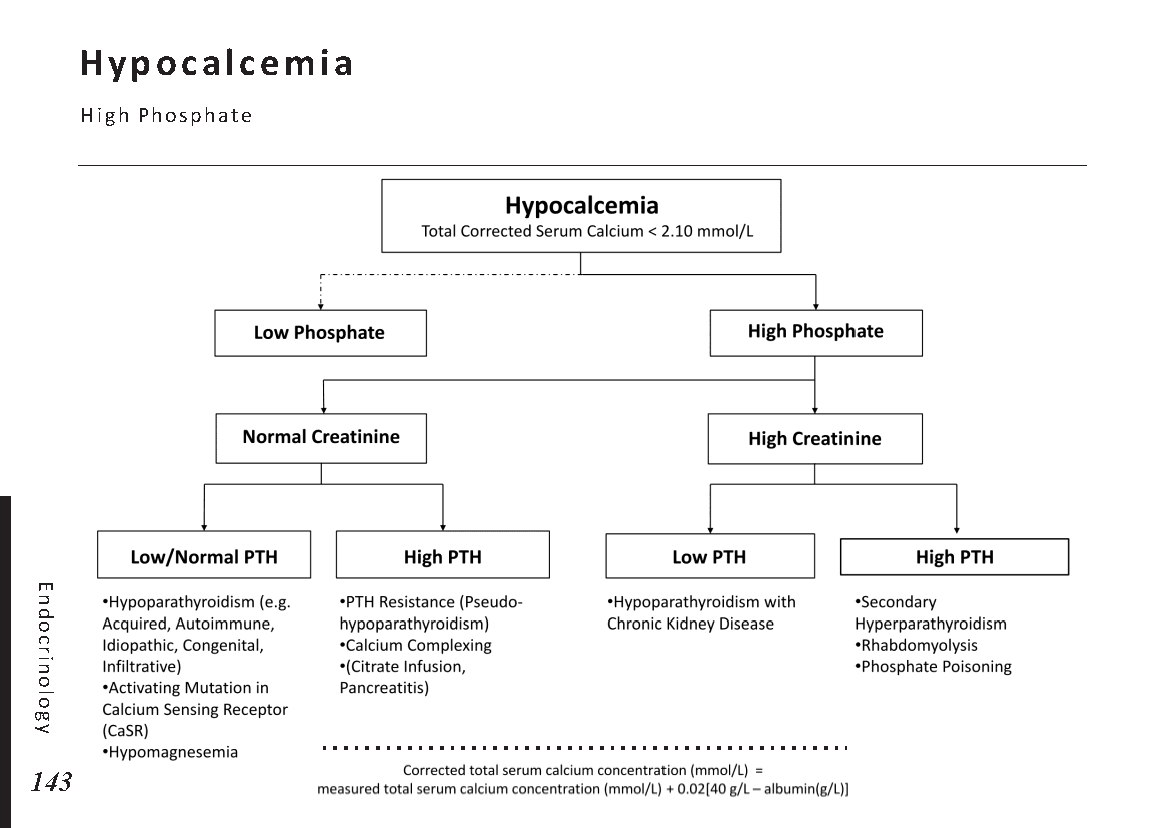
- Hypocalcemia
- Bradycardia
- Congenital long QT syndromes
- Myocardial disease
- Certain endocrine or metabolic disorders
Drug-induced QT prolongation is particularly important because numerous medication classes can affect ventricular repolarization.
Why can QTc be misleading?
QT correction is useful, but it is not perfect.
The relationship between QT and heart rate differs between individuals, meaning that mathematical correction cannot completely eliminate the effect of heart rate.
Bazett’s formula is particularly prone to error at abnormal heart rates. It can produce an artificially high QTc during tachycardia and an artificially low QTc during bradycardia.
For this reason, an unexpectedly abnormal QTc should not automatically be treated as a diagnosis.
Consider checking:
- The original ECG.
- How the QT interval was measured.
- Which correction formula was used.
- The patient’s heart rate.
- Whether the rhythm is regular.
- Medications that may prolong QT.
- Potassium, magnesium and calcium when clinically appropriate.
- Whether the finding persists on a repeat ECG.
How to measure the QT interval on an ECG
Accurate QT measurement matters just as much as the mathematical correction.
The QT interval extends from the beginning of the QRS complex to the end of the T wave. The end of the T wave can sometimes be difficult to identify, particularly when the T wave is low amplitude, notched, or followed by a U wave.
A tangent method can be used to identify the end of the T wave, and measurement from multiple beats may improve reliability. Clinical guidance describes measuring an average across several beats rather than relying on an isolated beat when appropriate.
Practical ECG tip
Do not blindly copy an automatically generated QTc without considering the underlying ECG.
If an automated ECG reports an unexpectedly prolonged QTc, review the actual QT measurement and ECG tracing, particularly when the result could affect medication decisions.
What can cause a prolonged QTc?
QTc prolongation can be congenital or acquired.
Medication-related QT prolongation
A wide variety of medications can affect ventricular repolarization. Important groups include some:
- Antiarrhythmics
- Antibiotics
- Antifungals
- Antipsychotics
- Antihistamines
- Anticancer drugs
The risk can increase when several QT-prolonging factors occur together.
Electrolyte abnormalities
Low levels of:
- Potassium
- Magnesium
- Calcium
can contribute to QT prolongation.
Bradycardia
A slow heart rate itself can influence QT duration and QT correction.
Congenital long QT syndrome
Inherited abnormalities of cardiac ion channels can produce a prolonged QT interval and increase susceptibility to ventricular arrhythmias.
A diagnosis of long QT syndrome should not be made simply because an online calculator produces an elevated QTc.
 Menstrual cycle physiology: