Serum Osmolality Calculator
Serum osmolality helps clinicians assess the concentration of dissolved particles in the blood. It is particularly useful when evaluating sodium disorders, dehydration, altered mental status, and suspected toxic alcohol ingestion. A serum osmolality calculator makes it easier to estimate the expected value from routine laboratory results and compare it with a measured laboratory result when available.
This Serum Osmolality Calculator uses serum sodium, glucose, and blood urea nitrogen (BUN) to estimate serum osmolality in milliosmoles per kilogram of water (mOsm/kg). You can also use the result to calculate the osmolar gap when a measured serum osmolality is available.
Serum Osmolality Calculator
Estimate serum osmolality from routine laboratory values, compare it with a measured result, and explore the osmolar gap in seconds.
Patient laboratory values
Enter the latest laboratory results. Choose the units reported by your laboratory.
Enter the laboratory-measured result to calculate the osmolar gap.
Your results
Calculated from the values entered
2 × Na⁺ + glucose contribution + urea contribution
How is serum osmolality calculated?
In conventional US units, calculated serum osmolality = 2 × Na⁺ + glucose/18 + BUN/2.8. Sodium is in mEq/L; glucose and BUN are in mg/dL. The result is an estimate in mOsm/kg.
How should I interpret the osmolar gap?
Osmolar gap = measured − calculated osmolality. A value above approximately 10 mOsm/kg is often considered elevated, but the expected range varies by method and setting. An elevated gap is nonspecific, and a normal gap does not exclude toxic alcohol poisoning.
How to Calculate Serum Osmolality
In conventional US laboratory units, calculated serum osmolality is estimated using the following formula:
Calculated serum osmolality = 2 × Na⁺ + glucose/18 + BUN/2.8
Where:
Na⁺: Serum sodium in mEq/L (numerically equivalent to mmol/L for sodium).
Glucose: Serum glucose in mg/dL.
BUN: Blood urea nitrogen in mg/dL.
Result: Estimated serum osmolality in mOsm/kg.
Sodium is multiplied by two to account approximately for sodium and its accompanying anions, which make up the largest contribution to extracellular osmolality. Glucose and urea contribute additional dissolved particles.
Example: Serum Osmolality Calculation
Consider a patient with the following laboratory results:
Serum sodium: 140 mEq/L
Glucose: 100 mg/dL
BUN: 14 mg/dL
Using the formula:
Calculated serum osmolality = 2 × 140 + 100/18 + 14/2.8
Calculated serum osmolality = 280 + 5.56 + 5
Calculated serum osmolality ≈ 290.6 mOsm/kg
This value falls within the commonly used reference range for serum osmolality. The laboratory’s own reference interval should be used when interpreting an actual result.
What Is Normal Serum Osmolality?
A commonly used reference range for serum osmolality is approximately 275–295 mOsm/kg, although the exact range varies by laboratory and measurement method.
| Serum osmolality | General interpretation |
|---|---|
| Below 275 mOsm/kg | Low serum osmolality; consider excess water relative to solute |
| 275–295 mOsm/kg | Commonly used reference range |
| Above 295 mOsm/kg | Elevated serum osmolality; assess for water deficit or excess effective solutes |
These categories are general guides, not standalone diagnoses. The patient’s sodium concentration, glucose level, volume status, kidney function, medications, and clinical presentation all affect interpretation.
Calculated vs. Measured Serum Osmolality
Calculated and measured serum osmolality are related but are not interchangeable.
Calculated serum osmolality is estimated from laboratory values using a mathematical formula. It is useful when sodium, glucose, and BUN are available.
Measured serum osmolality is determined in the laboratory, usually by freezing-point depression. It reflects the combined effect of dissolved particles in the sample, including substances that may not be represented in the standard calculation.
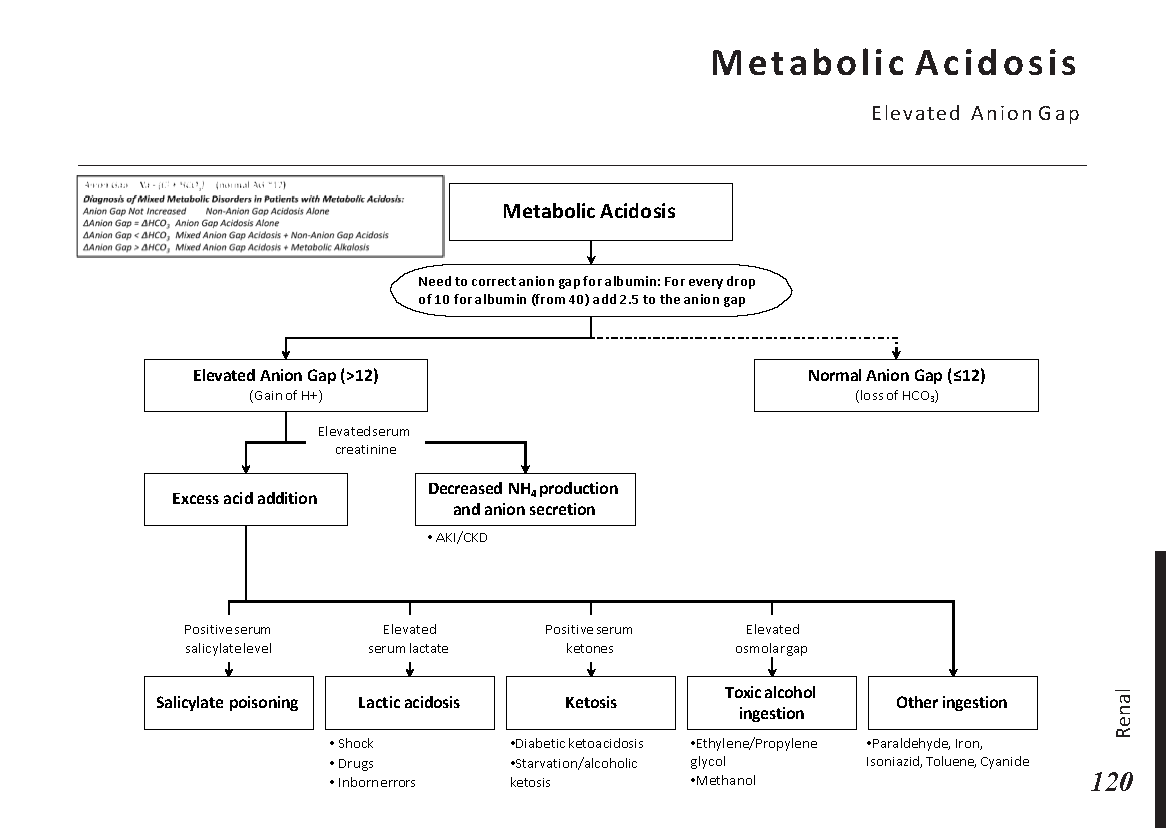
The difference matters when a patient may have an unmeasured osmole, such as a toxic alcohol. A substantial discrepancy between measured and calculated values may prompt further investigation.
Serum Osmolality vs. Serum Osmolarity
Although the terms are often used interchangeably, they describe different quantities.
Osmolality measures the number of osmoles of solute per kilogram of solvent.
Osmolarity measures the number of osmoles of solute per liter of solution.
Serum osmolality is conventionally reported in mOsm/kg, whereas osmolarity is expressed in mOsm/L. Clinical formulas may estimate serum osmolality even when they are informally described as osmolarity calculations. For clinical interpretation, make sure you are comparing measurements expressed on the appropriate basis.
When Is Serum Osmolality Useful?
Serum osmolality can help narrow the differential diagnosis in several clinical situations.
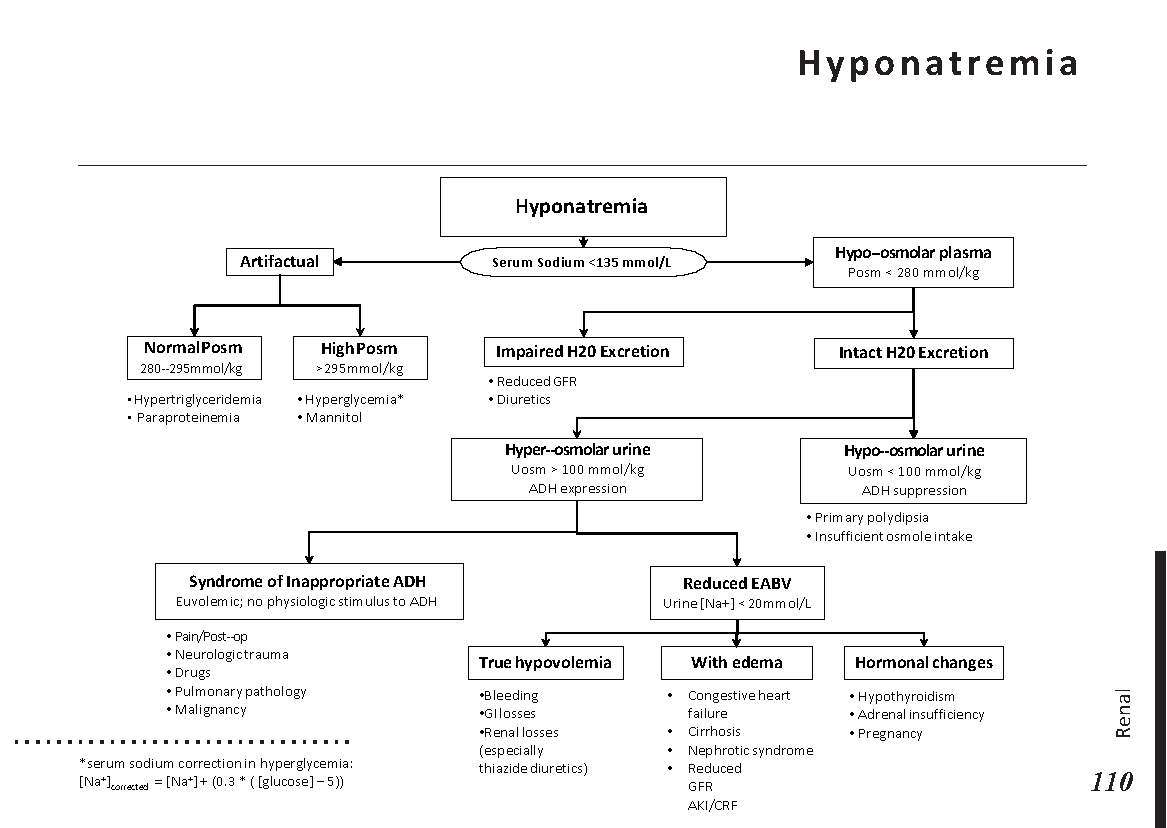
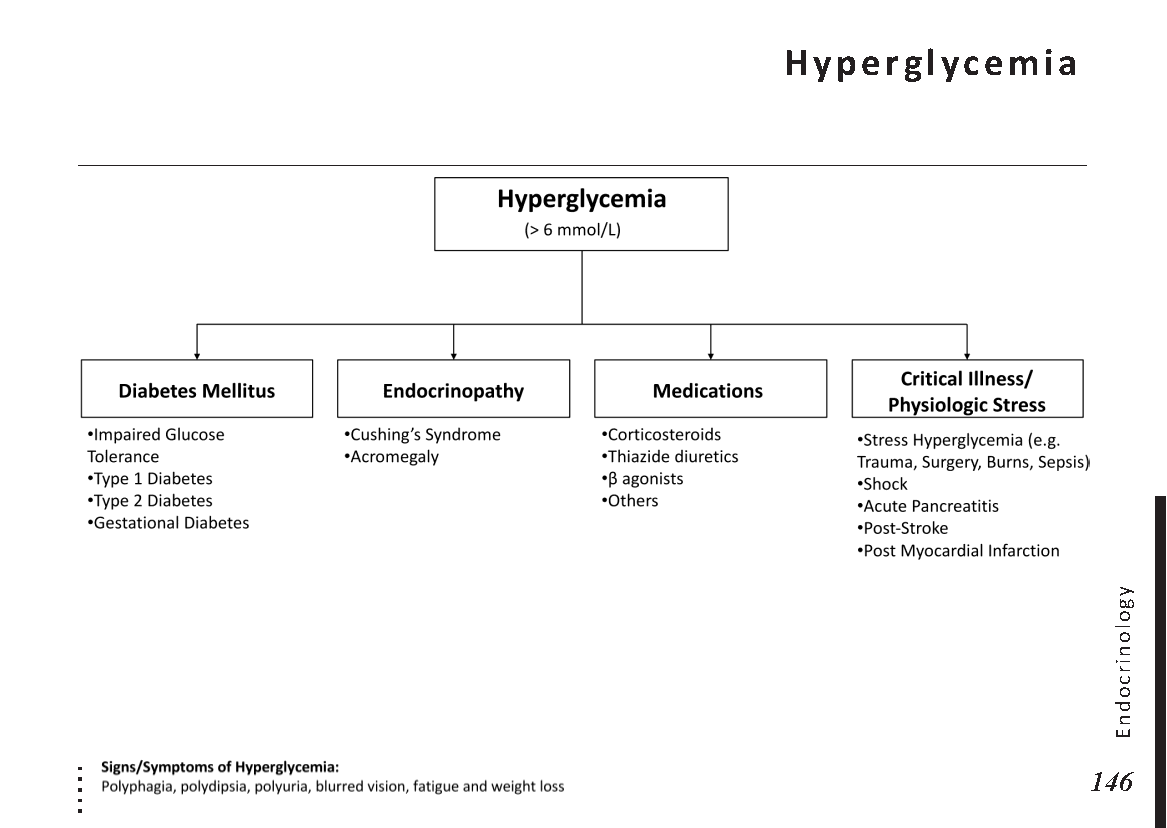
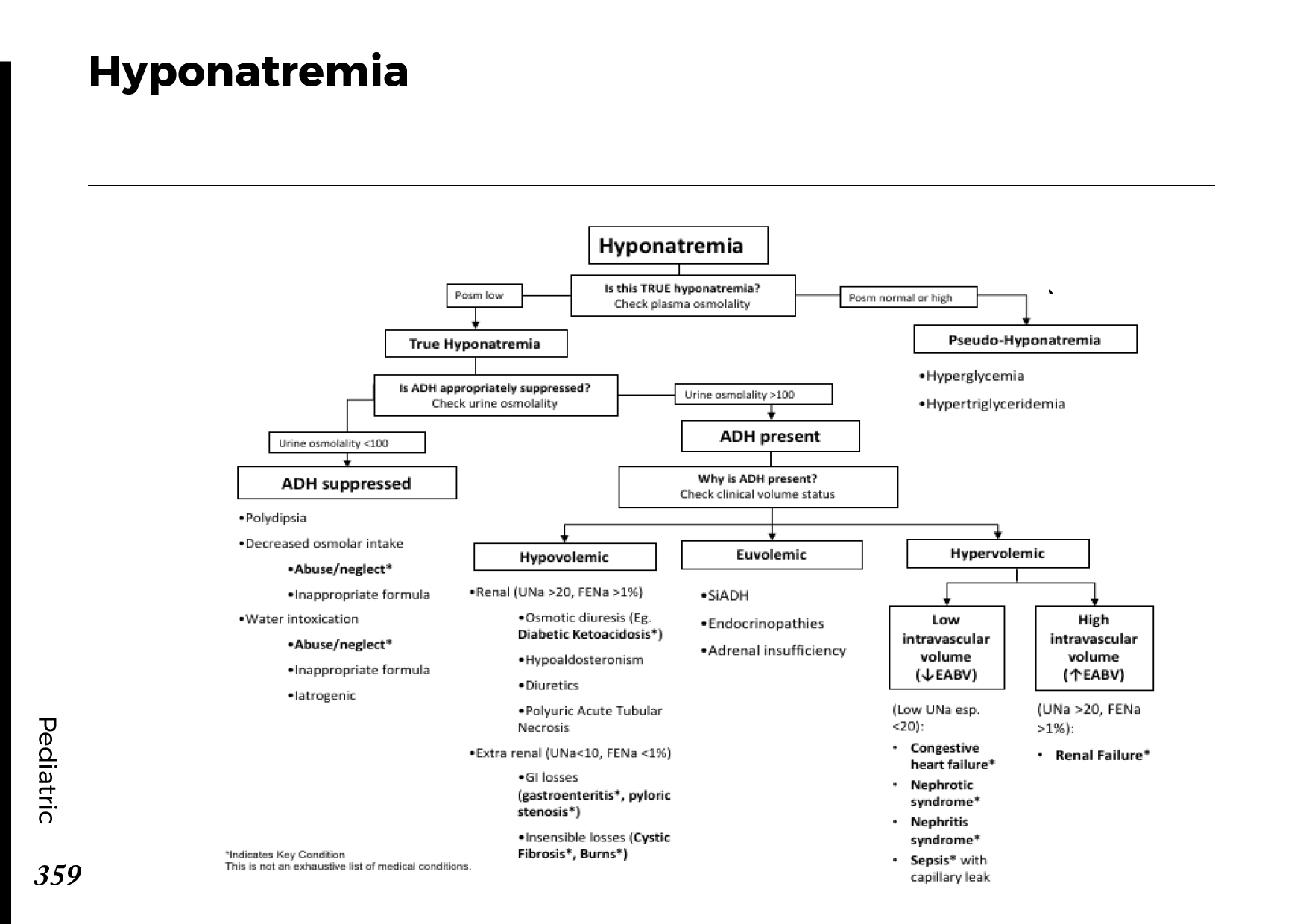
Hyponatremia: Serum osmolality helps distinguish hypotonic hyponatremia from cases associated with hyperglycemia or other effective osmoles. Confirming tonicity is an important early step in evaluating low serum sodium.
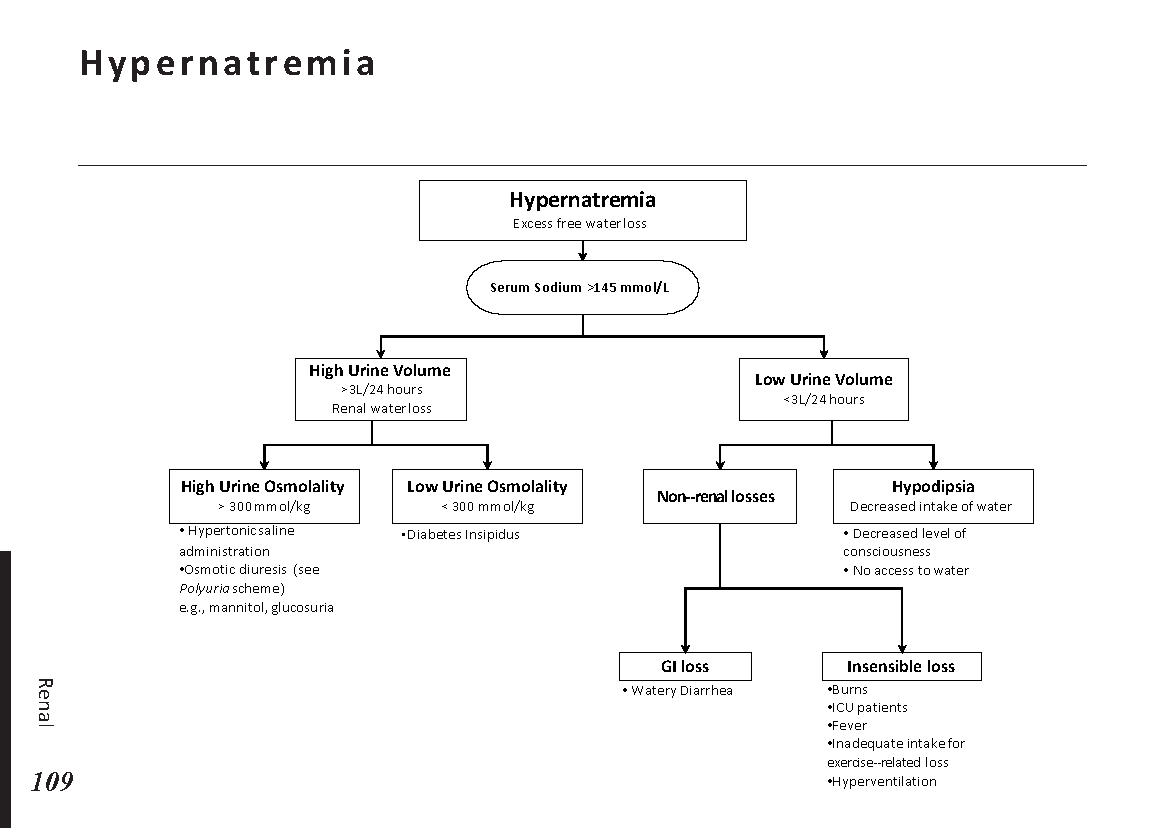
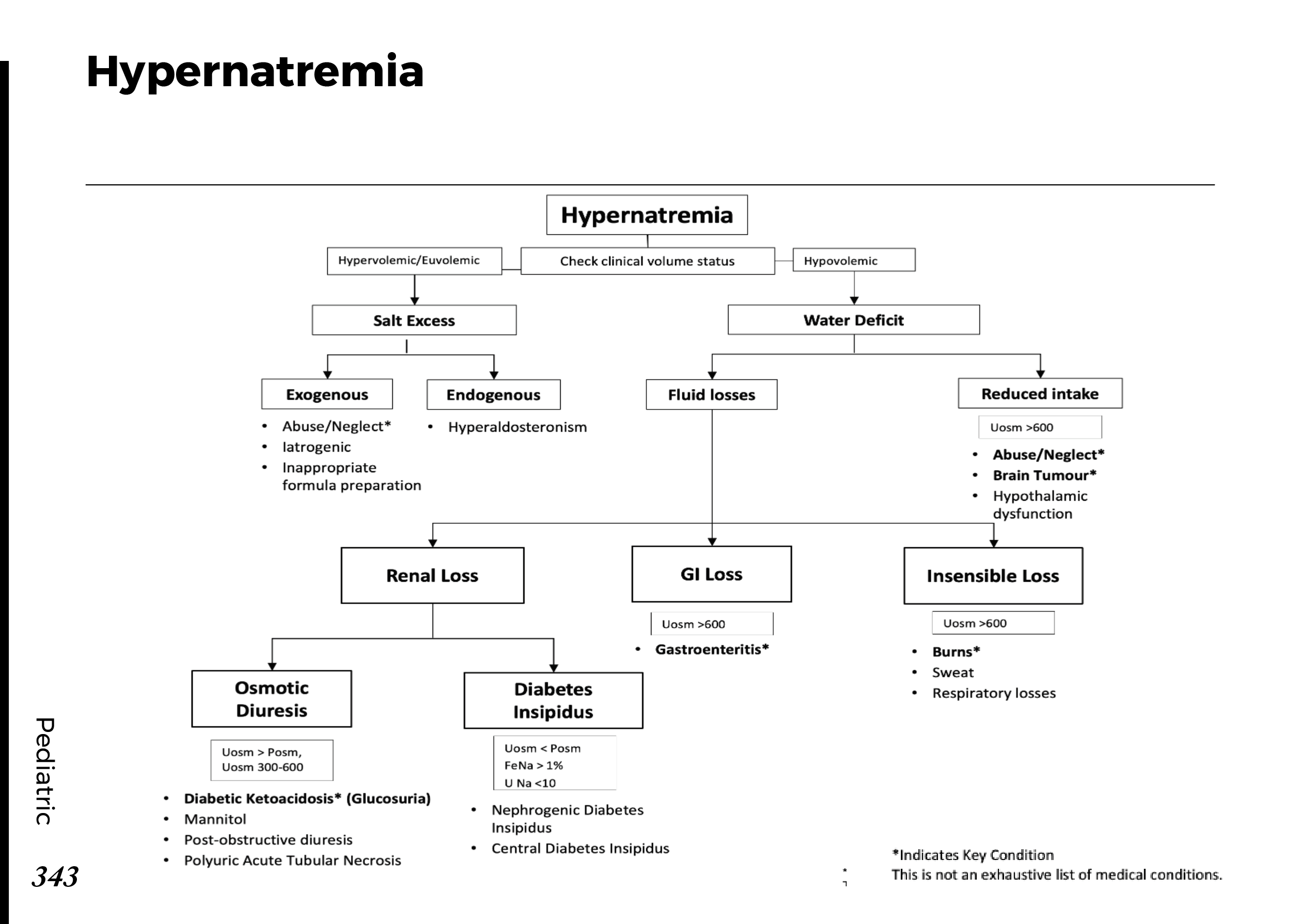
Hypernatremia and dehydration: An elevated serum osmolality may support a relative water deficit. Sodium, volume status, urine output, and urine osmolality help clarify the underlying cause.
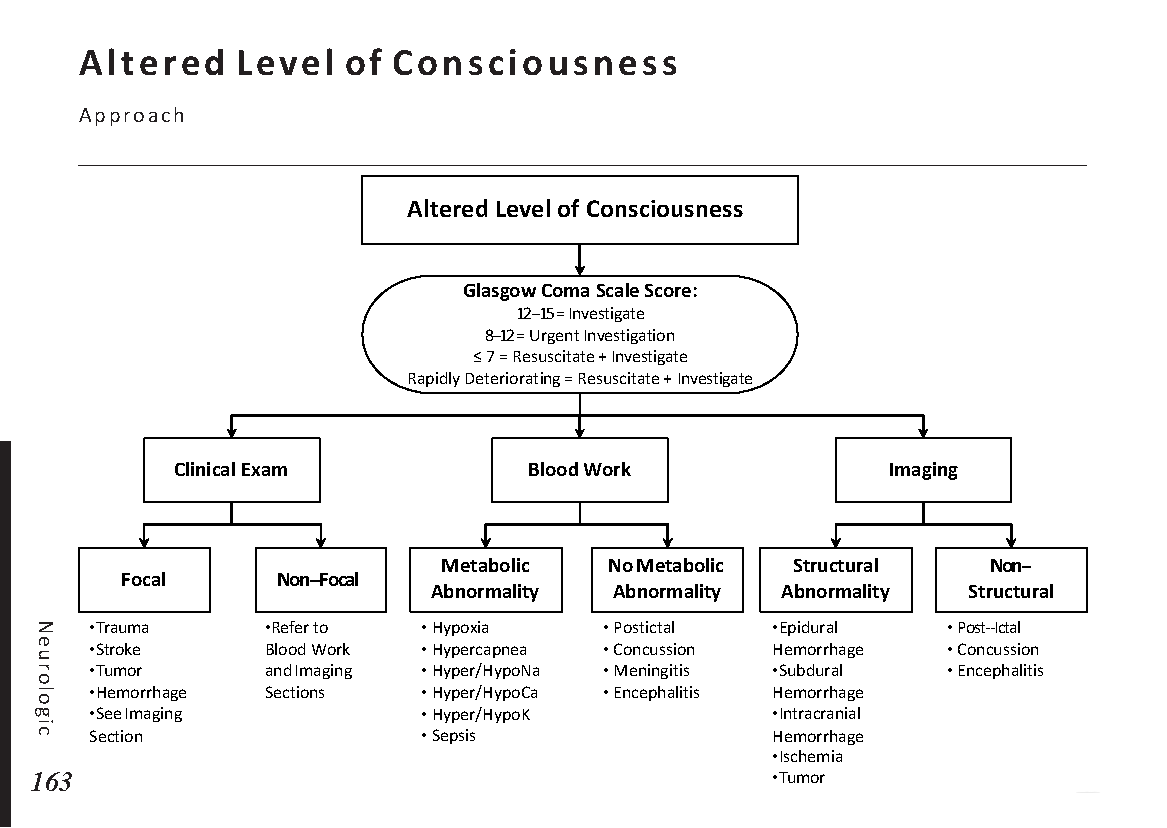
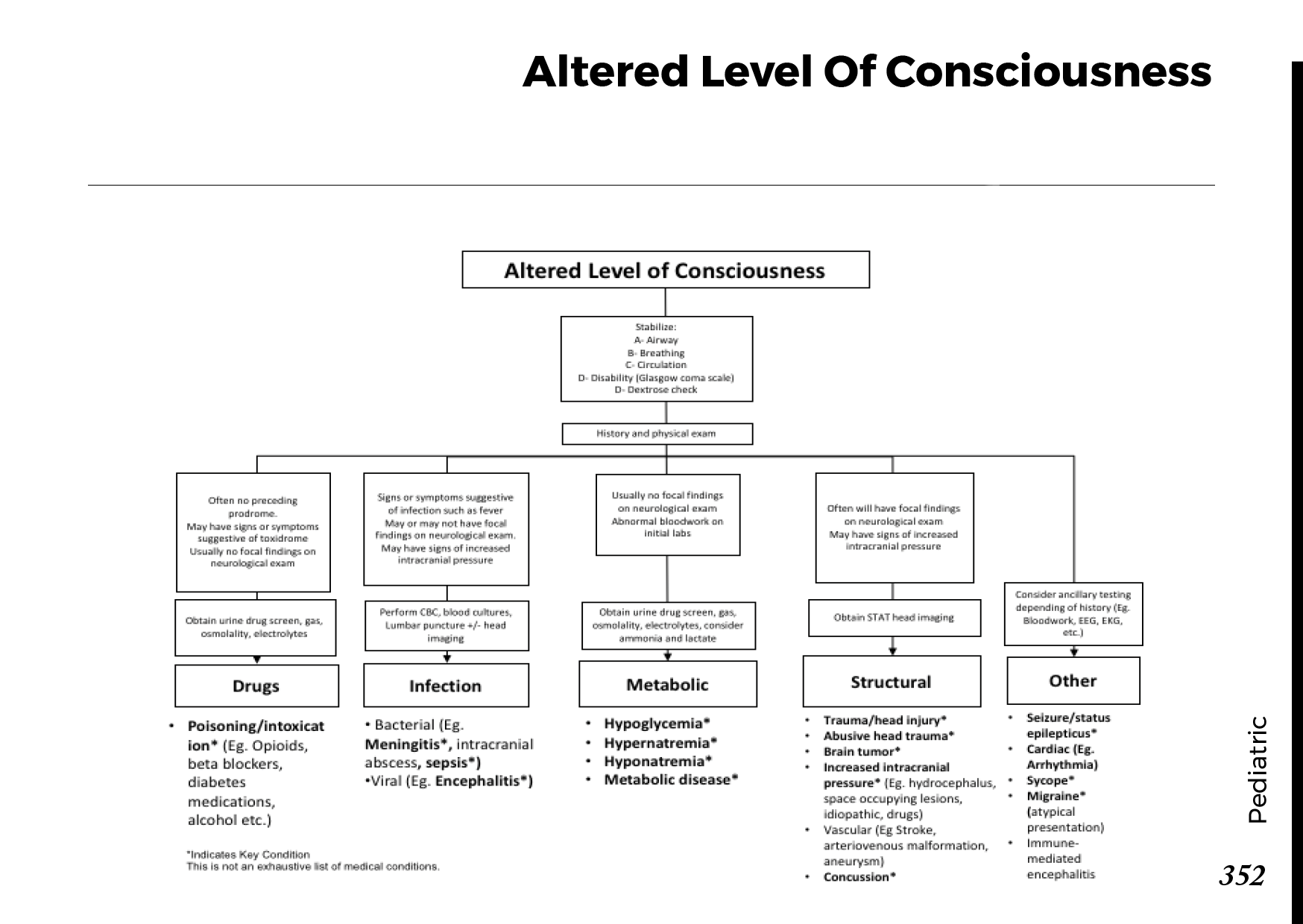
Altered mental status: Significant abnormalities in serum tonicity can contribute to neurological symptoms. The urgency of evaluation depends on the severity, duration, and clinical presentation.
Suspected toxic alcohol exposure: Comparing measured and calculated serum osmolality can help identify an elevated osmolar gap. A normal gap does not reliably exclude toxic alcohol poisoning, particularly when presentation is delayed.
Kidney dysfunction: Changes in urea and other solutes may influence measured serum osmolality. Results should be interpreted alongside kidney function and the broader clinical picture.
 Menstrual cycle physiology: