Shock Index Calculator
The shock index (SI) is a quick clinical measurement that compares heart rate with systolic blood pressure. It can help clinicians recognize possible circulatory instability before obvious hypotension develops. Use this shock index calculator to calculate the ratio, understand what your result may indicate, and review how it fits into the assessment of a potentially unstable patient.
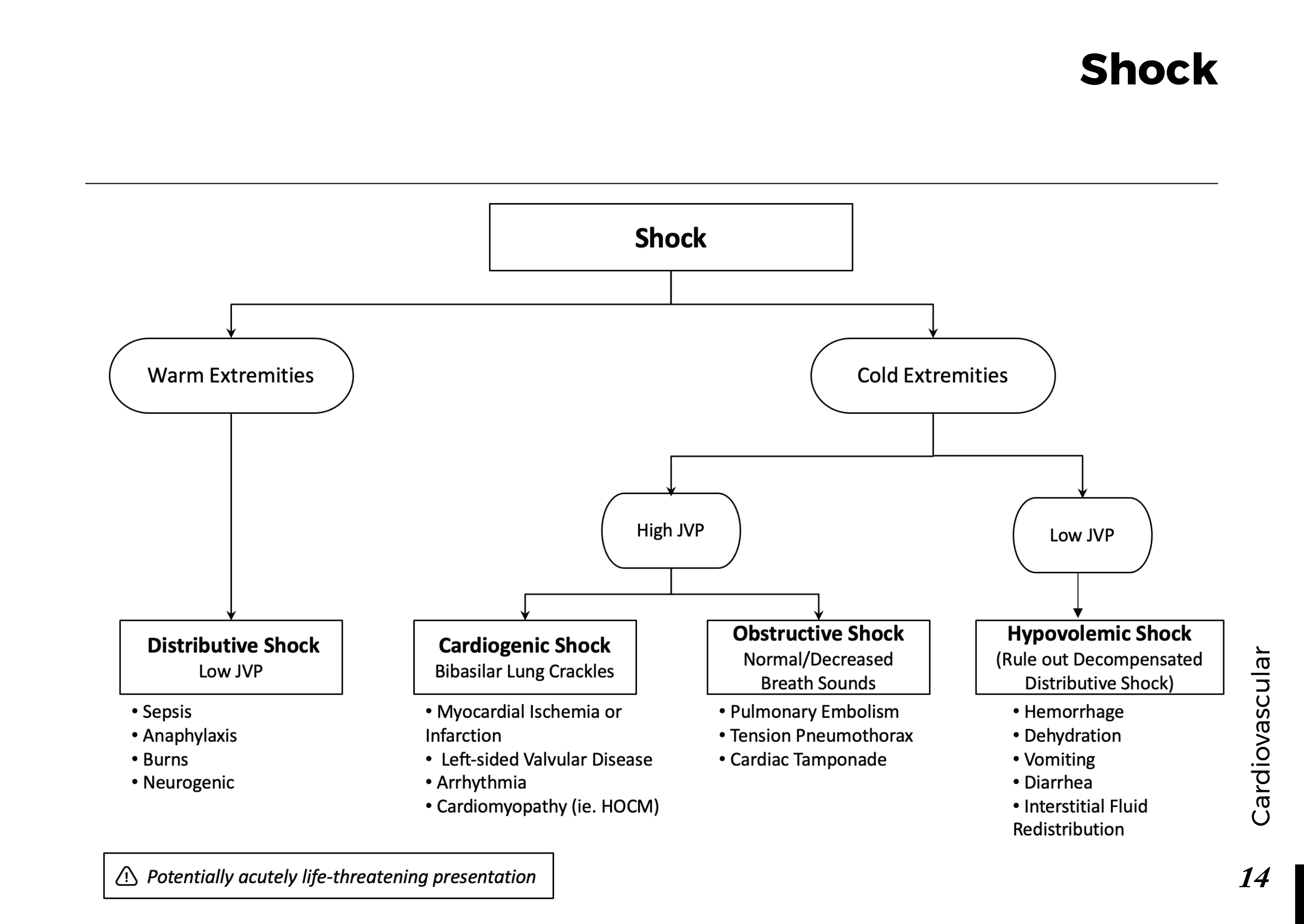
Shock index is particularly useful in emergency medicine, trauma assessment, acute bleeding, and the initial evaluation of patients with suspected sepsis or other causes of circulatory compromise. However, it is a screening aid rather than a standalone diagnostic test. A reassuring number does not rule out shock, and an elevated value does not establish a diagnosis by itself.
Shock Index Calculator
Calculate the heart rate-to-systolic blood pressure ratio and explore its potential significance in acute clinical assessment.
Enter the measured pulse rate.
Use systolic pressure, not diastolic pressure or MAP.
Your calculation
Calculation completeInterpretation
Clinical safety note
Shock index is an adjunct to clinical assessment, not a diagnostic test. A normal value cannot exclude shock or serious bleeding. If the patient is deteriorating or has signs of poor perfusion, initiate urgent clinical assessment without waiting for this calculation.
How to interpret the shock index
These approximate reference points are commonly discussed in adult acute care. They are not universal diagnostic thresholds and should not be used in isolation.
Try a clinical example
Select an example to load the vital signs into the calculator. These are illustrative scenarios, not patient-specific diagnoses.
Understanding the formula
Heart rate (HR)
The number of heartbeats per minute. Tachycardia can reflect physiological stress, but it may also occur with pain, fever, anxiety, medications, and many other conditions.
Systolic blood pressure (SBP)
The arterial pressure during ventricular contraction. A falling systolic pressure can increase the ratio, but blood pressure may remain preserved during early or compensated shock.
When is shock index useful?
Trauma and hemorrhage
An elevated ratio may increase concern for blood loss or circulatory compromise. It cannot confirm or rule out internal bleeding.
Suspected sepsis
The ratio can support recognition of deterioration, but it cannot diagnose sepsis or replace assessment for organ dysfunction.
Gastrointestinal bleeding
A rising ratio may be concerning even before profound hypotension develops. Interpret alongside symptoms, examination, and appropriate investigations.
Serial observations
Changes over time may be more informative than a single measurement. Reassess the patient and the underlying vital signs.
Frequently asked questions
What is a normal shock index?
A value around 0.5–0.7 is commonly encountered in stable adults. Reference values vary with the population and clinical setting, so no single number reliably excludes shock.
Is a shock index of 1.0 dangerous?
A value of 1.0 or higher is concerning in many adult acute-care settings, particularly with bleeding, infection, fainting, confusion, breathlessness, or signs of poor perfusion. It warrants prompt clinical interpretation, but it is not a diagnosis on its own.
Can a normal shock index rule out internal bleeding?
No. Serious hemorrhage can occur with a normal or only mildly elevated ratio. Clinical assessment, appropriate investigations, and the patient's condition take priority.
What is the difference between shock index and modified shock index?
Conventional shock index is heart rate divided by systolic blood pressure. Modified shock index is heart rate divided by mean arterial pressure (MAP). They are different measures and their thresholds are not interchangeable.
Can I use adult shock index thresholds in children?
No. Heart rate and blood pressure vary substantially with age in children. Use an appropriate pediatric assessment and age-specific clinical guidance.
Which conditions can affect the result?
Age, pregnancy, medications such as beta-blockers, arrhythmias, fever, pain, anxiety, and chronic hypertension may influence interpretation. Consider the entire clinical picture.
What Is the Shock Index?
The shock index is calculated by dividing the heart rate in beats per minute by the systolic blood pressure in millimeters of mercury.
Shock Index = Heart Rate ÷ Systolic Blood Pressure
For example, a patient with a heart rate of 110 beats/min and a systolic blood pressure of 100 mmHg has a shock index of 1.10.
The value provides a simple way to consider two vital signs together. A rising heart rate may be a response to physiological stress, while a falling systolic blood pressure may indicate worsening circulatory function. When these changes occur together, the shock index rises.
Unlike heart rate or blood pressure considered separately, the ratio can highlight a concerning combination of findings. Nevertheless, the underlying vital signs, clinical presentation, and changes over time remain essential to interpretation.
How to Use the Shock Index Calculator
Enter the patient’s heart rate in beats per minute.
Enter the systolic blood pressure in mmHg.
Calculate the shock index to obtain the ratio.
Compare the result with the clinical context and the reference ranges below.
Use reliable, current measurements whenever possible. If the patient is deteriorating, do not delay assessment or treatment while repeating measurements or using a calculator.
Shock Index Interpretation and Normal Range
In many adult clinical settings, a shock index around 0.5–0.7 is commonly encountered in relatively stable patients. A value around 0.9 or higher may be concerning, while a value of 1.0 or greater is often treated as a warning sign requiring prompt clinical assessment.
These are approximate clinical reference points, not universal diagnostic cutoffs. The appropriate threshold depends on the population, the cause of illness, and the clinical setting.
| Shock index | General interpretation |
|---|---|
| Below 0.5 | Relatively low; interpret alongside symptoms and baseline vital signs |
| 0.5–0.7 | Commonly encountered in stable adults |
| 0.7–0.89 | May warrant closer assessment depending on context |
| 0.9–0.99 | Potential warning sign, particularly in acute illness or injury |
| 1.0 or higher | Concerning in many adult acute-care settings; urgent assessment may be necessary |
These ranges are educational guides, not a validated severity scale. A value below 0.9 must not be used to exclude serious illness, significant hemorrhage, or early shock.
Shock Index Examples: What the Numbers Mean
Example 1: A relatively reassuring result
A patient has a heart rate of 72 beats/min and a systolic blood pressure of 120 mmHg.
Shock index = 72 ÷ 120 = 0.60
This value is within a commonly encountered range for stable adults. It does not, however, exclude a serious underlying condition if symptoms or other findings are concerning.
Example 2: Tachycardia with borderline blood pressure
A patient presents with a heart rate of 110 beats/min and a systolic blood pressure of 100 mmHg.
Shock index = 110 ÷ 100 = 1.10
This elevated ratio is concerning in an acutely ill patient. Depending on the presentation, the clinician may need to evaluate for bleeding, dehydration, infection, or other causes of impaired circulation.
Example 3: A normal-looking blood pressure with a rising ratio
A patient initially has a heart rate of 80 beats/min and a systolic blood pressure of 120 mmHg.
Initial shock index = 80 ÷ 120 = 0.67.
Later, the heart rate rises to 105 beats/min while systolic blood pressure falls to 105 mmHg.
Repeat shock index = 105 ÷ 105 = 1.00.
The change is important even though the systolic blood pressure is not profoundly low. A worsening trend may justify urgent reassessment, especially if the patient has bleeding, infection, altered mental status, cool extremities, or reduced urine output.
 Menstrual cycle physiology: