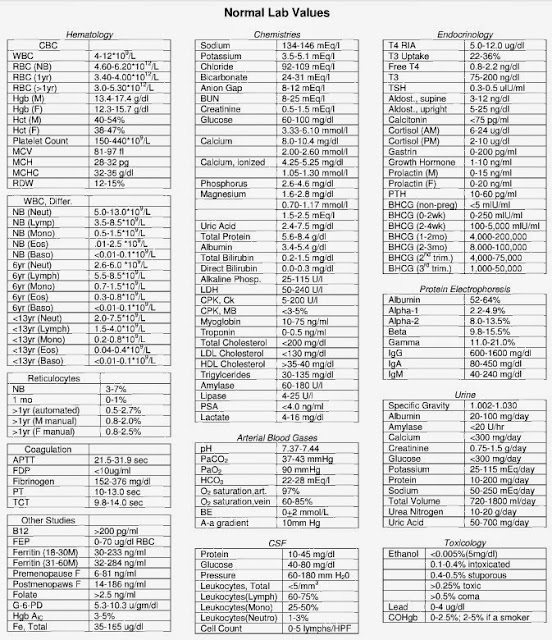
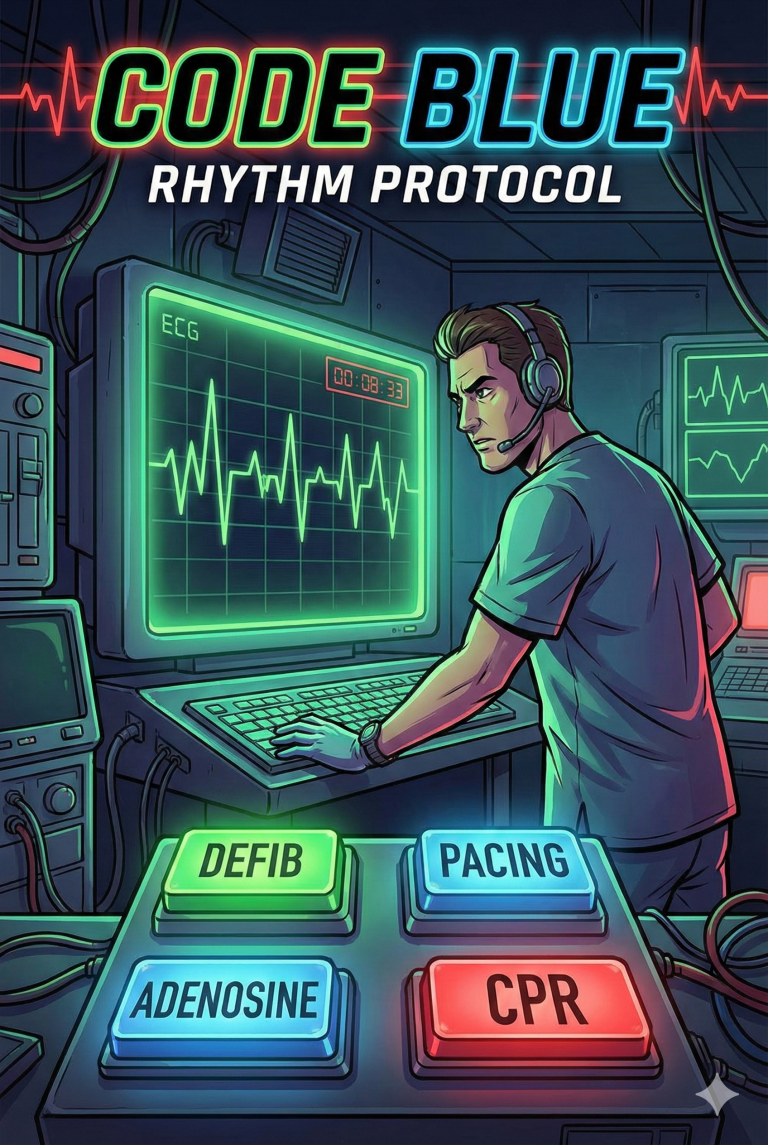
You can memorize every rule in the textbook, but can you apply that knowledge when the monitor is beeping and the patient’s pressure is dropping?
Transitioning from passive studying to active application is the hardest part of medical training. That is why we developed Code Blue: Rhythm Protocol—an interactive ECG practice game designed to simulate the stress and urgency of a real shift.
Traditional flashcards are great for memorization, but they lack the dynamic nature of real medicine. An ECG practice game forces you to synthesize information:
Visual Analysis: identifying the waveform on a moving screen.
Clinical Correlation: Matching the rhythm to the patient’s symptoms (e.g., dizziness vs. cardiac arrest).
Management: Choosing the correct drug or electrical therapy instantly.
Your Mission: You have 3 critical patients. Analyze the scrolling ECG, check the Triage Note, and make the life-saving decision before the timer hits zero.
This ECG practice game is a great warm-up, but deep clinical understanding comes from structured learning.
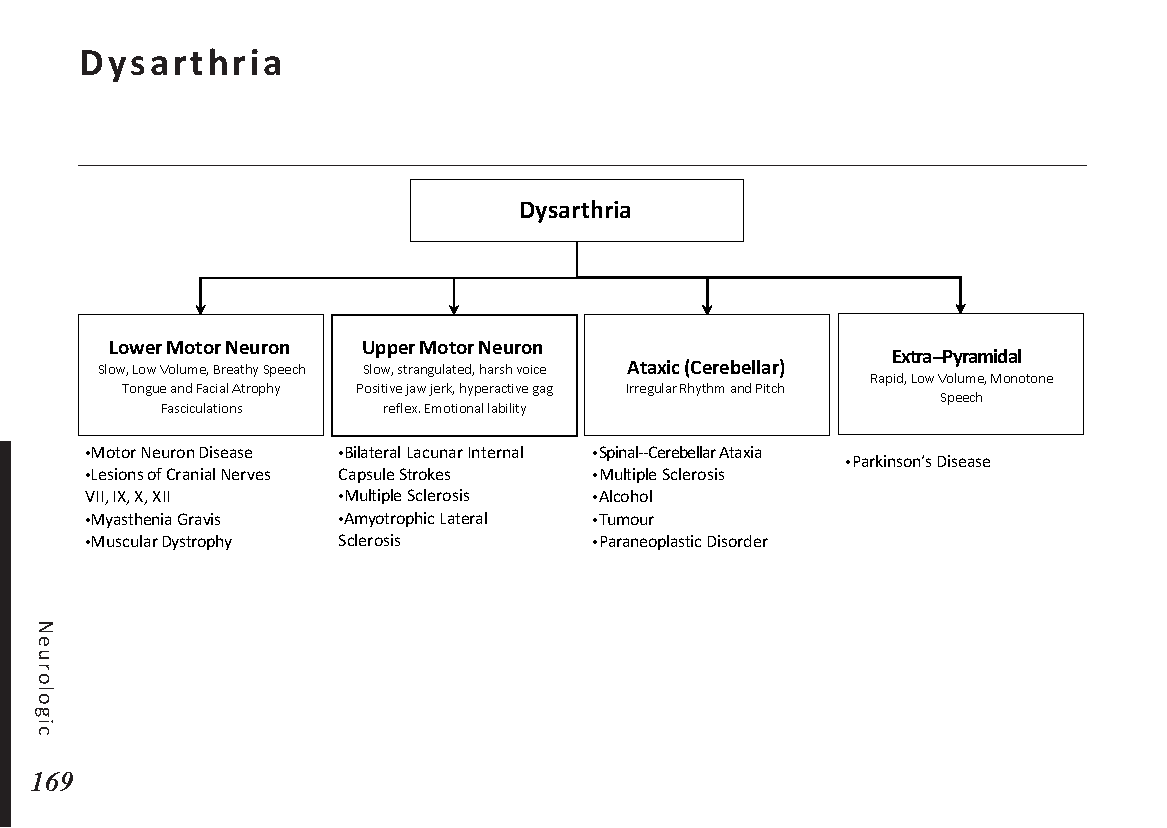
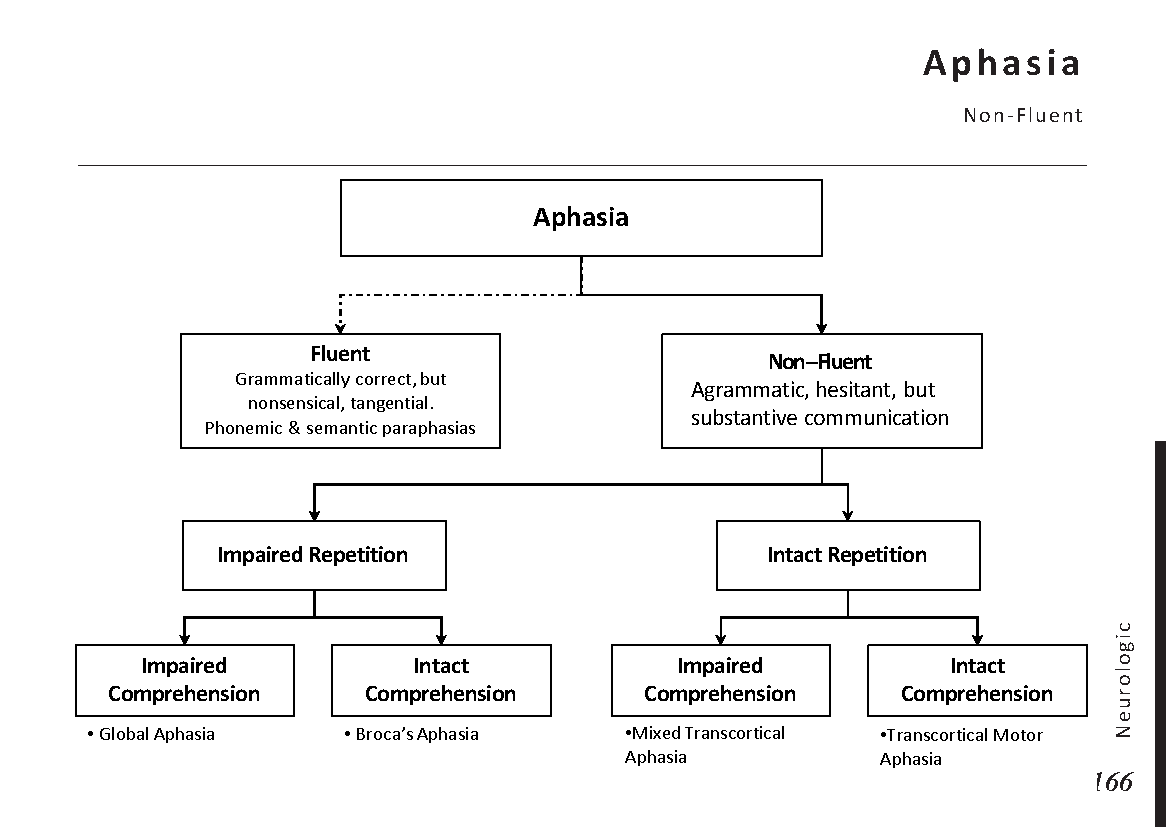
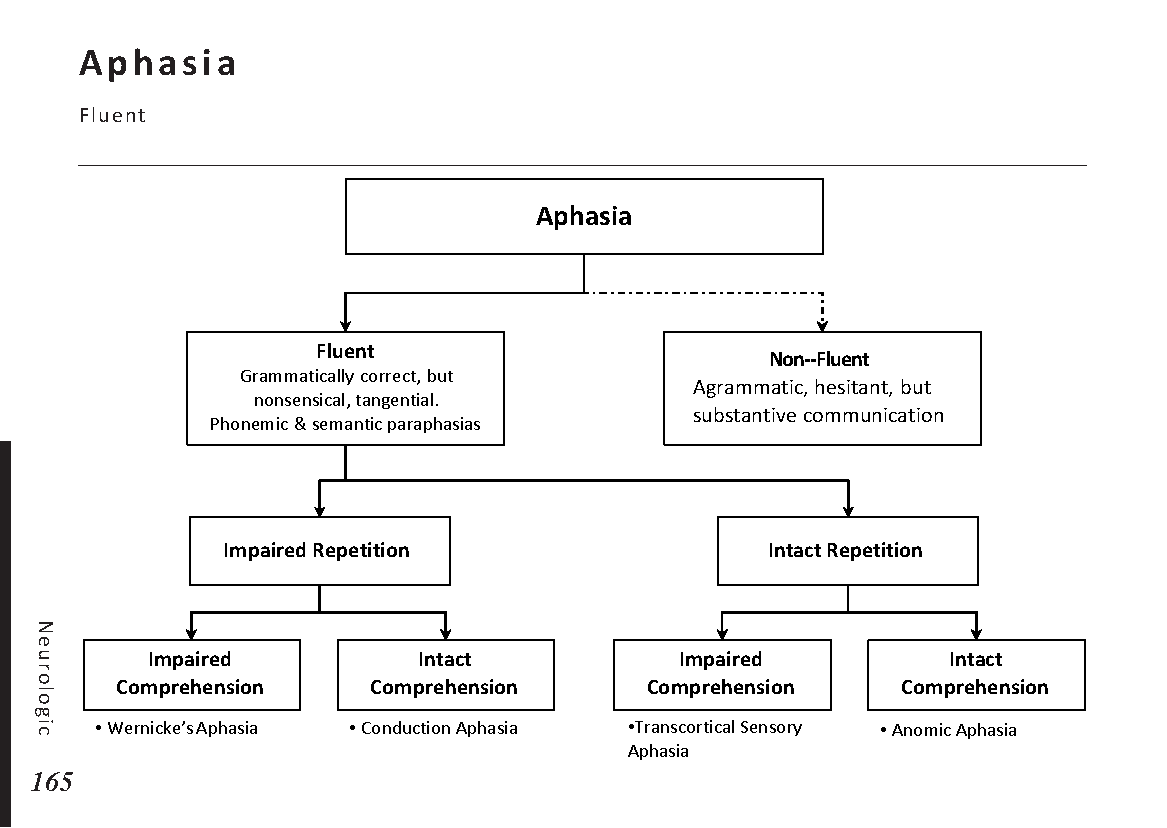
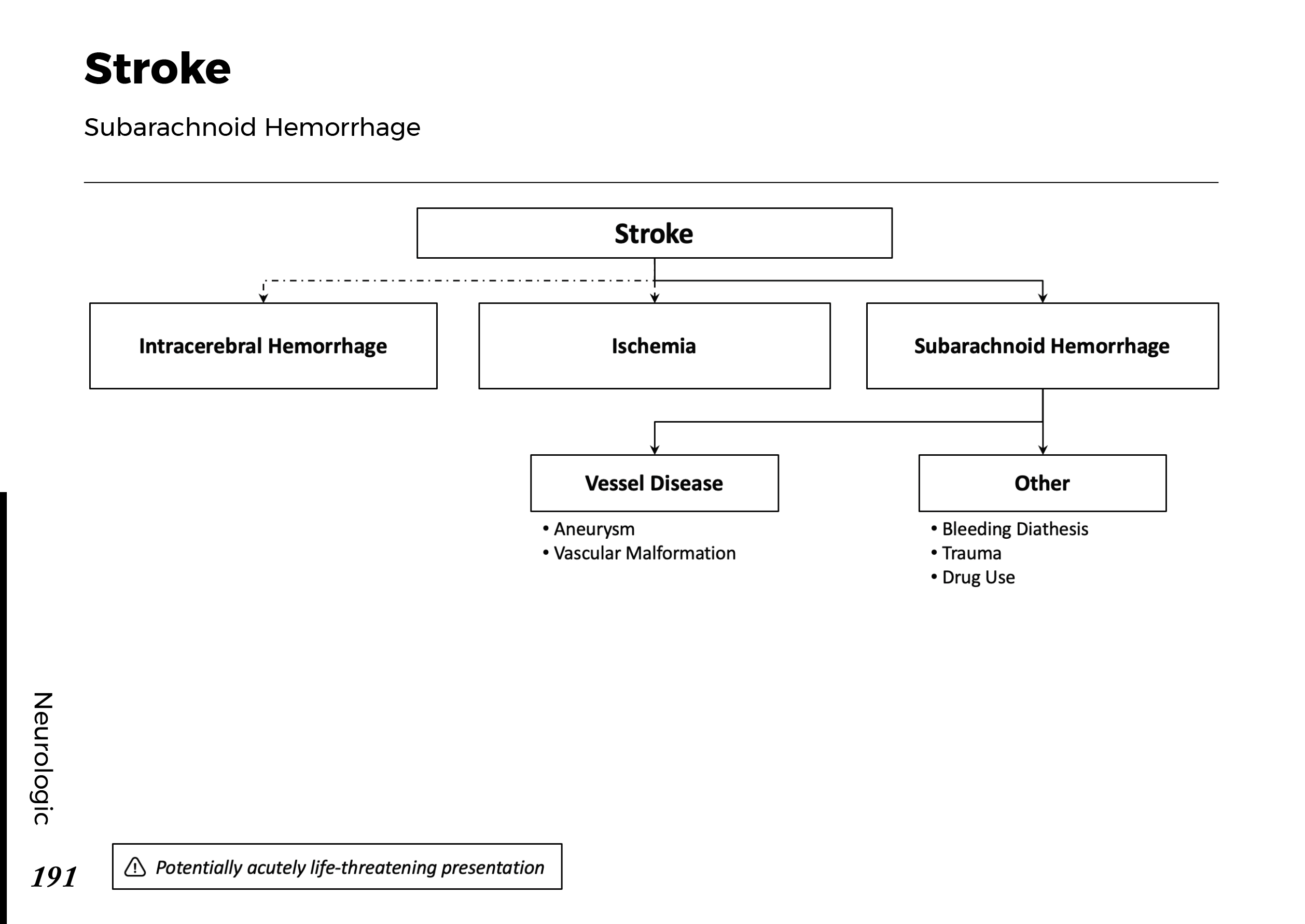
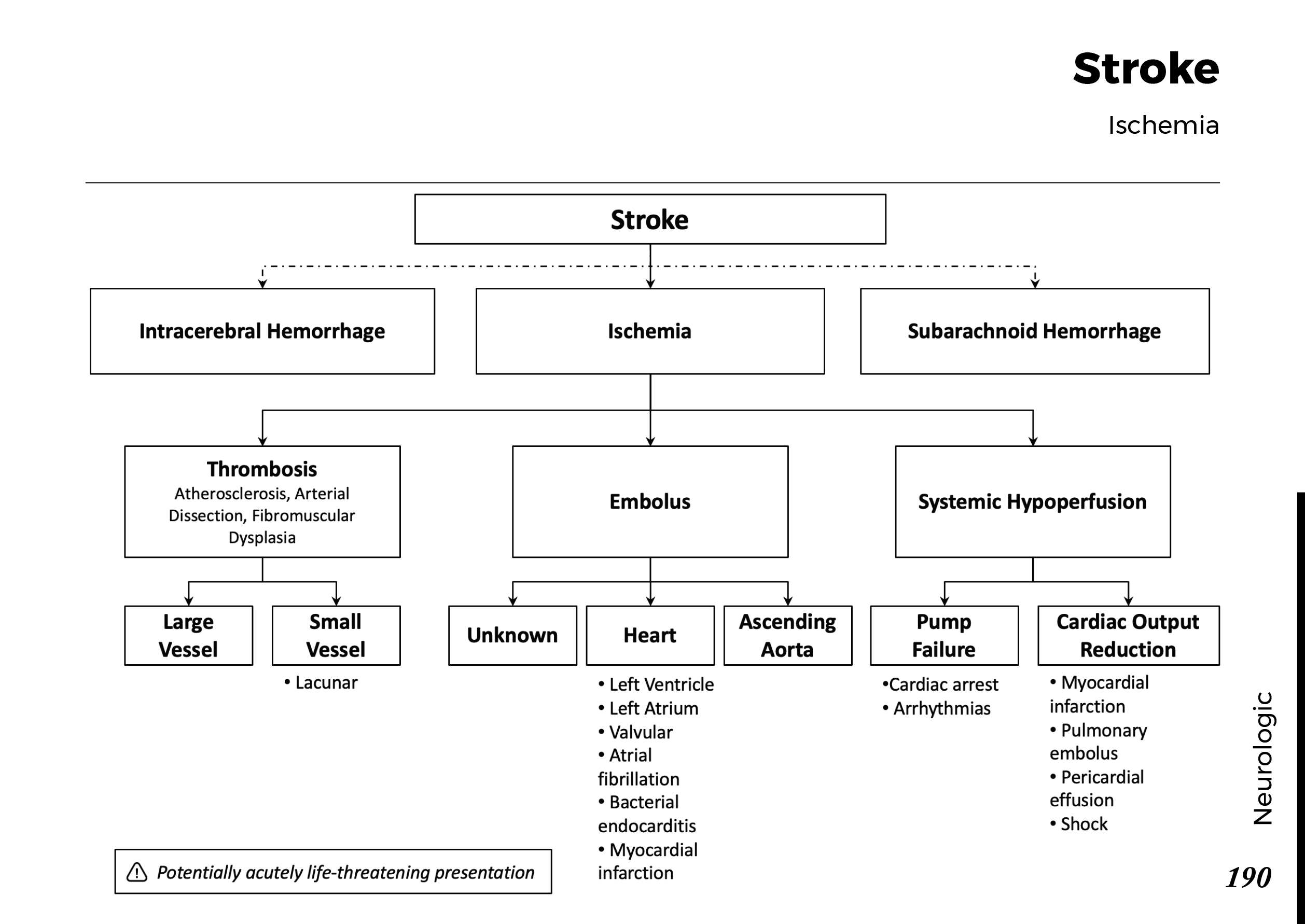
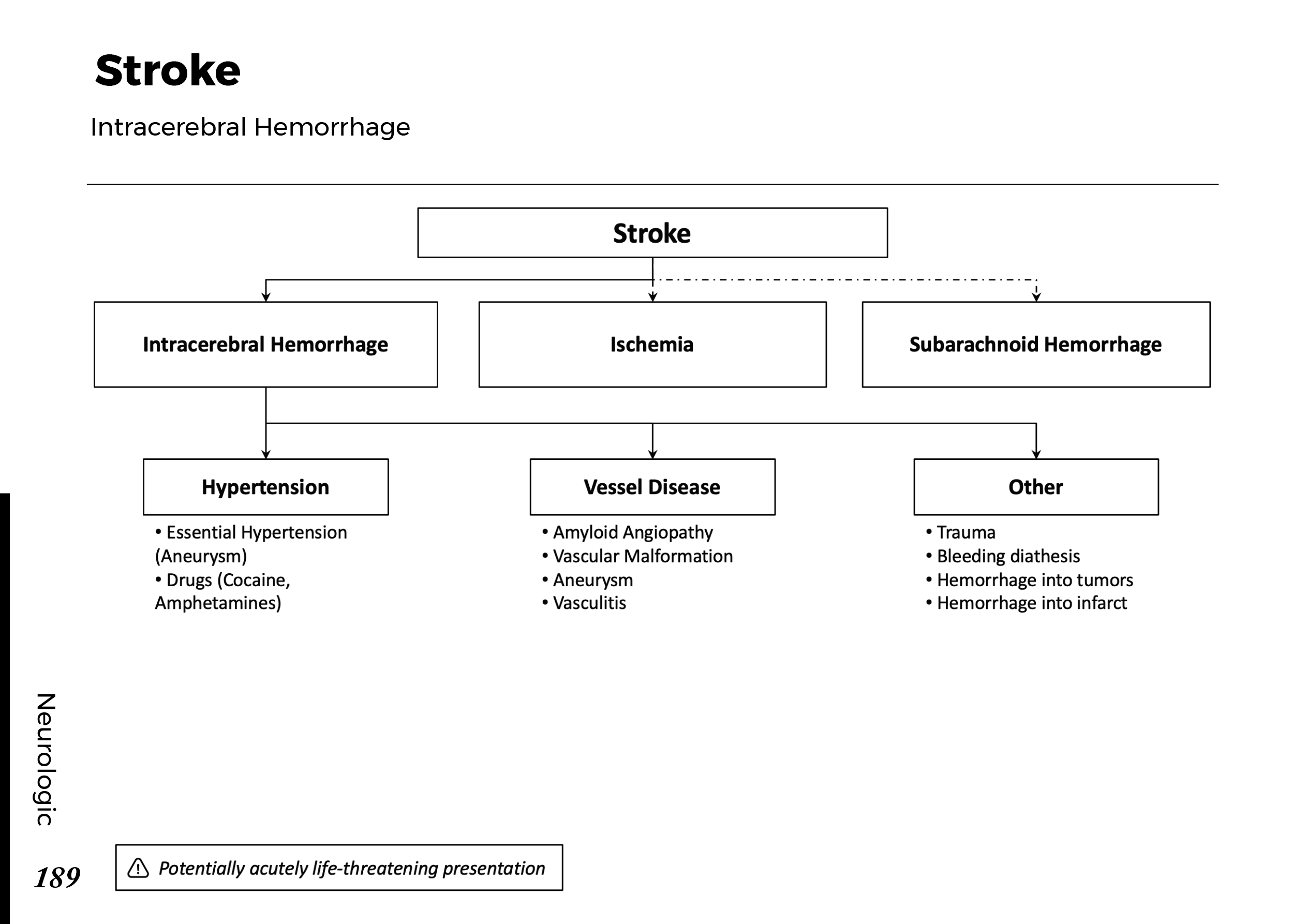
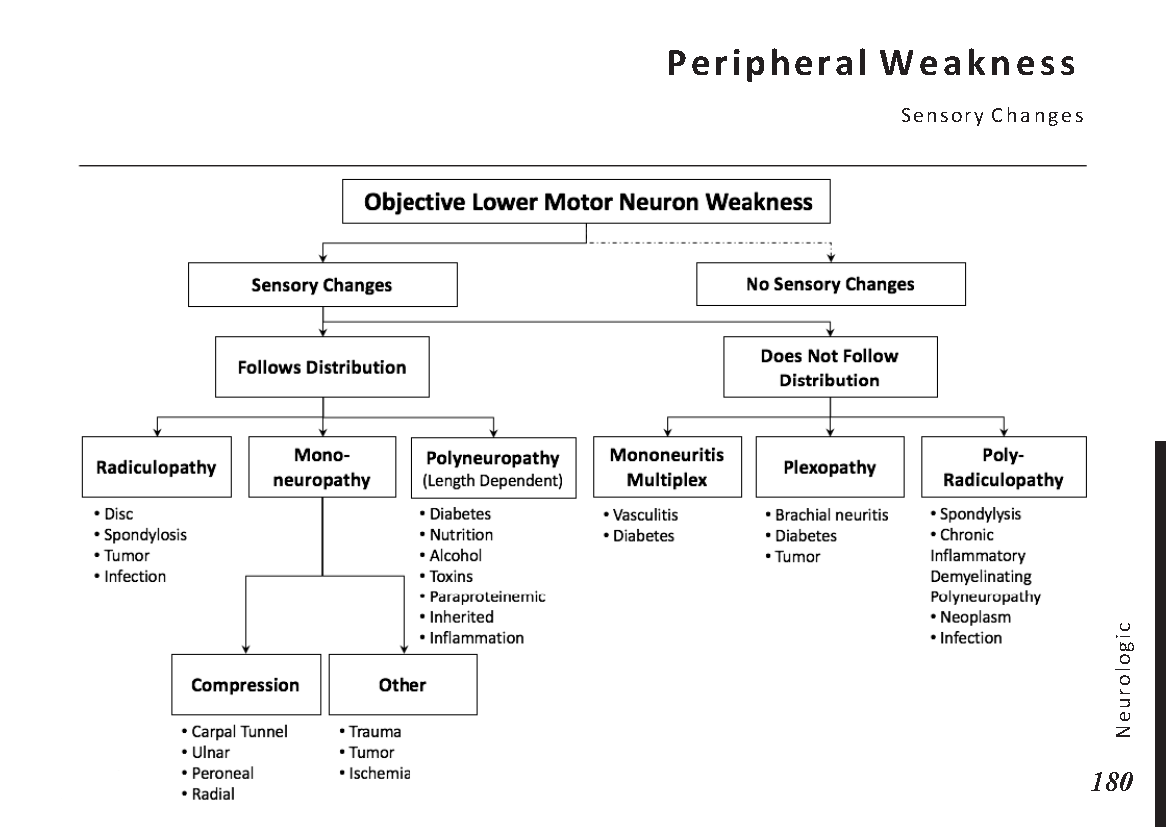
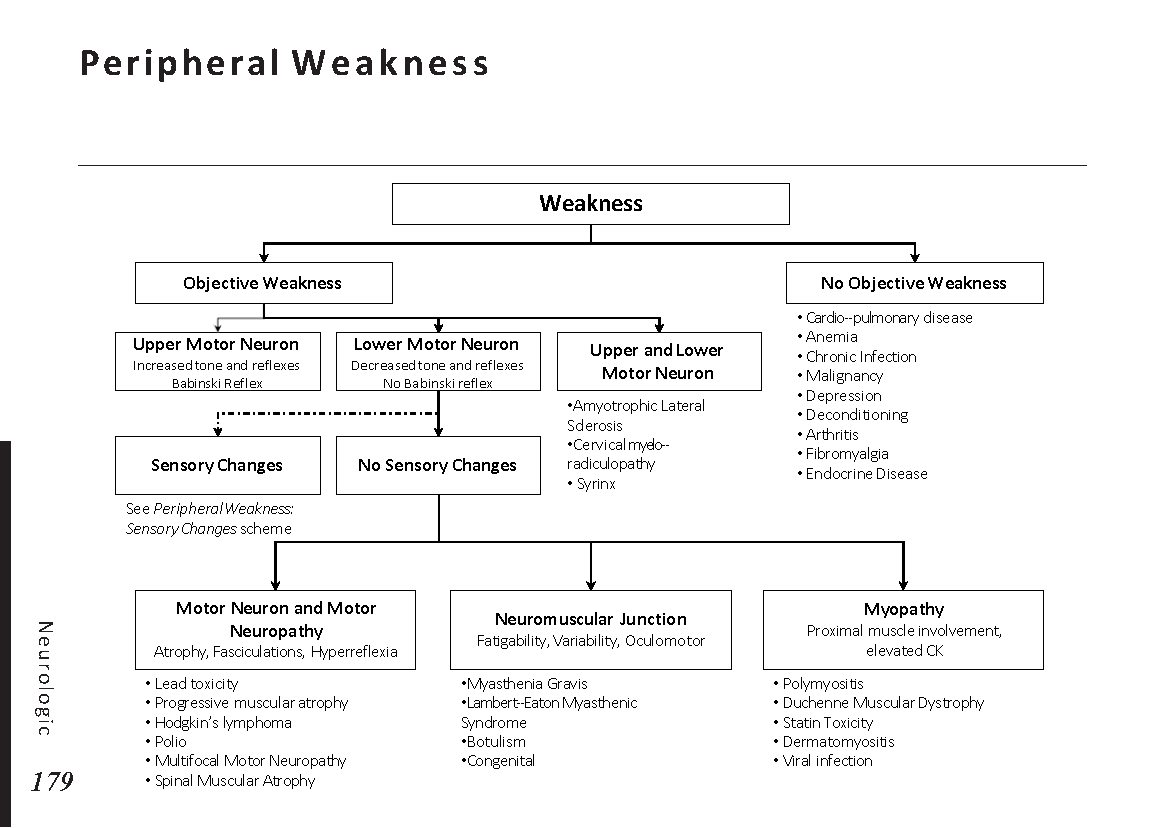
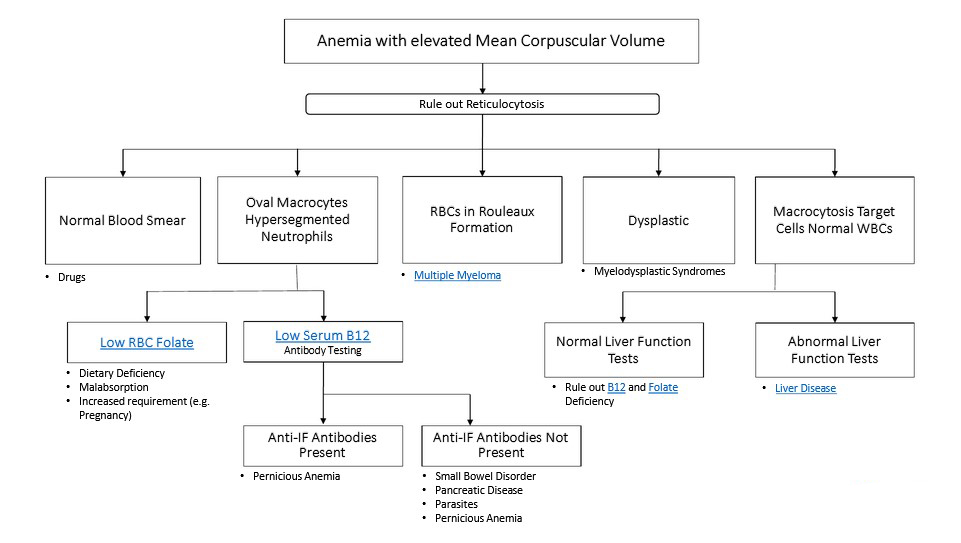
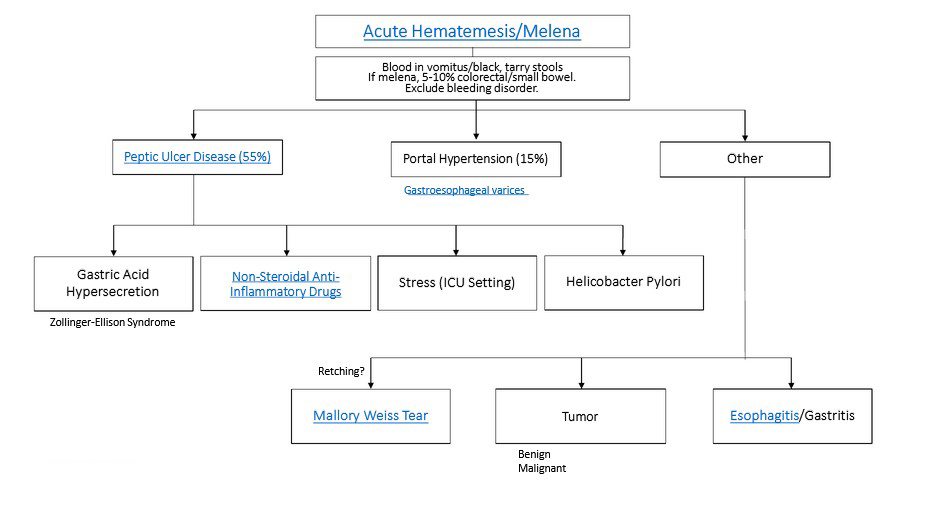
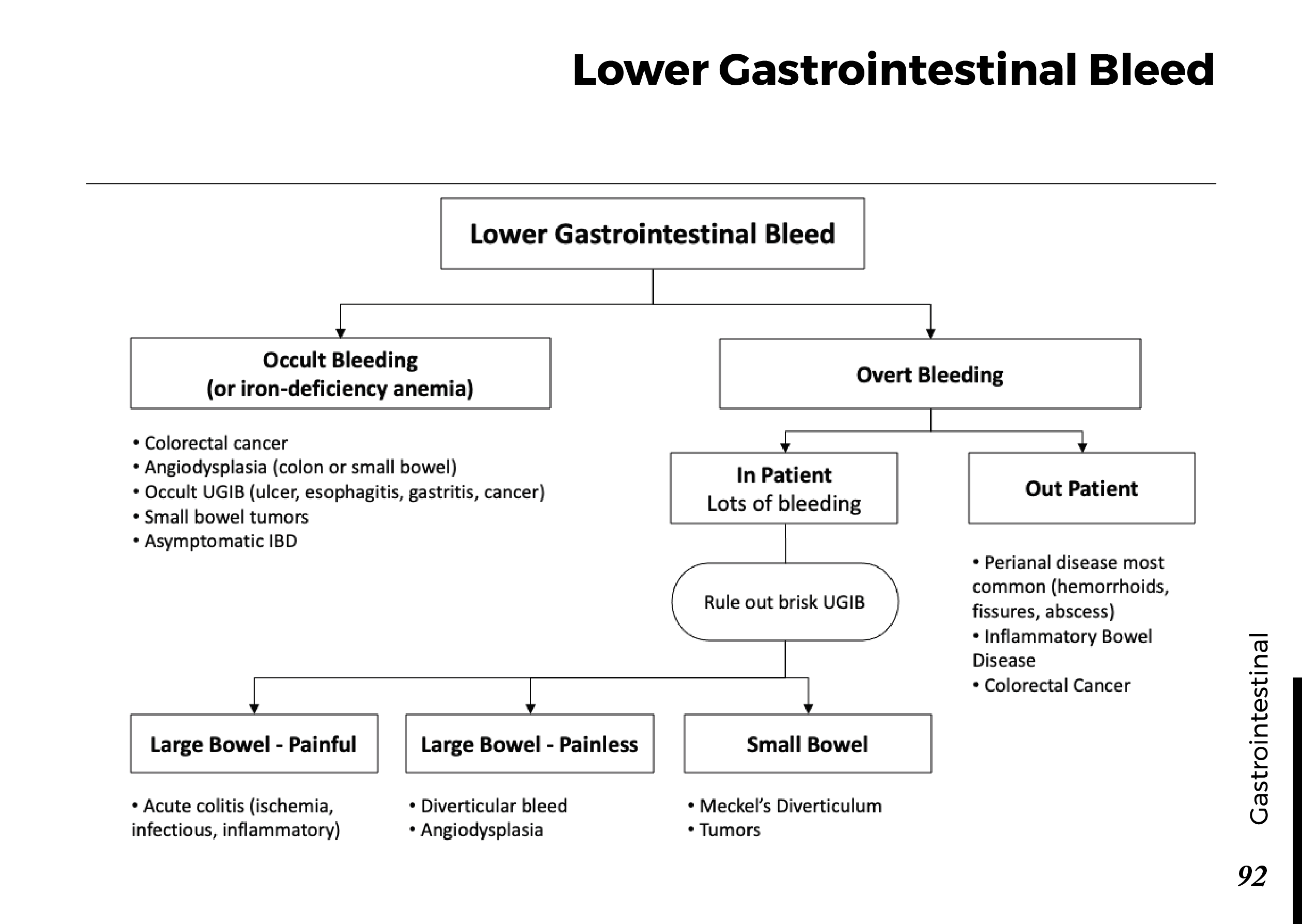
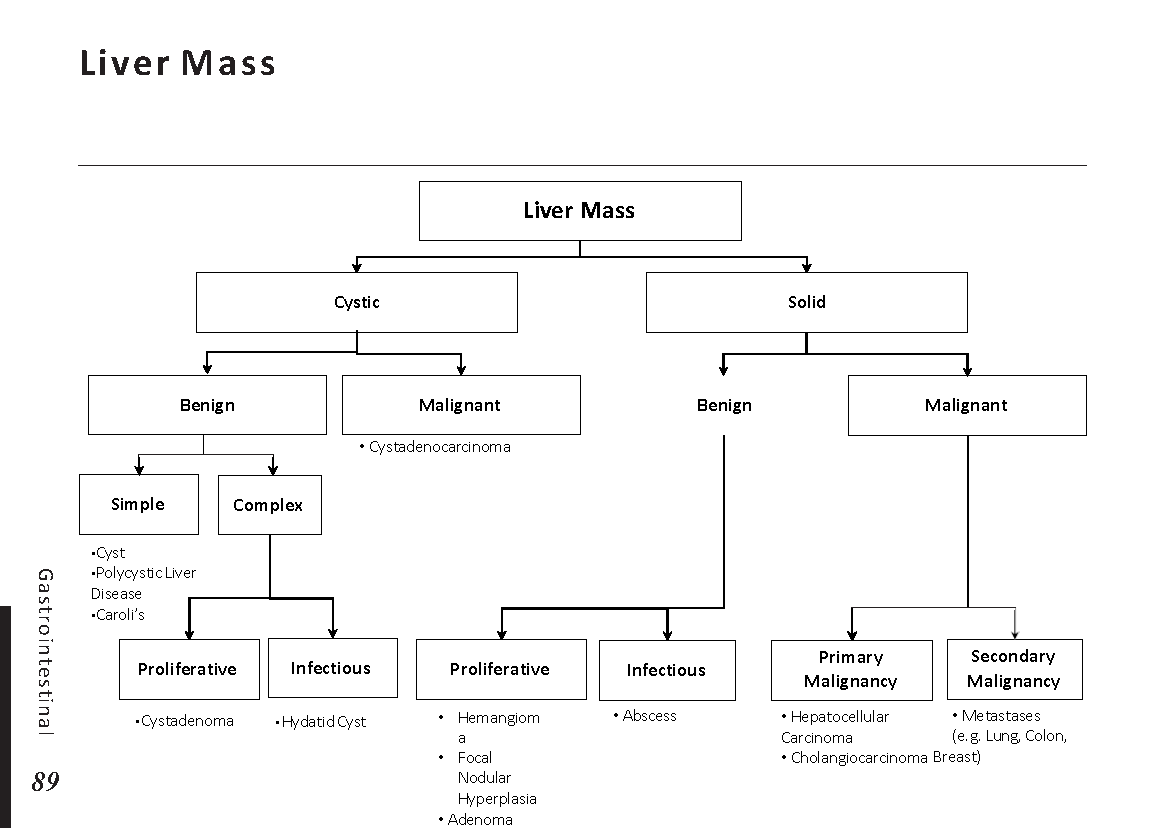
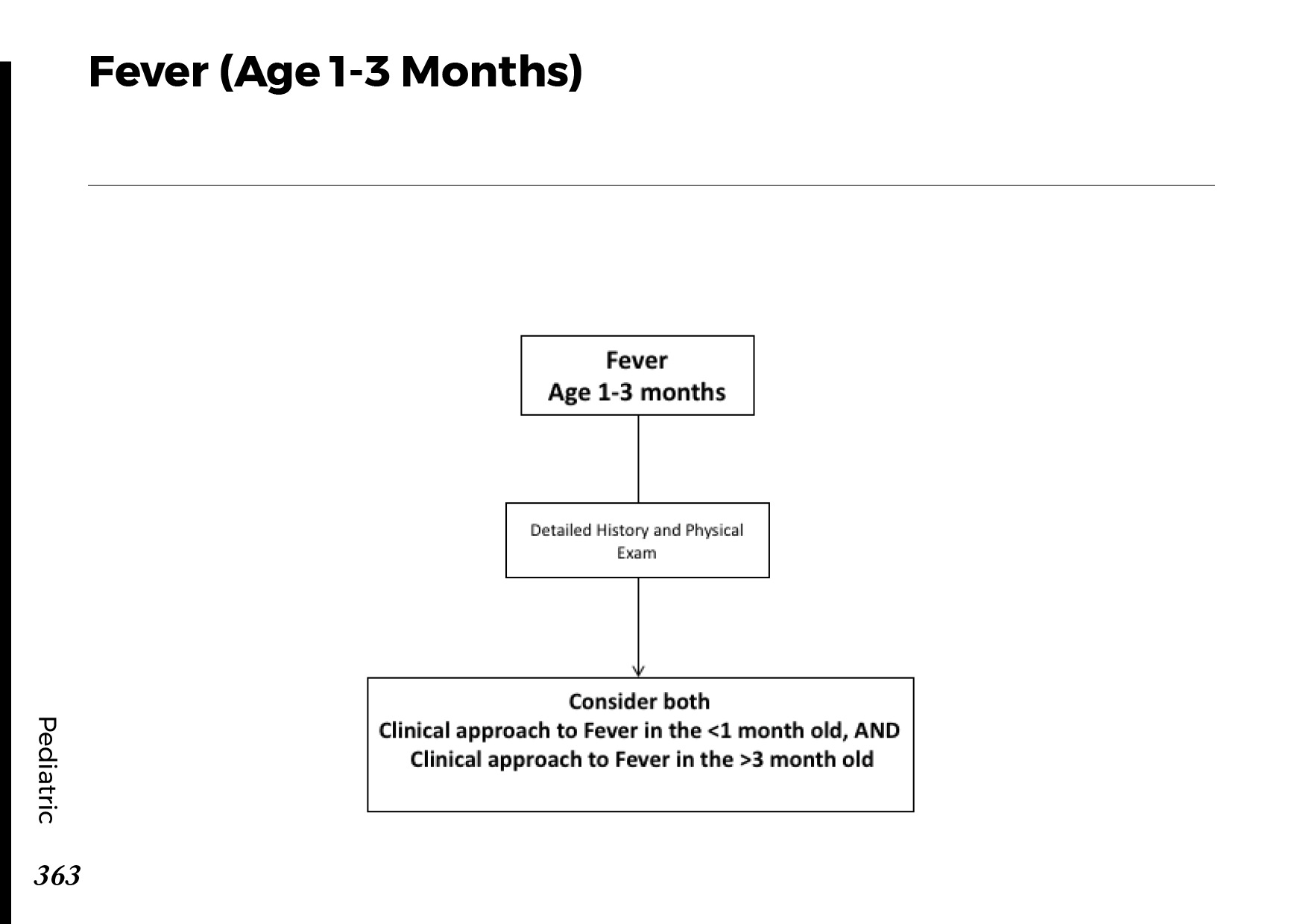
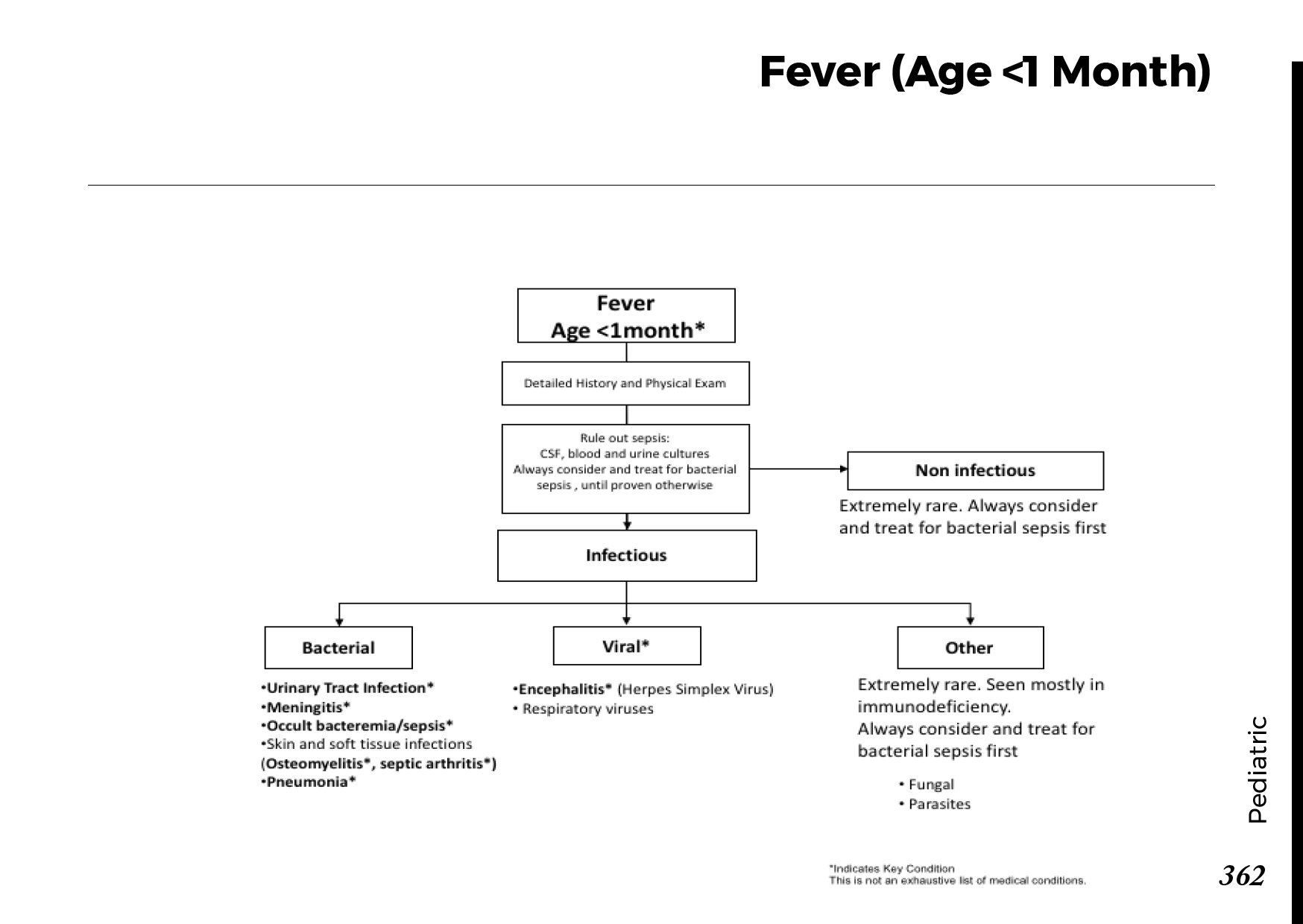
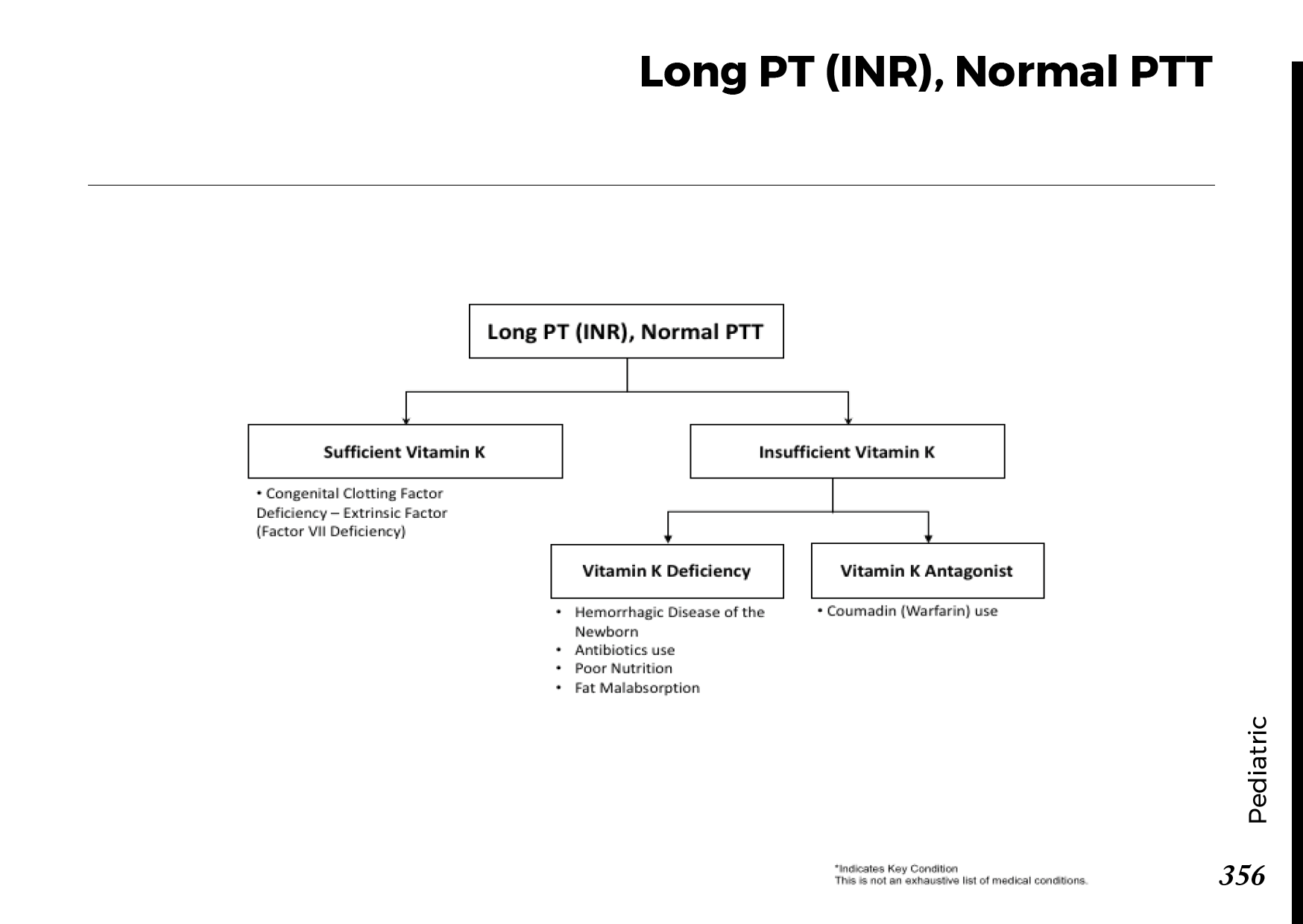
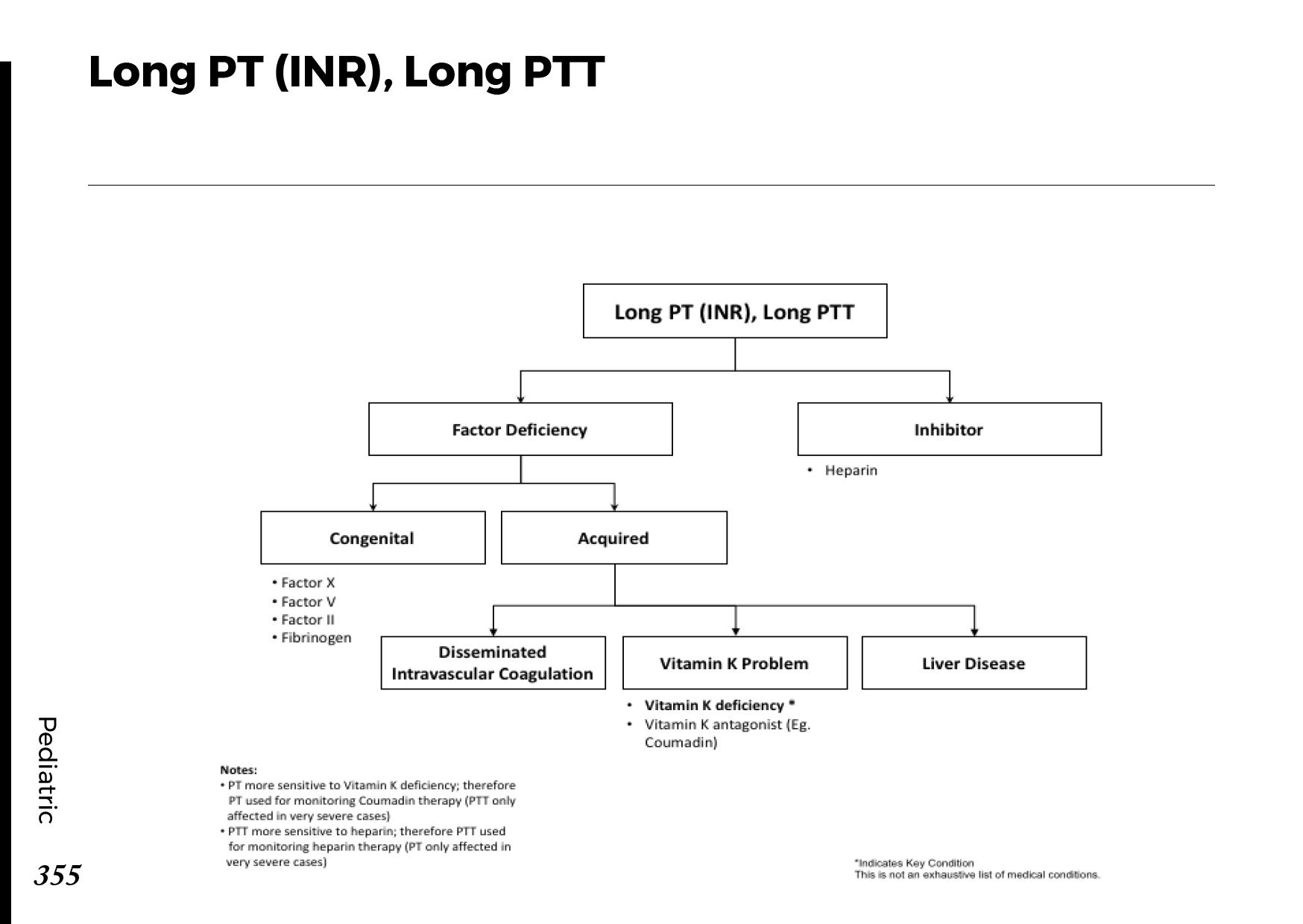
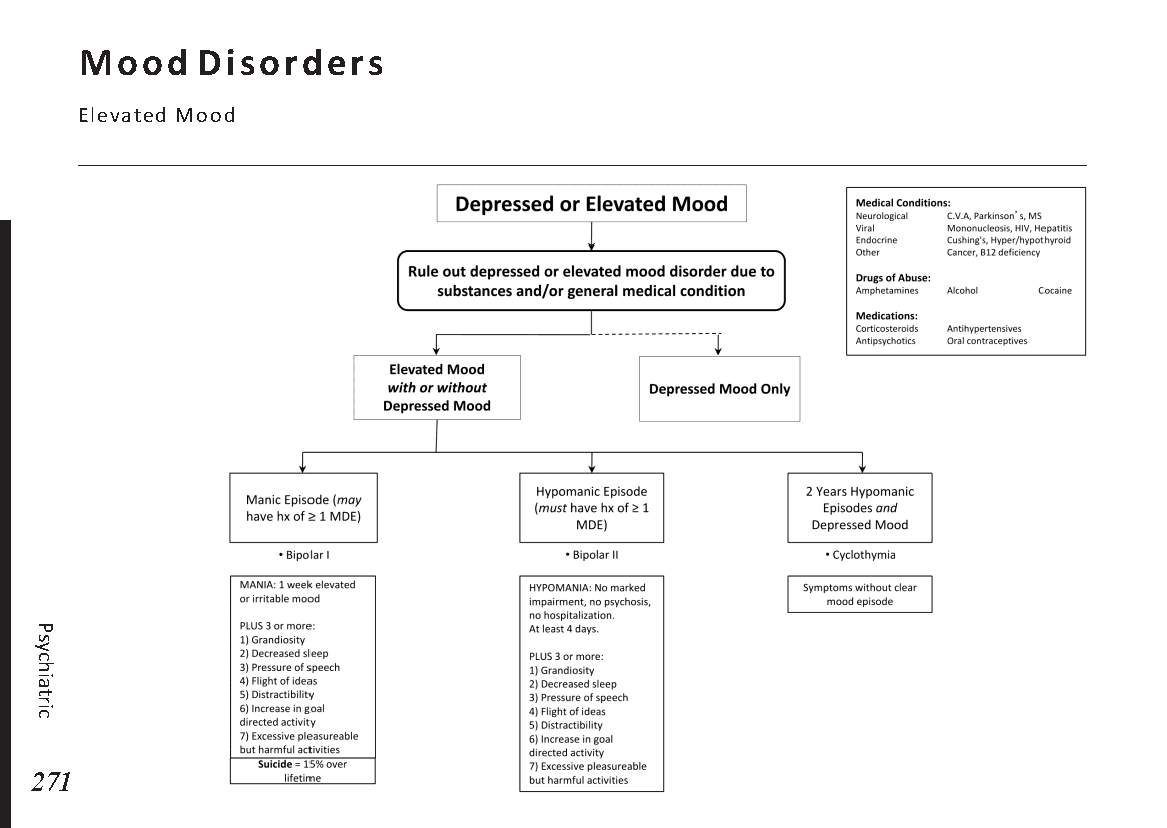
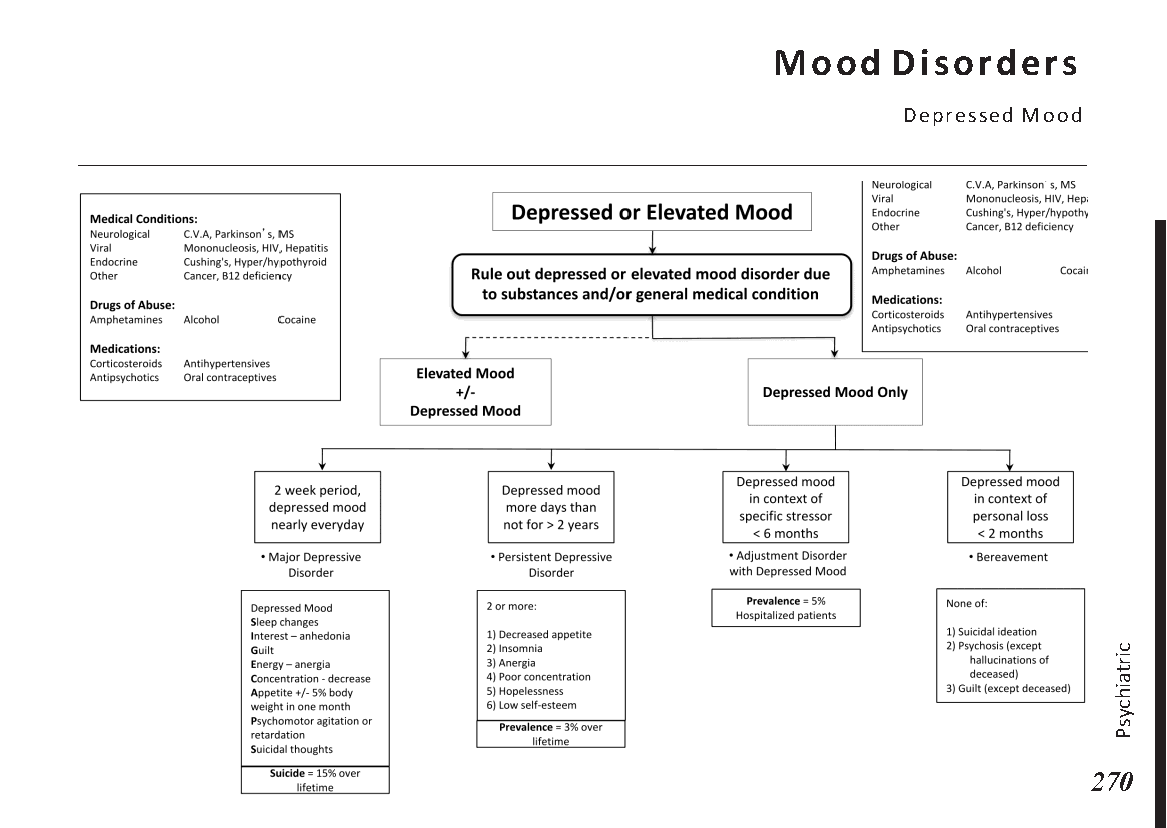
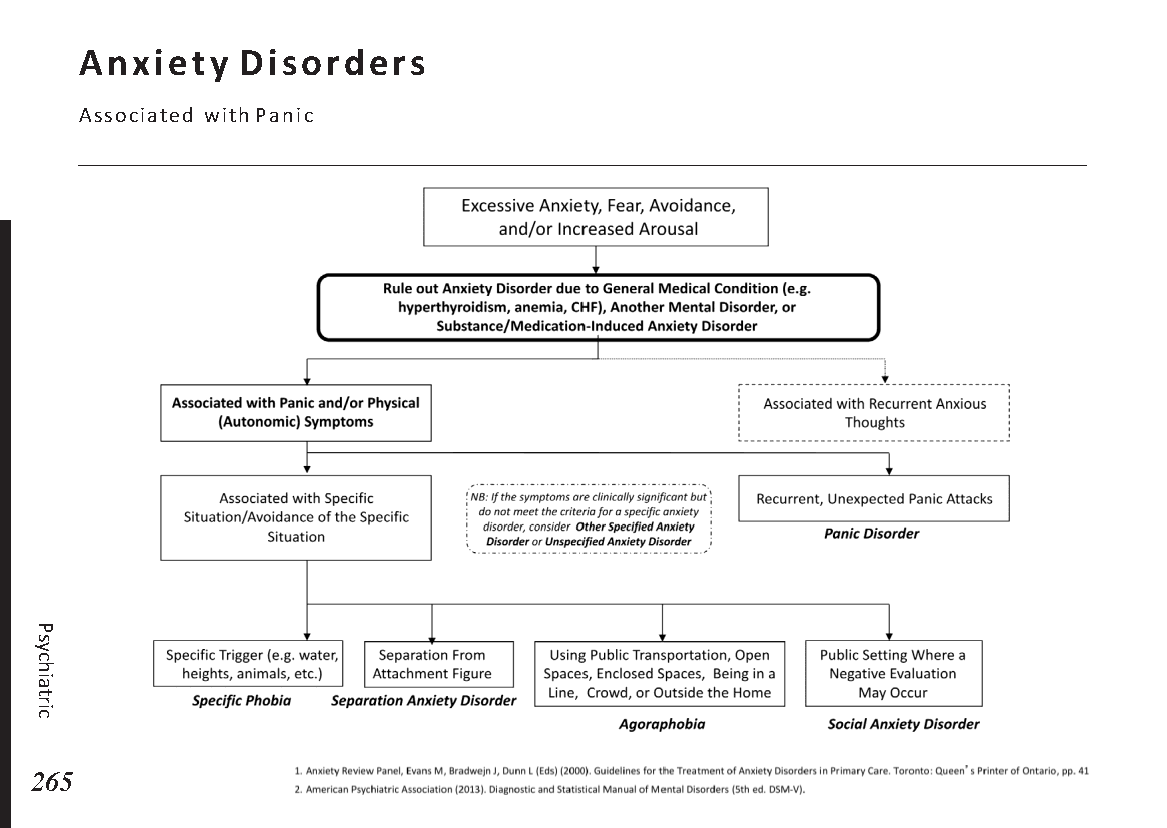
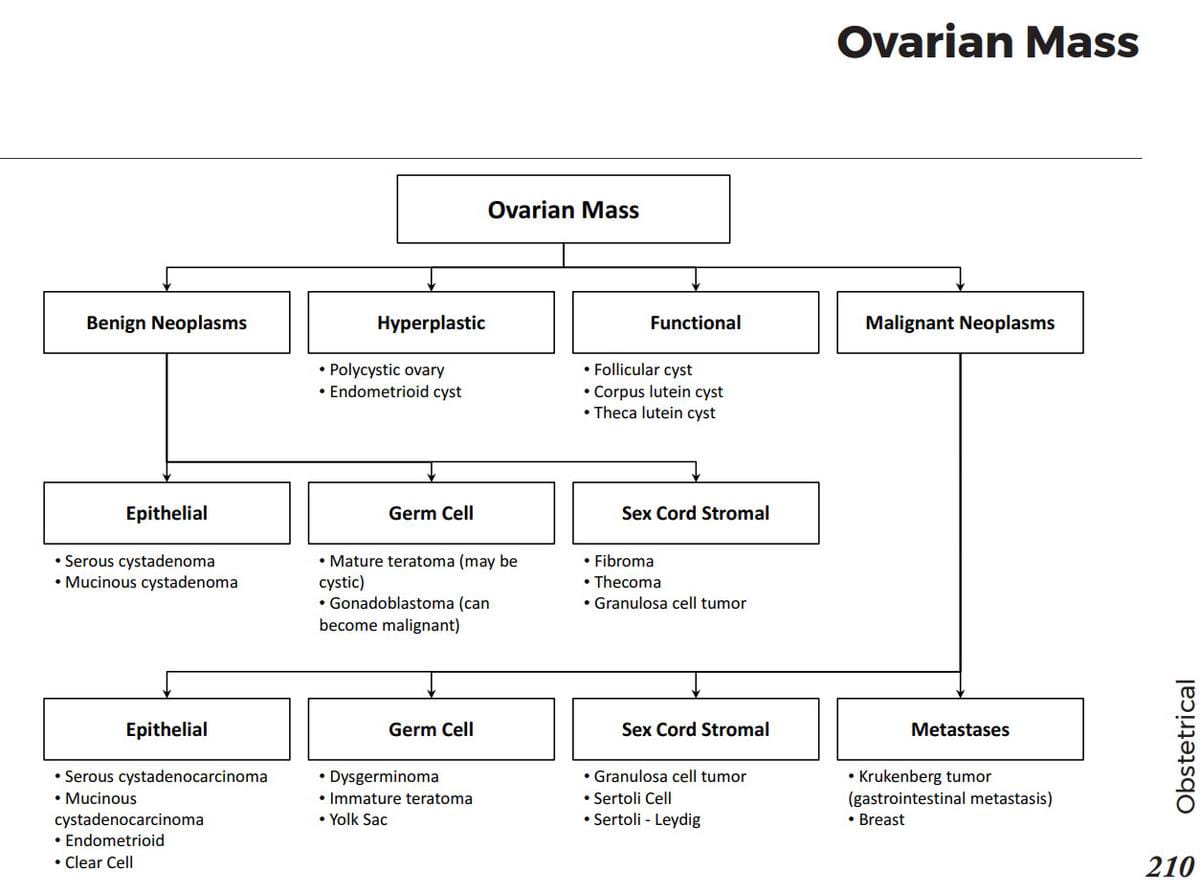
If you want to master the “Why” behind these rhythms, check out our Medical 3-in-1 Cheatcode Flashcards Bundle. It includes:
High-Yield Tables: Perfect for rapid review before exams.
Real Clinical Stories: Helping you remember the patient behind the paper.
Trusted by 10,000+ Students: The ultimate study companion.
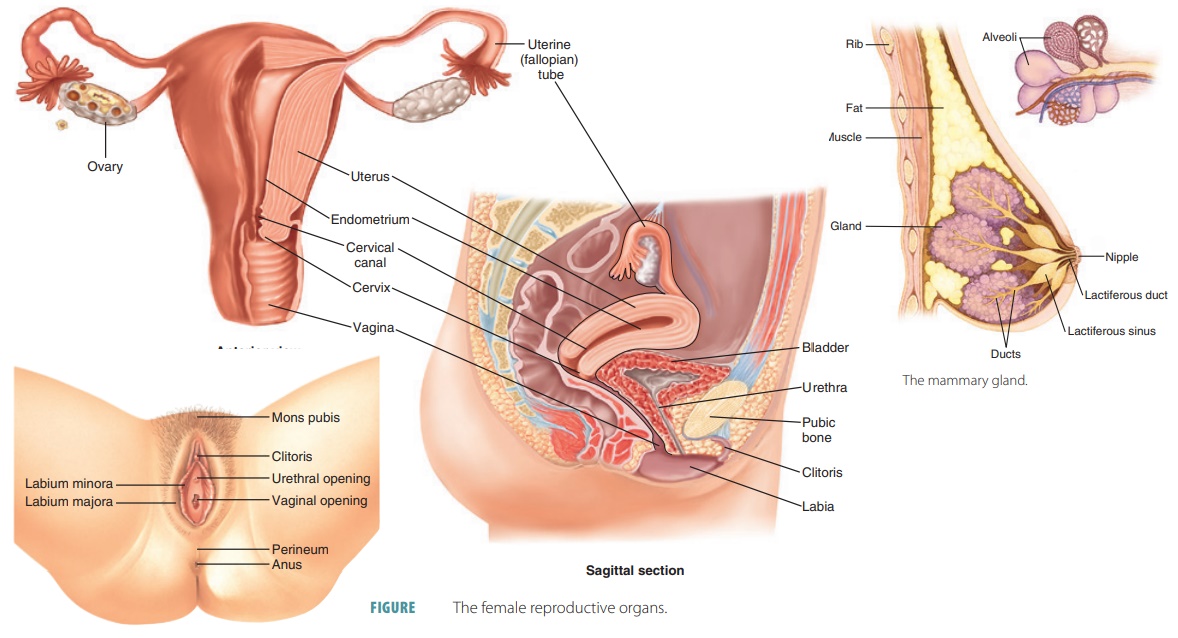
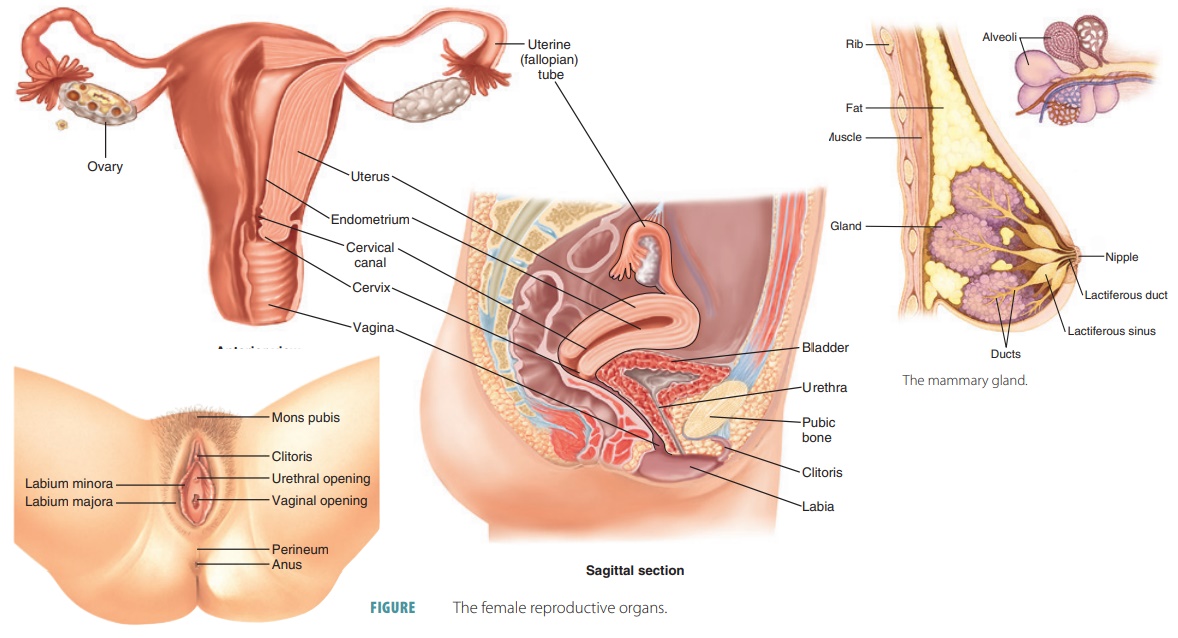
Female reproductive anatomy:
Menstrual cycle physiology:

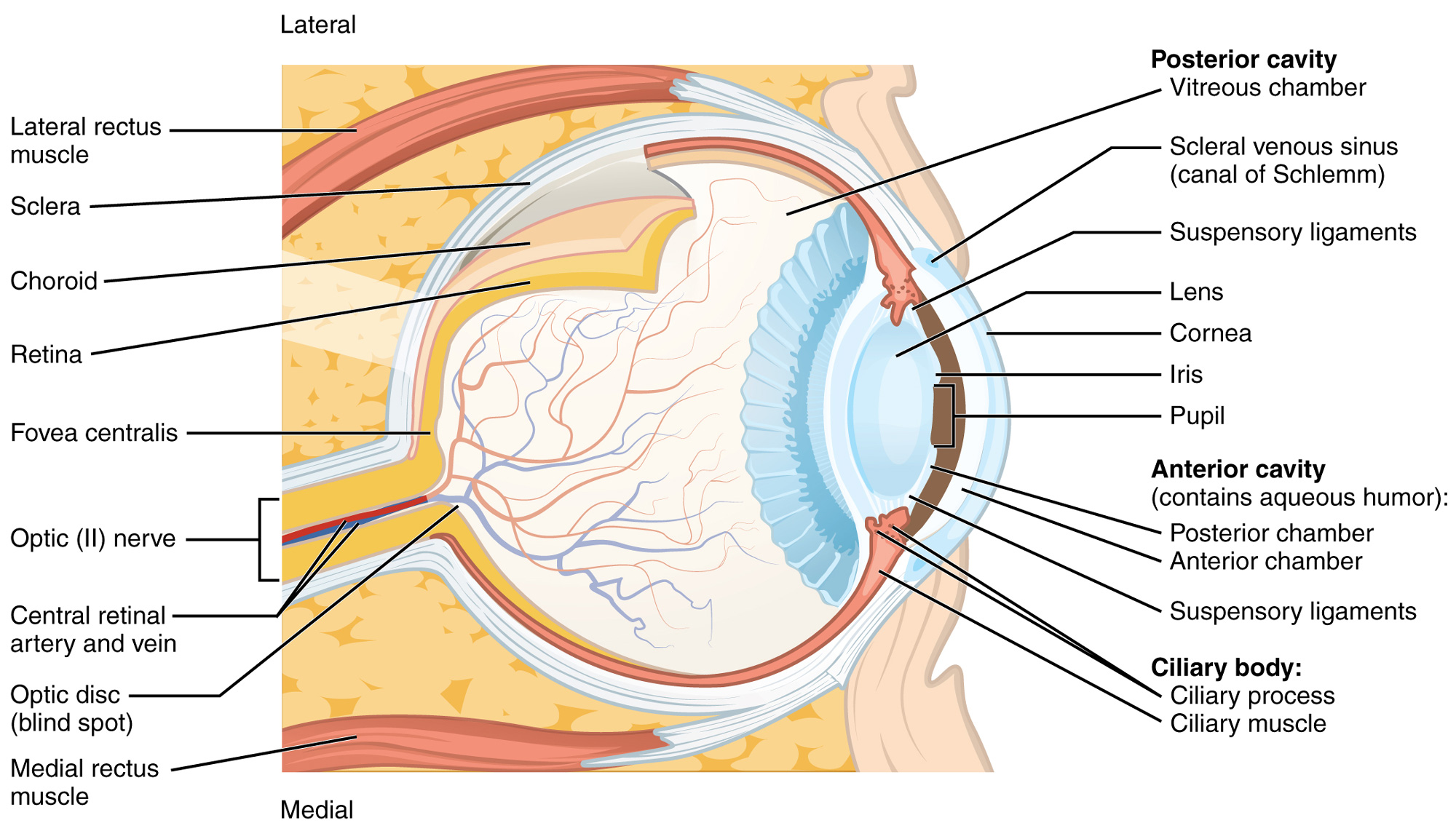
Eye anatomy:
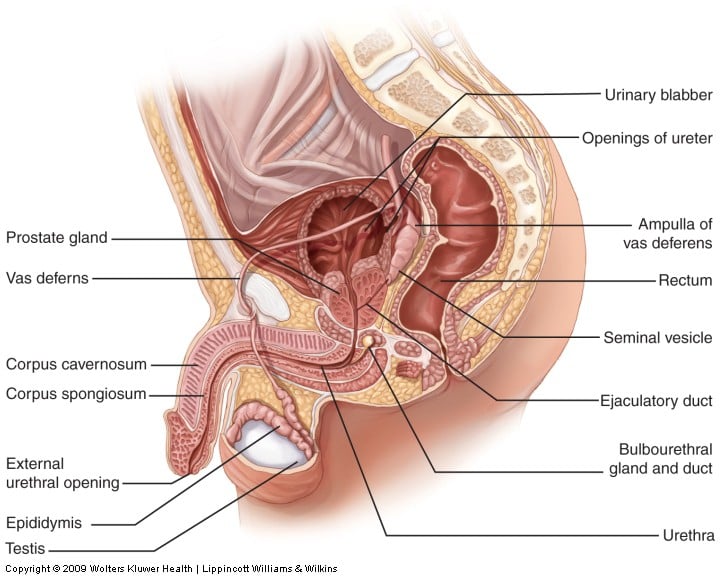
Male reproductive system anatomy:
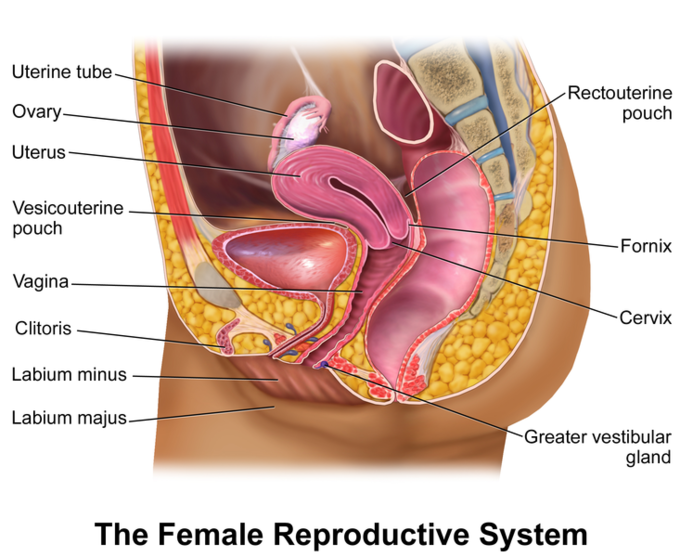
Female reproductive system anatomy:
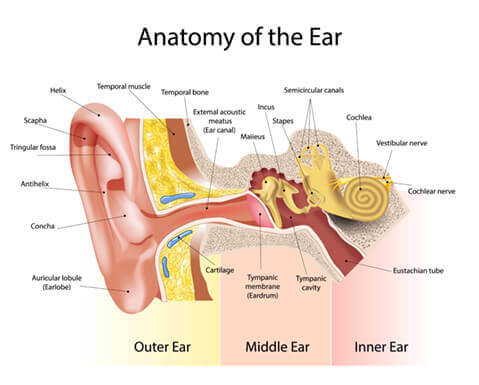
Ear anatomy:
Sinuses anatomy:

Common skin lesions:

Common skin rashes:

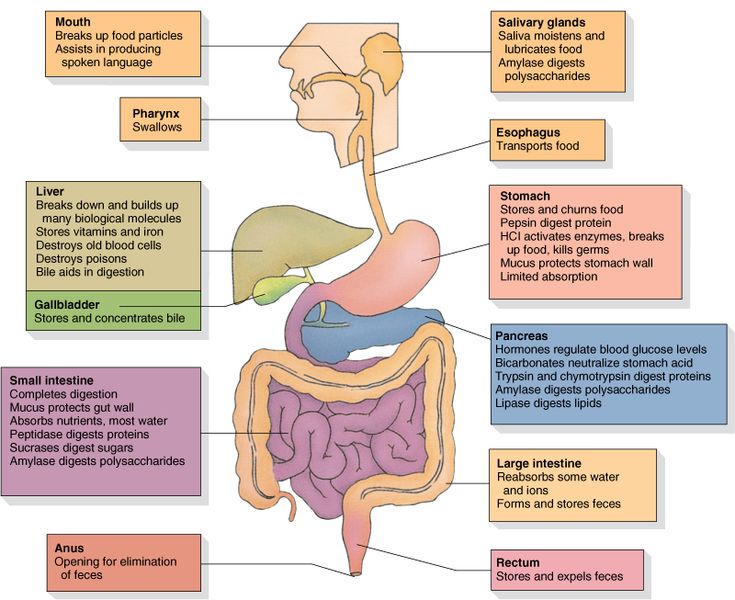
Digestive process and key enzymes:
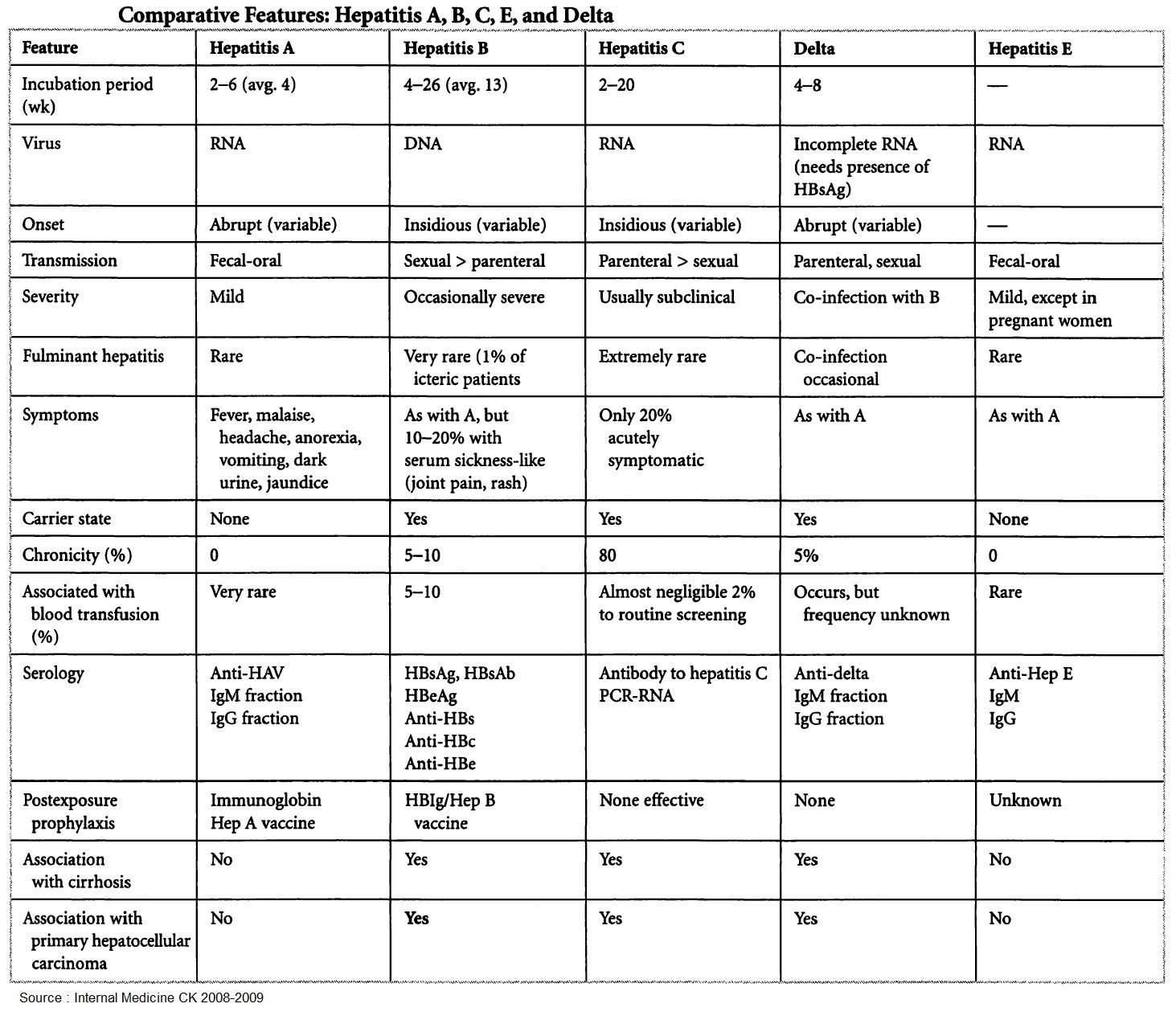
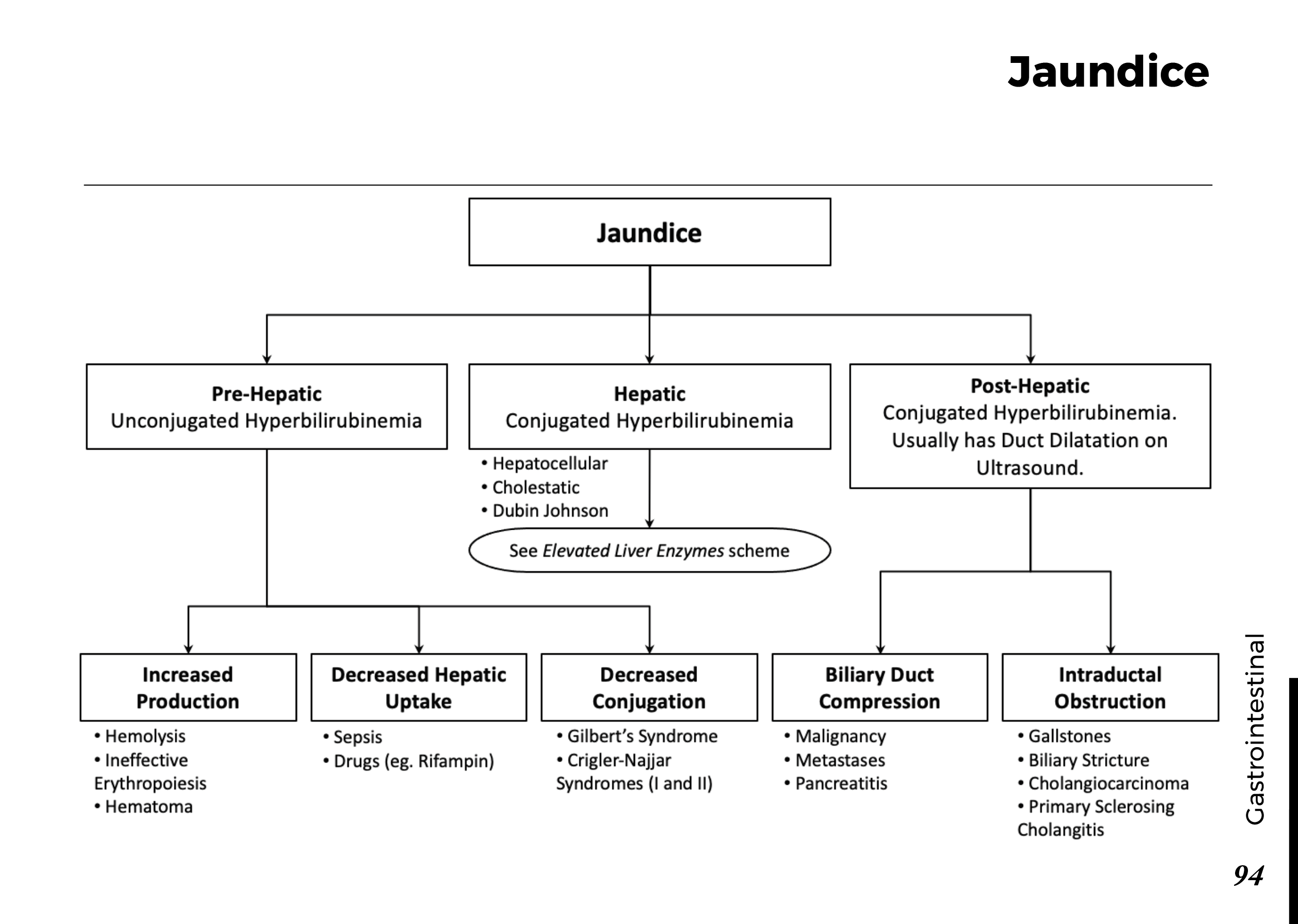
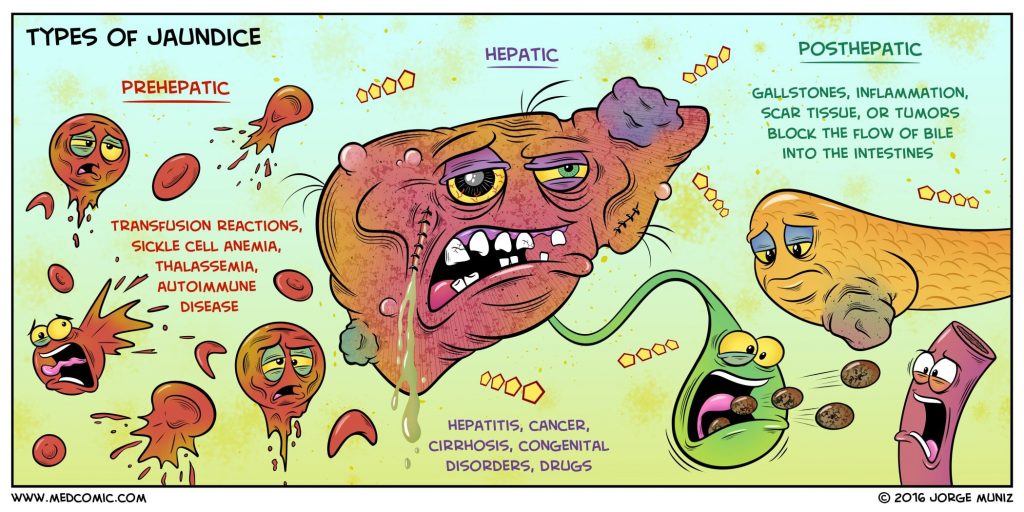
Types of jaundice:
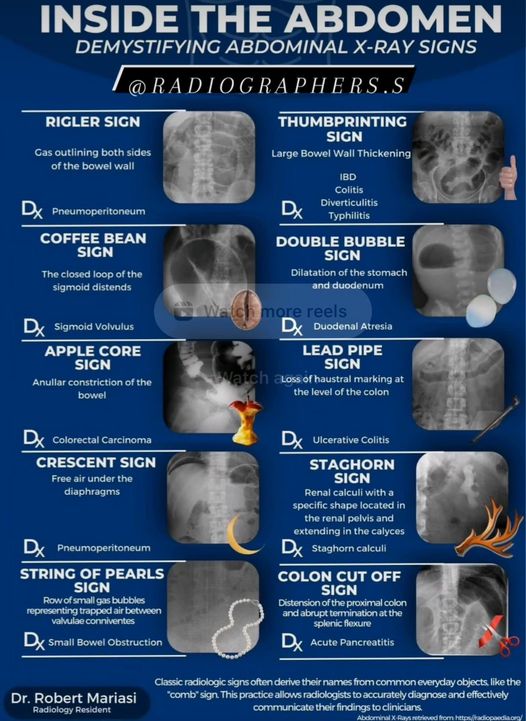
Common abdominal X-ray findings:
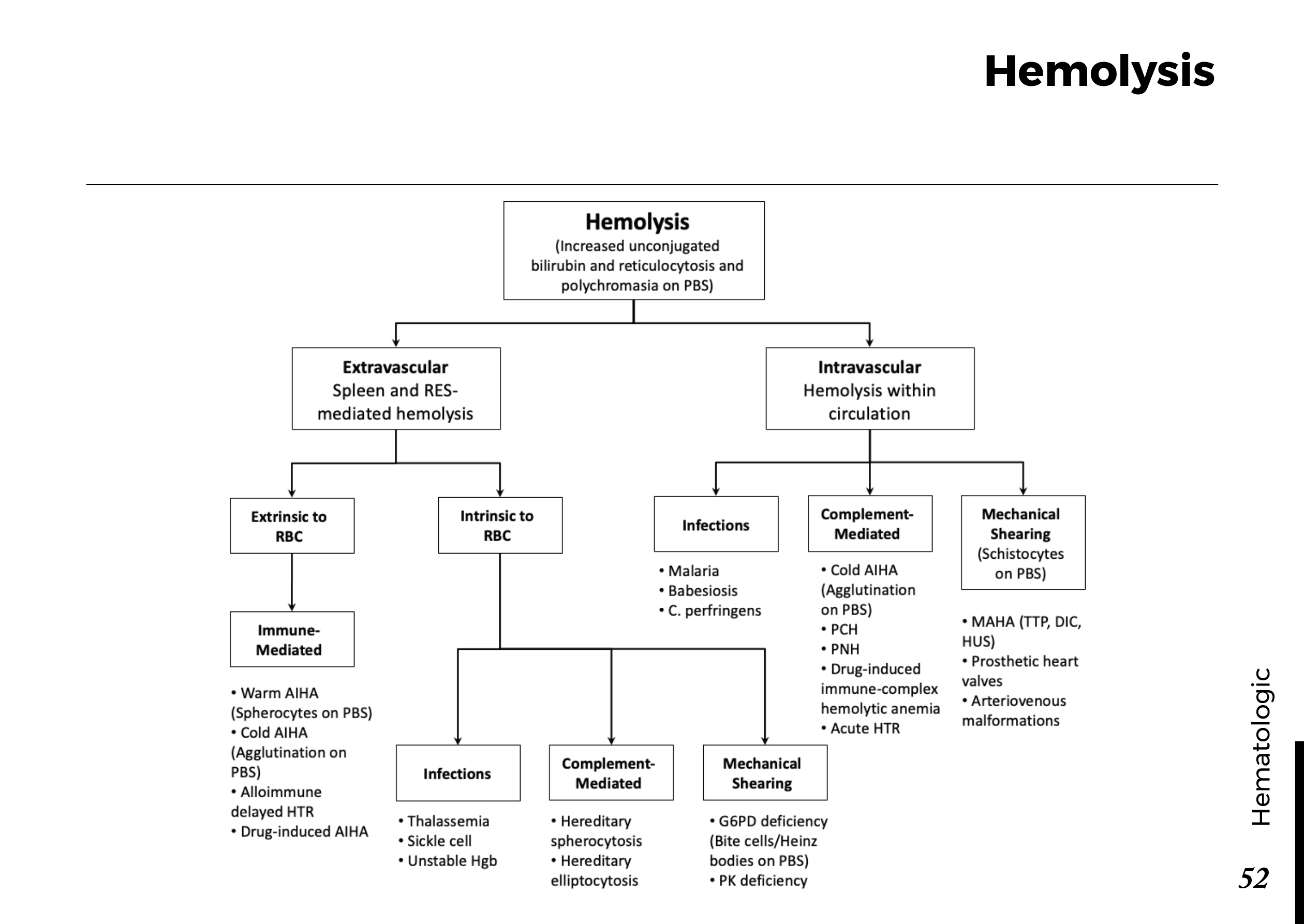
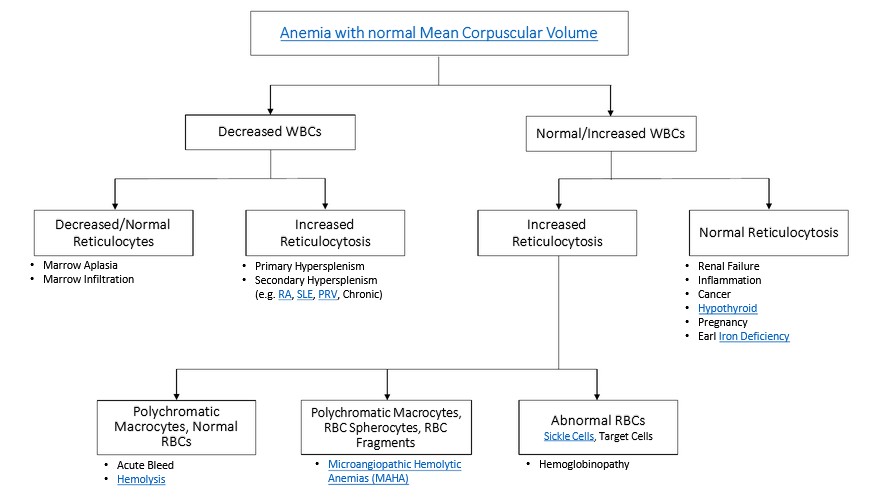
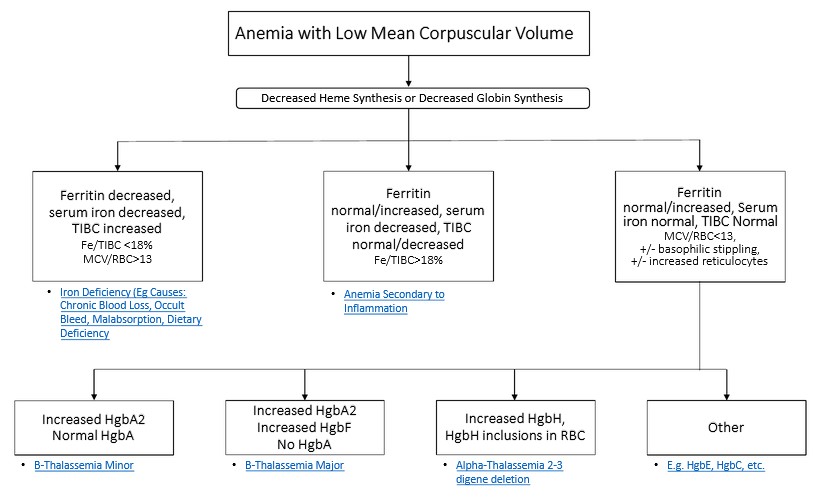
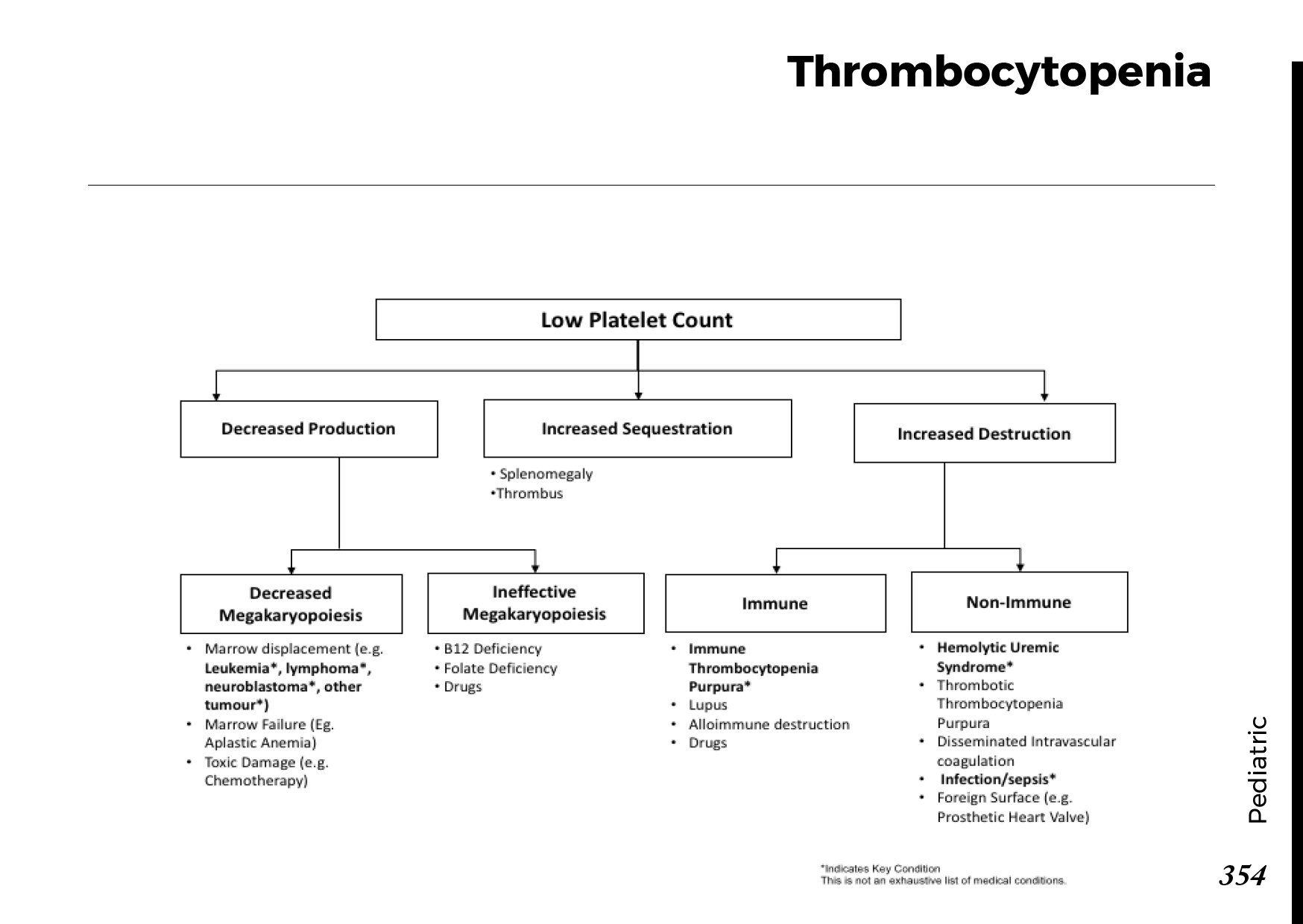
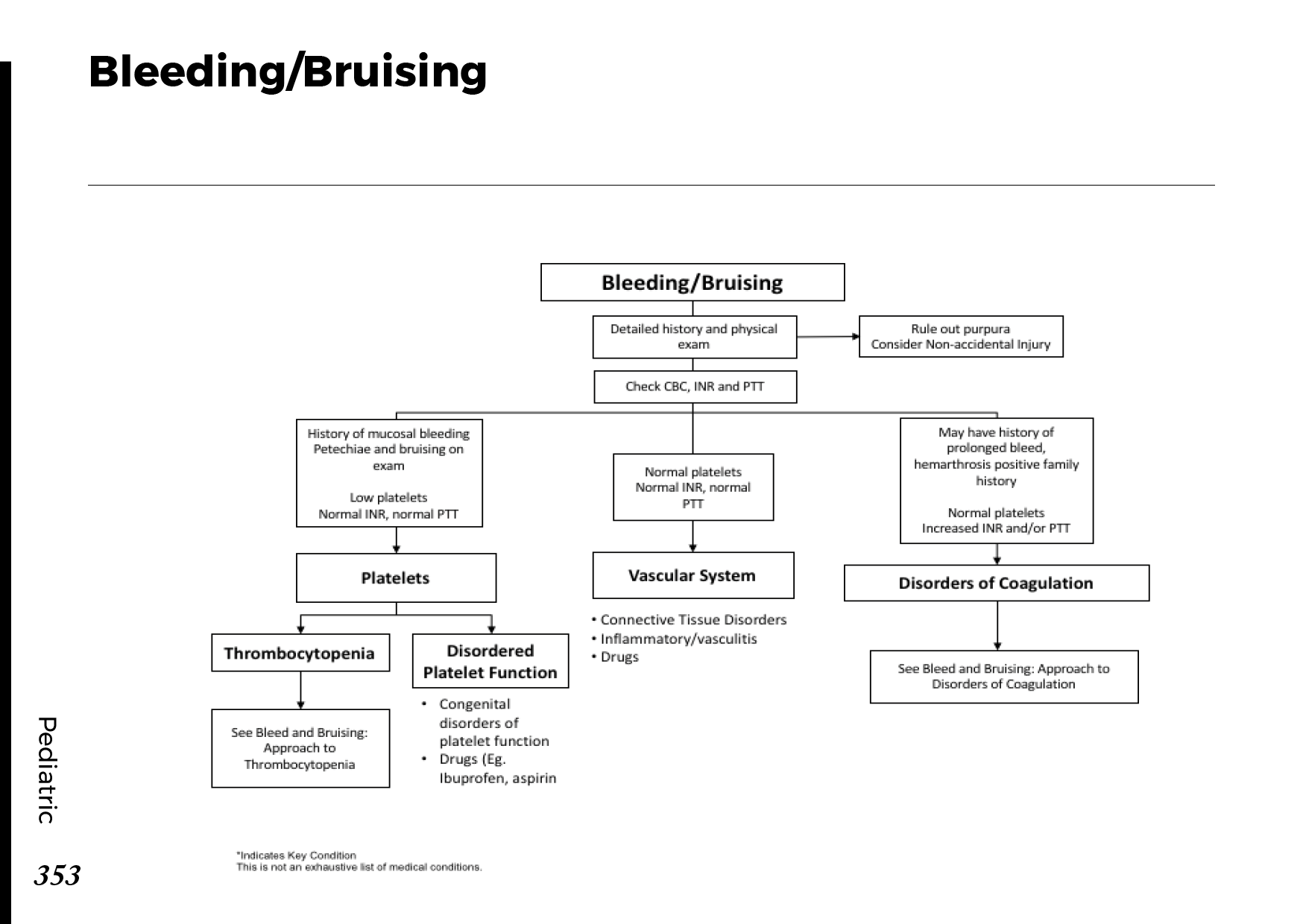
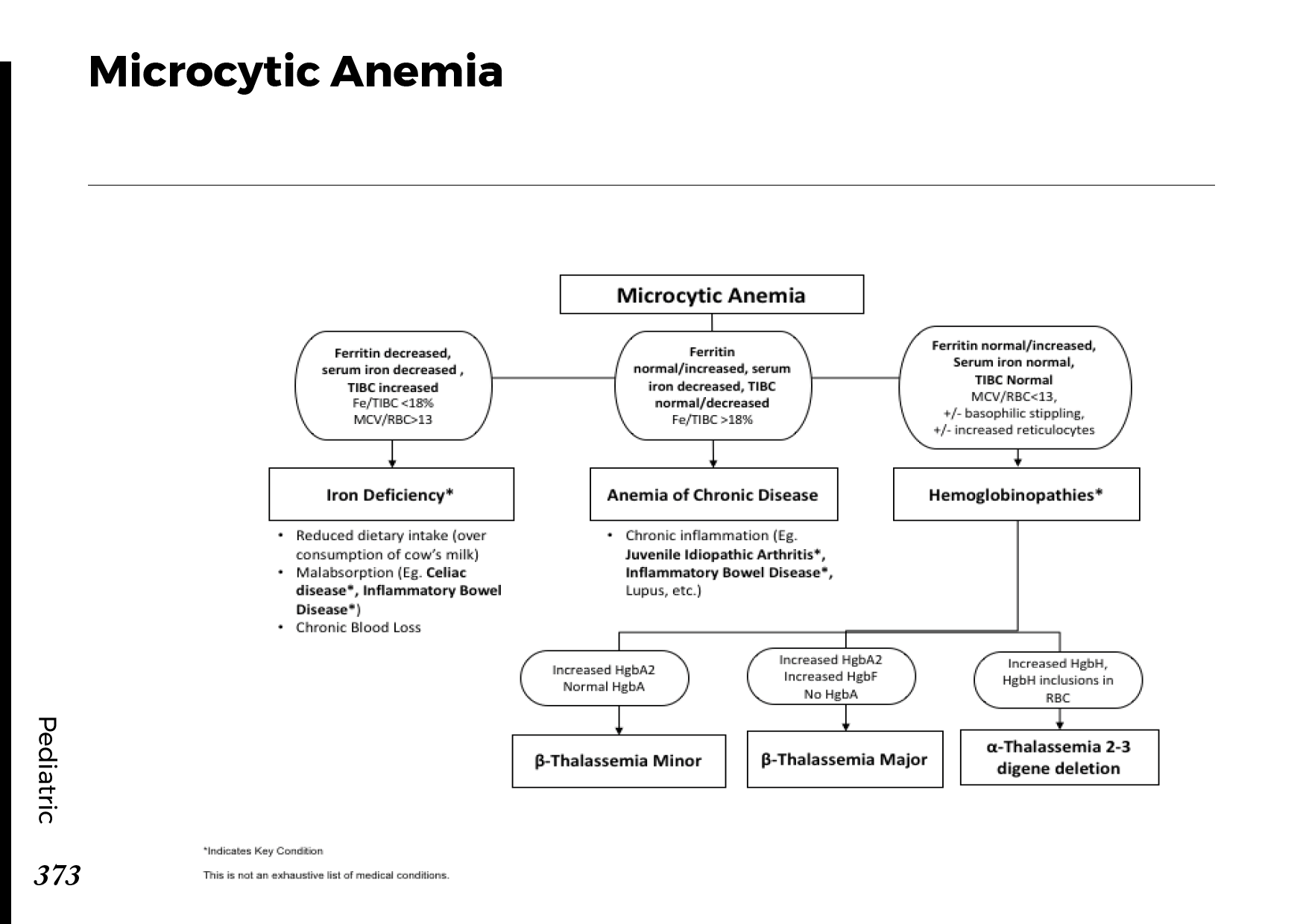
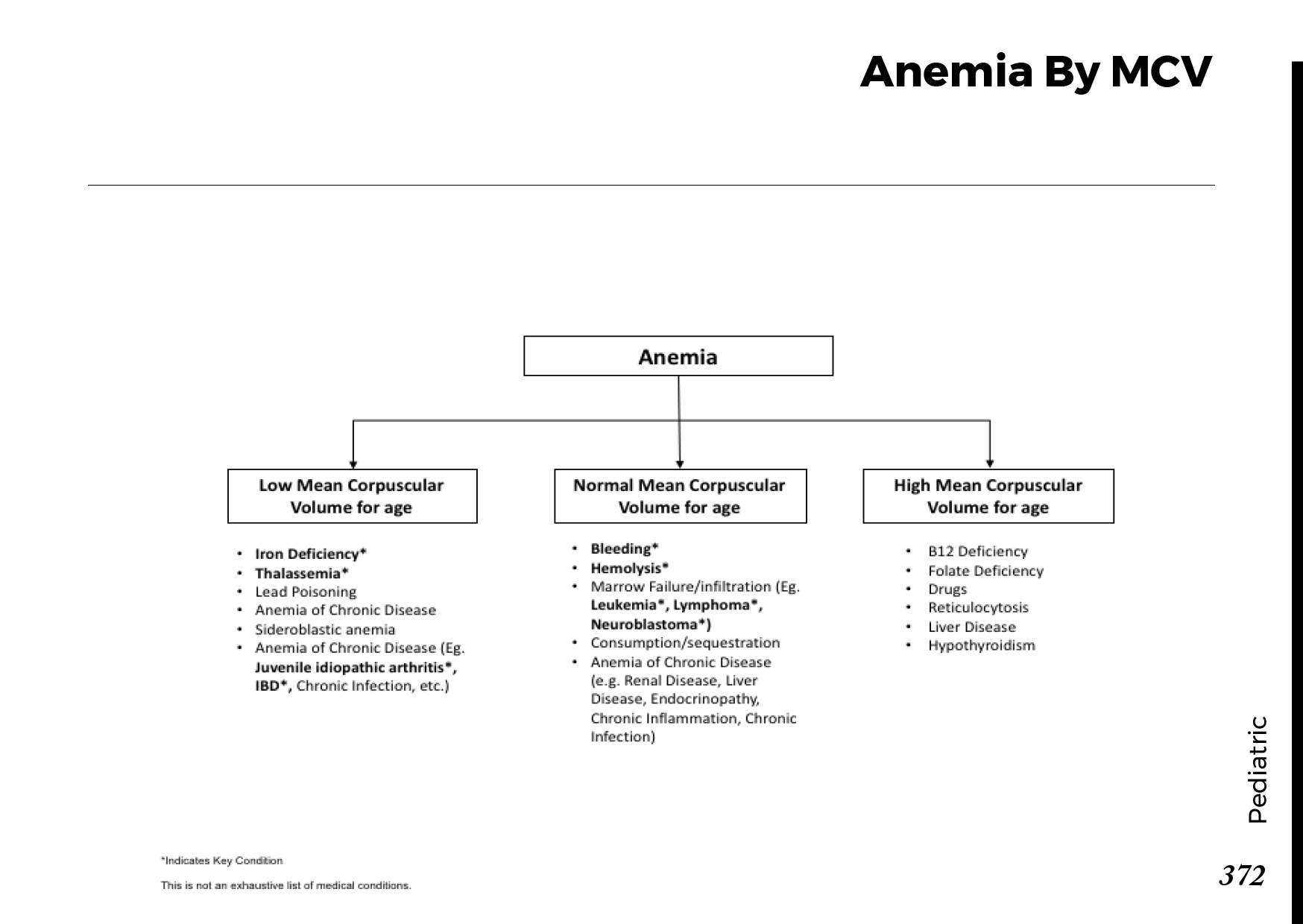
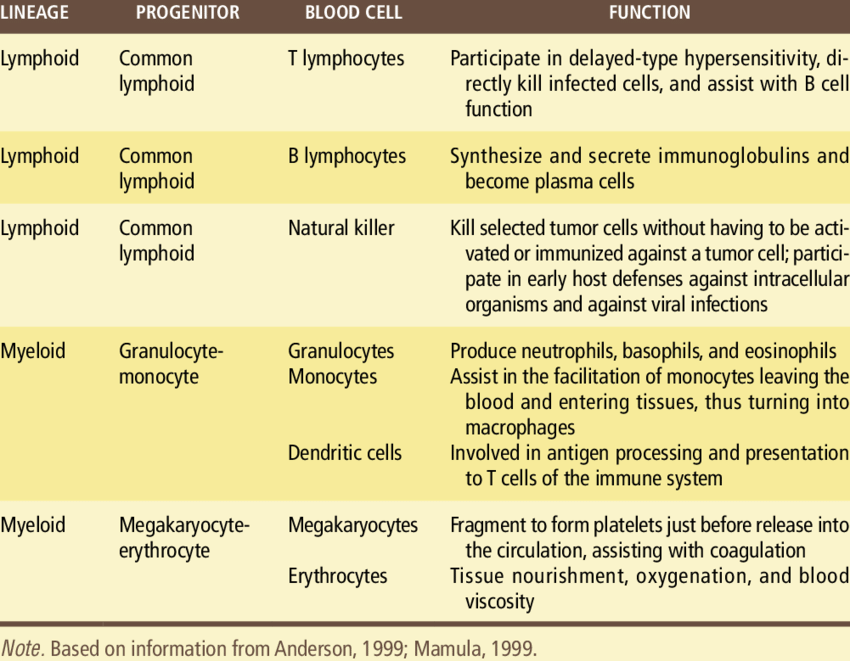
Blood cell types and their functions:
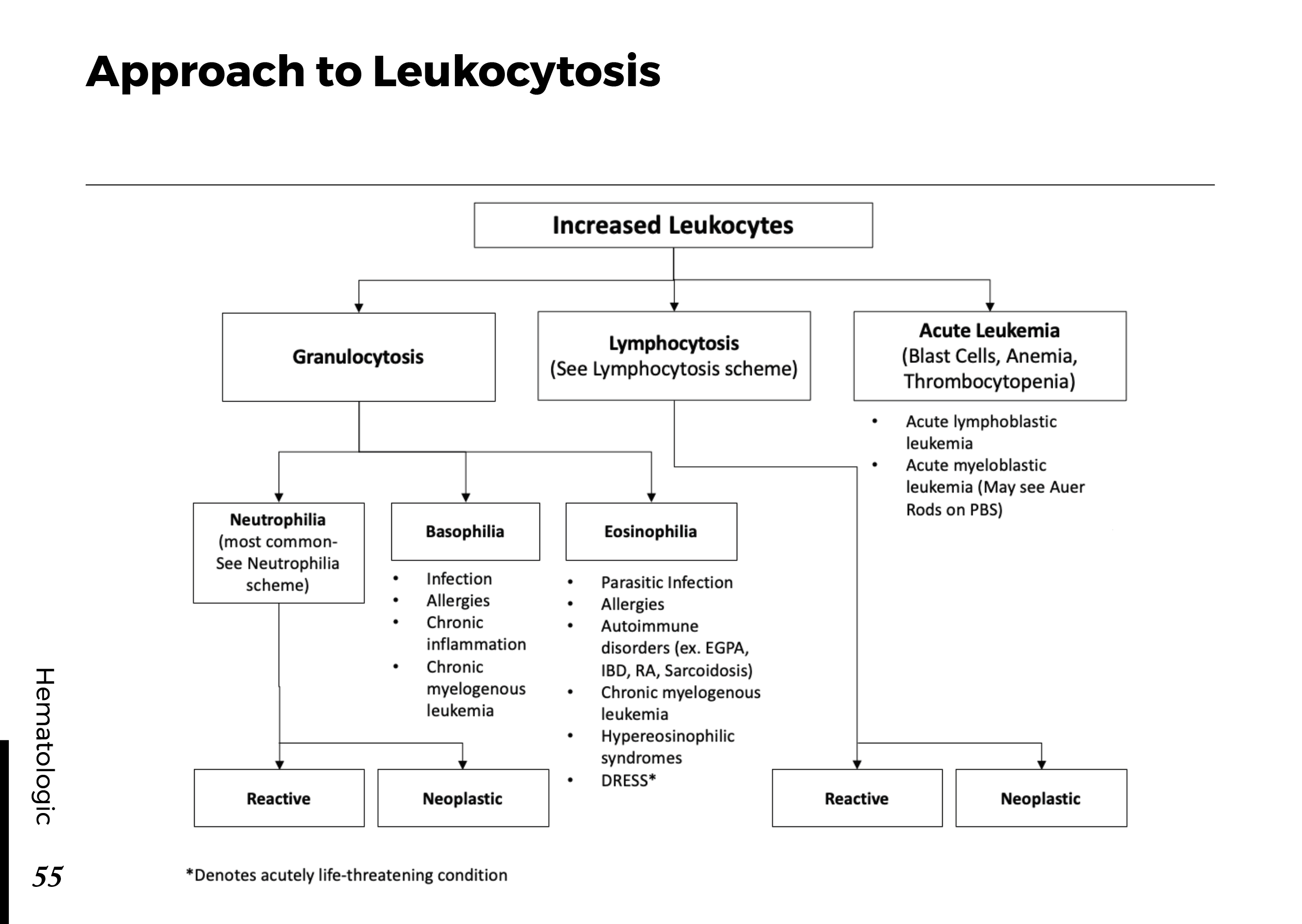
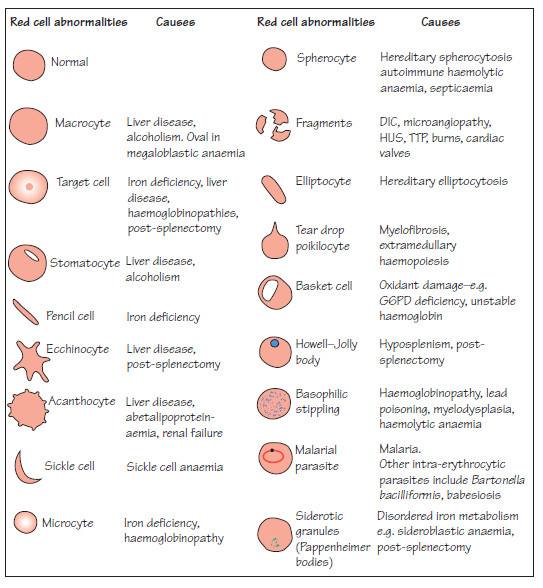
Common blood smear findings:
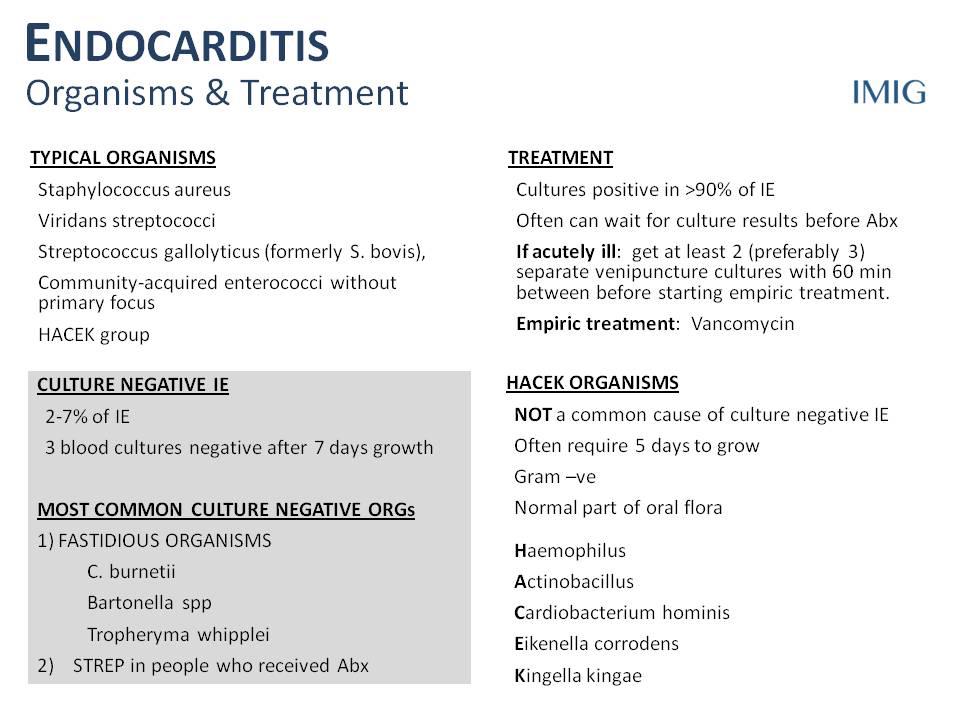
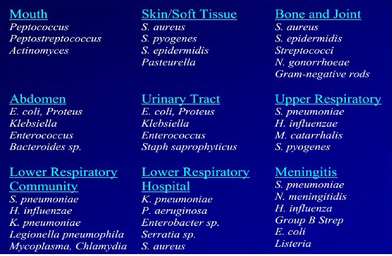
Common bacterial infections:
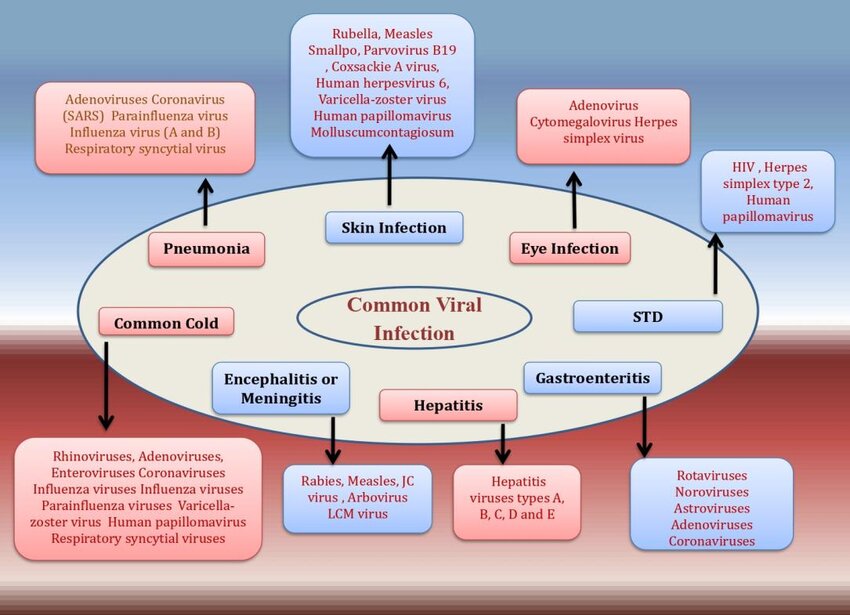
Common viral infections:
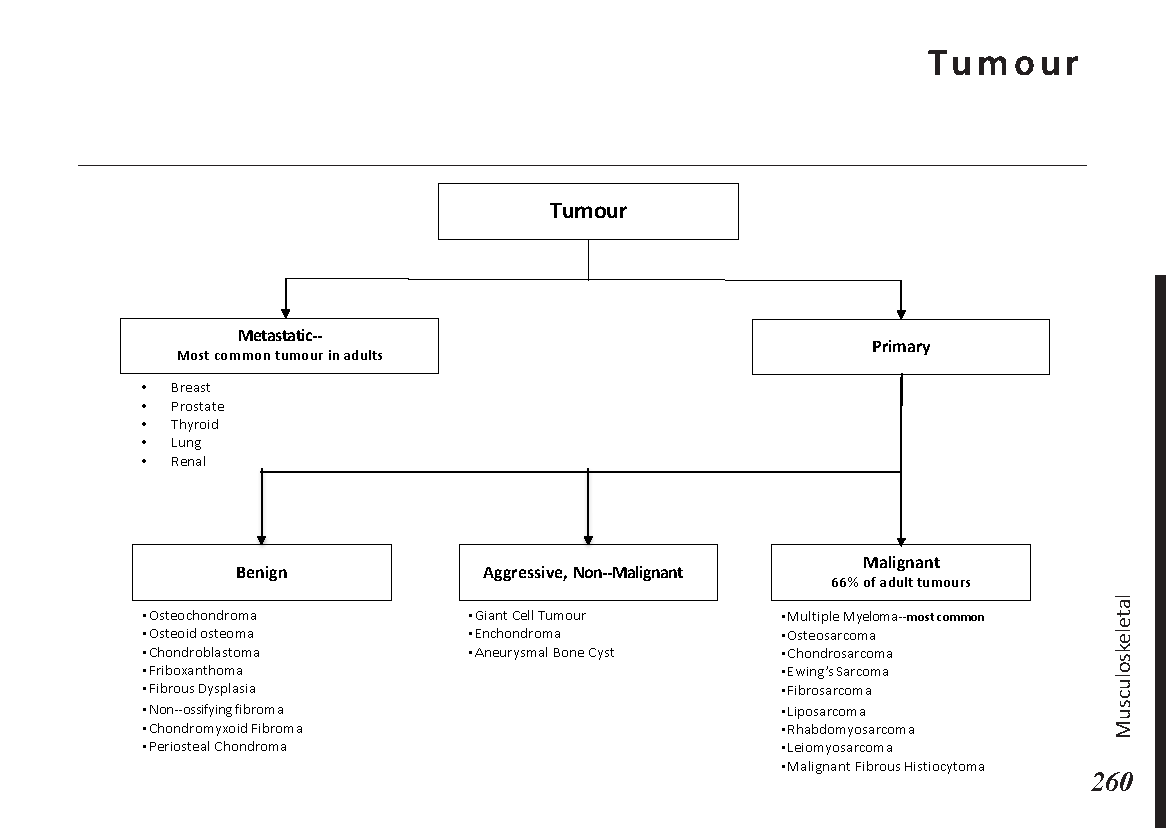
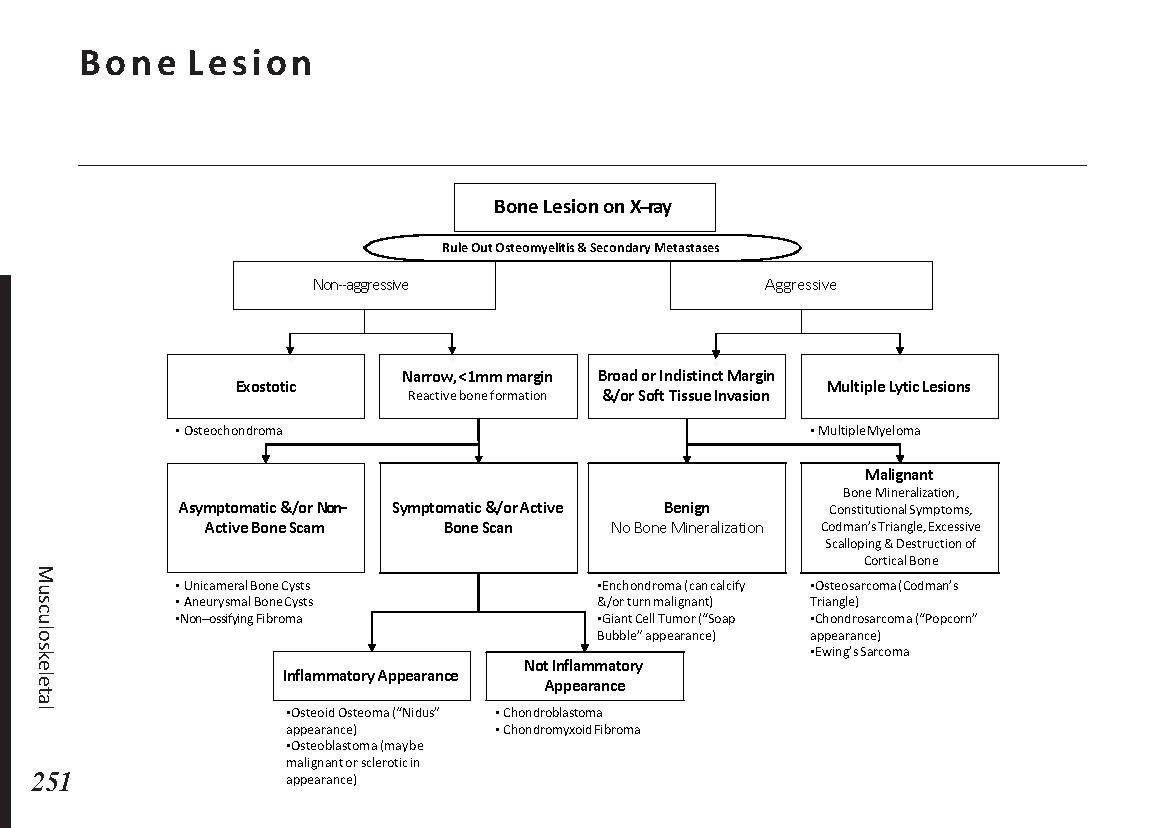
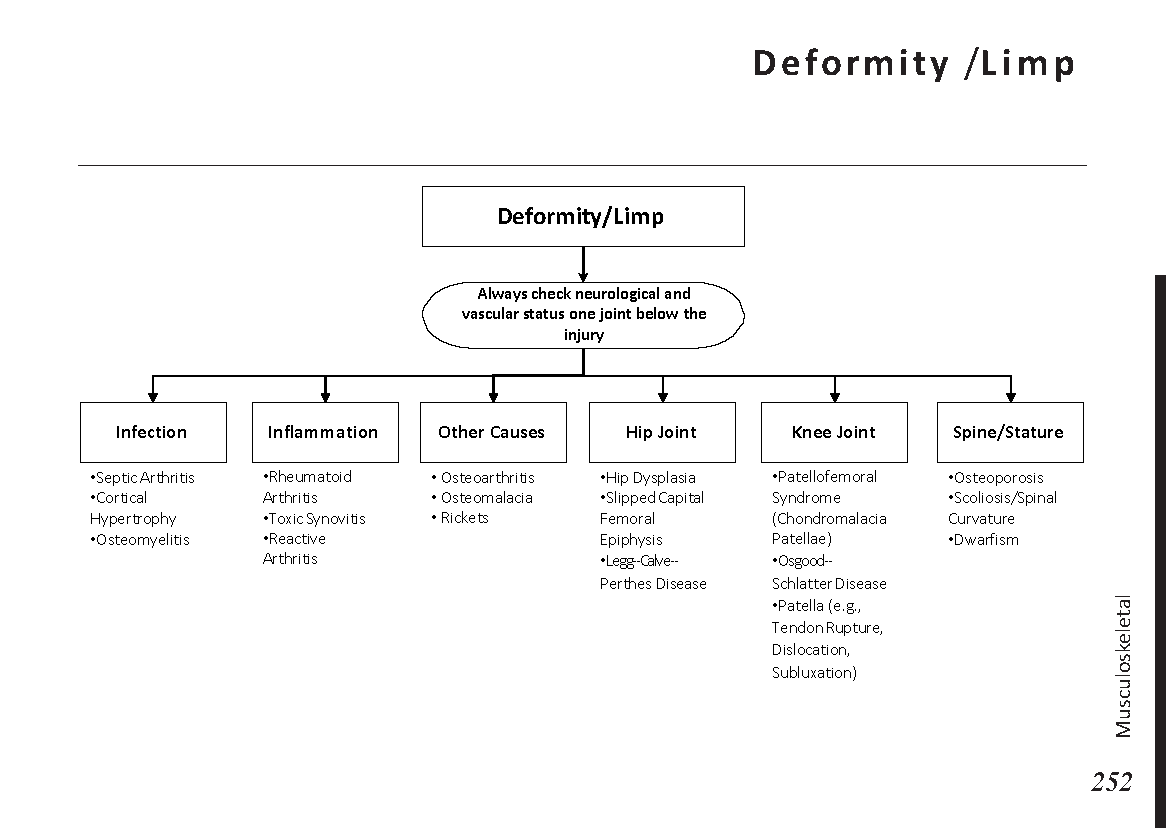
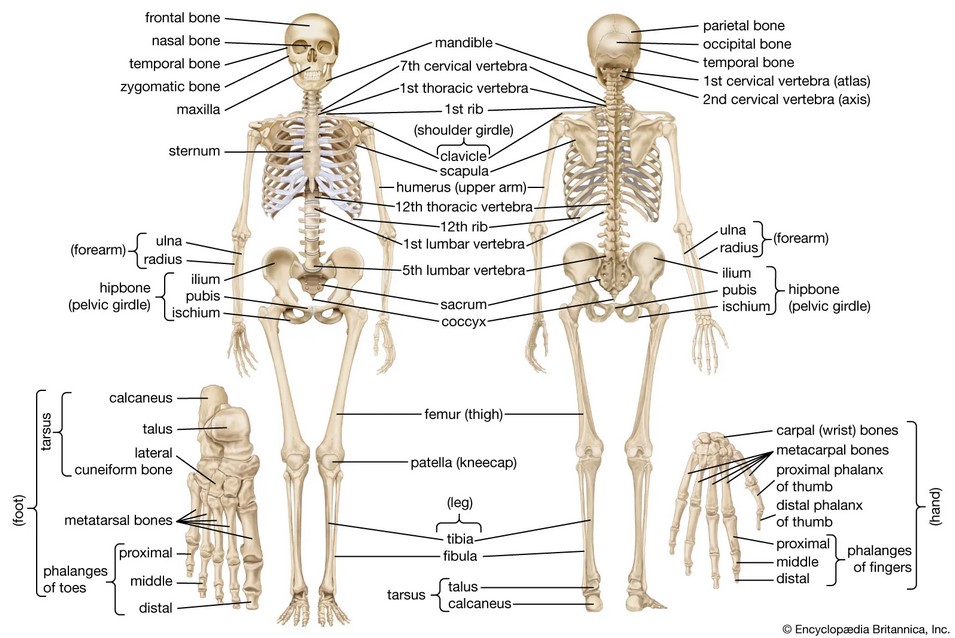
Bone anatomy:
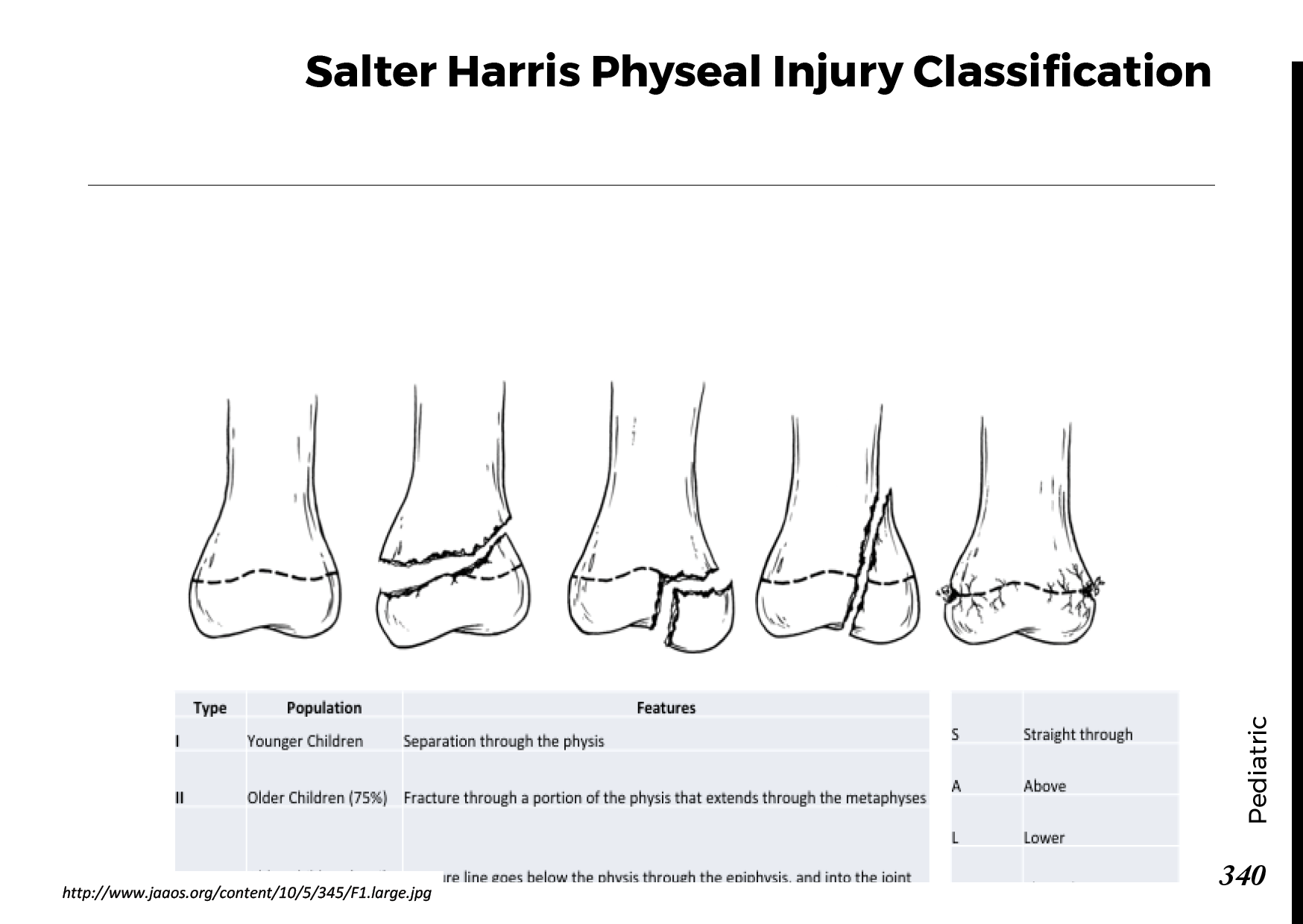
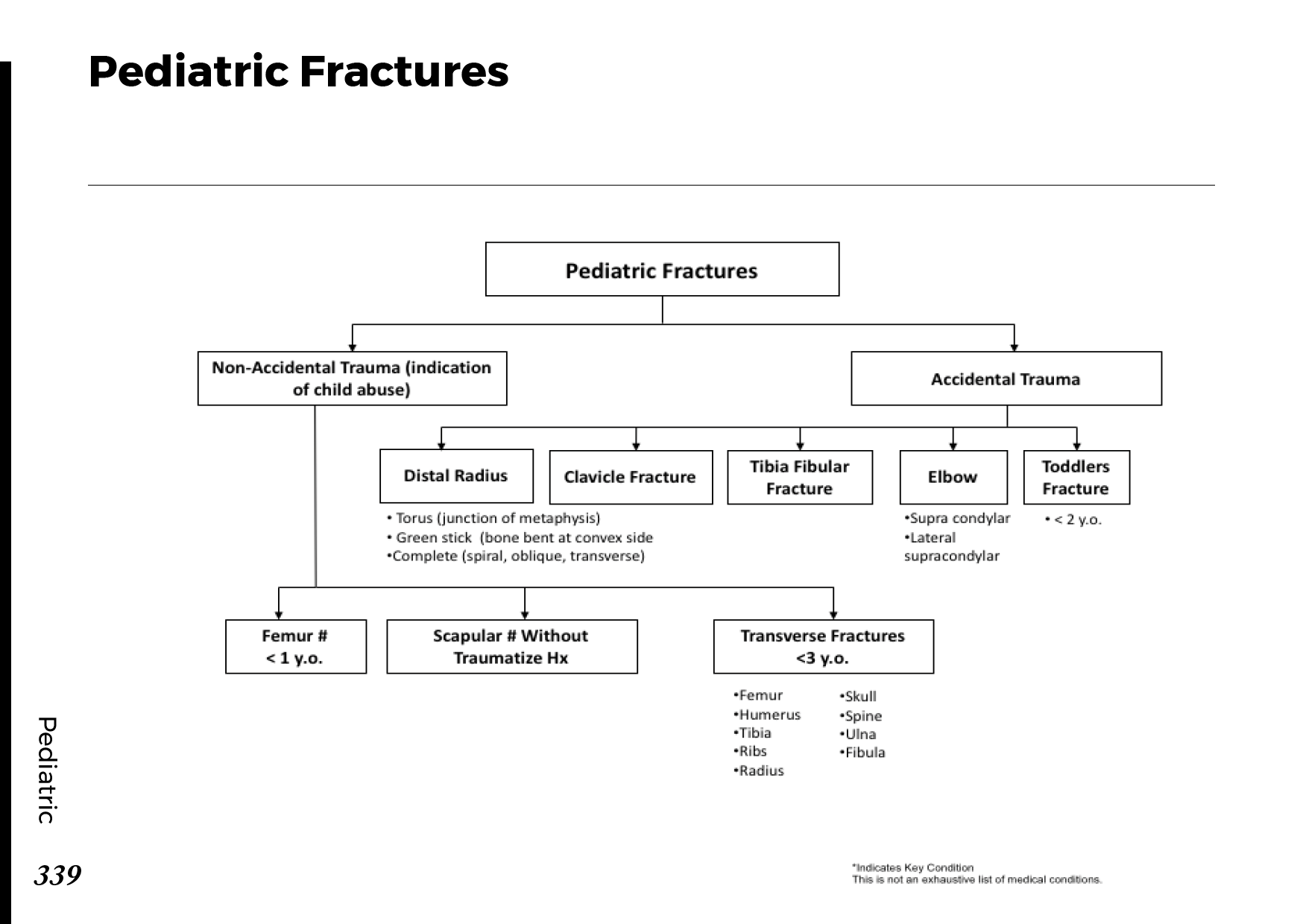
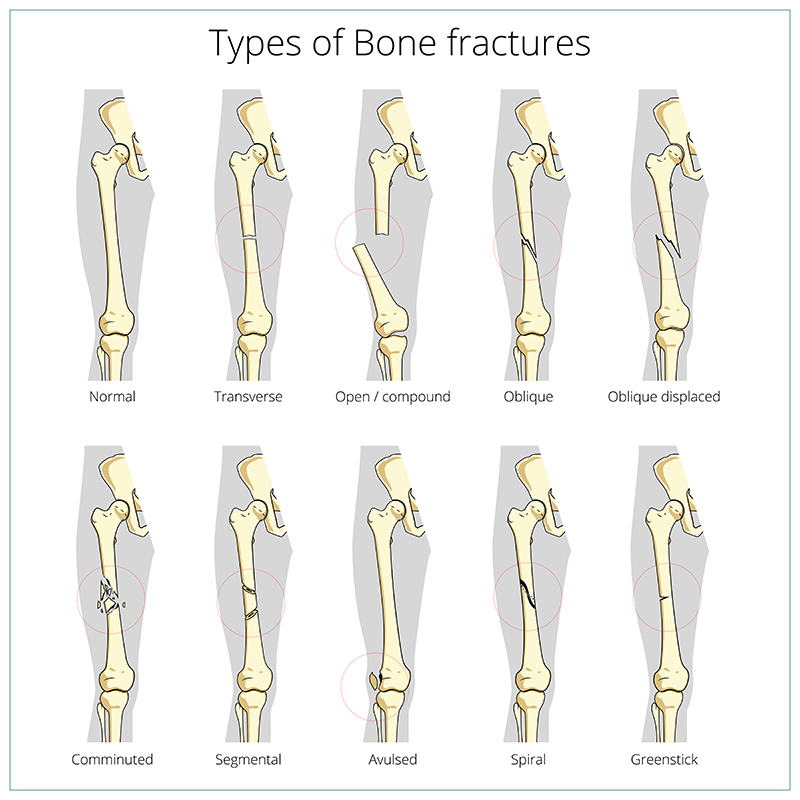
Common bone fractures:
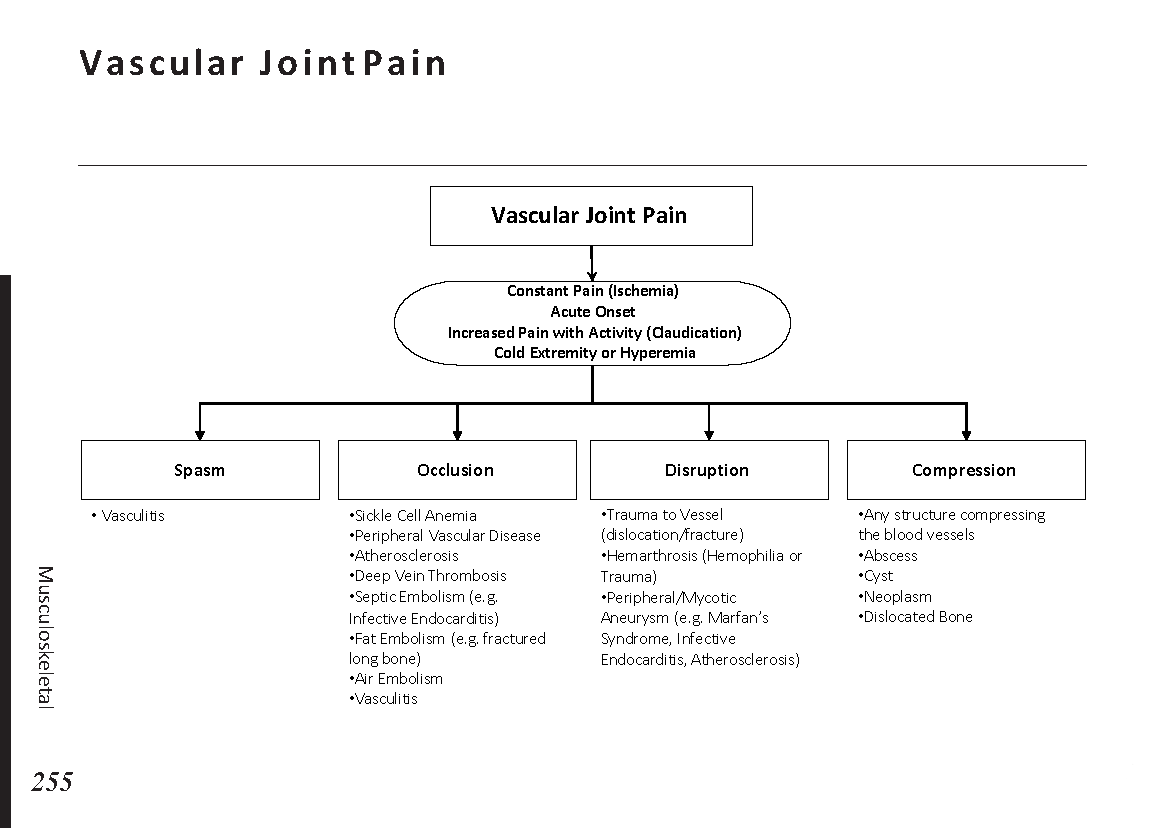
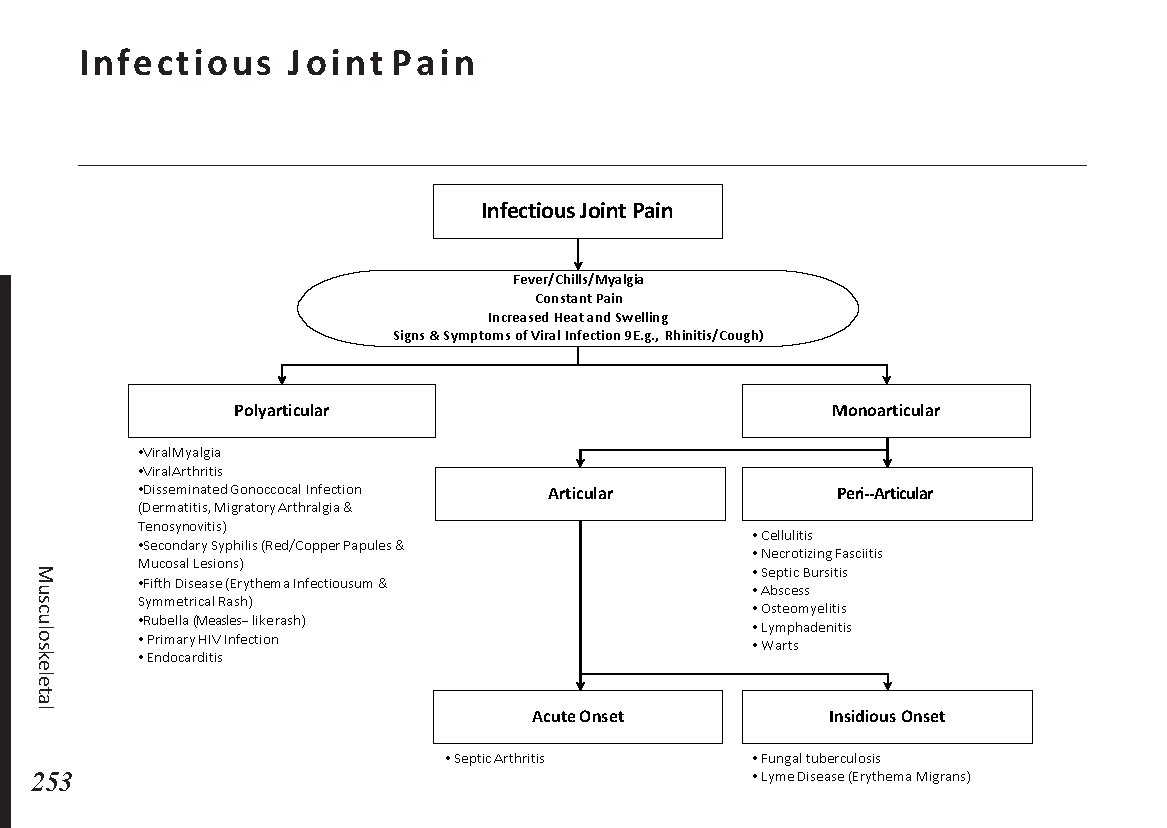
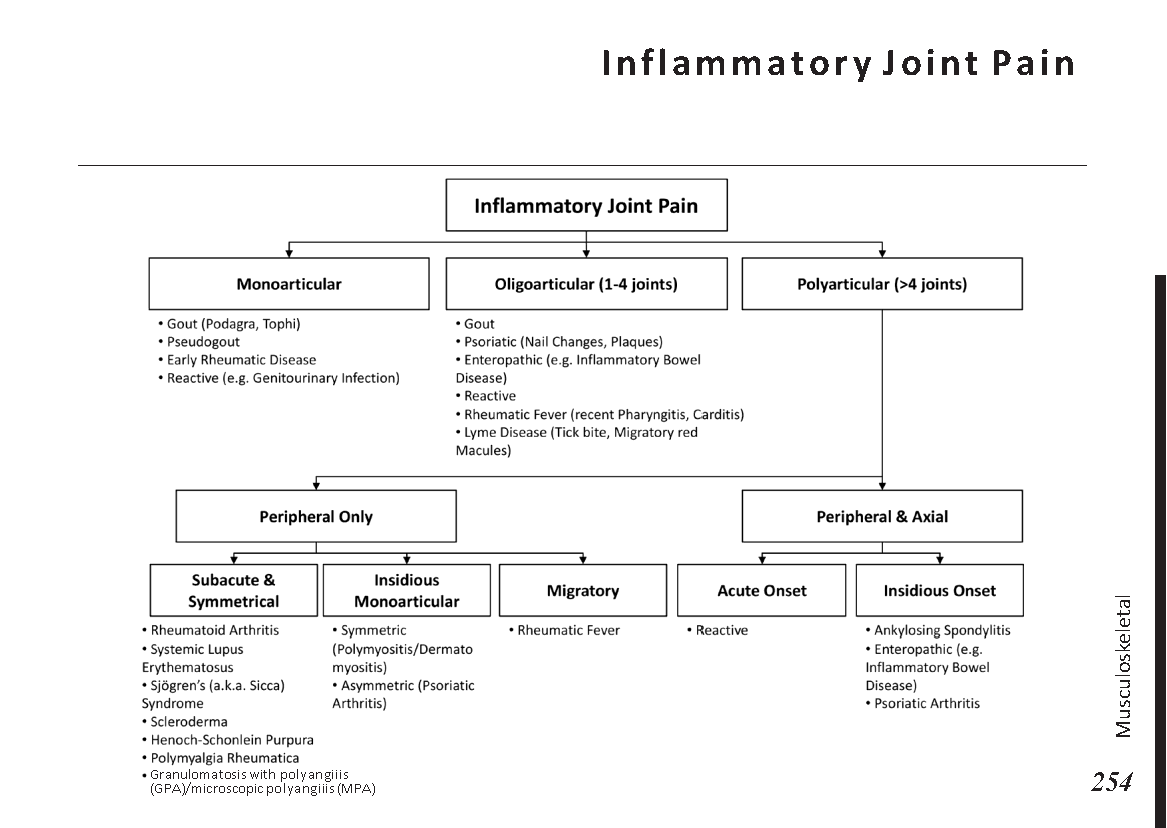
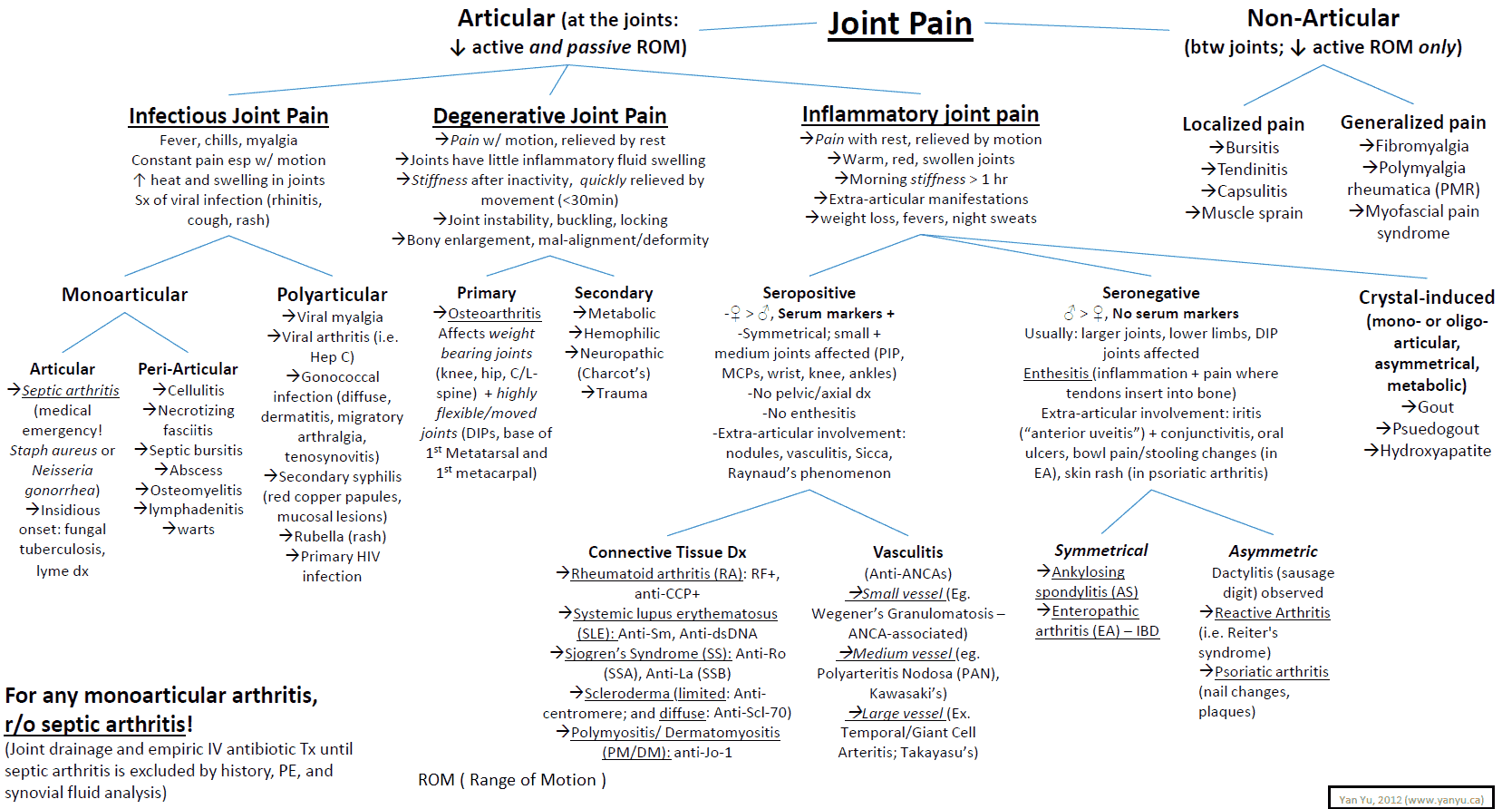
Joint pain differential diagnosis:
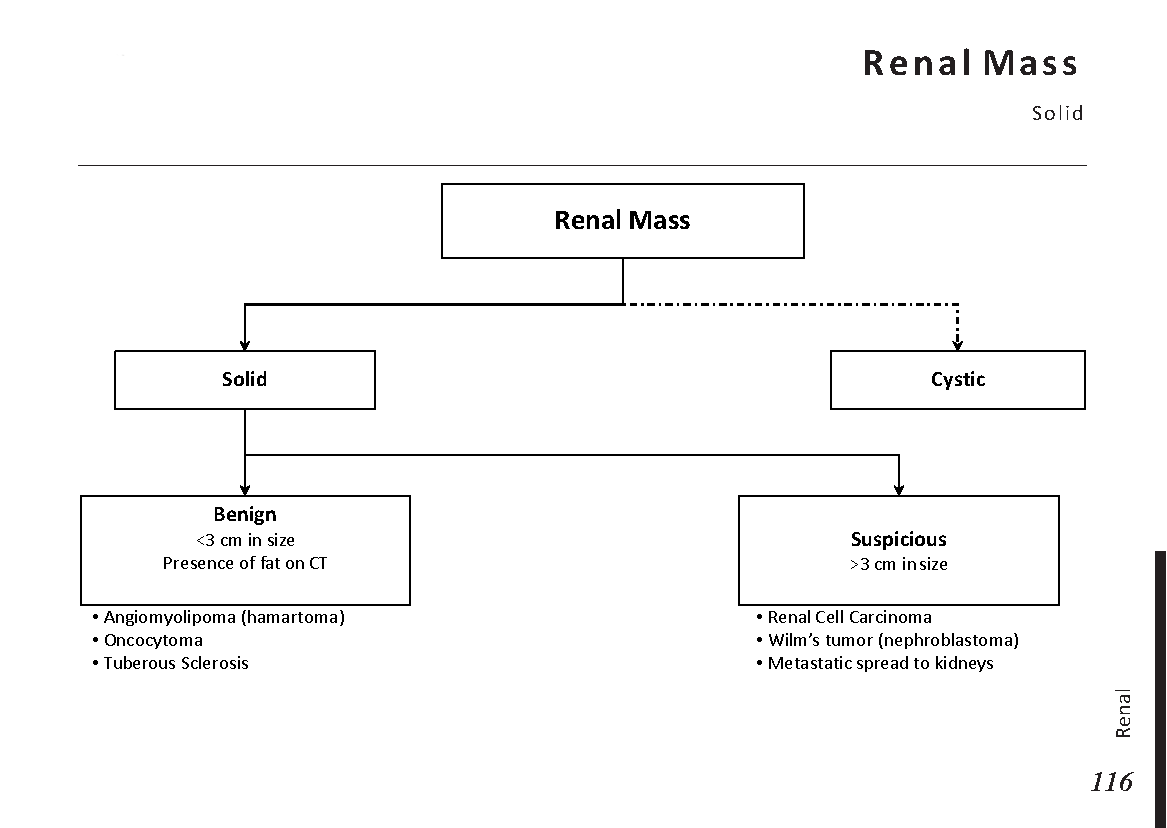
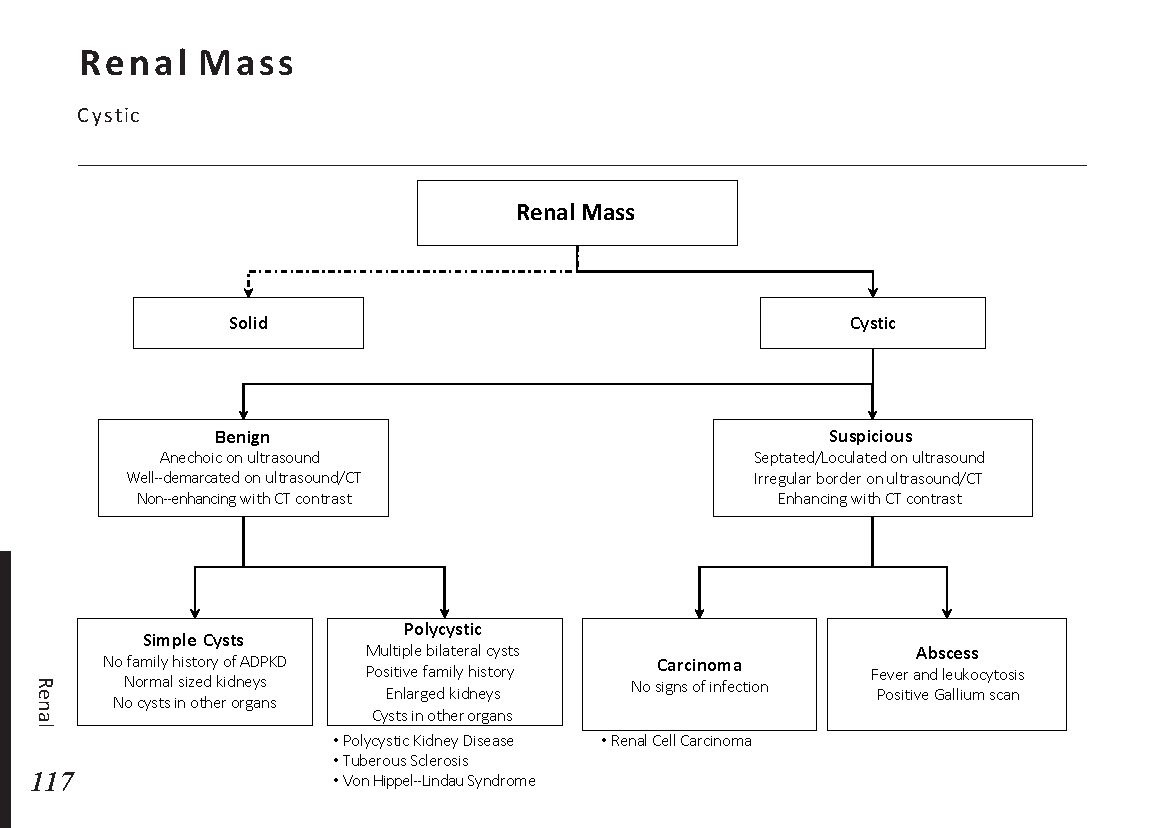
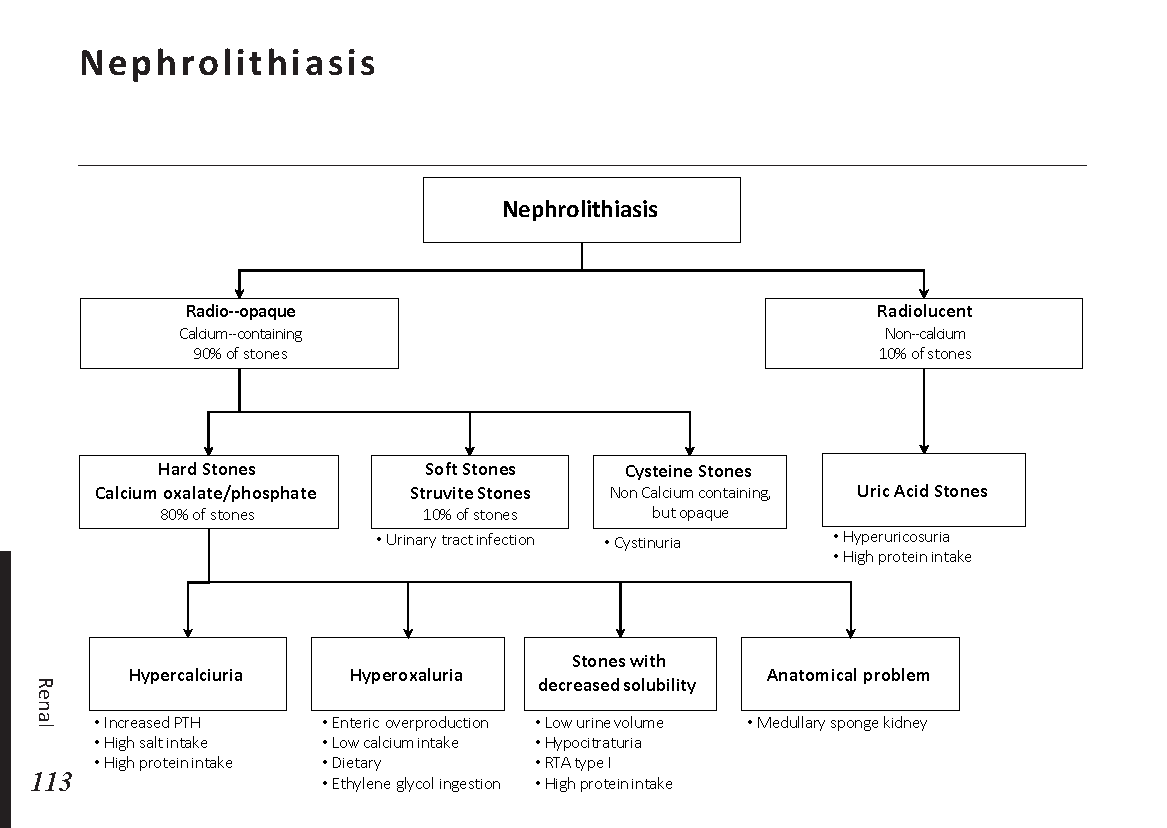
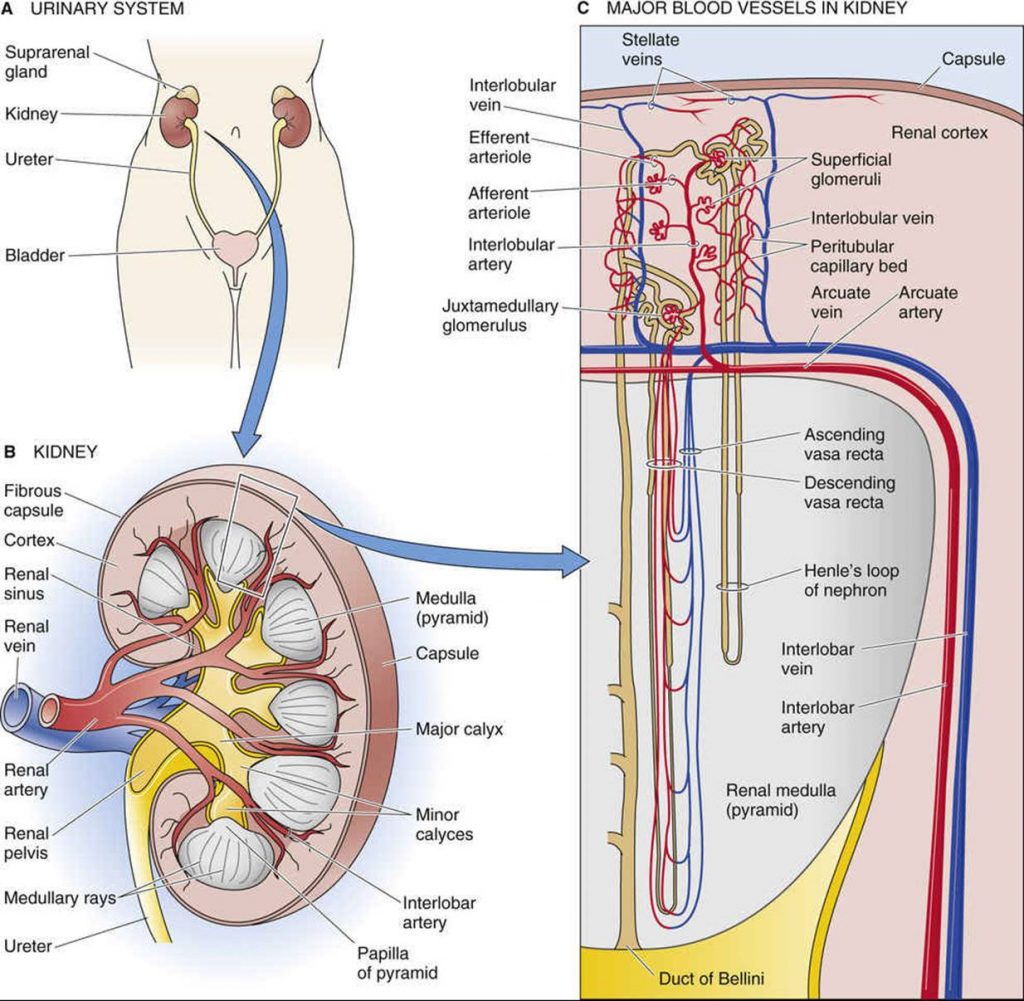
Urinary system anatomy:
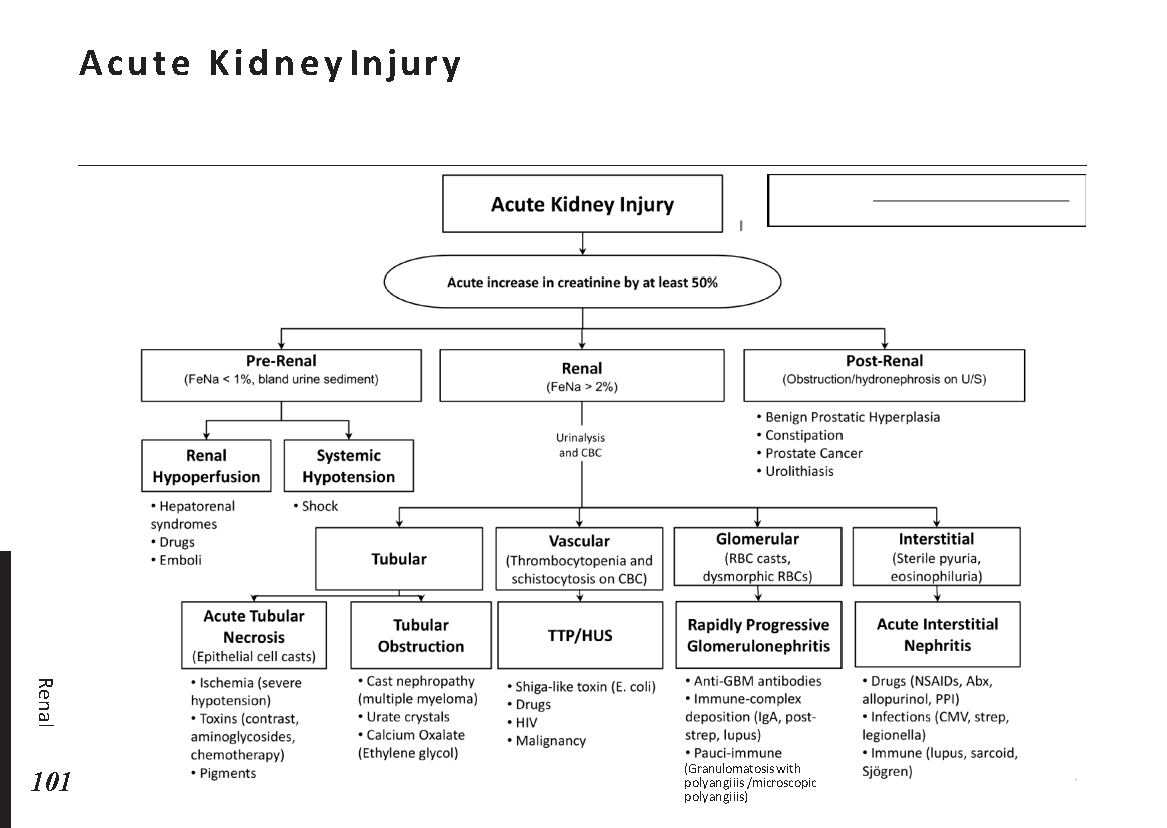
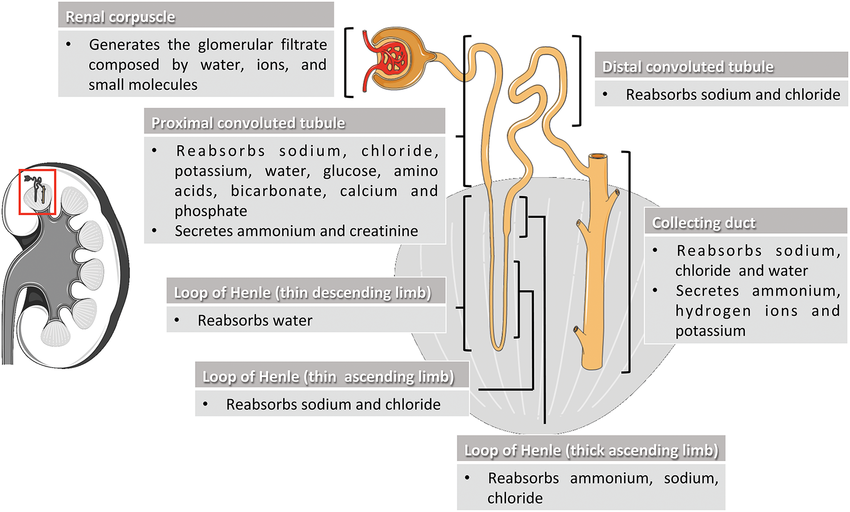
Nephron Function:
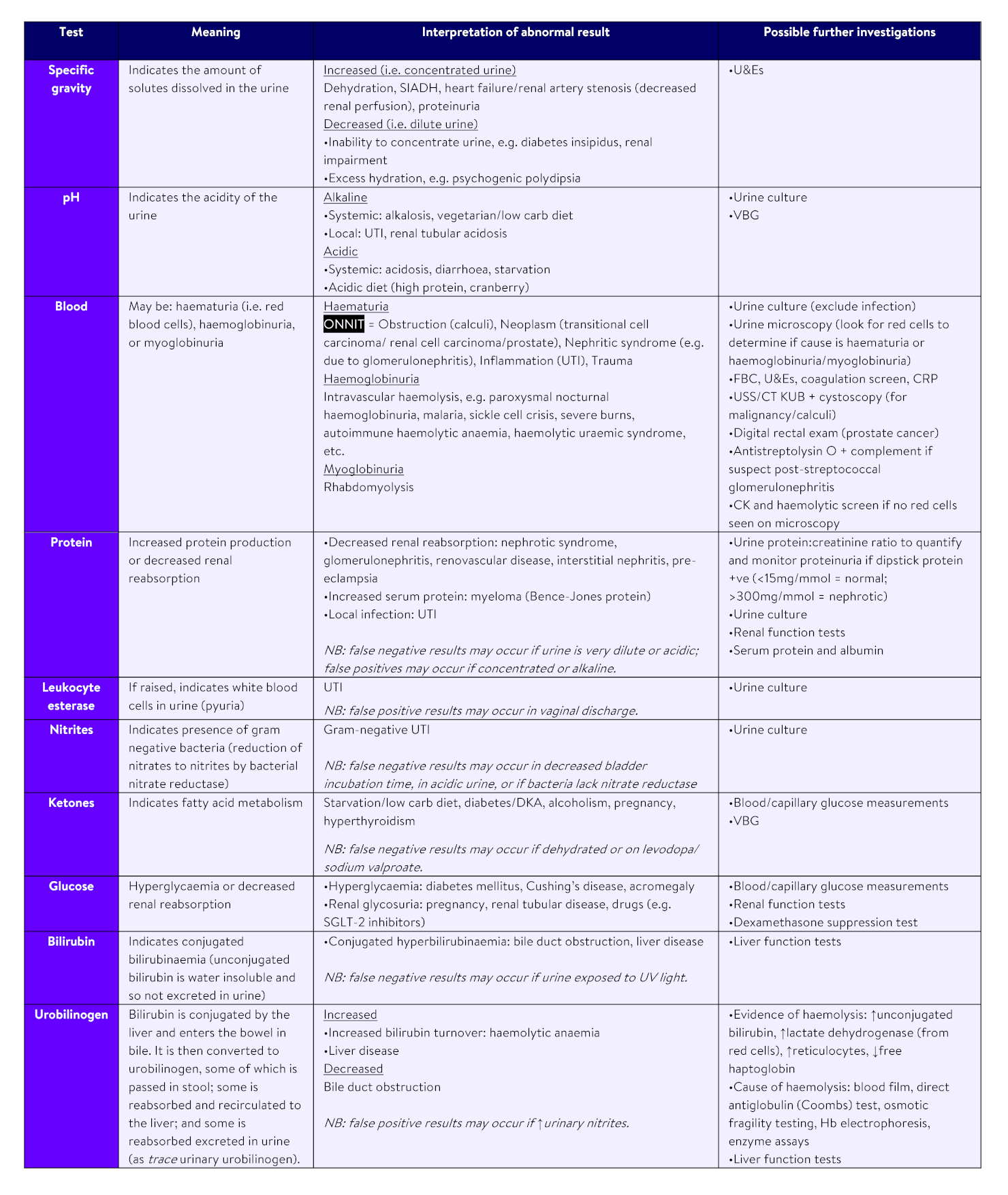
Interpretation of common urinalysis results:
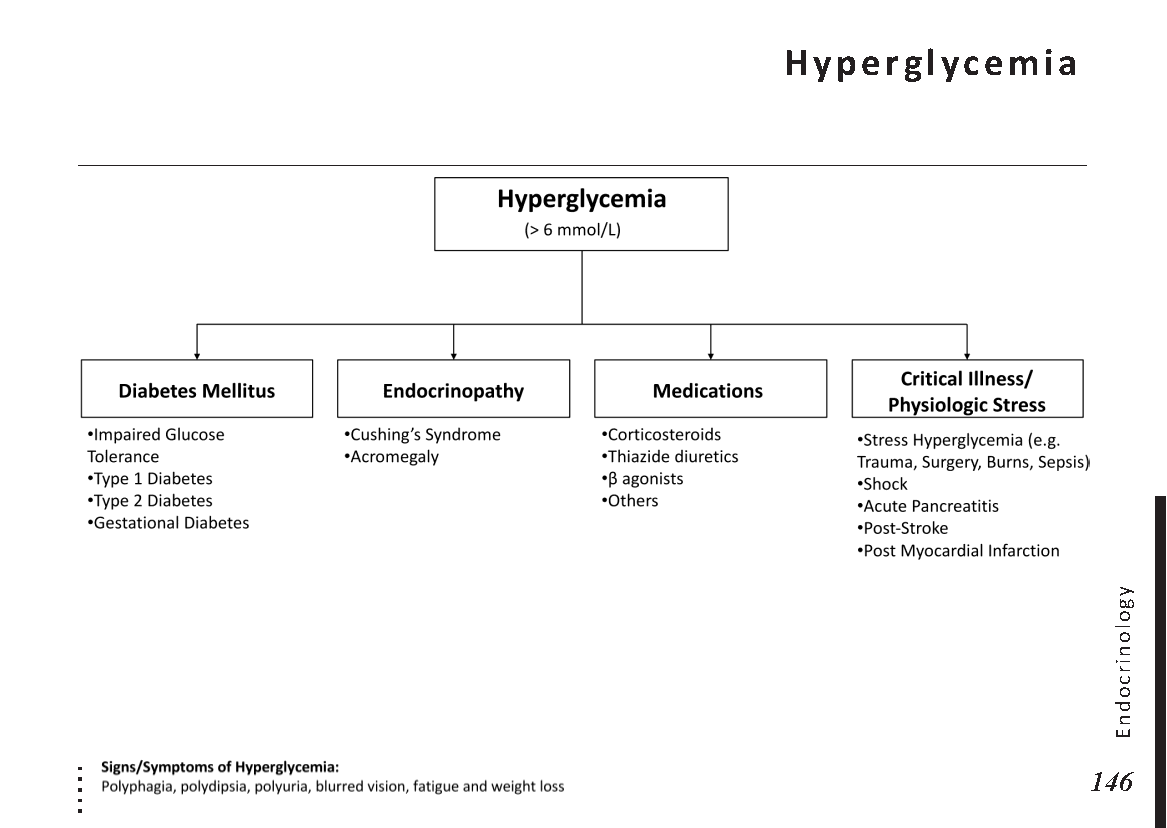
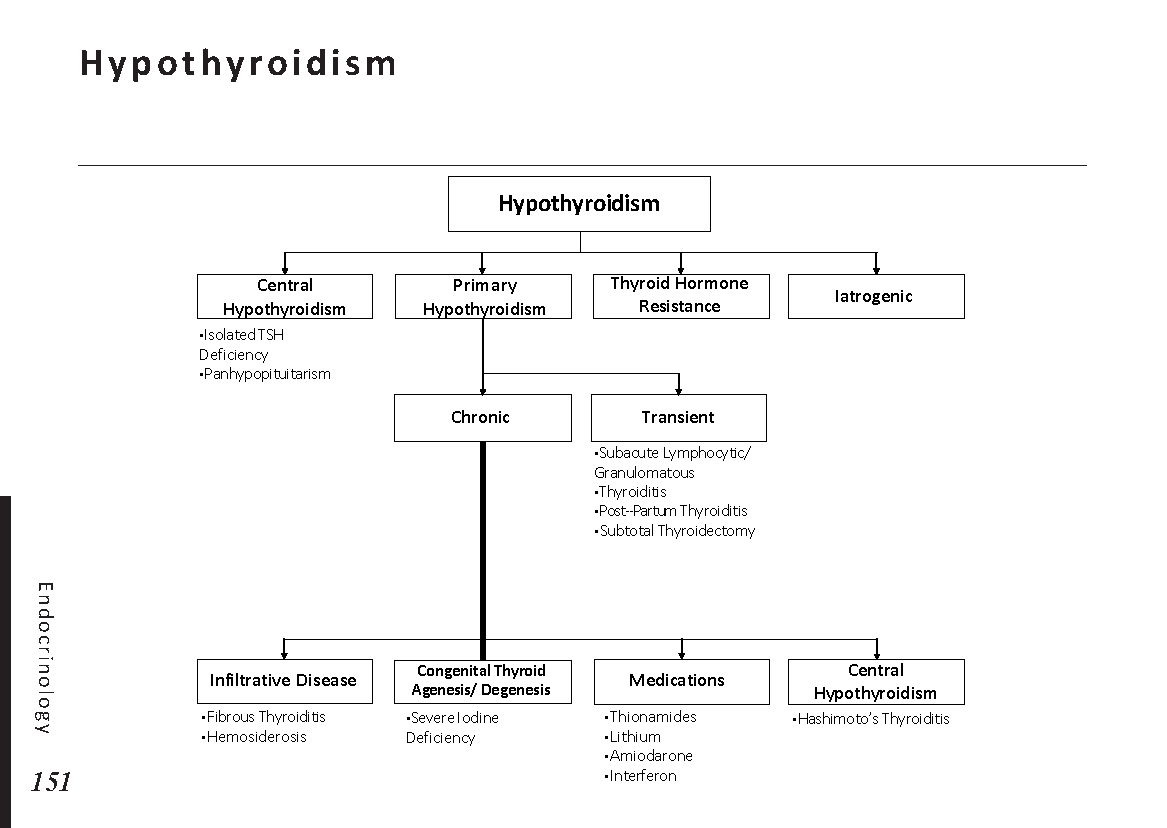
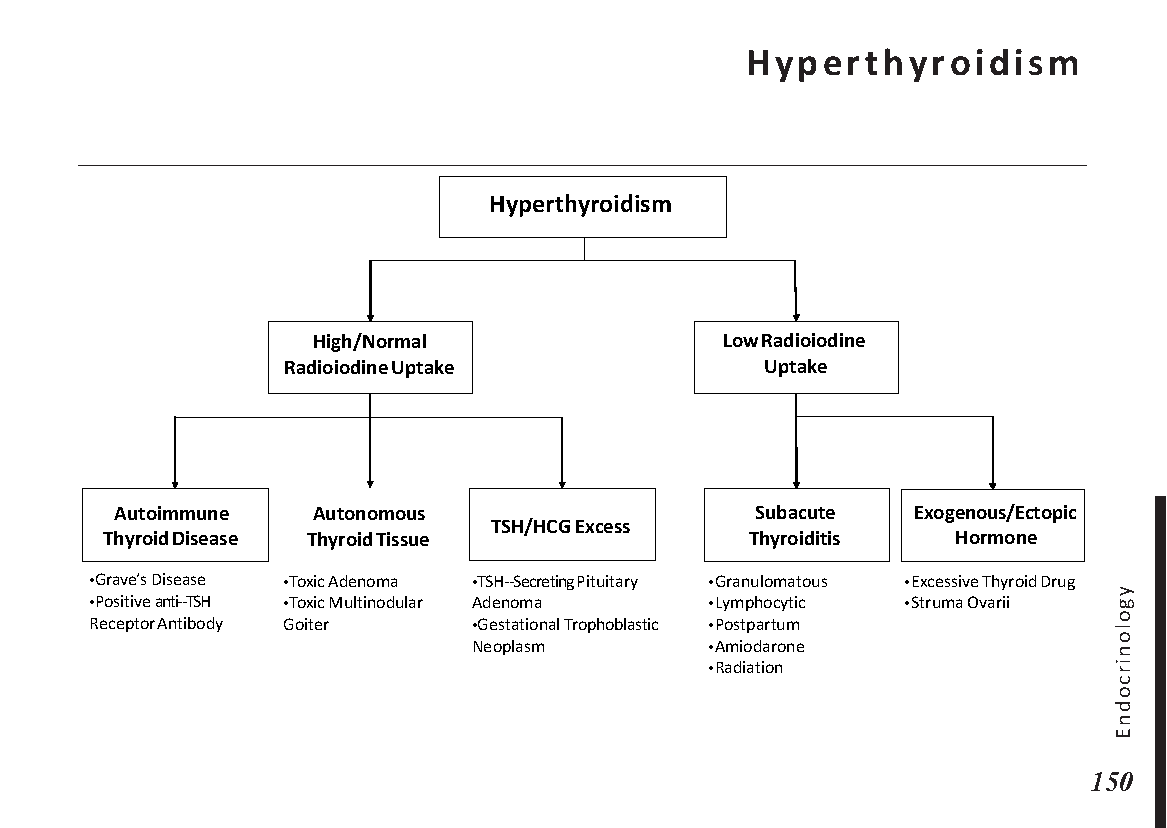
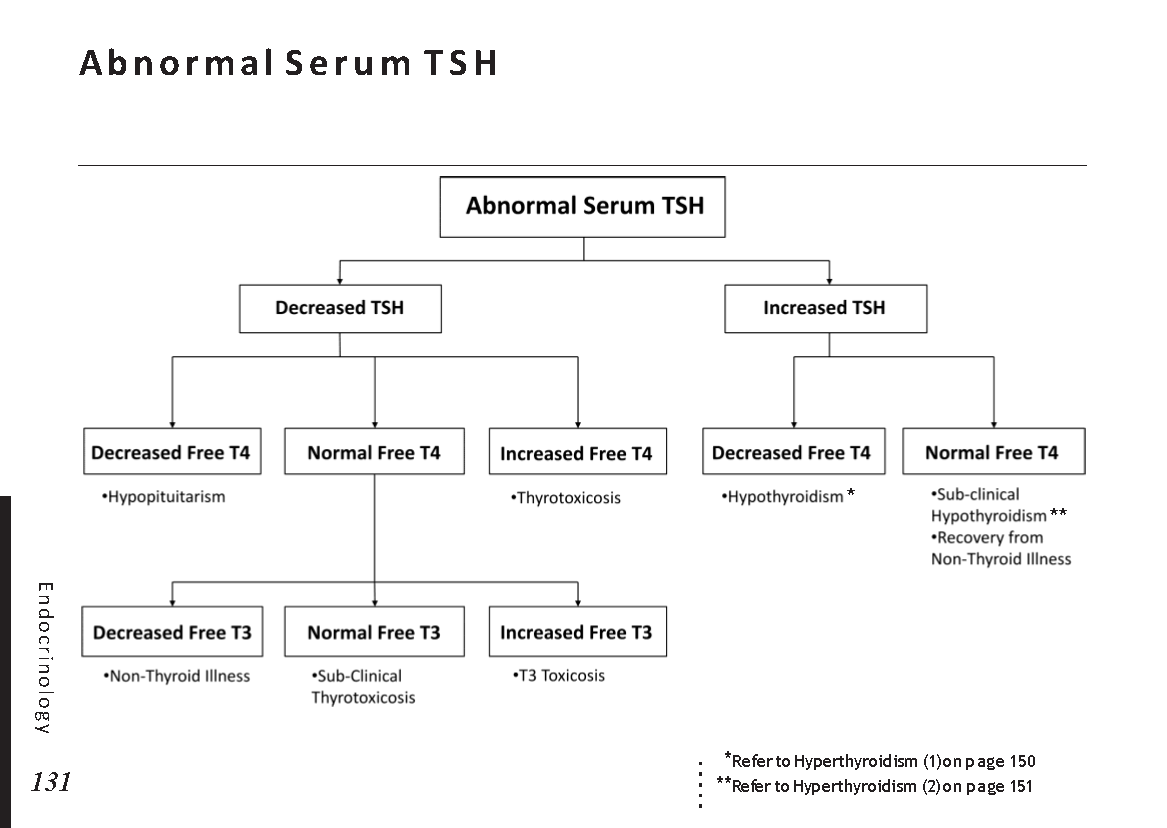
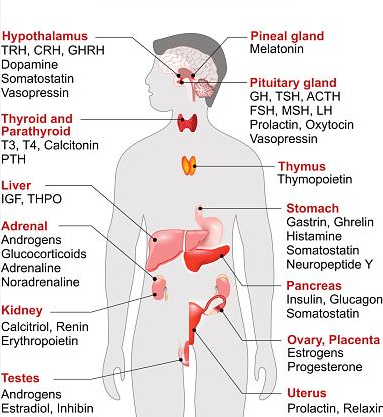
Endocrine glands and their hormones:
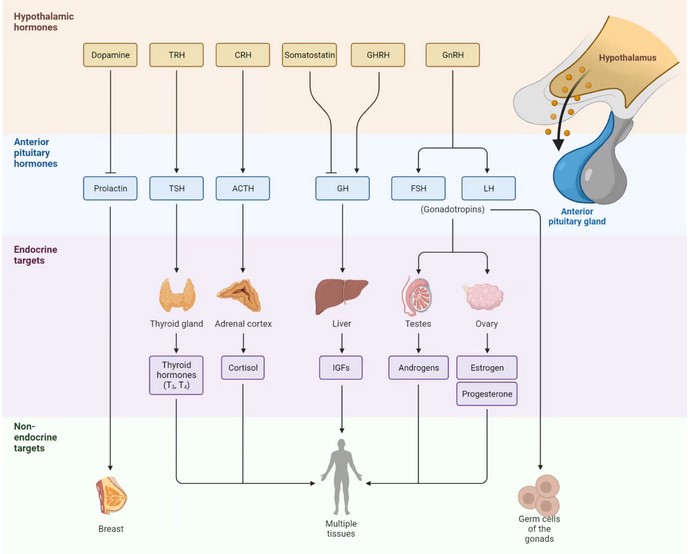
Hormonal pathways and feedback mechanisms:
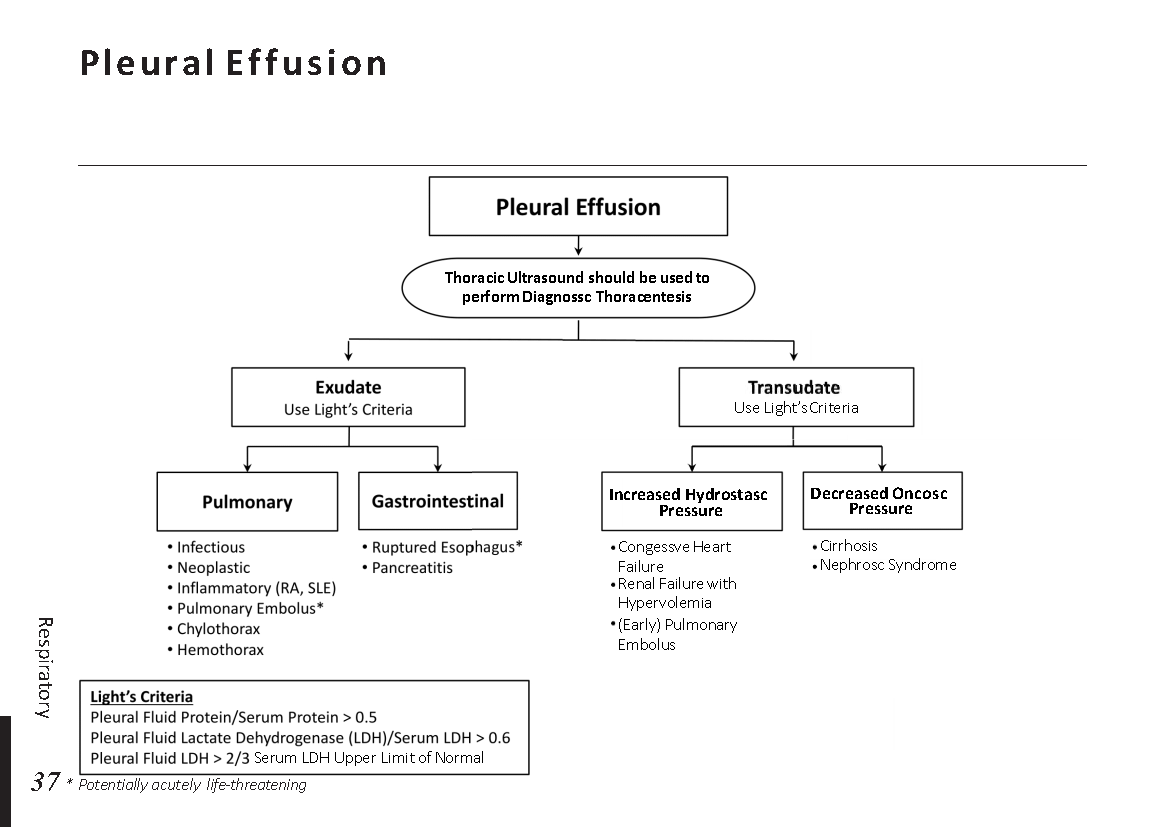
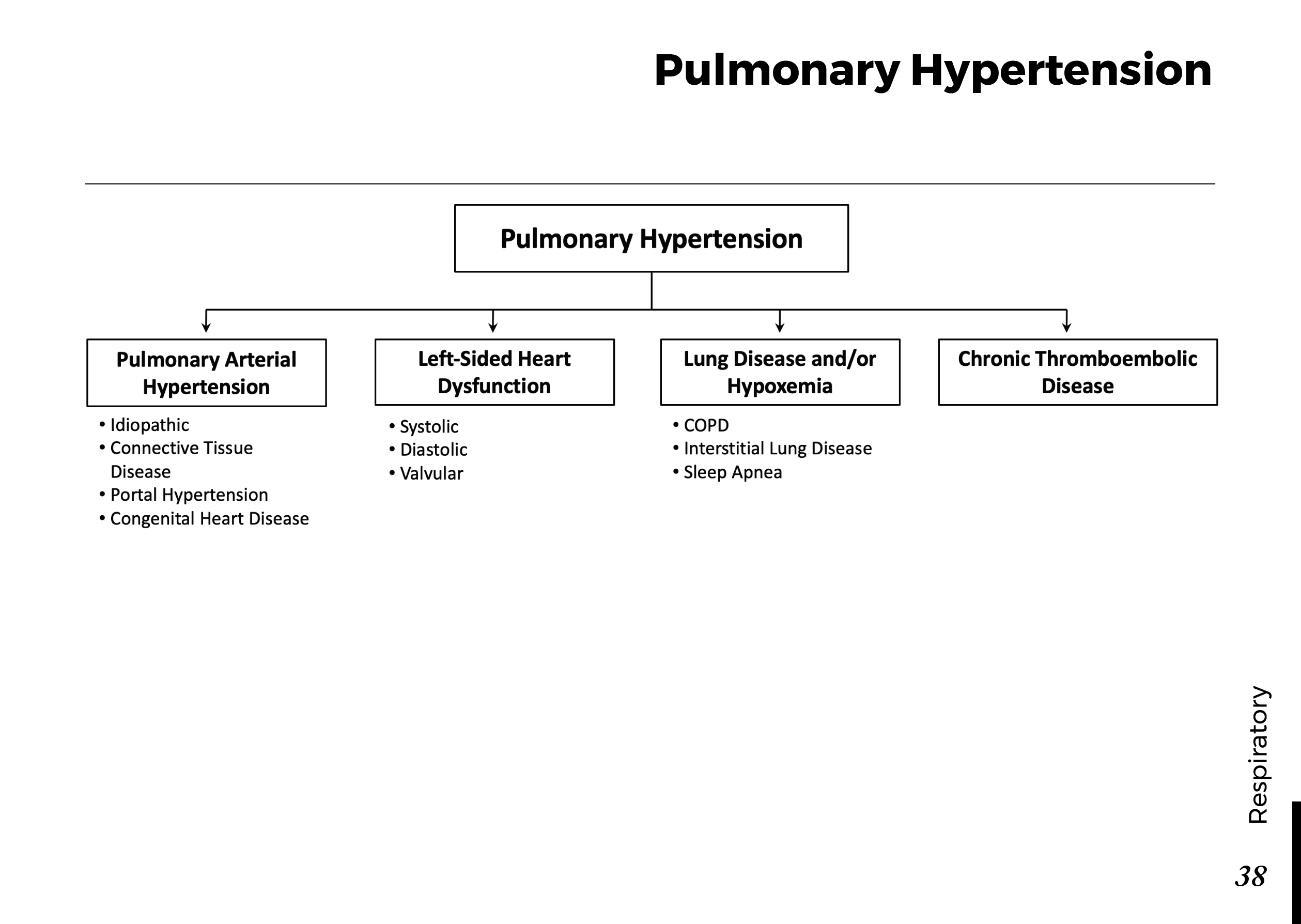
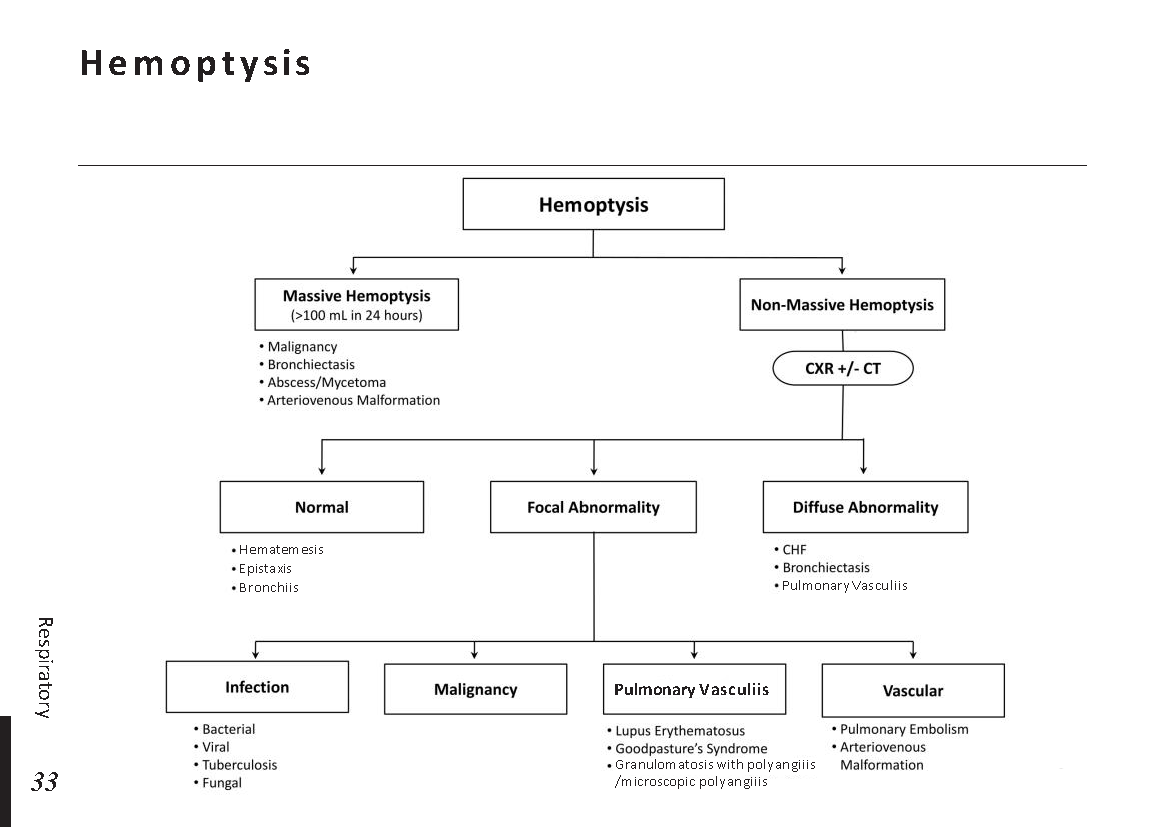
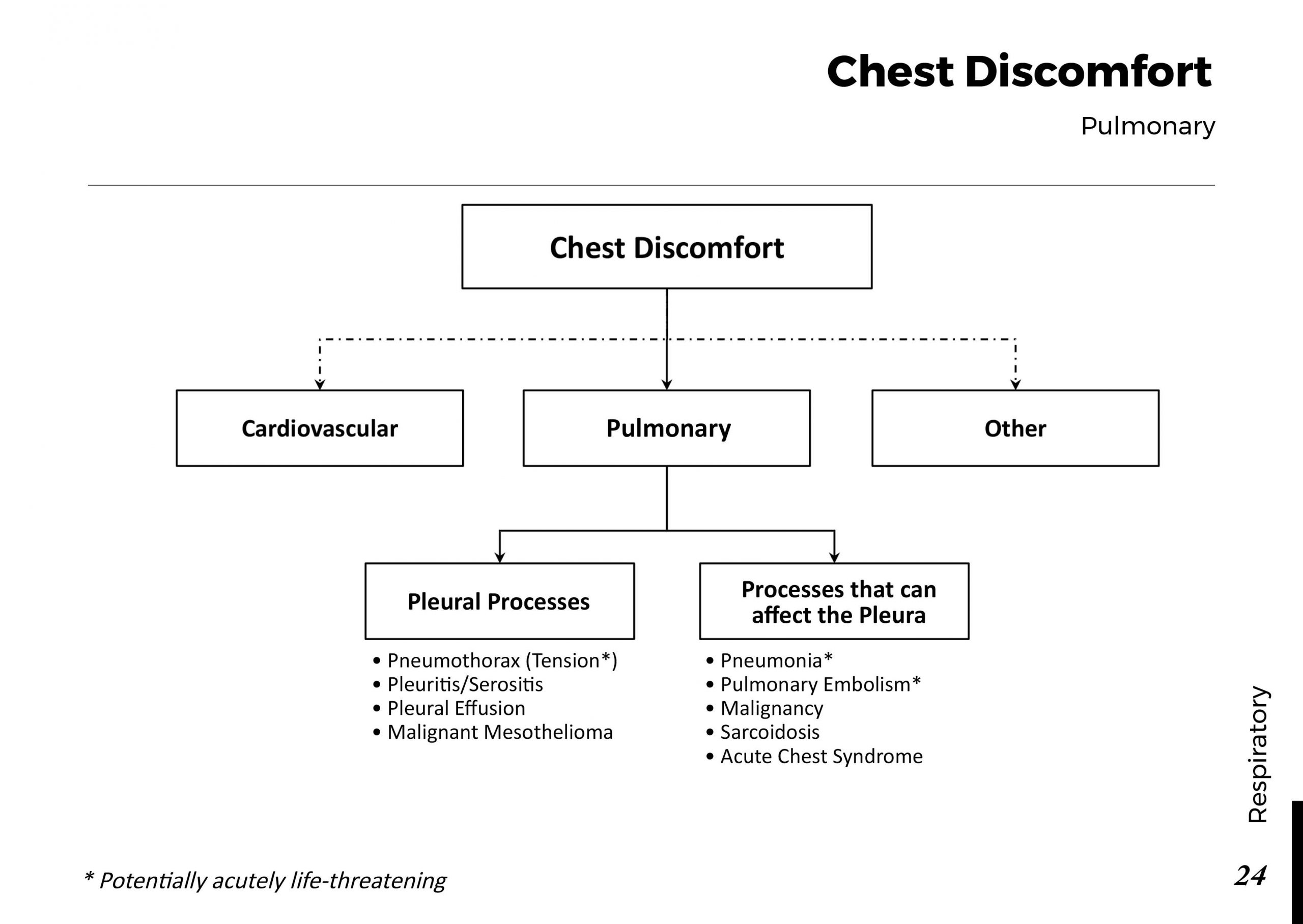
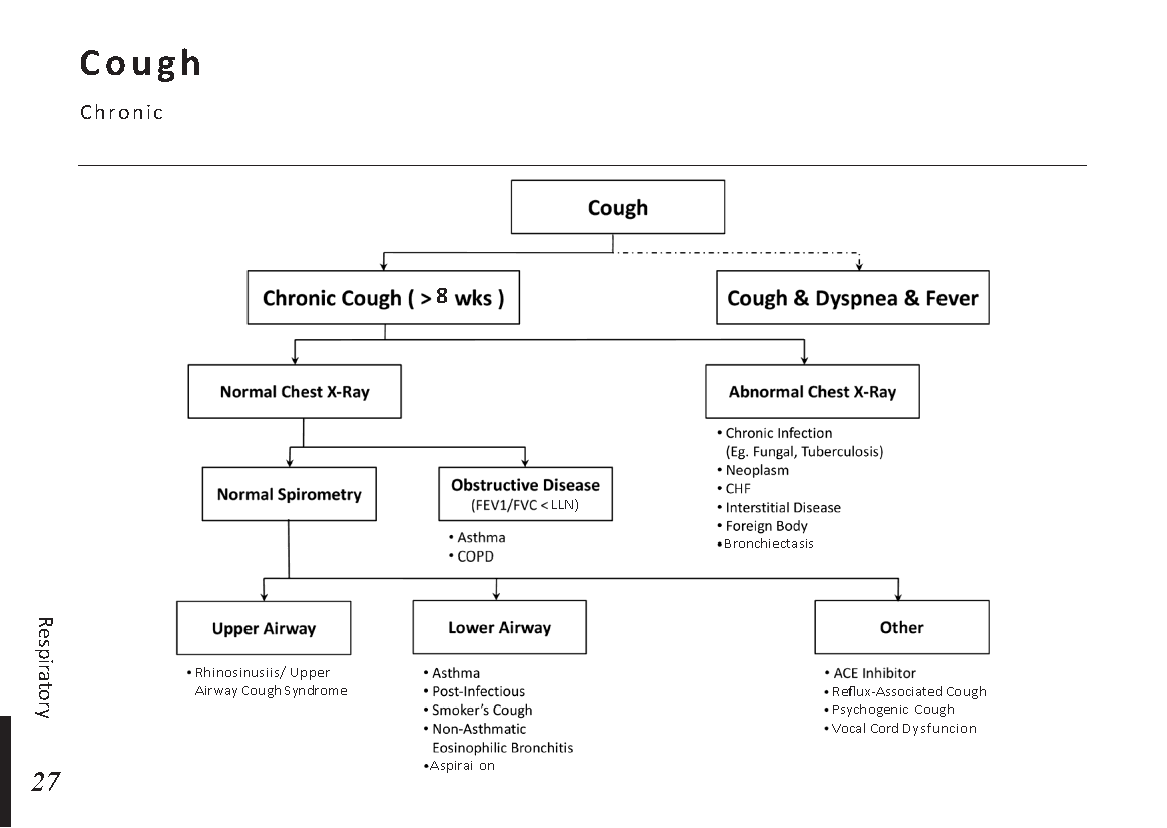
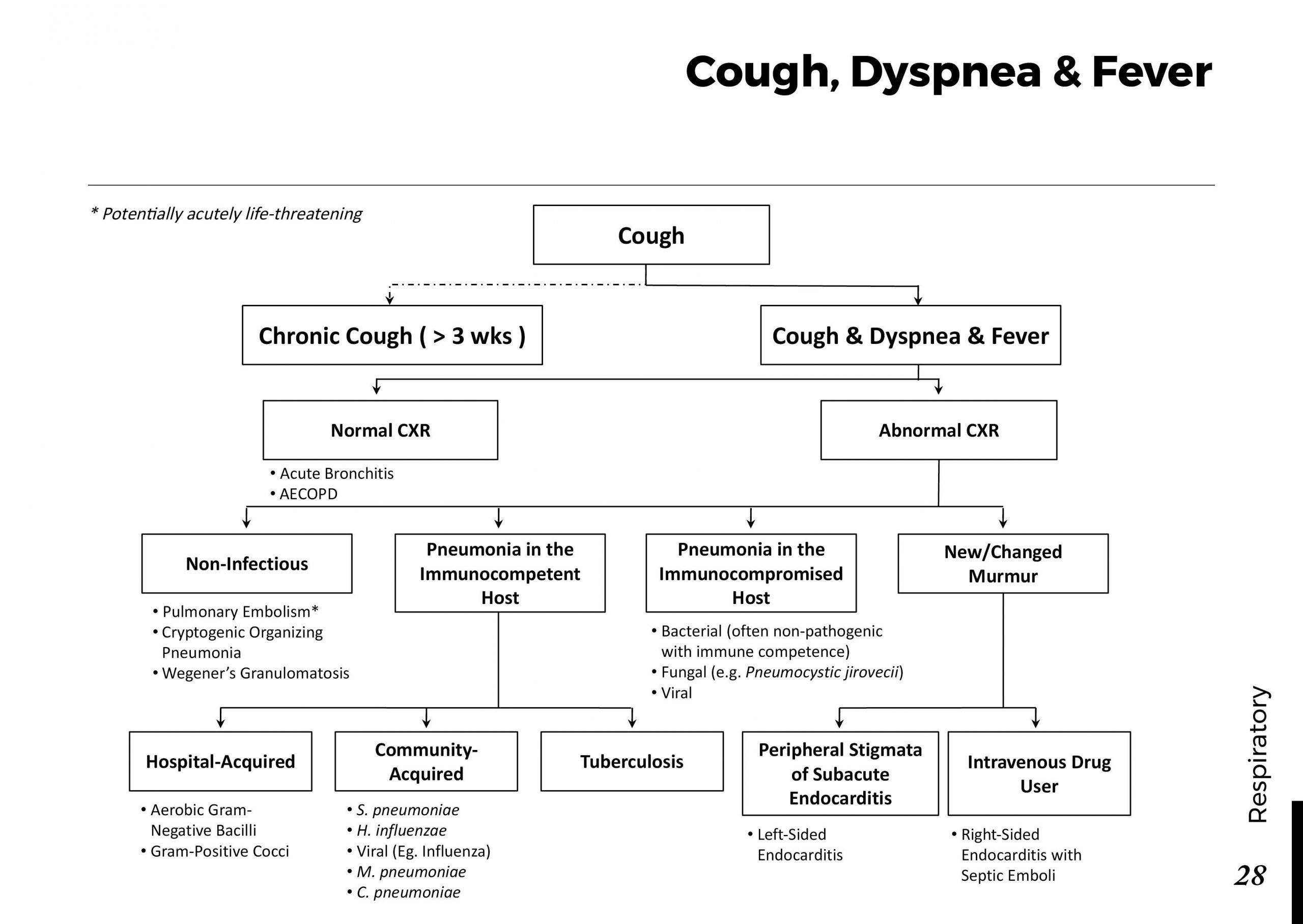
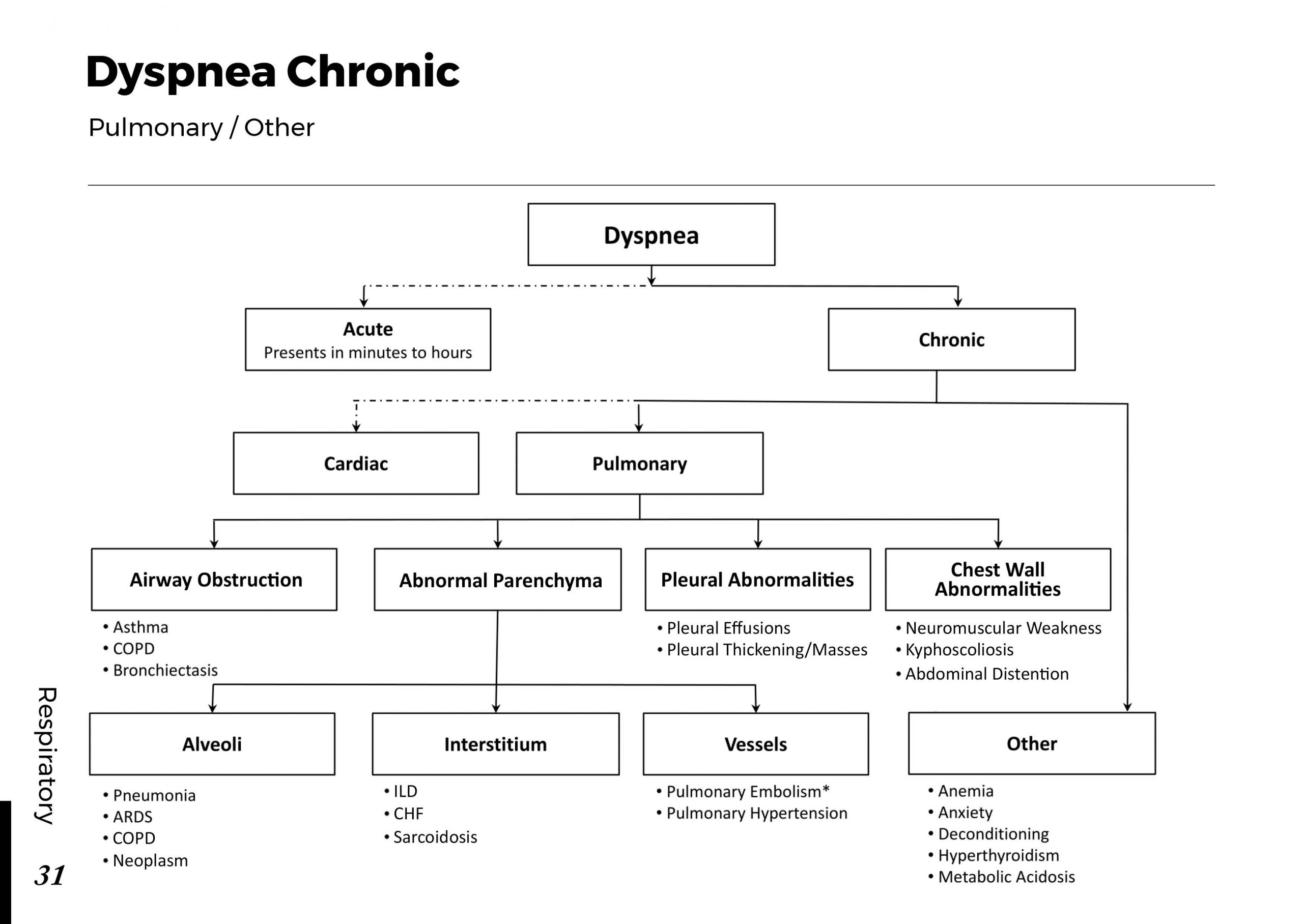
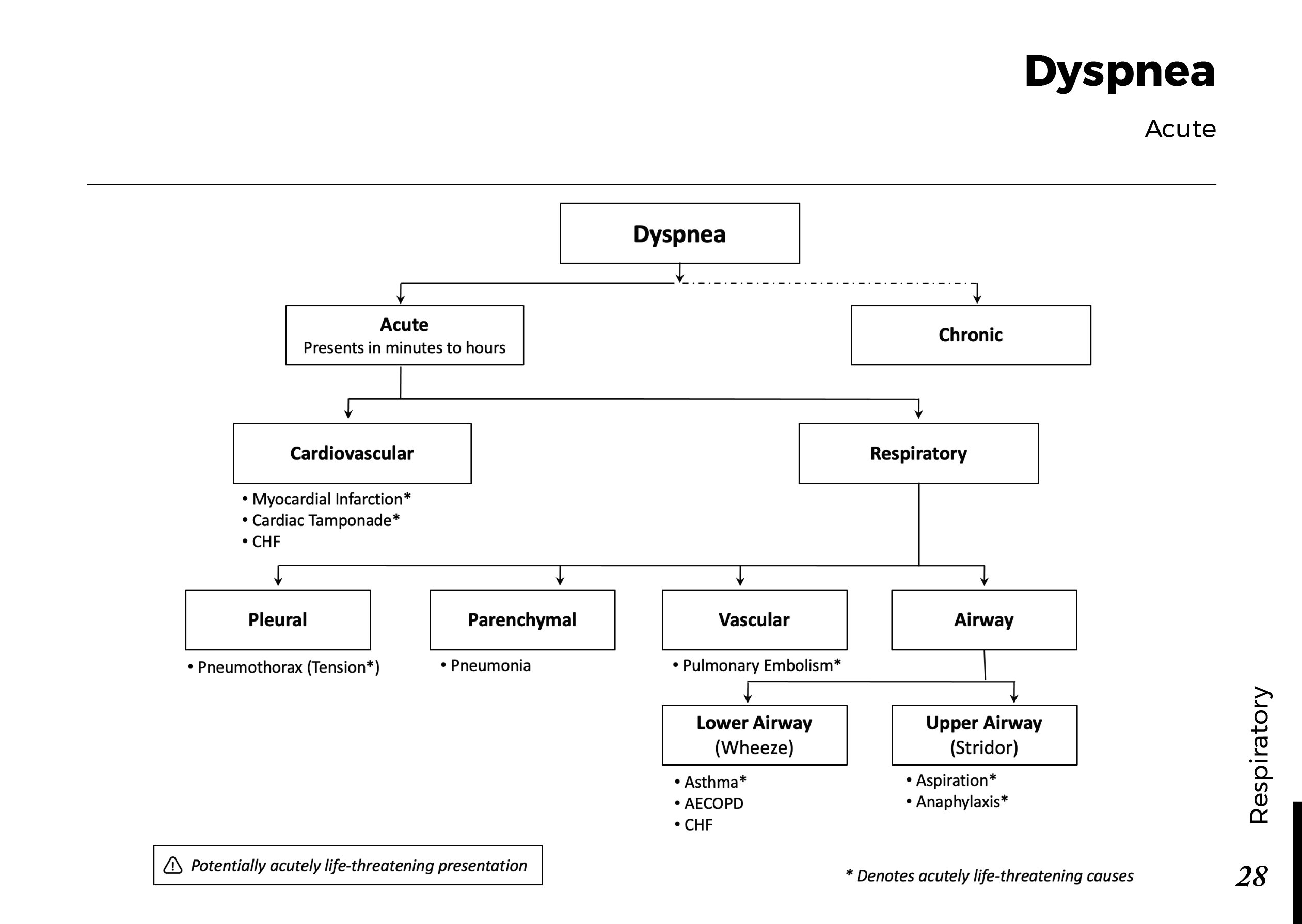
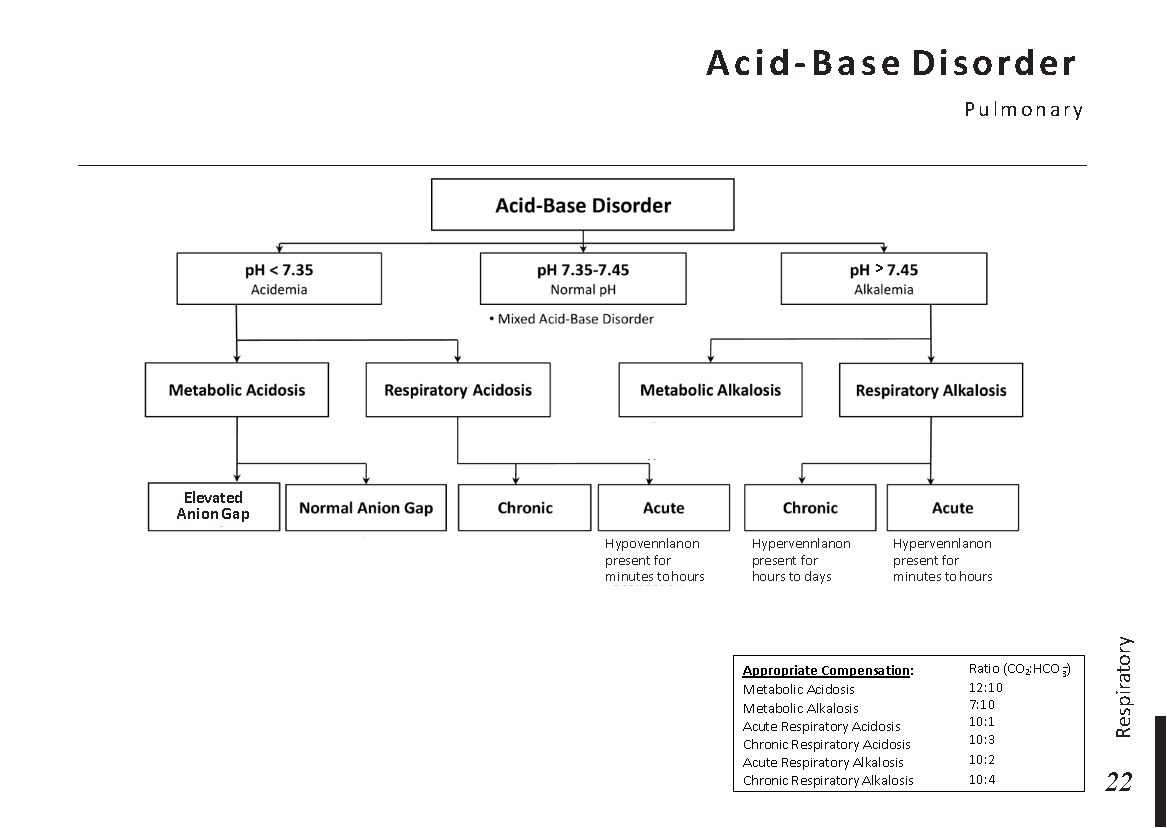
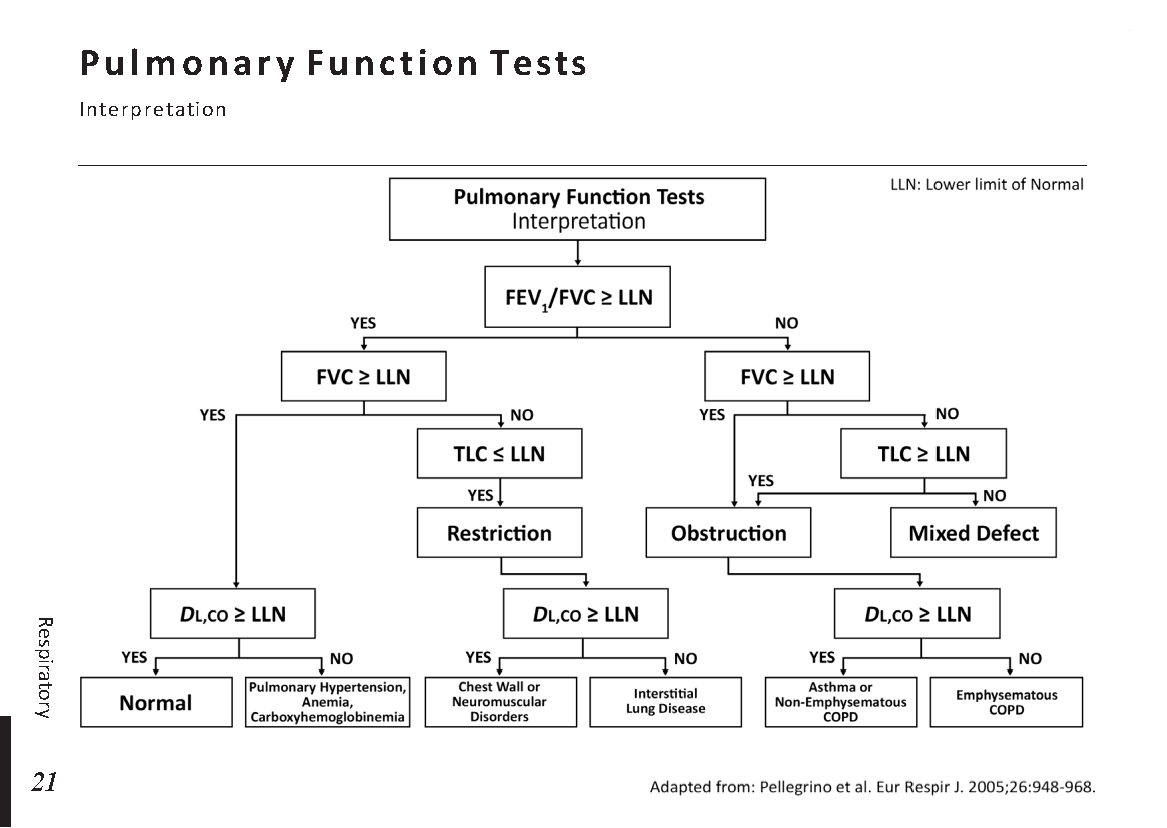
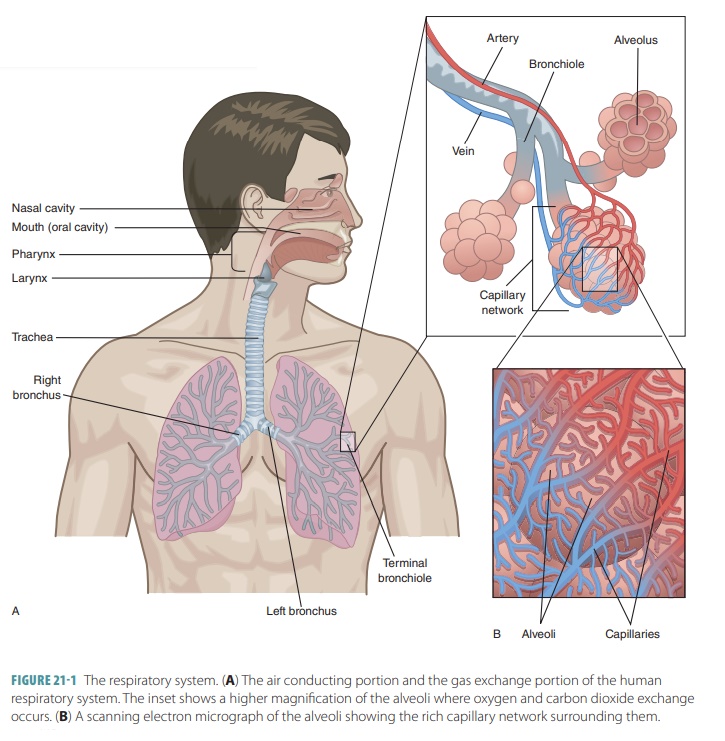
Lung anatomy and physiology:
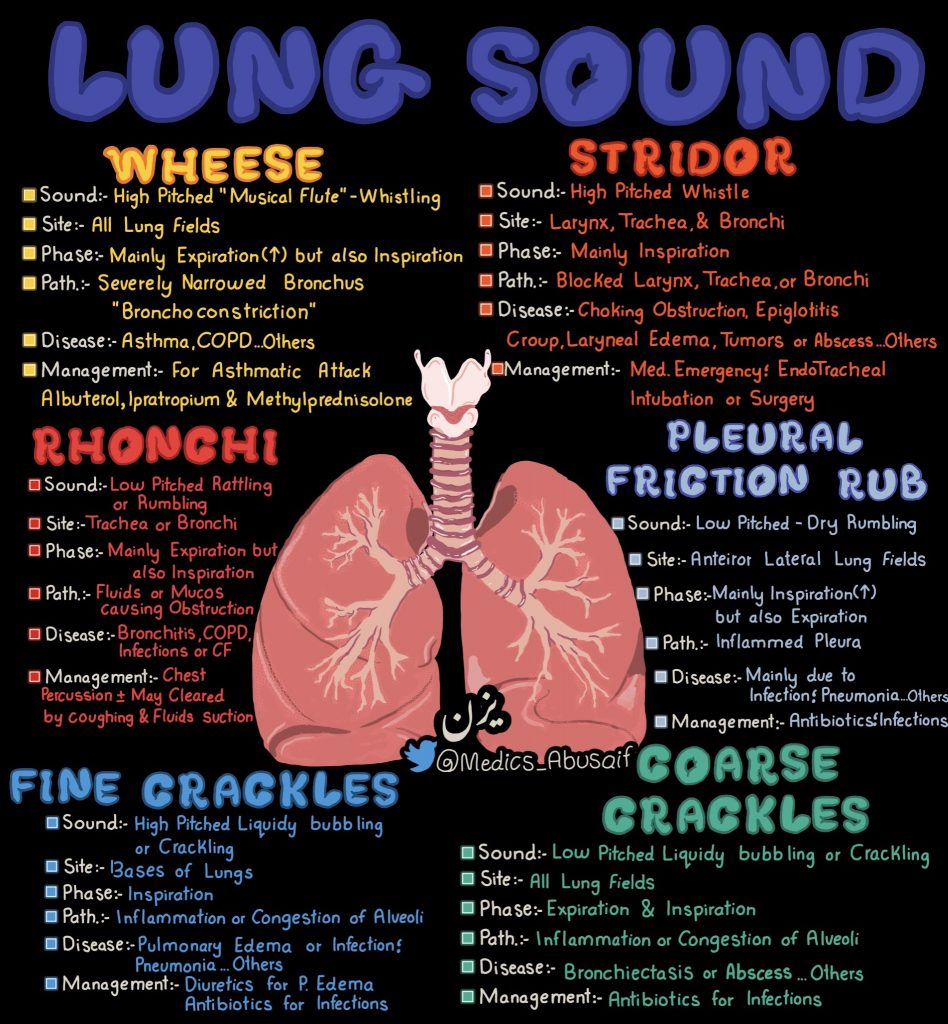
Abnormal lung sounds:
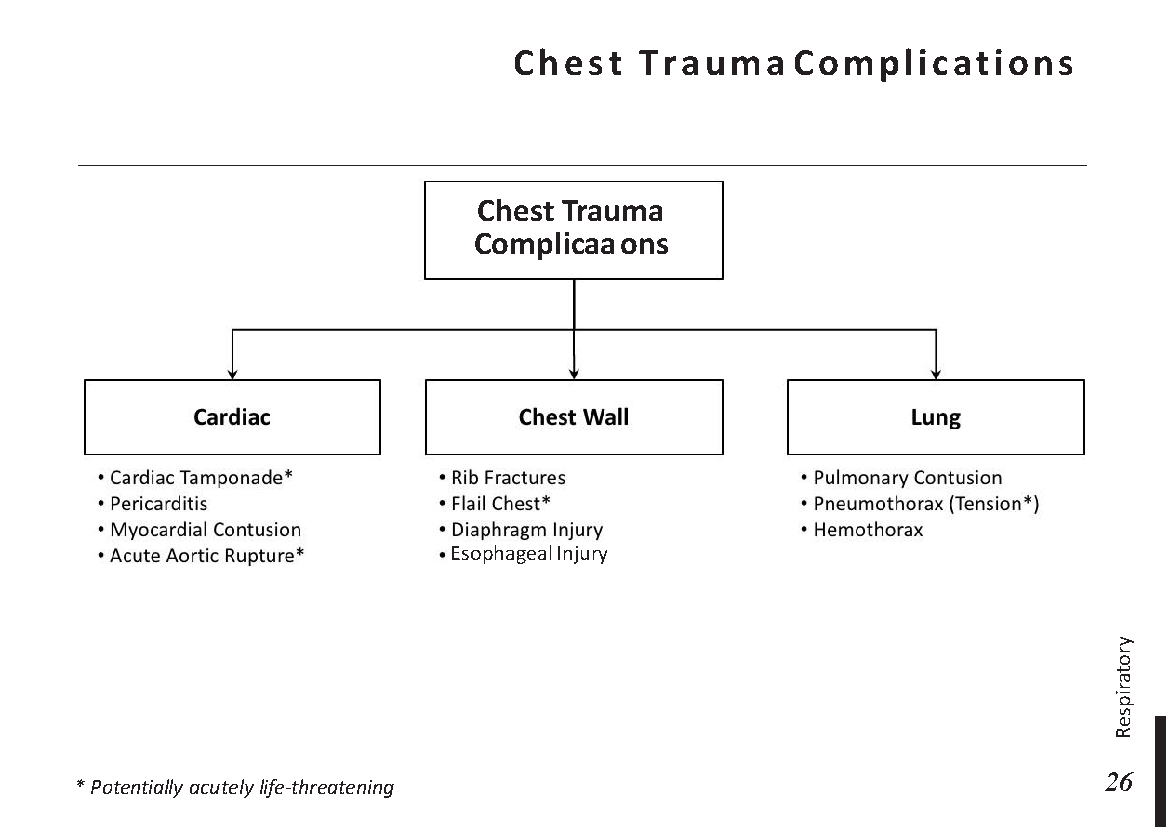
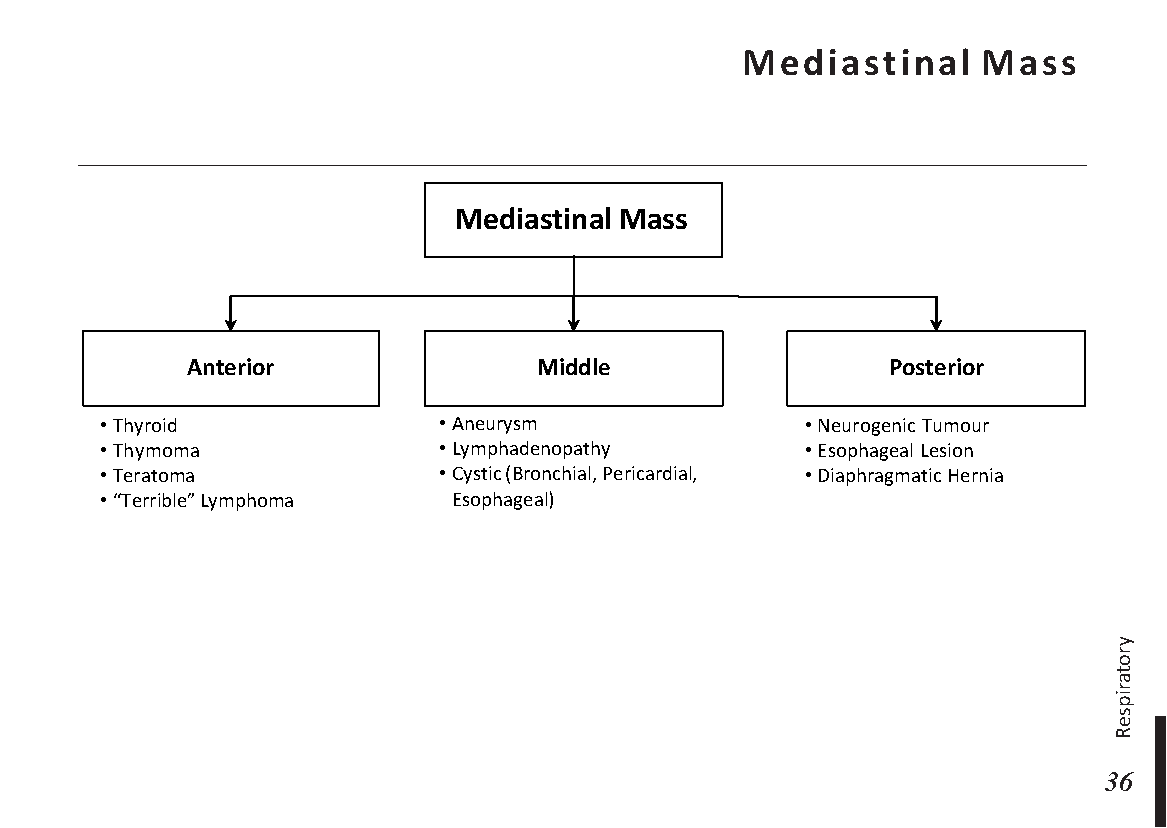
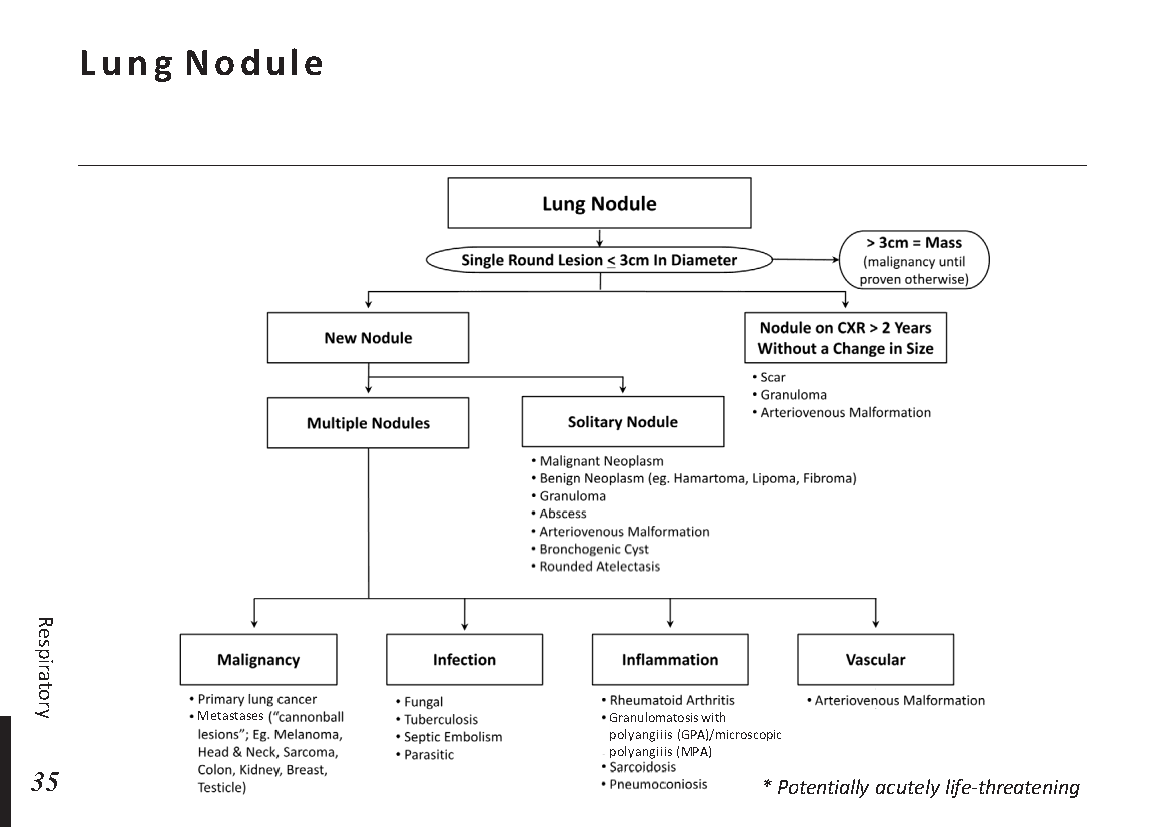
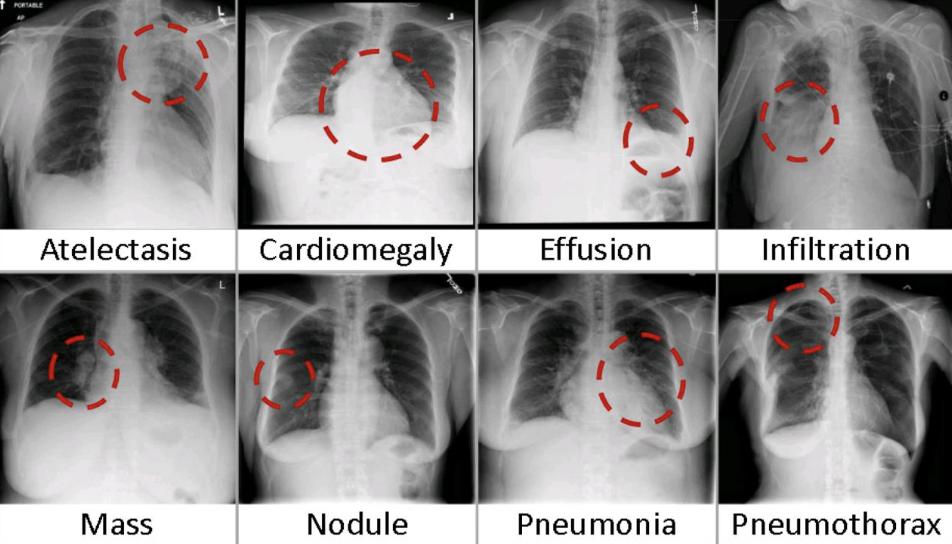
Common X-ray Findings:
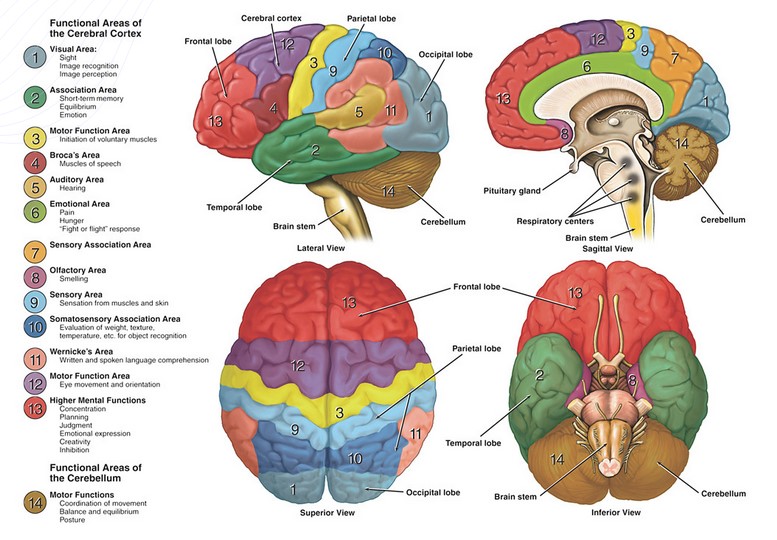
Major brain regions and their functions:
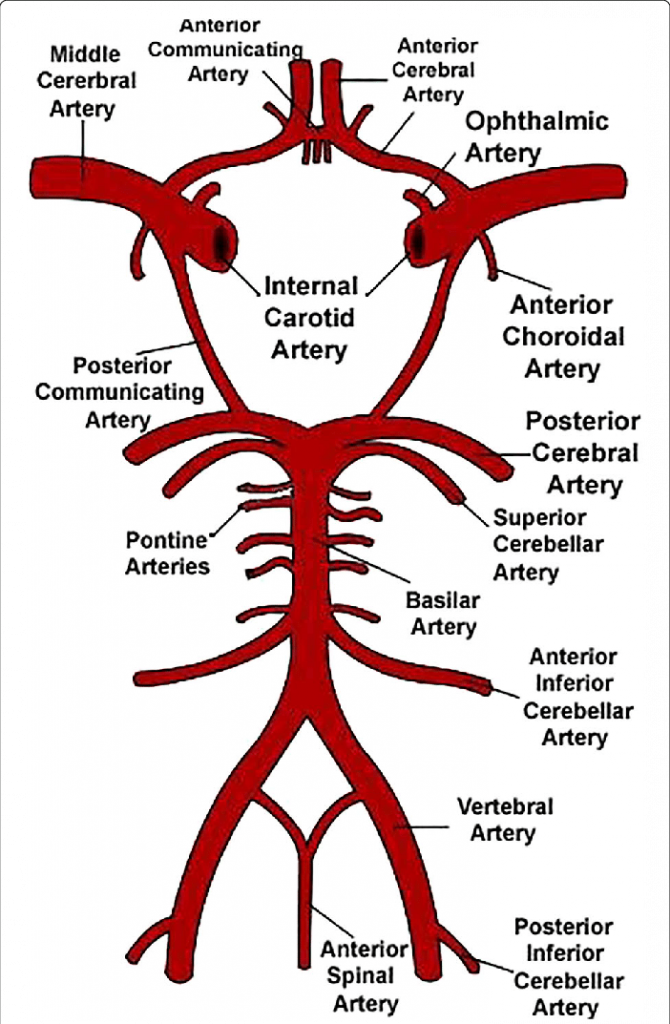
Circle of Willis:
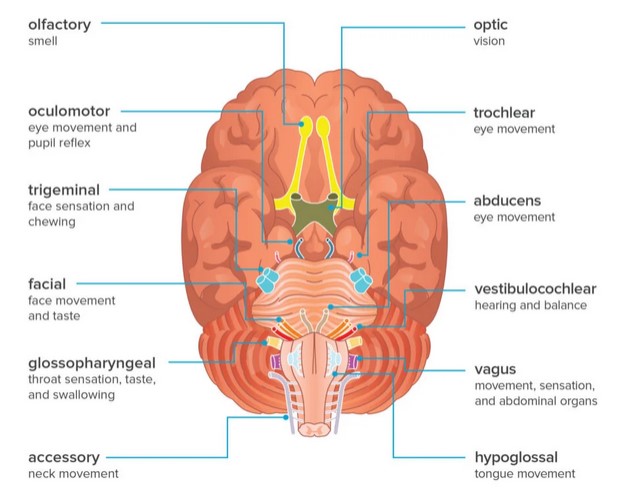
Cranial nerves and their functions:
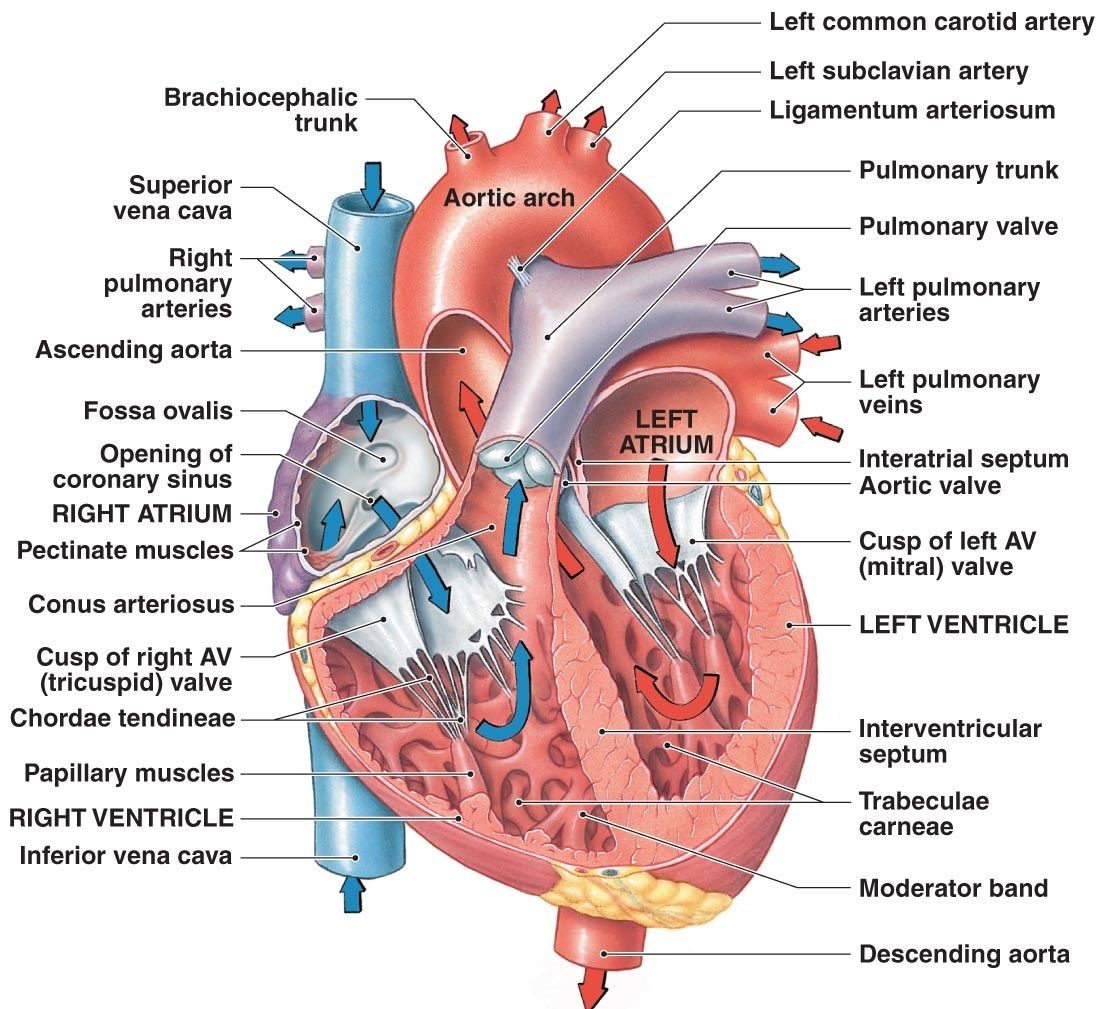
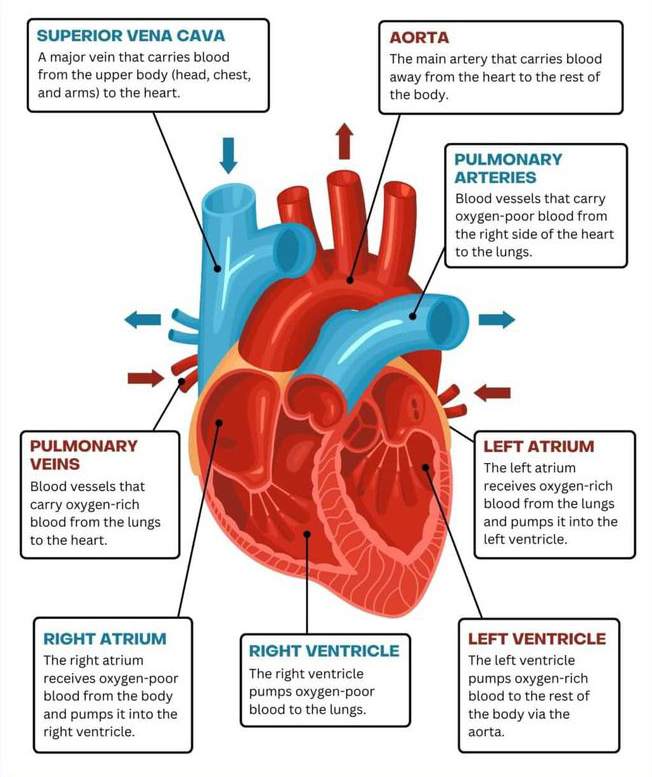
Heart anatomy and Physiology:
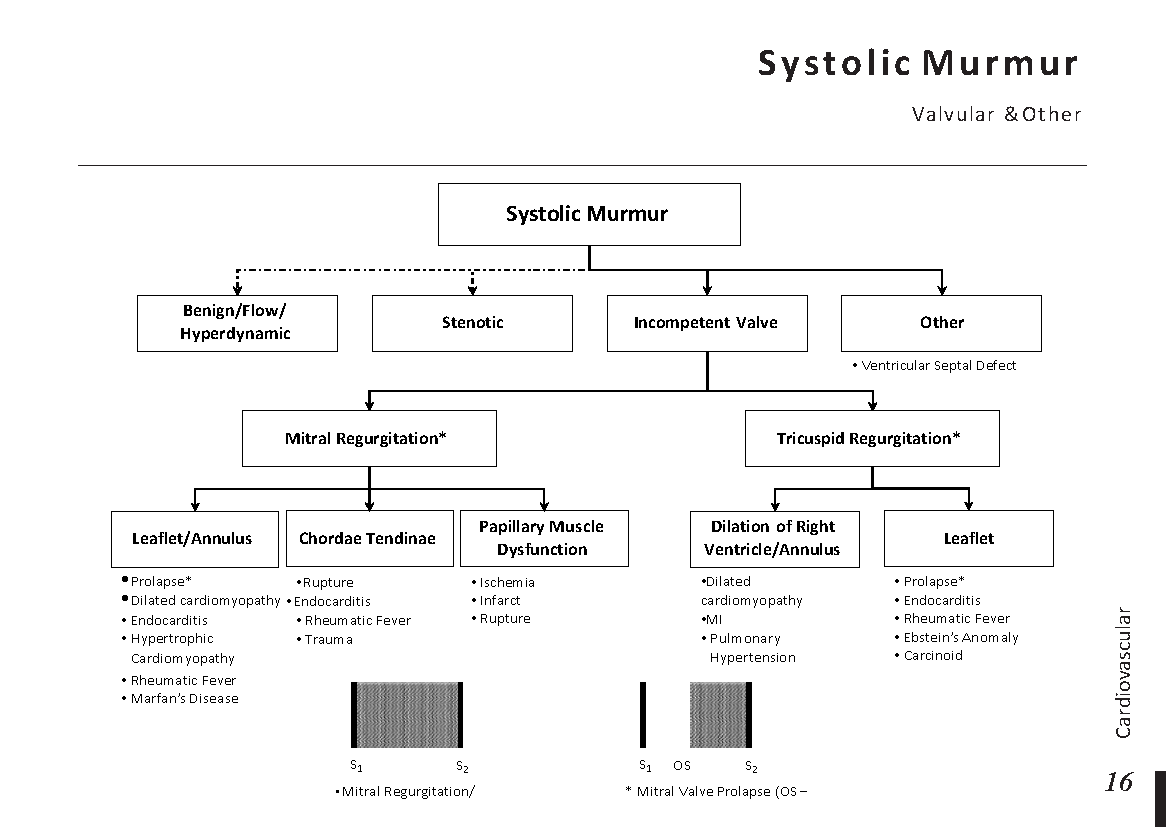
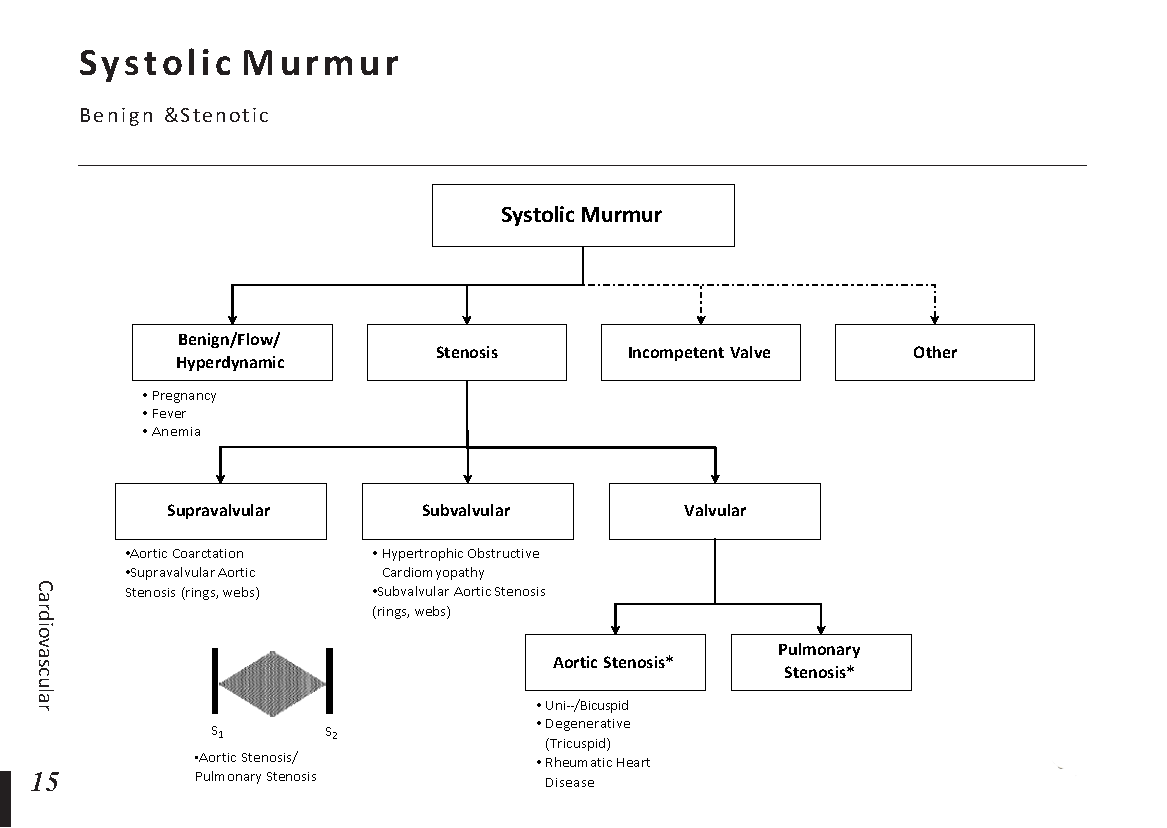
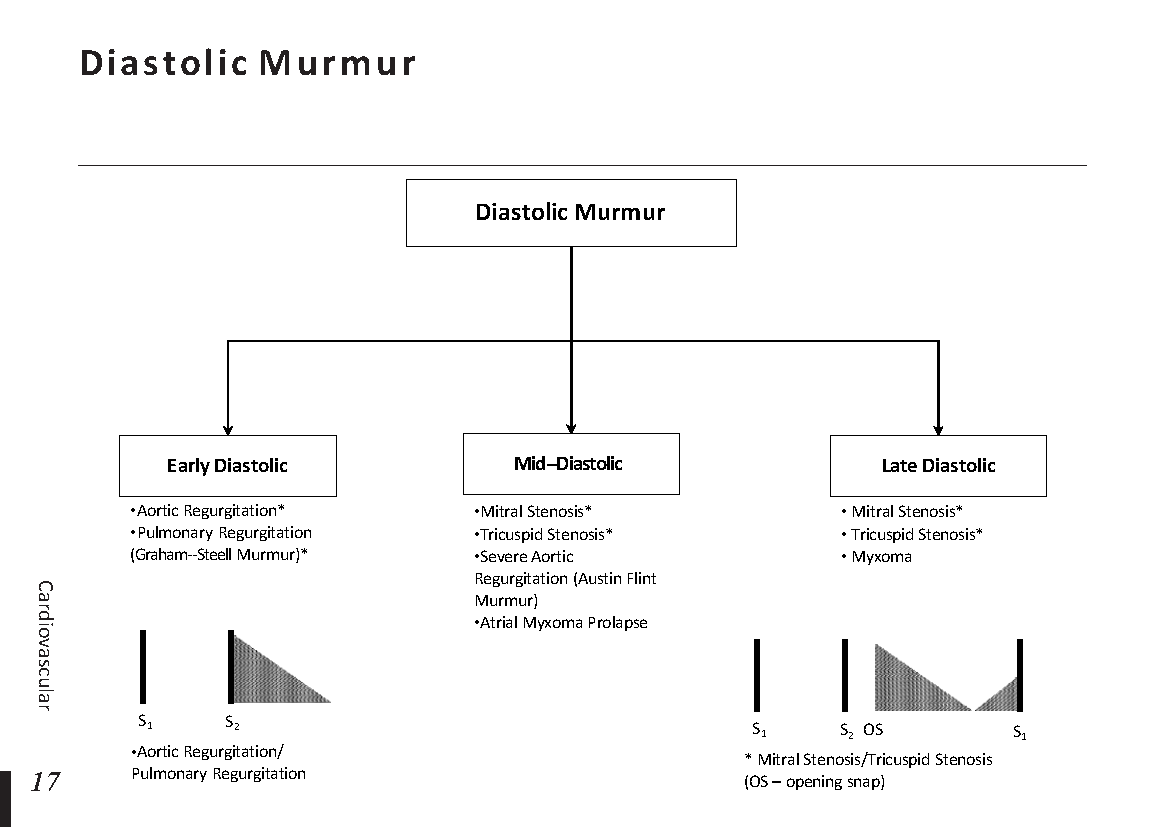
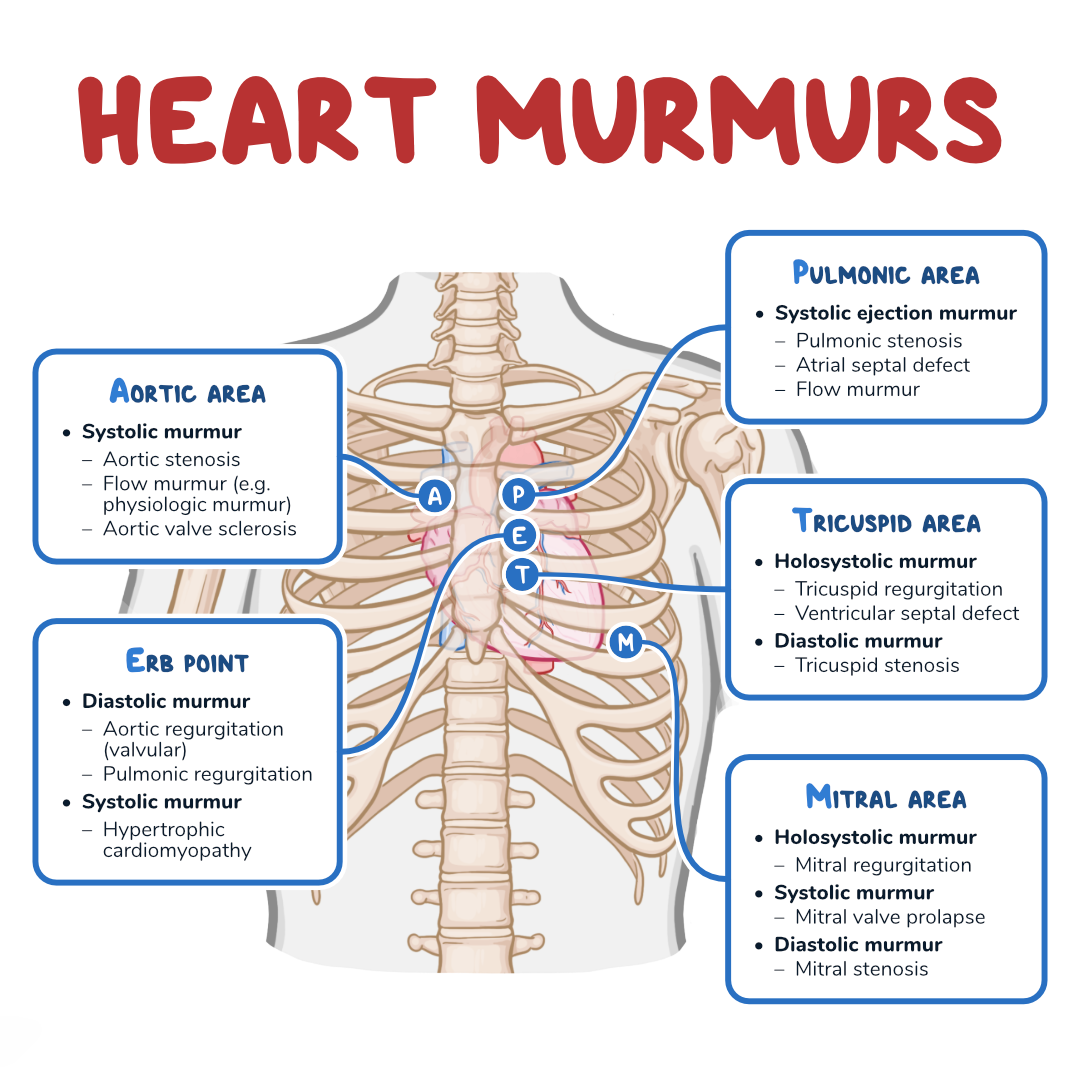
Heart Murmurs:
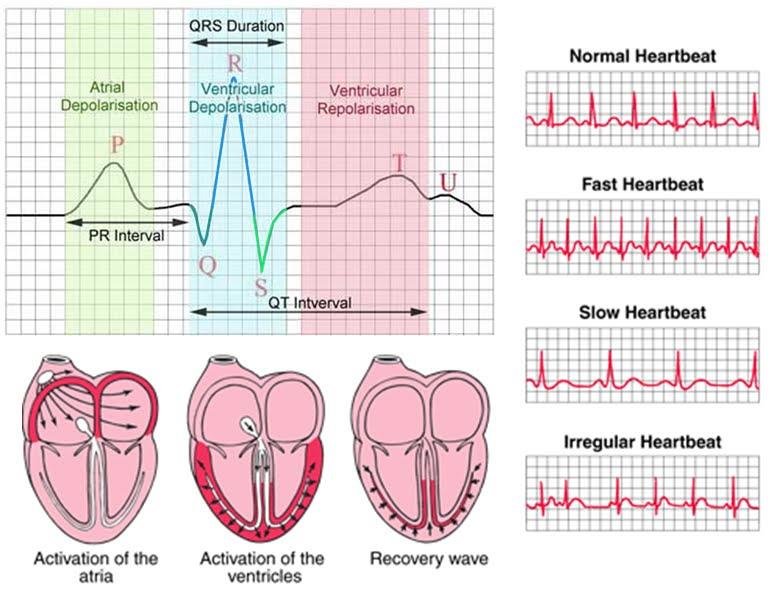
ECG Basics: