Pseudothrombocytopenia: When a Low Platelet Count Is False
A routine complete blood count reveals a platelet count of 28,000/µL in a patient who has no bruising, mucosal bleeding, or other obvious signs of a bleeding disorder. The result raises concern for severe thrombocytopenia, but the patient looks well. Before starting treatment or arranging an extensive investigation, an important question needs to be answered: is the platelet count genuinely low?
Pseudothrombocytopenia is a laboratory artifact in which platelets clump together in a blood sample, causing automated analyzers to report a falsely low platelet count. Recognizing this phenomenon can prevent misdiagnosis, unnecessary medication, avoidable hospital admission, and delays in appropriate care.
What Is Pseudothrombocytopenia?
Pseudothrombocytopenia refers to an artificially low platelet count reported by a laboratory despite the patient's circulating platelet count being higher than the measured result suggests.
The most familiar form is EDTA-dependent pseudothrombocytopenia. EDTA, the anticoagulant commonly used in complete blood count collection tubes, can expose platelet structures that allow naturally occurring antibodies to promote platelet aggregation under laboratory conditions.
The clumping generally occurs after the blood has been collected. The analyzer may count platelet clusters as larger particles, exclude them from the platelet count, or otherwise underestimate the number of individual platelets.
Why Does EDTA Cause Platelet Clumping?
EDTA binds calcium and changes the structure of certain platelet membrane glycoproteins. In susceptible blood samples, naturally occurring antibodies can recognize newly exposed epitopes and promote platelet aggregation.
These antibodies are often immunoglobulins that react under laboratory conditions. Their presence does not necessarily mean the patient has an autoimmune disease or a clinical bleeding disorder.
EDTA-dependent pseudothrombocytopenia is usually a phenomenon that develops in the collected sample. It should not be confused with immune thrombocytopenia, in which immune mechanisms cause a genuinely reduced platelet count in the patient.
EDTA is the best-known trigger, but platelet clumping can also occur with other anticoagulants. Changing collection tubes is therefore useful, but it does not guarantee that every sample will produce an accurate count.
Clinical Clues That Should Raise Suspicion
- No bleeding symptoms despite a very low result: The patient has no petechiae, mucosal bleeding, or unusual bruising. This discrepancy is a clue, not proof.
- An unexpected isolated platelet reduction: Hemoglobin and white blood cell results may be otherwise unremarkable, depending on the patient's condition.
- A previous normal platelet count: An abrupt, unexplained change may warrant verification.
- An analyzer flag: Laboratory instruments may report platelet clumps, abnormal platelet distribution, or related sample warnings.
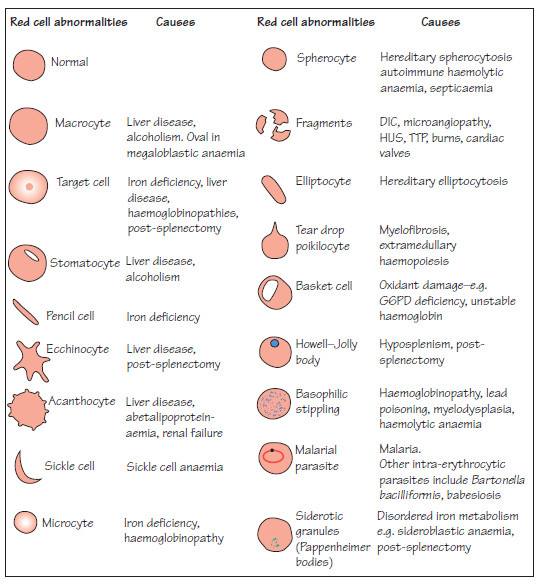
- Platelet aggregates on a blood smear: Microscopic examination may reveal clusters that explain the unexpectedly low automated count.
- Different counts from different samples: Platelet measurements may vary depending on the anticoagulant, sample handling, and time before analysis.
None of these clues is sufficient on its own. Some patients with genuine severe thrombocytopenia have no bleeding symptoms, and pseudothrombocytopenia may occur alongside a real hematologic disorder.
How to Confirm Pseudothrombocytopenia
Step 1: Review the complete blood count and analyzer flags
Check whether the laboratory has reported platelet clumping, an abnormal platelet histogram, or a result that requires microscopic review. Compare the current result with previous blood counts and the patient's clinical presentation.
Step 2: Examine a peripheral blood smear
A peripheral smear is a key part of the evaluation. The laboratory can look for platelet aggregates, estimate platelet abundance, and assess for other abnormalities such as schistocytes or unusually large platelets.
Clumps may be particularly visible near the feathered edge of the smear. Their presence supports an artifact, but the smear must also be examined for evidence of genuine hematologic disease.
Step 3: Repeat the sample using an alternative approach
A fresh blood sample collected in a sodium citrate tube is a common next step when EDTA-dependent clumping is suspected. The laboratory can repeat the platelet count and check the new smear for clumping.
Citrate dilutes the blood sample. Laboratories may apply an appropriate dilution correction, often approximately 1.1 for a standard citrate collection, according to their validated procedure. The correction should not be applied blindly when the collection method or laboratory protocol differs.
Step 4: Confirm that the alternative sample is reliable
If platelet clumping persists in citrate, the laboratory may consider another validated method, such as a different anticoagulant or specialized platelet-counting technique. Heparin does not eliminate clumping in every patient, and magnesium sulfate or other approaches may be available in specialized laboratories.
The laboratory should report any limitations affecting the reliability of the count. If no accurate automated count can be obtained, the laboratory and treating team should discuss the most appropriate method of assessment.
EDTA vs. Citrate: Understanding the Repeat Count
| Feature | EDTA sample | Citrate sample |
|---|---|---|
| Usual role | Routine complete blood count collection | Common alternative when EDTA-associated platelet clumping is suspected |
| Potential problem | May trigger platelet clumping in susceptible samples | May also show platelet clumping in some patients |
| Effect on measured count | Clumps may cause an artificially low automated platelet count | May provide a more reliable count if clumping resolves and the method is validated |
| Interpretation | Check for clumps and analyzer flags | Account for sample dilution and verify that clumping has not persisted |
The important result is not simply that the count rises in another tube. The laboratory must establish whether the new specimen is suitable for reliable platelet measurement.
Pseudothrombocytopenia vs. True Thrombocytopenia
| Finding | Pseudothrombocytopenia | True thrombocytopenia |
|---|---|---|
| Underlying problem | Platelet-counting artifact, commonly caused by in-vitro clumping | Genuinely reduced circulating platelet count |
| Blood smear | Platelet aggregates may be visible | Platelets may be reduced; morphology depends on the cause |
| Alternative sample | May produce a more accurate count if clumping resolves | Low count generally persists, although method-related variation is possible |
| Bleeding | Not caused by the artifact itself | Risk depends on platelet count, function, cause, and clinical context |
| Management | Verify and document the reliable platelet count | Investigate and manage the underlying cause as appropriate |
A patient can have both conditions. For example, someone with immune thrombocytopenia may also have EDTA-dependent clumping, making the automated count even lower than the true circulating platelet count.
What Happens If the Artifact Is Missed?
A falsely low platelet count can trigger unnecessary investigations and treatment. Depending on the clinical situation, a patient may undergo an avoidable hospital admission, receive inappropriate corticosteroids or other immune-directed therapy, or have a necessary procedure postponed.
In some circumstances, a false result can lead to an unnecessary platelet transfusion. Transfusion decisions should always be based on the verified laboratory findings, the clinical situation, and established indications.
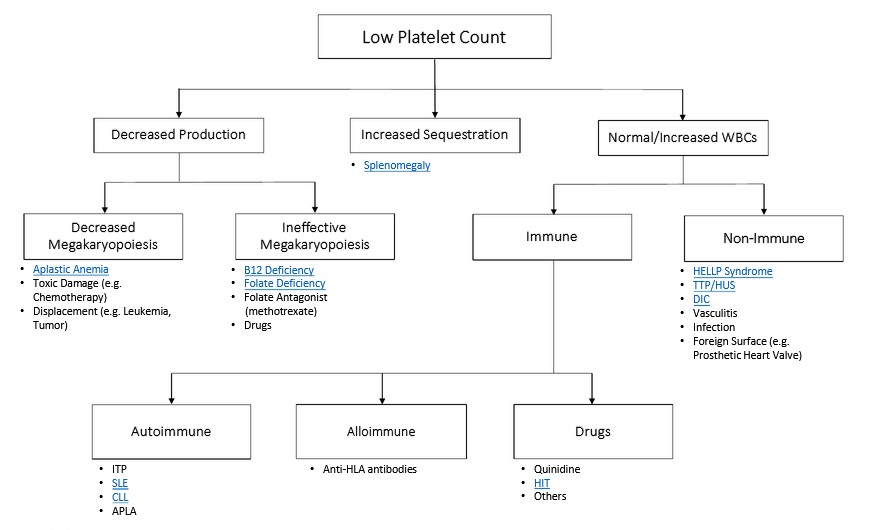
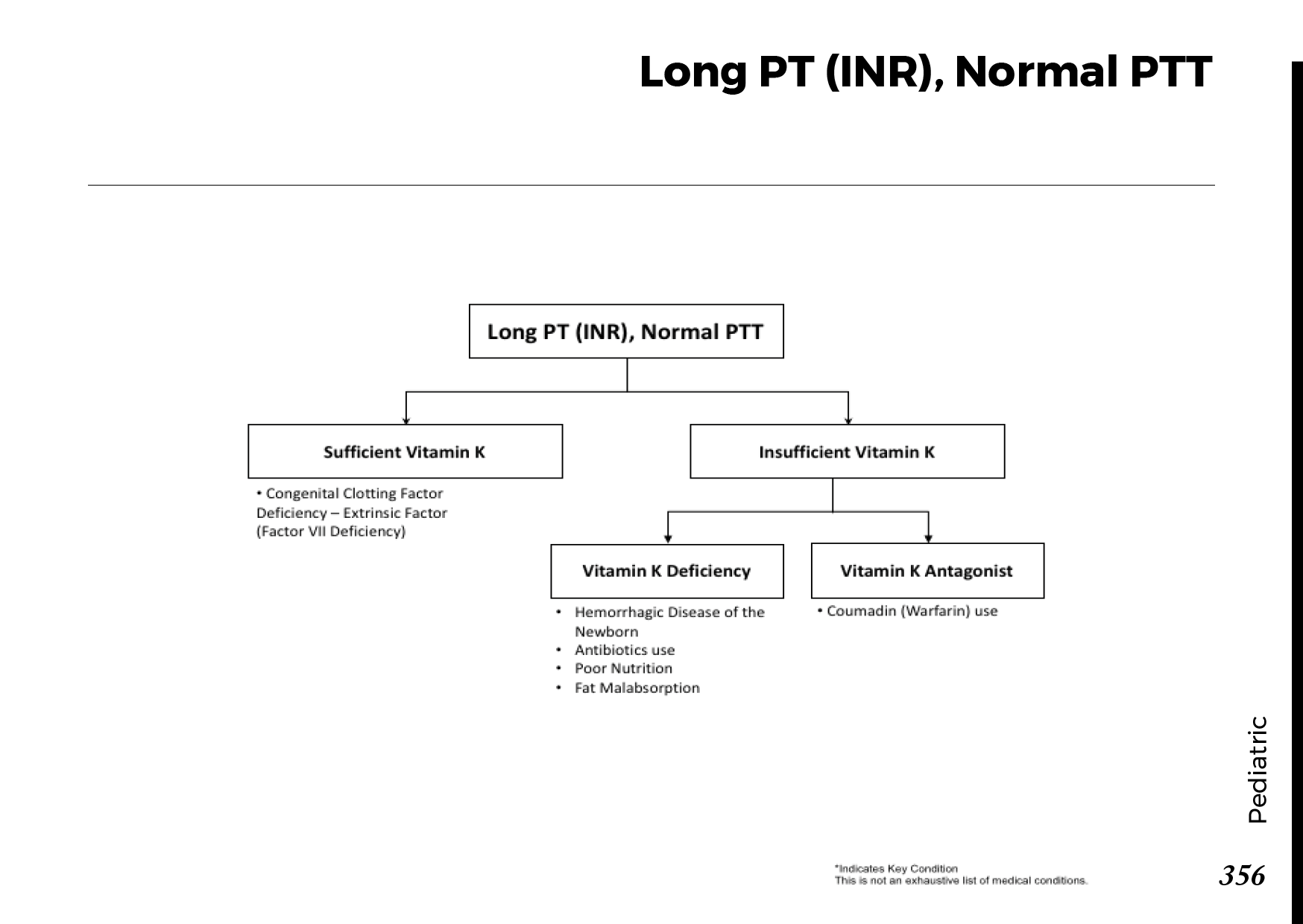
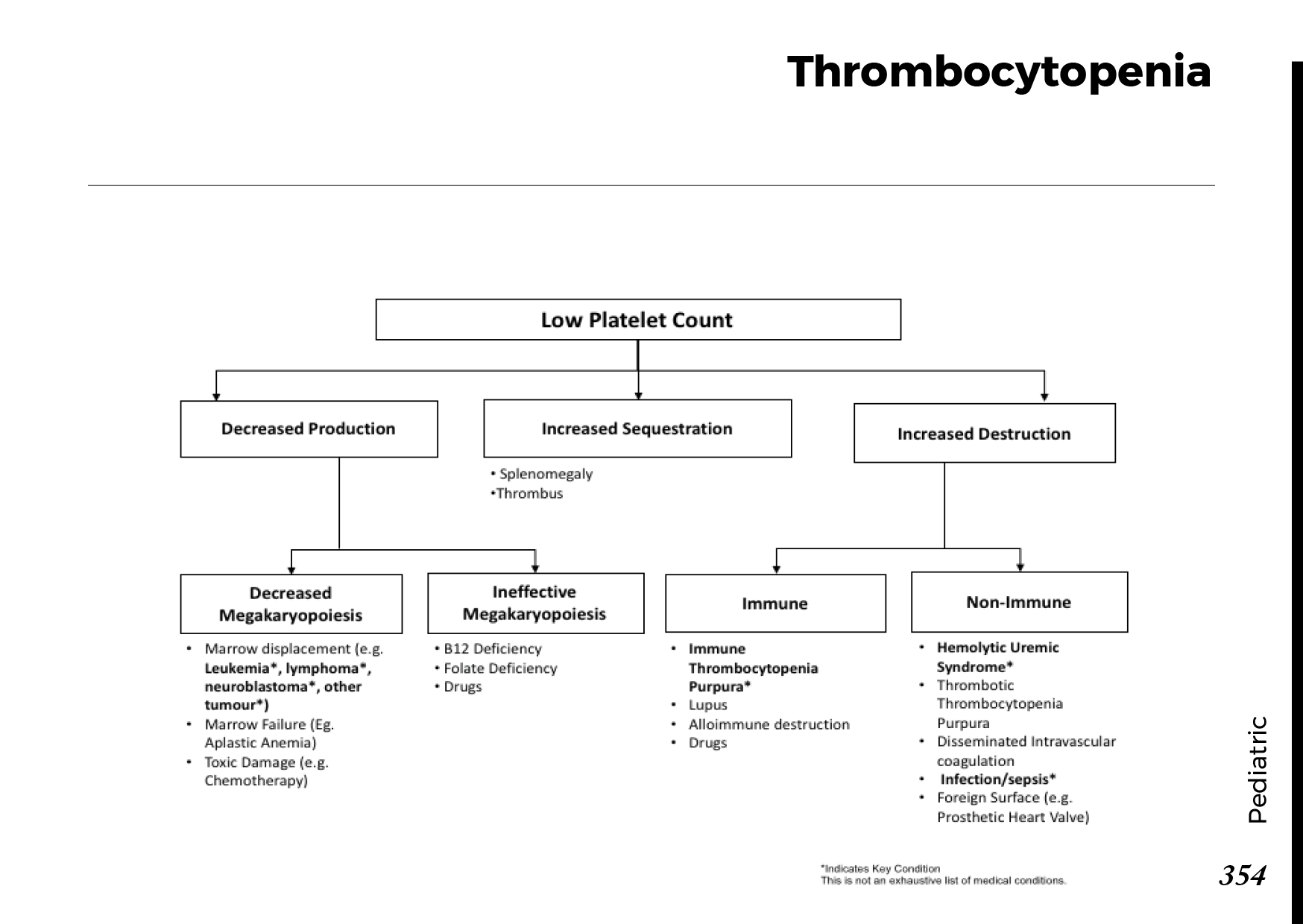
The opposite error is also dangerous: assuming that all low platelet counts are artifacts can delay recognition of genuine thrombocytopenia caused by sepsis, disseminated intravascular coagulation, thrombotic microangiopathy, medication effects, or bone marrow disease.
Clinical Cases: Applying the Diagnosis
Case 1: A surprisingly low platelet count before surgery
A patient undergoing routine preoperative testing has a platelet count of 34,000/µL. The patient feels well and has no bleeding history. The analyzer flags possible platelet clumps.
What should happen next?
The result needs prompt verification. A peripheral smear and repeat sample using an appropriate alternative method can help determine whether clumping explains the low count. Decisions about surgery should wait until the platelet result and any genuine bleeding risk have been assessed.
Teaching point: Verify an unexpected result before treating the number as proof of a bleeding disorder.
Case 2: Platelets appear to fall during hospitalization
A hospitalized patient has a platelet count of 190,000/µL on admission and 42,000/µL two days later. The patient has no new bleeding, but the blood sample contains visible platelet aggregates on smear review.
Can the entire fall be dismissed as an artifact?
No. Clumping may explain the reported count, but the team must establish a reliable platelet measurement and evaluate the clinical context. If the patient is at risk for heparin-induced thrombocytopenia, sepsis-associated thrombocytopenia, or another serious condition, that assessment must proceed appropriately.
Teaching point: Identifying an artifact does not eliminate the need to investigate other possible causes.
Case 3: The citrate platelet count is still low
A patient has a low platelet count in EDTA. A citrate sample is collected, but the result remains low and the laboratory notes further platelet clumping.
Does this rule out pseudothrombocytopenia?
No. Clumping can persist in alternative anticoagulants. The laboratory may need another validated collection or counting approach. Meanwhile, the clinician should assess for bleeding and other evidence of true thrombocytopenia.
Teaching point: Changing anticoagulants is a diagnostic strategy, not a guarantee of an accurate result.
Common Clinical Mistakes
- Treating the automated number without checking sample validity: An unexpected low count may need smear review and confirmation.
- Assuming absence of bleeding proves an artifact: Genuine thrombocytopenia can be asymptomatic.
- Relying on a single alternative tube: Citrate and other anticoagulants do not prevent clumping in every case.
- Forgetting the citrate dilution correction: Follow the laboratory's validated calculation and reporting method.
- Ignoring the possibility of two simultaneous conditions: A patient can have true thrombocytopenia and pseudothrombocytopenia together.
- Failing to communicate the confirmed artifact: Document the reliable count and alert relevant clinical teams to reduce repeated investigations and future confusion.
Frequently Asked Questions
Is pseudothrombocytopenia dangerous?
The laboratory artifact itself does not cause bleeding. However, it can lead to inappropriate treatment or distract from a genuine underlying illness if it is not recognized correctly.
Can pseudothrombocytopenia occur without symptoms?
Yes. Because the apparent platelet reduction is caused by sample-related clumping, patients may have no symptoms attributable to the reported low count.
Does a normal platelet count in citrate confirm the diagnosis?
It supports EDTA-dependent pseudothrombocytopenia when the sample is properly collected, clumping has resolved, and the laboratory confirms that the method is reliable. The clinical context and smear findings still matter.
Can pseudothrombocytopenia occur in more than one type of tube?
Yes. Some patients have clumping with citrate or other anticoagulants as well as EDTA. The laboratory may need an alternative validated approach to establish a reliable count.
Does pseudothrombocytopenia mean the patient has an autoimmune disease?
No. Antibodies may contribute to the in-vitro clumping, but pseudothrombocytopenia alone does not establish an autoimmune disease or immune-mediated platelet destruction in the patient.
Should platelet transfusion be given for a falsely low count?
The artifact alone is not an indication for platelet transfusion. Transfusion decisions should be based on a verified assessment of the patient's platelet status, clinical condition, and applicable guidelines.
Key Takeaways
- Pseudothrombocytopenia is a falsely low platelet count caused by a laboratory artifact.
- EDTA-dependent platelet clumping is the best-known form.
- Peripheral smear review and repeat testing using an appropriate validated method are central to confirmation.
- Citrate samples may require a dilution correction, and clumping can persist in alternative tubes.
- Do not treat an unexpected platelet count without assessing whether it is reliable.
- Do not dismiss genuine thrombocytopenia simply because an artifact is suspected.
Further Reading
- Lardinois B, et al. Pseudothrombocytopenia—A Review on Causes, Occurrence and Clinical Implications. Journal of Clinical Medicine. Read the review on PubMed Central.
- Cattaneo M. Pseudothrombocytopenia and other conditions associated with spuriously low platelet counts. Thrombosis and Haemostasis. Find the publication on PubMed.
Educational disclaimer: This article is intended for medical education and clinical reasoning. It does not replace laboratory consultation, professional judgment, or local clinical protocols. A critically ill patient or a patient with active bleeding requires urgent assessment even when a laboratory artifact is suspected.
 Menstrual cycle physiology: