Delayed Hemolytic Transfusion Reaction: Signs, Diagnosis, and Management
A patient receives a red blood cell transfusion, appears to improve, and is discharged. Several days later, the patient returns with fatigue, jaundice, dark urine, and a hemoglobin concentration that has fallen unexpectedly. The original bleeding may have stopped, yet the anemia is returning.
One important possibility is a delayed hemolytic transfusion reaction (DHTR). Unlike an acute transfusion reaction, which often develops during transfusion or shortly afterward, a delayed reaction may not become apparent until days later. Recognizing this pattern is important because further transfusion decisions can become more complicated, particularly in patients with sickle cell disease or a history of red blood cell antibodies.
What Is a Delayed Hemolytic Transfusion Reaction?
A delayed hemolytic transfusion reaction occurs when transfused red blood cells are destroyed after the transfusion, usually because the recipient has an immune response against an antigen on those cells. The reaction commonly involves an antibody response that was not detectable or was not known at the time of transfusion.
A recipient may have developed an antibody during an earlier transfusion or pregnancy. Antibody levels can subsequently decline until routine screening no longer detects them. When the patient is exposed to the same red blood cell antigen again, the immune system may mount a faster secondary response.
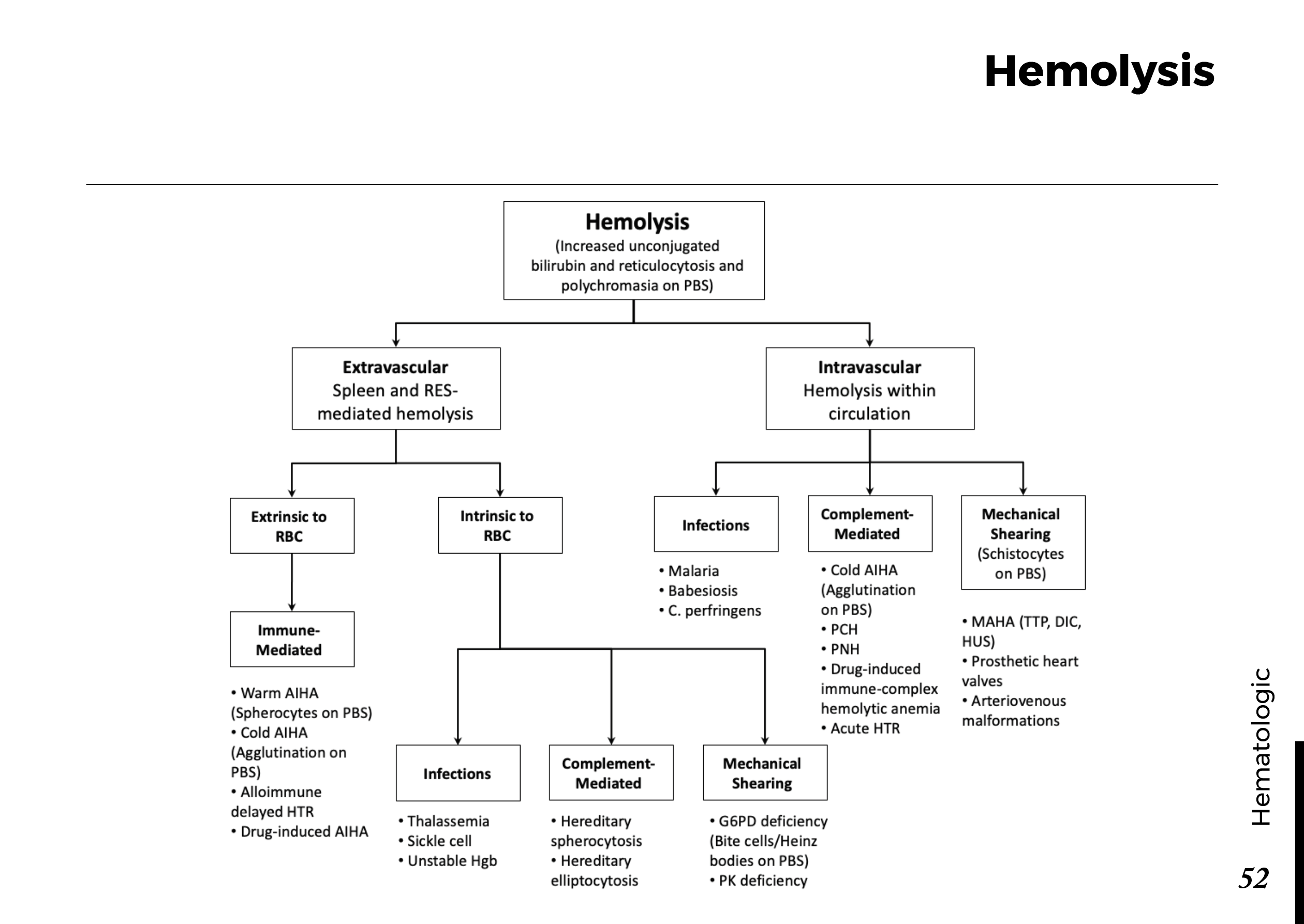
This is called an anamnestic immune response. The resulting antibody may bind to transfused red blood cells and promote their destruction, often through extravascular hemolysis.
When Does It Occur?
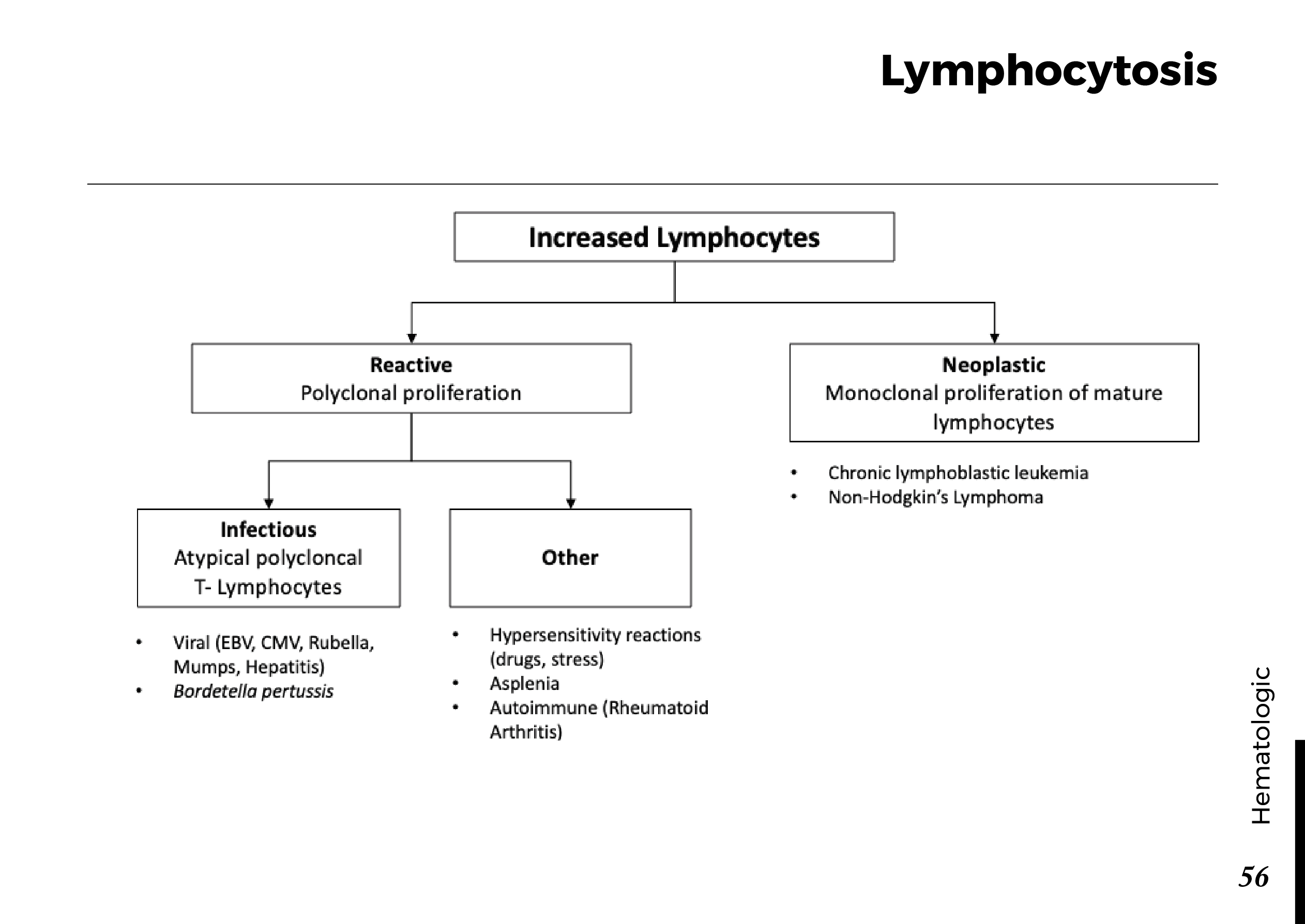
Delayed hemolytic transfusion reactions commonly appear within days to a few weeks after transfusion. Many become apparent approximately 3–14 days afterward, although the timing varies. Definitions and reporting windows differ among clinical guidelines and transfusion services.
Because the patient may already be at home, the reaction can be mistaken for recurrent bleeding, progression of the original illness, infection, or worsening chronic anemia.
The absence of an immediate reaction during transfusion does not exclude a delayed immune complication. The transfusion history remains relevant when evaluating unexplained anemia in the following weeks.
Why Do These Reactions Happen?
1. Previous sensitization
A previous transfusion or pregnancy may expose a person to red blood cell antigens that differ from their own. The immune system can form antibodies against these antigens without causing an immediate clinical problem.
2. Antibodies become difficult to detect
Some red blood cell antibodies decline over time and may fall below the detection threshold of routine screening tests. This is known as antibody evanescence. A negative antibody screen at the time of a later transfusion therefore does not guarantee that the patient has never formed a clinically significant antibody.
3. Re-exposure triggers an immune response
When the patient receives red blood cells carrying the relevant antigen again, antibody production can increase. Antibodies directed against Rh, Kidd, Duffy, Kell, and other blood group antigens may be involved.
4. Transfused red cells are destroyed
Antibody binding can lead to red blood cell removal by immune cells, particularly in the spleen and liver. Complement may contribute in some reactions. The resulting hemolysis can reduce the expected benefit of the transfusion and produce biochemical evidence of red blood cell breakdown.
Signs and Symptoms to Recognize
Presentation ranges from subtle laboratory abnormalities to clinically significant anemia and hemolysis. Symptoms may be nonspecific, especially in patients who are already unwell.
- Fatigue or weakness: May reflect a falling hemoglobin concentration.
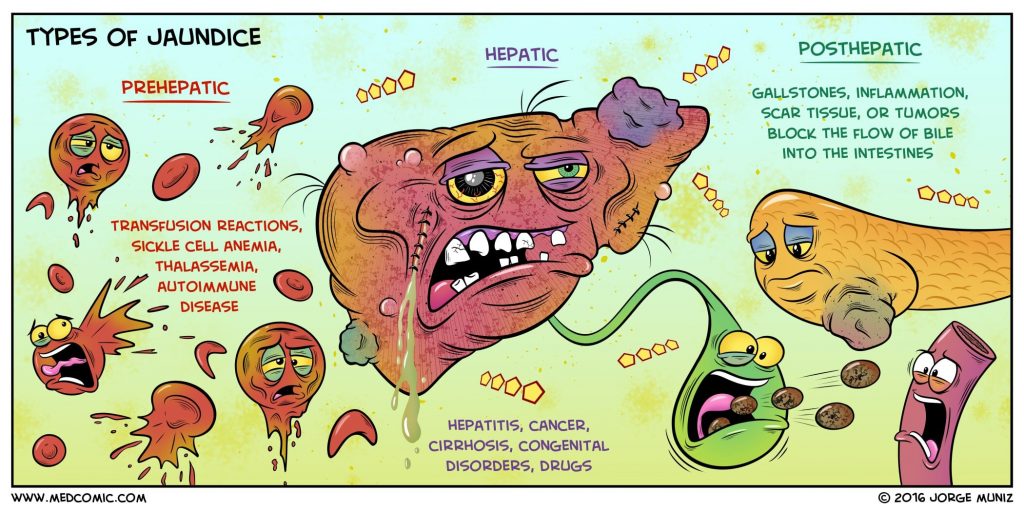
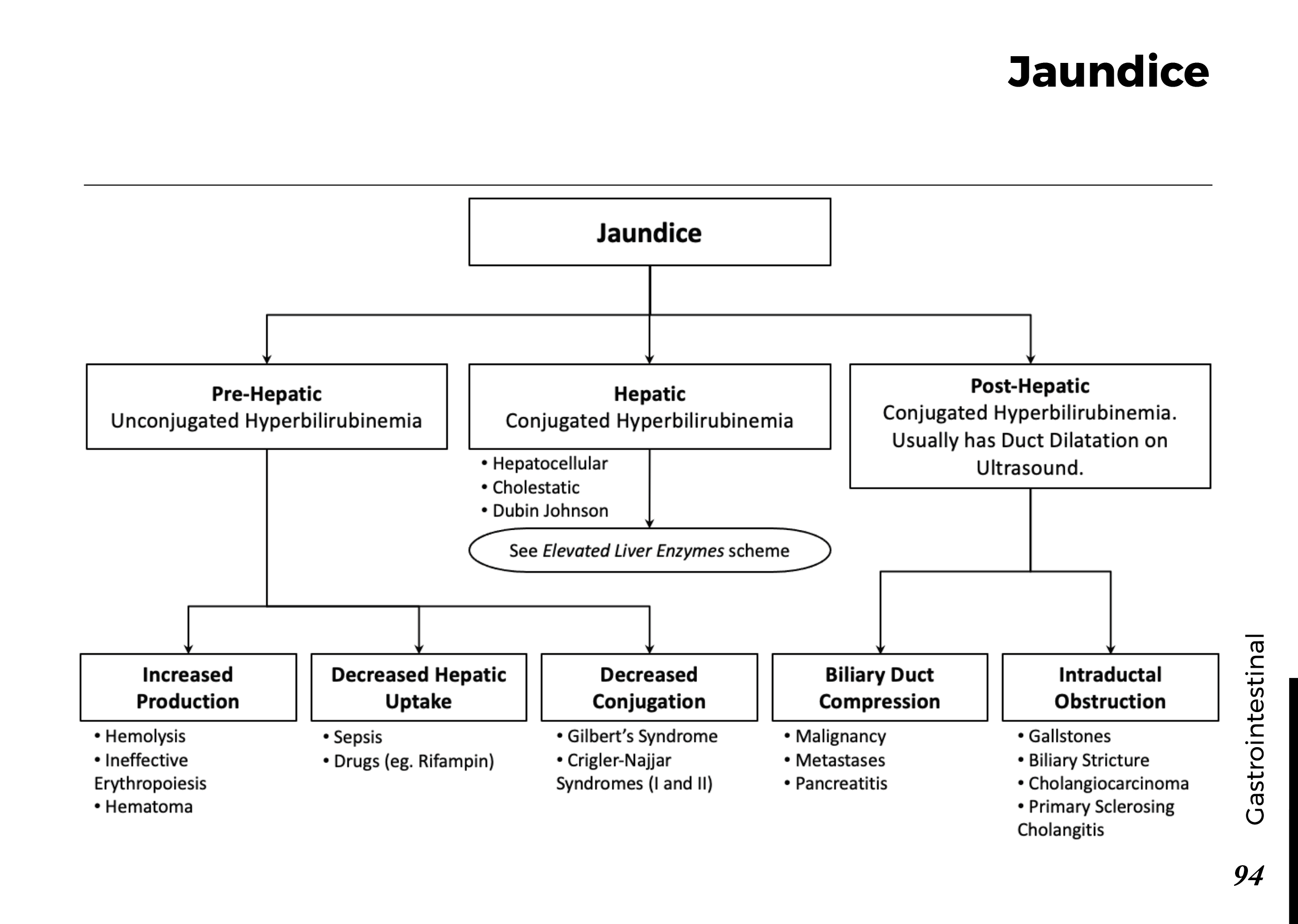
- Jaundice: Increased bilirubin from red blood cell breakdown can cause yellowing of the skin or eyes.
- Dark urine: May occur when hemoglobin is present in the urine, although dark urine has other causes.
- Fever: May occur but is not specific to a transfusion reaction.
- Back or abdominal discomfort: Can occur in hemolytic reactions but is not present in every case.
- Unexpectedly falling hemoglobin: The post-transfusion hemoglobin may decline more than expected.
- Shortness of breath, tachycardia, or dizziness: May indicate clinically important anemia or another complication.
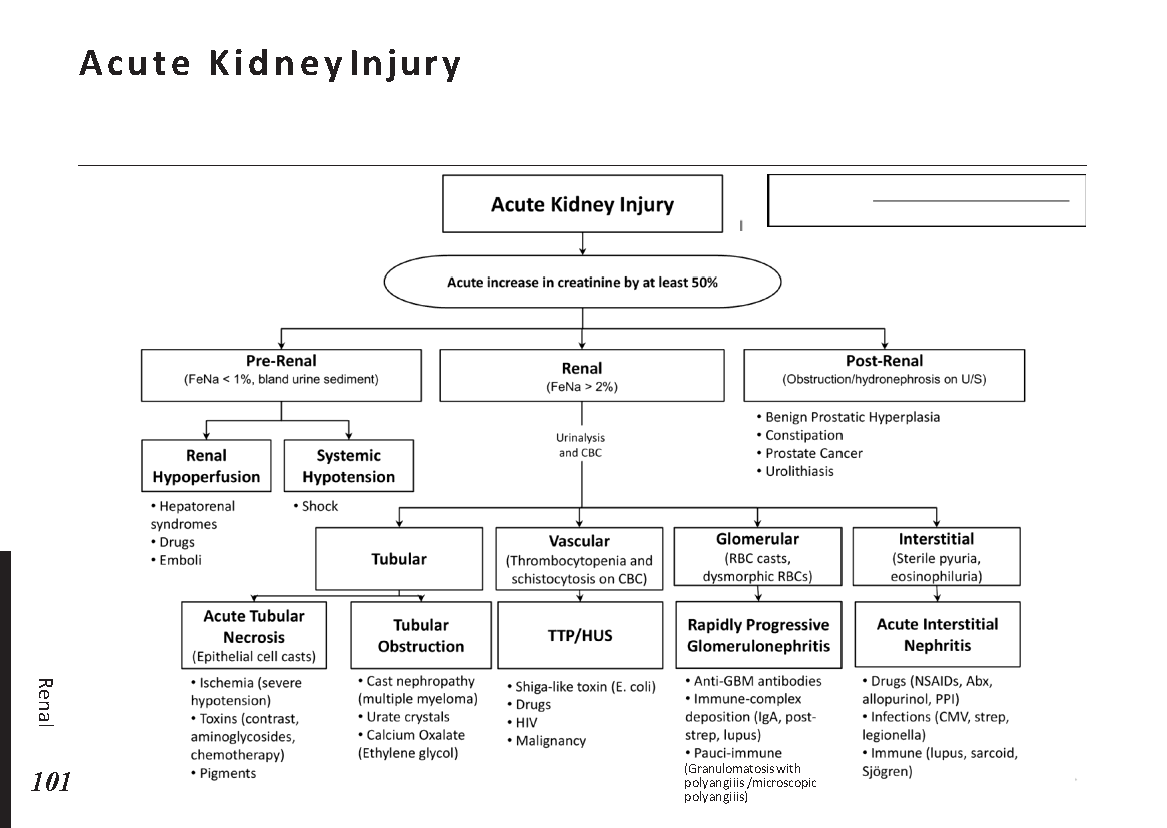
Severe hemolysis can cause hemodynamic instability, acute kidney injury, or other serious complications. A patient with marked weakness, breathing difficulty, chest pain, fainting, reduced urine output, or signs of circulatory compromise needs urgent assessment.
Laboratory Findings: What Supports the Diagnosis?
No single test establishes every delayed hemolytic transfusion reaction. Diagnosis relies on the transfusion timeline, evidence of hemolysis, antibody investigations, and exclusion of other explanations for the falling hemoglobin.
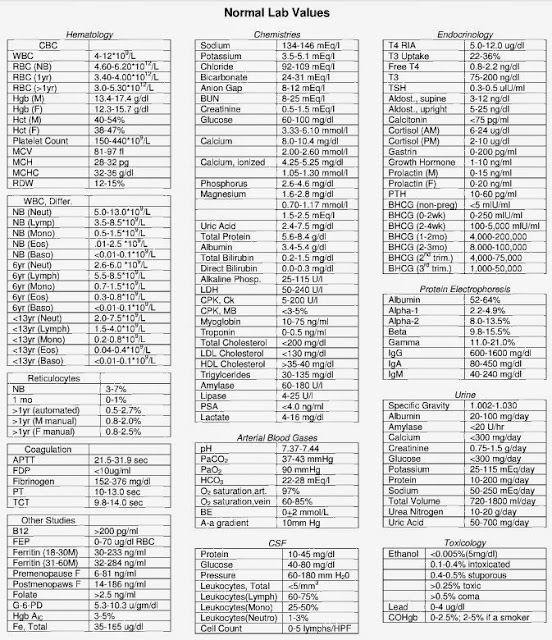
| Investigation | Possible finding | Clinical interpretation |
|---|---|---|
| Complete blood count | Hemoglobin lower than expected after transfusion | Compare with pre-transfusion and post-transfusion values and the patient's clinical course. |
| Indirect bilirubin | May be increased | Can support increased red blood cell breakdown, but is not specific. |
| Lactate dehydrogenase (LDH) | May be increased | Supports cell injury or hemolysis in the appropriate context. |
| Haptoglobin | May be decreased | Can support hemolysis, although liver disease and inflammation affect interpretation. |
| Reticulocyte count | May increase, but response can be inadequate | Interpret in relation to baseline anemia, marrow function, and the clinical condition. |
| Direct antiglobulin test (DAT) | May be positive | Detects antibody or complement attached to red blood cells; a negative result does not exclude every reaction. |
| Antibody screen and identification | A new or previously known red blood cell antibody may be identified | Helps identify the immune specificity and guide future blood selection. |
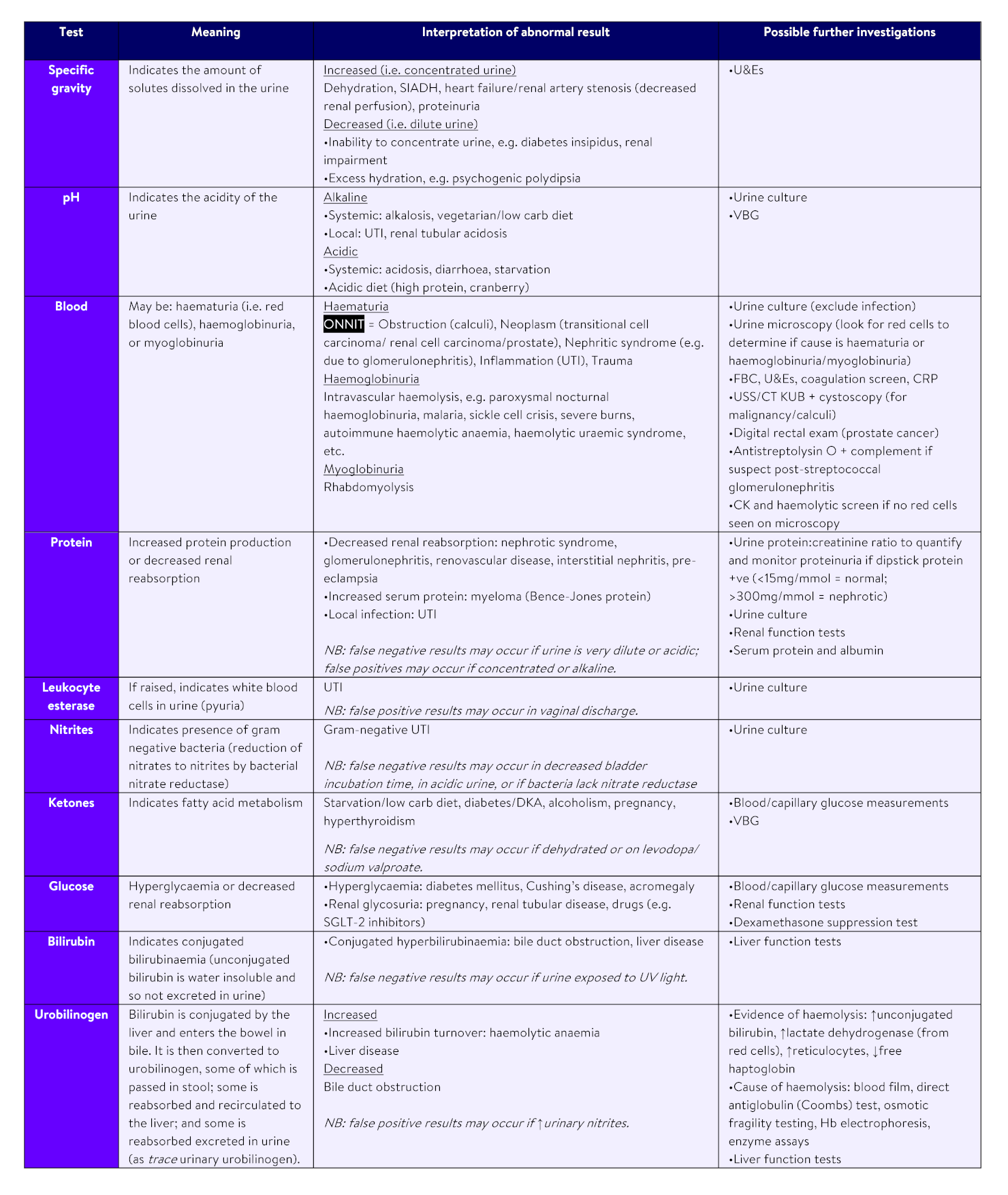
| Urinalysis and renal function | Possible hemoglobinuria or kidney injury | Useful when intravascular hemolysis or a severe complication is suspected. |
Results must be interpreted together. For example, LDH can rise in conditions other than hemolysis, and bilirubin can be elevated in liver or biliary disease. The patient's baseline laboratory values can be especially important when chronic anemia or another hematologic condition is present.
Direct Antiglobulin Test: What Does It Tell You?
The direct antiglobulin test, also called the direct Coombs test, detects immunoglobulin and/or complement attached to red blood cells. A positive result can support an immune-mediated process, including a delayed hemolytic transfusion reaction.
However, a positive DAT does not independently prove that clinically significant hemolysis is occurring. Conversely, a negative DAT does not completely exclude a delayed reaction. Antibody levels, the timing of testing, the proportion of affected cells, and other technical or clinical factors can influence results.
When suspicion remains high, the transfusion service may repeat antibody investigations, review the pre-transfusion sample and historical antibody records, and investigate the antigen profile of the implicated red blood cells.
Delayed Hemolytic Reaction vs. Other Causes of Falling Hemoglobin
| Possible cause | Clues that may help distinguish it |
|---|---|
| Delayed hemolytic transfusion reaction | Recent transfusion, hemolysis markers, and possibly a new or historical red blood cell antibody. |
| Recurrent bleeding | Evidence of blood loss, hemodynamic changes, symptoms at a bleeding site, or relevant imaging findings. |
| Hemodilution | Recent fluid administration and a fall in measured hemoglobin without corresponding evidence of hemolysis. |
| Autoimmune hemolytic anemia | Immune-mediated red blood cell destruction that may occur independently of transfusion; serology and clinical context help distinguish it. |
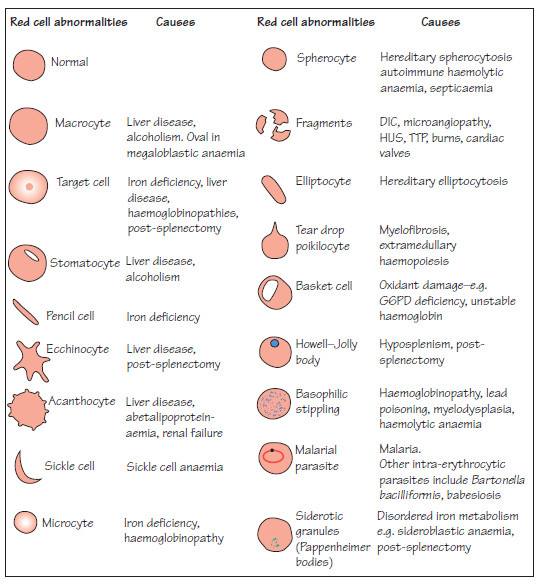
| Mechanical or microangiopathic hemolysis | Potentially relevant findings include schistocytes, platelet abnormalities, mechanical circulatory devices, or other evidence of red cell fragmentation. |
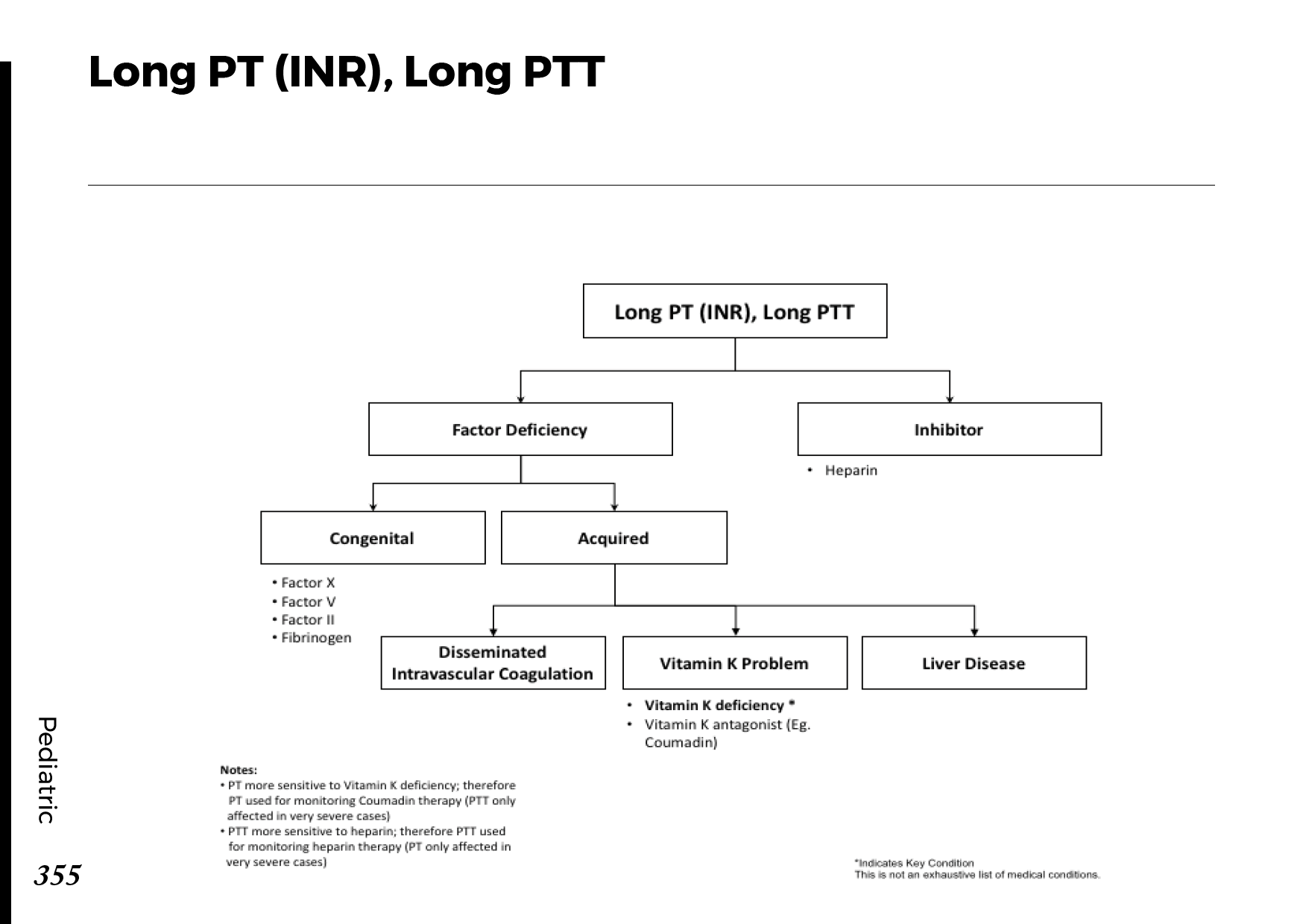
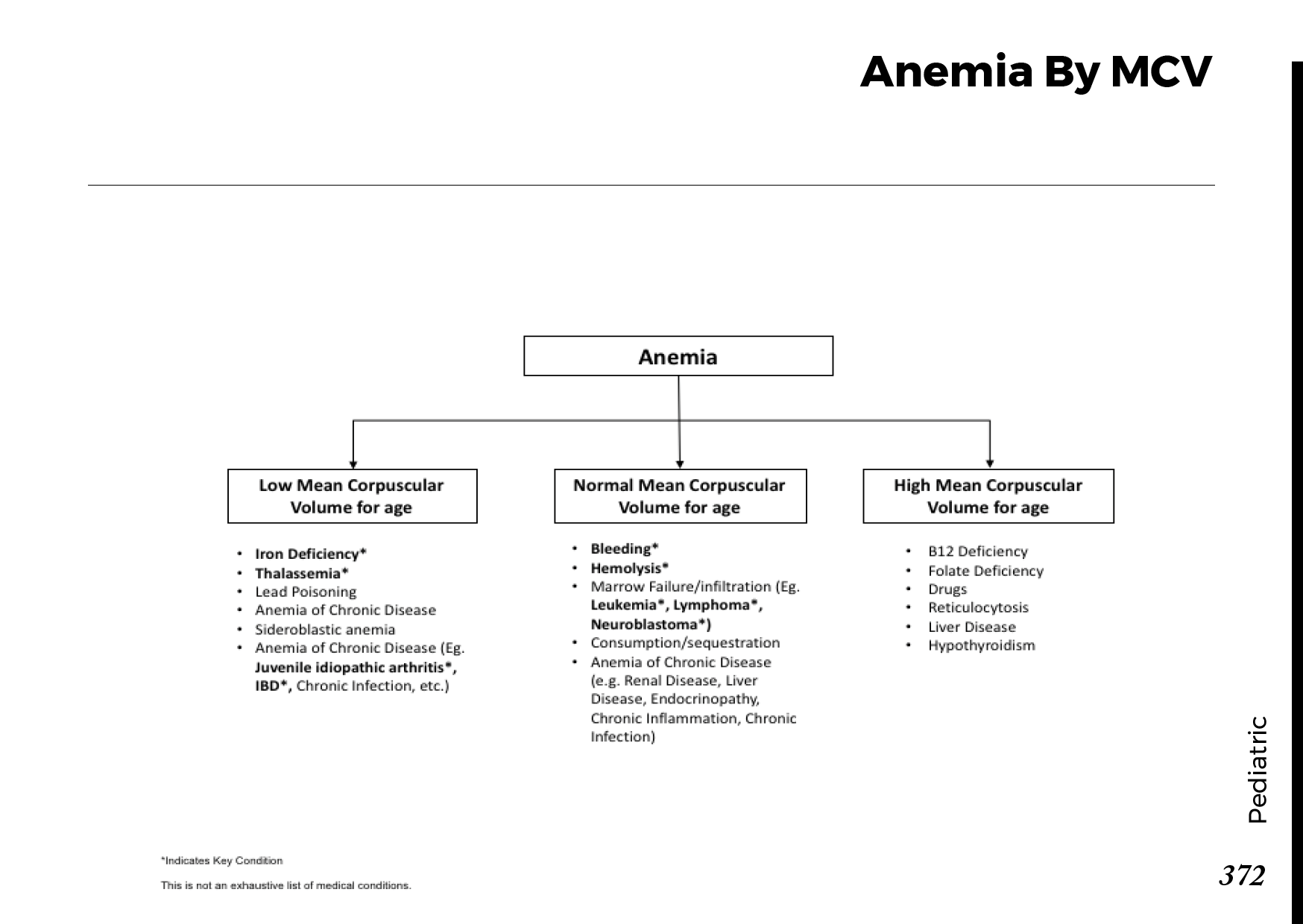
| Reduced red blood cell production | Inadequate marrow response, nutritional deficiency, chronic disease, or bone marrow disorders may contribute. |
These conditions are not mutually exclusive. A patient can have recurrent bleeding and hemolysis at the same time, so the evaluation should follow the available clinical evidence.
Management: What Should Clinicians Do?
1. Assess the patient's clinical stability
Evaluate vital signs, symptoms, oxygenation, urine output, renal function, and the severity of anemia. Hemodynamic instability, severe symptomatic anemia, or evidence of organ injury requires urgent management.
2. Contact the transfusion service
Inform the treating team and transfusion medicine or blood bank service when a delayed hemolytic transfusion reaction is suspected. Provide the transfusion dates, pre- and post-transfusion hemoglobin values, symptoms, and available hemolysis results.
Review prior transfusion records and historical antibody results. Previously documented clinically significant antibodies remain important even if they are no longer detectable on the current antibody screen.
3. Confirm the evidence of hemolysis
Obtain appropriate blood counts, hemolysis markers, renal function testing, DAT, and antibody investigations as guided by the clinical situation and local transfusion protocols. Additional testing may be required to evaluate alternative causes of anemia.
4. Avoid unnecessary additional transfusions
Further red blood cell transfusion may expose the patient to additional incompatible antigens. If the patient is clinically stable, the need for another transfusion should be carefully assessed with the treating team and transfusion medicine service.
This does not mean that transfusion is always contraindicated. Life-threatening anemia or inadequate oxygen delivery may still require transfusion. In that situation, the urgency of treatment must be balanced against the risk of additional hemolysis, with specialist guidance and appropriately selected blood components.
5. Select blood carefully for future transfusions
When a clinically significant antibody is identified, transfusion services generally select red blood cell units that lack the corresponding antigen and meet applicable compatibility requirements. The patient's antibody history should be documented so it can inform future transfusions.
Some patients with repeated transfusion exposure may benefit from additional antigen matching based on their clinical condition and local transfusion guidelines.
6. Monitor for complications
Follow the hemoglobin trend, symptoms, hemolysis markers, renal function, and urine output as clinically indicated. Management may include supportive treatment and specialist-directed measures for severe complications.
A Special Concern: Sickle Cell Disease and Hyperhemolysis
Delayed hemolytic transfusion reactions can be particularly dangerous in patients with sickle cell disease. In some cases, the reaction progresses to hyperhemolysis syndrome, in which both transfused red blood cells and the patient's own red blood cells are destroyed.
A key warning sign is a hemoglobin concentration that falls below the pre-transfusion level after transfusion, accompanied by evidence of hemolysis. The reticulocyte response may be unexpectedly low for the degree of anemia, although patterns vary.
Treatment may involve specialist-directed immunomodulatory therapy and supportive care. The approach depends on severity, the evidence for ongoing hemolysis, and the patient's overall condition; it should not be reduced to a universal medication regimen.
Clinical Cases: Applying the Concepts
Case 1: Anemia returns one week after transfusion
A patient receives two units of red blood cells for symptomatic anemia. Seven days later, fatigue and mild jaundice develop. Hemoglobin has fallen substantially from its post-transfusion value, and indirect bilirubin and LDH are elevated.
What should be considered?
A delayed hemolytic transfusion reaction is an important possibility. The evaluation should include the transfusion history, hemolysis studies, DAT, and repeat antibody testing, together with assessment for bleeding and other causes.
Teaching point: A delayed fall in hemoglobin should not automatically be attributed to recurrence of the original anemia.
Case 2: The antibody screen was initially negative
A patient with a history of previous transfusions has a negative antibody screen before a new transfusion. Several days later, hemolysis develops and a clinically significant red blood cell antibody is identified.
How can this happen?
A previously formed antibody may have declined below the detection threshold and then increased after re-exposure. This is one reason historical antibody records are important in transfusion practice.
Teaching point: A negative current screen does not erase the significance of a documented historical antibody.
Case 3: Severe anemia after transfusion in sickle cell disease
A patient with sickle cell disease develops pain, fatigue, and worsening anemia several days after transfusion. The hemoglobin concentration falls below the pre-transfusion value, and laboratory results suggest ongoing hemolysis.
Why is this especially concerning?
The presentation raises concern for a delayed hemolytic transfusion reaction with possible hyperhemolysis. Urgent hematology and transfusion medicine involvement is important. Additional transfusion decisions require careful consideration because further red cell exposure may worsen the reaction in some patients.
Teaching point: In sickle cell disease, a post-transfusion hemoglobin lower than the pre-transfusion baseline is an important warning sign.
Common Clinical Mistakes
- Assuming a reaction must happen during transfusion: Delayed immune reactions can appear days or weeks later.
- Ignoring previous antibody records: Historical antibodies can remain clinically relevant after they become undetectable on routine screening.
- Relying on the DAT alone: A positive or negative result must be interpreted with the hemolysis findings and clinical timeline.
- Assuming every falling hemoglobin represents bleeding: Hemolysis, dilution, reduced production, and mixed causes should also be considered.
- Ordering another transfusion without reassessment: Additional transfusion may be necessary, but the risk of ongoing immune hemolysis should be considered.
- Overlooking hyperhemolysis in sickle cell disease: Severe post-transfusion anemia may involve destruction of both transfused and native red blood cells.
Frequently Asked Questions
How long after transfusion can a delayed hemolytic reaction occur?
It commonly becomes apparent within days to a few weeks after transfusion. The exact interval varies according to the definition used, the antibody involved, and the patient's immune response.
Can a delayed hemolytic transfusion reaction occur with a negative DAT?
Yes. A negative DAT does not exclude every case. The transfusion timeline, hemolysis findings, antibody testing, and clinical context should guide further investigation.
Does a positive DAT always mean hemolysis?
No. A positive DAT indicates that immunoglobulin and/or complement is attached to red blood cells, but it does not independently prove clinically significant hemolysis.
Can a patient receive blood again after a delayed reaction?
Yes, when clinically necessary. The transfusion service should review the reaction and antibody history and select appropriately compatible red blood cell units. The urgency of transfusion and the risk of further hemolysis must be considered together.
Why are patients with sickle cell disease at particular risk?
Repeated transfusion exposure can lead to red blood cell alloimmunization. Some patients develop severe delayed reactions, including hyperhemolysis, in which both transfused and native red blood cells are destroyed.
What is the most important first step when a delayed reaction is suspected?
Assess the patient's clinical stability, recognize possible hemolysis, and promptly contact the transfusion service and treating team. Urgent treatment should not be delayed in an unstable patient.
Key Takeaways
- Delayed hemolytic transfusion reactions may appear days or weeks after transfusion.
- Falling hemoglobin, jaundice, and biochemical evidence of hemolysis are important clues.
- Previously formed red blood cell antibodies can become undetectable and reappear after re-exposure.
- DAT and antibody screening results must be interpreted in the context of the complete clinical picture.
- Coordinate suspected reactions with the transfusion service and investigate competing causes of anemia.
- Hyperhemolysis in sickle cell disease is a particularly serious complication requiring specialist management.
Further Reading
- Canadian Blood Services. Professional Education: Serological best practices and pre-transfusion testing resources. Explore transfusion medicine resources.
- Centers for Disease Control and Prevention. National Healthcare Safety Network: Hemovigilance Module. Explore hemovigilance guidance.
- American Society of Hematology. Sickle cell disease clinical guidelines and transfusion-related recommendations. Explore clinical practice guidelines.
Educational disclaimer: This article is intended for medical education and clinical reasoning. It does not replace professional judgment, local transfusion protocols, or consultation with hematology and transfusion medicine specialists. Suspected severe hemolysis, symptomatic anemia, or circulatory instability requires urgent clinical assessment.
 Menstrual cycle physiology: