The Anion Gap Explained: How to Recognize and Interpret Metabolic Acidosis
A practical clinical guide for medical students and healthcare professionals.
A patient arrives at the emergency department with nausea, rapid breathing, and unexplained weakness. Blood tests reveal a low bicarbonate concentration. Is the problem caused by kidney disease, lactic acidosis, diabetic ketoacidosis, or something less obvious?
The anion gap is a useful starting point for answering that question. It helps clinicians classify metabolic acidosis and organize a differential diagnosis. However, its value lies not simply in calculating a number, but in understanding what that number represents and how it fits the patient's clinical presentation.
1. What Is the Anion Gap?
Body fluids must maintain electrical neutrality: the total positive charge balances the total negative charge. Routine laboratory panels, however, measure only selected electrolytes. The calculated difference between those measured charges is called the anion gap.
The most commonly used calculation excludes potassium because its contribution is relatively small and many laboratories use reference ranges based on the potassium-free equation.
Sodium is the principal measured cation in this equation, while chloride and bicarbonate are the measured anions. Other anions, including albumin, phosphate, sulfate, and organic anions, contribute to the remaining difference.
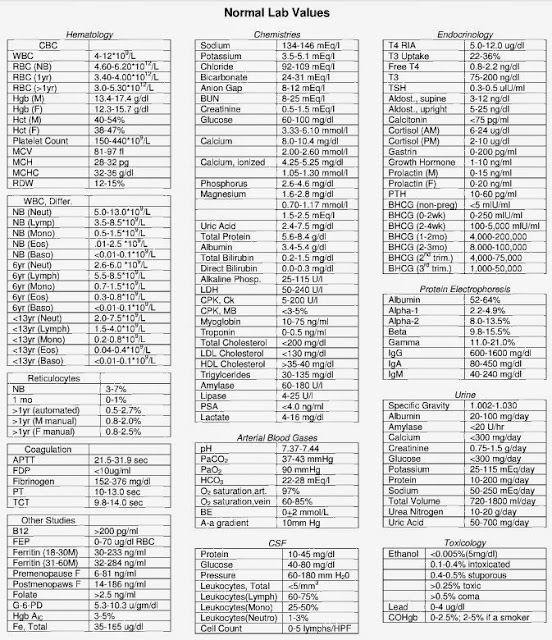
Reference intervals vary with the laboratory method and analyzer. A potassium-free anion gap is often approximately 8–12 mmol/L with some traditional methods, but modern laboratories may use different intervals. Always interpret the result against the reporting laboratory's reference range.
2. Why Does the Anion Gap Increase?
When an acid enters the body or accumulates because of abnormal metabolism or impaired elimination, it releases hydrogen ions and a corresponding anion. Bicarbonate buffers the hydrogen ions, while the accompanying anion may remain in the blood.
If that anion is not directly measured in the standard electrolyte panel, the calculated anion gap may increase.
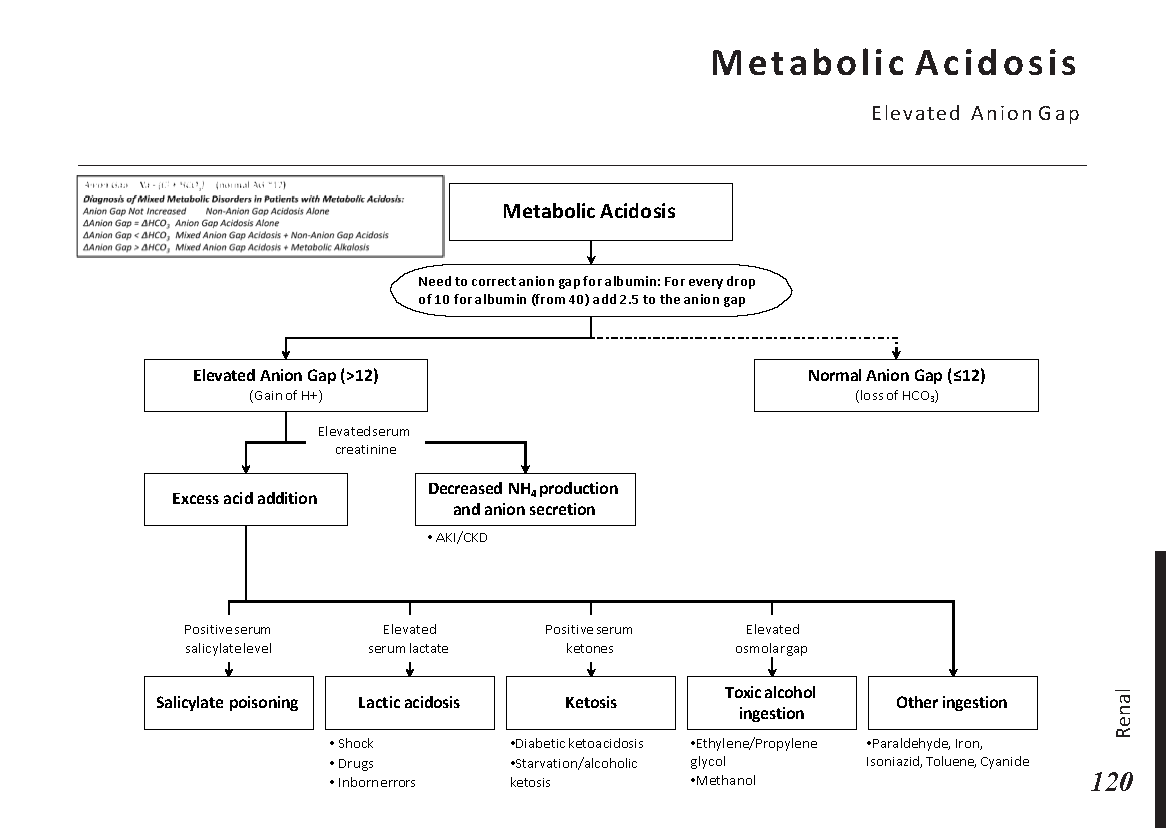
This is the basic mechanism behind high anion gap metabolic acidosis. Common causes include lactic acidosis, ketoacidosis, advanced kidney dysfunction, and certain toxic ingestions.
Lactic acidosis
Lactate can accumulate when production exceeds clearance. Causes include tissue hypoperfusion, severe sepsis, certain medications, seizures, and other conditions. The clinical context is essential because an elevated lactate does not identify a single diagnosis.
Ketoacidosis
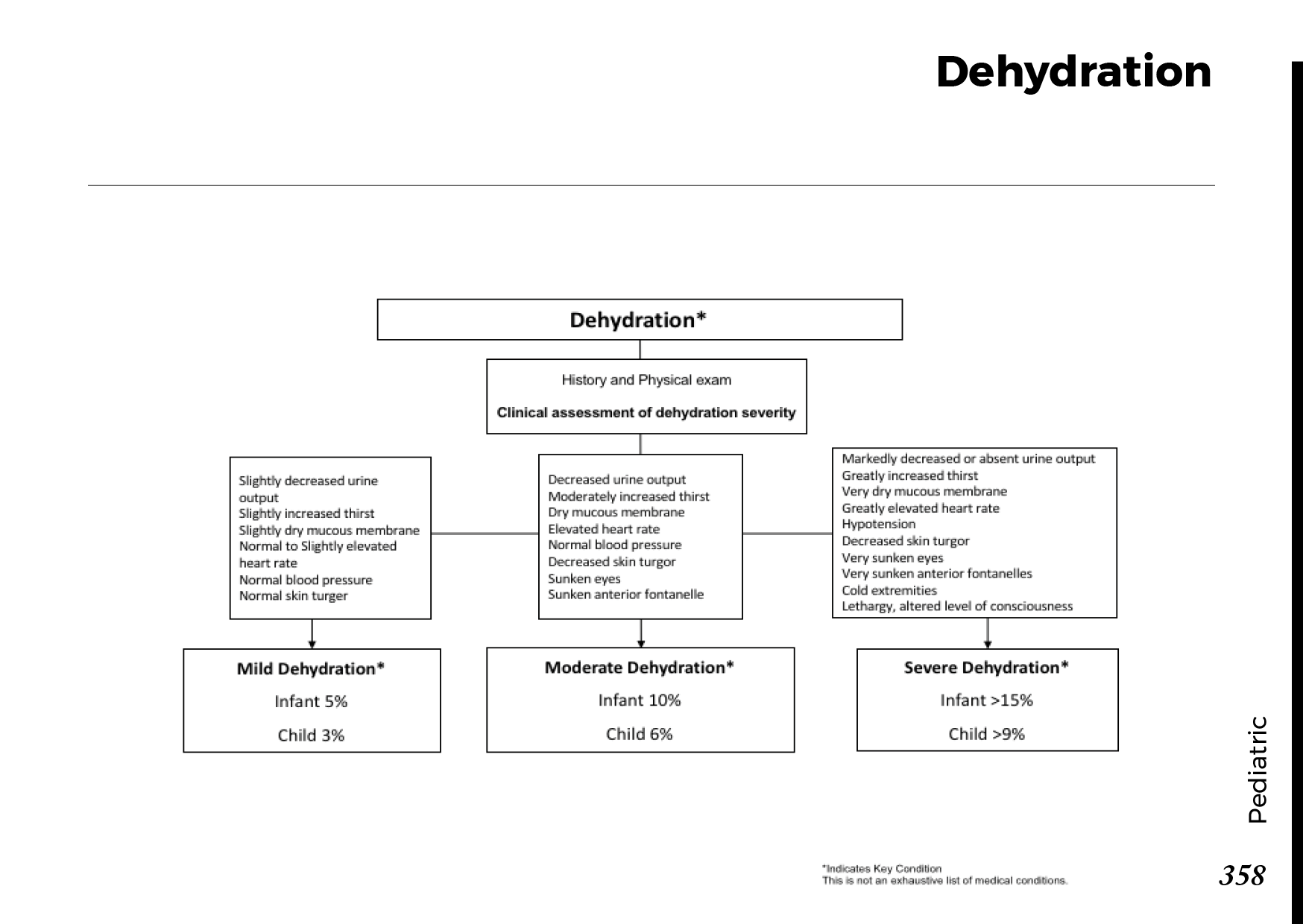
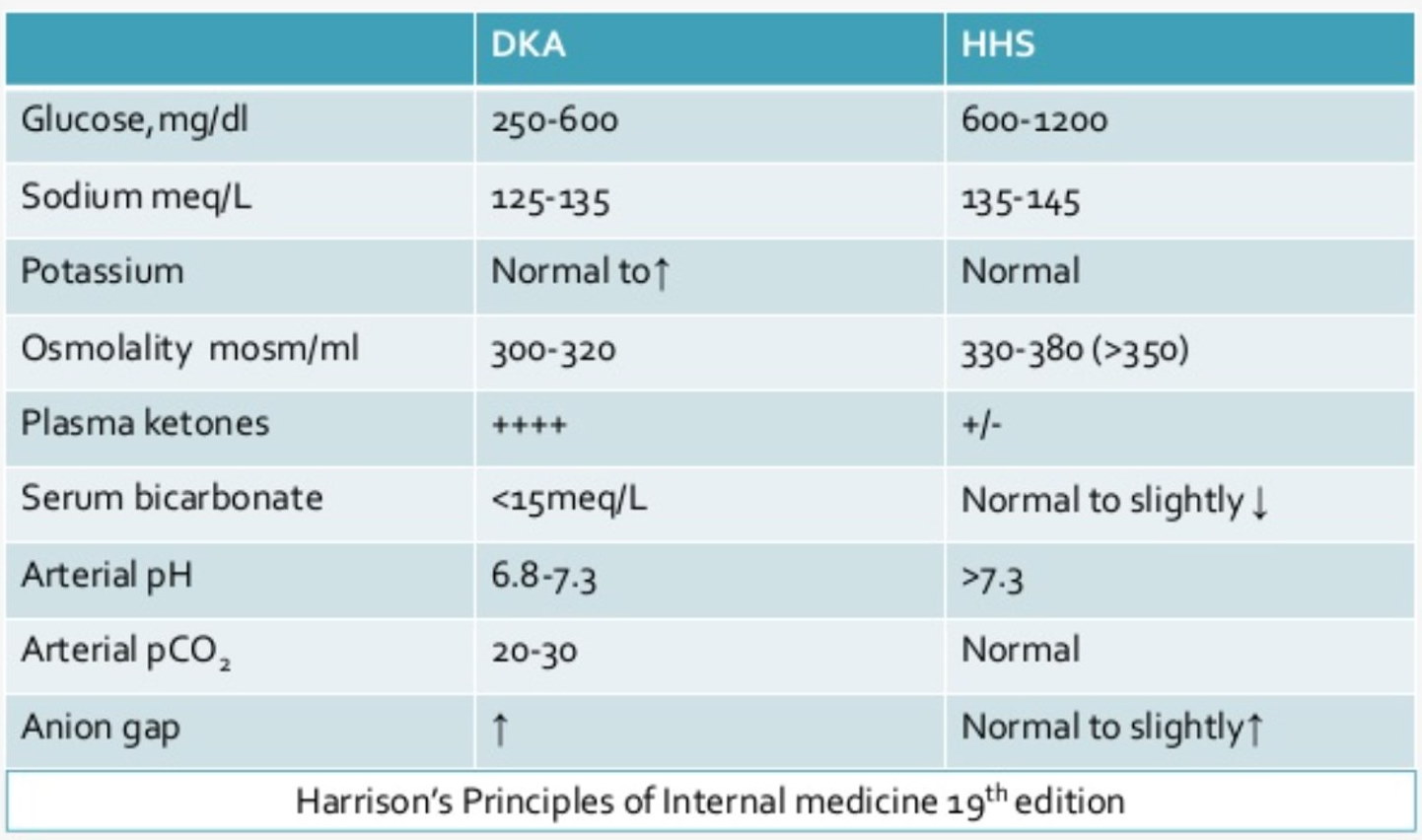
Ketone bodies accumulate when insulin availability or carbohydrate utilization is insufficient relative to the body's metabolic needs. Diabetic ketoacidosis is an important example, but alcoholic ketoacidosis and starvation-related ketosis can also contribute to an increased gap.
Kidney dysfunction
Advanced kidney dysfunction can impair the elimination of acids and contribute to the accumulation of sulfate, phosphate, and other unmeasured anions.
Toxic substances
Certain toxic exposures can cause high anion gap acidosis, including methanol, ethylene glycol, and salicylates. Suspected poisoning requires urgent clinical assessment and appropriate targeted testing; the anion gap alone cannot establish or exclude a toxic ingestion.
3. A High Anion Gap Is Not the Only Pattern
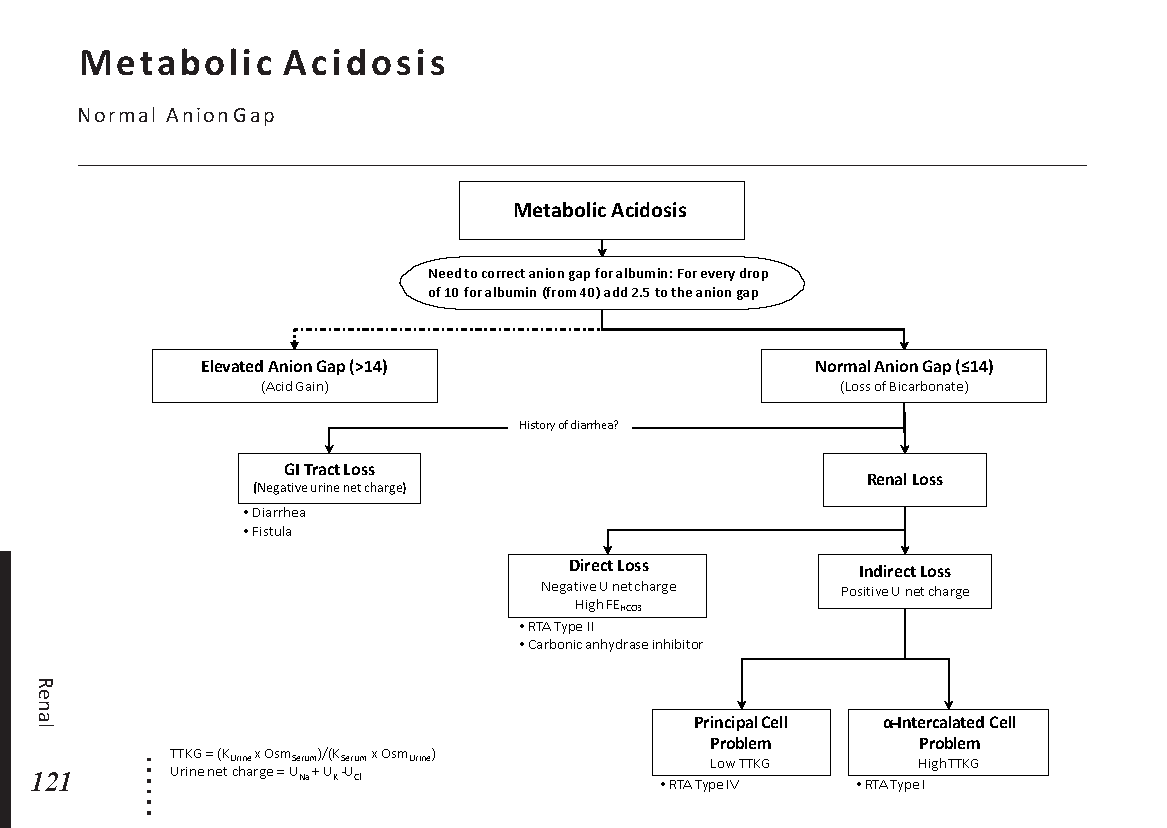
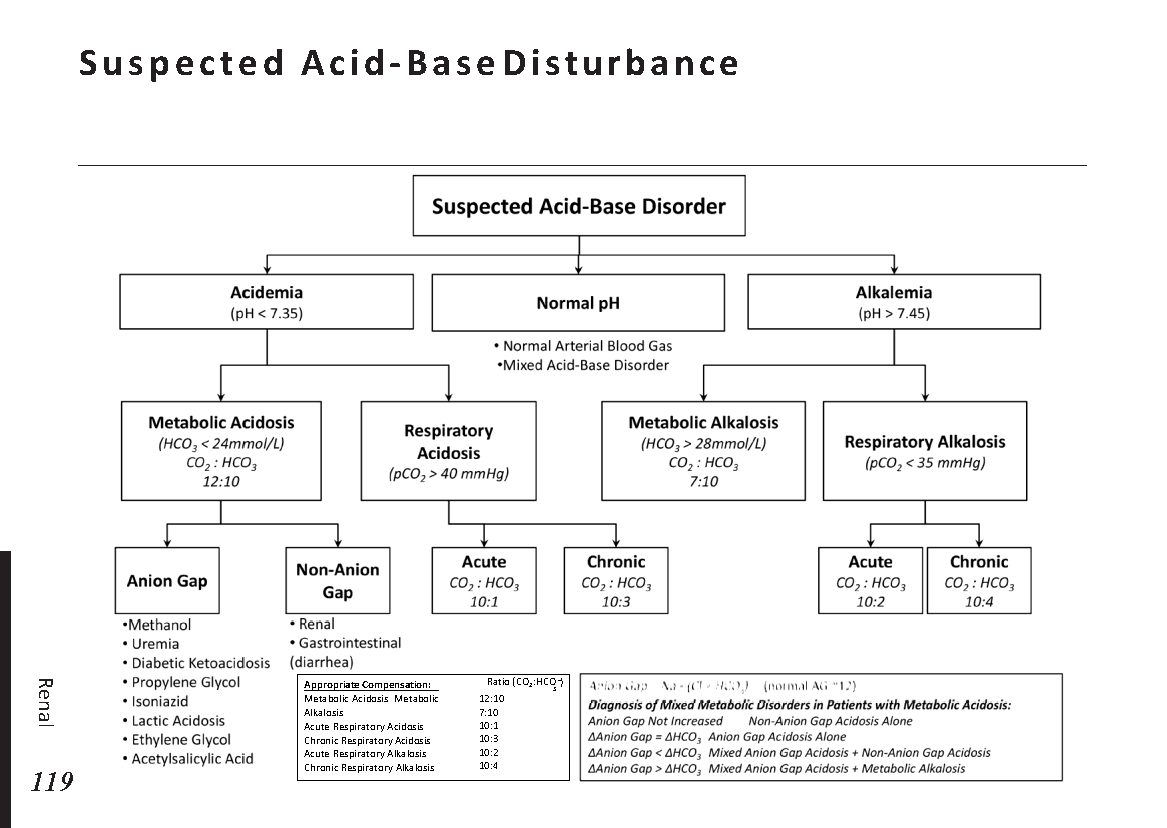
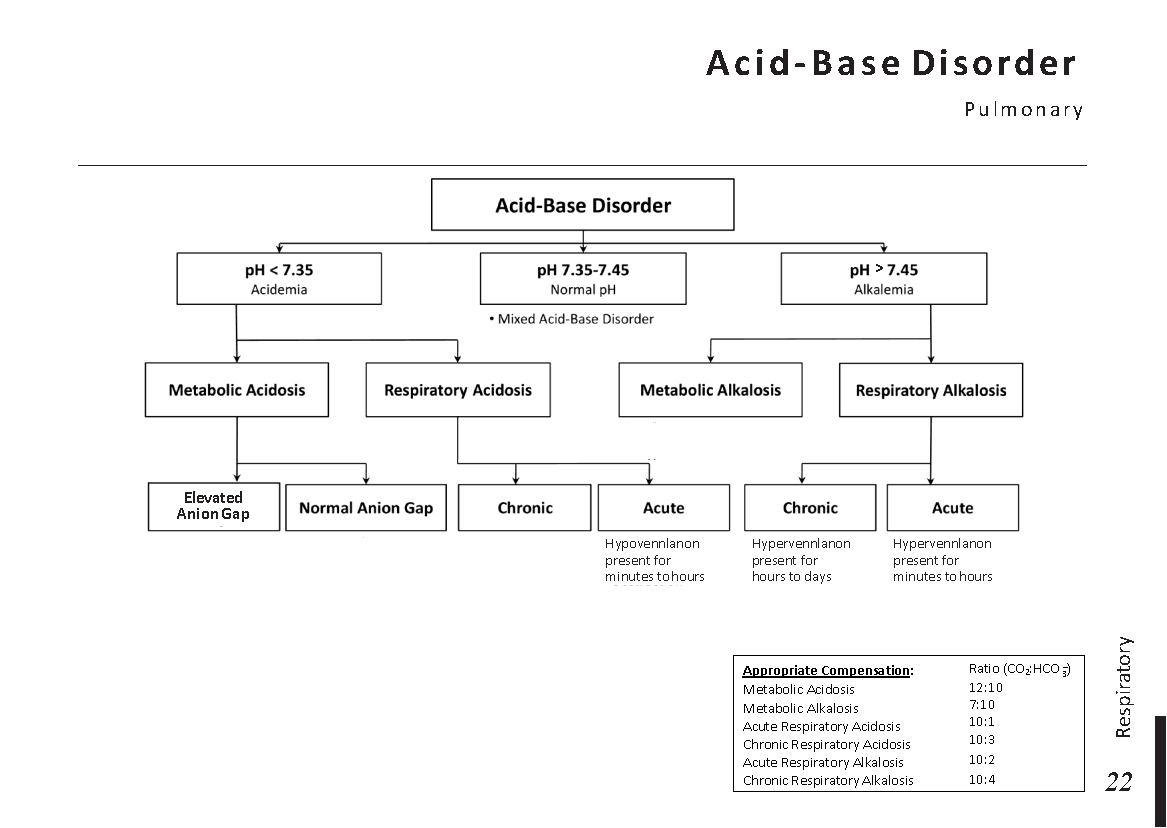
Metabolic acidosis is characterized by a primary reduction in serum bicarbonate. The anion gap helps separate many cases into two broad patterns, although mixed disorders can occur.
High anion gap metabolic acidosis
In this pattern, additional unmeasured anions accumulate. Examples include lactic acidosis, ketoacidosis, advanced kidney dysfunction, and selected toxic exposures.
Normal anion gap metabolic acidosis
In normal anion gap acidosis, bicarbonate falls while chloride rises proportionally. This is sometimes called hyperchloremic metabolic acidosis.
Important causes include:
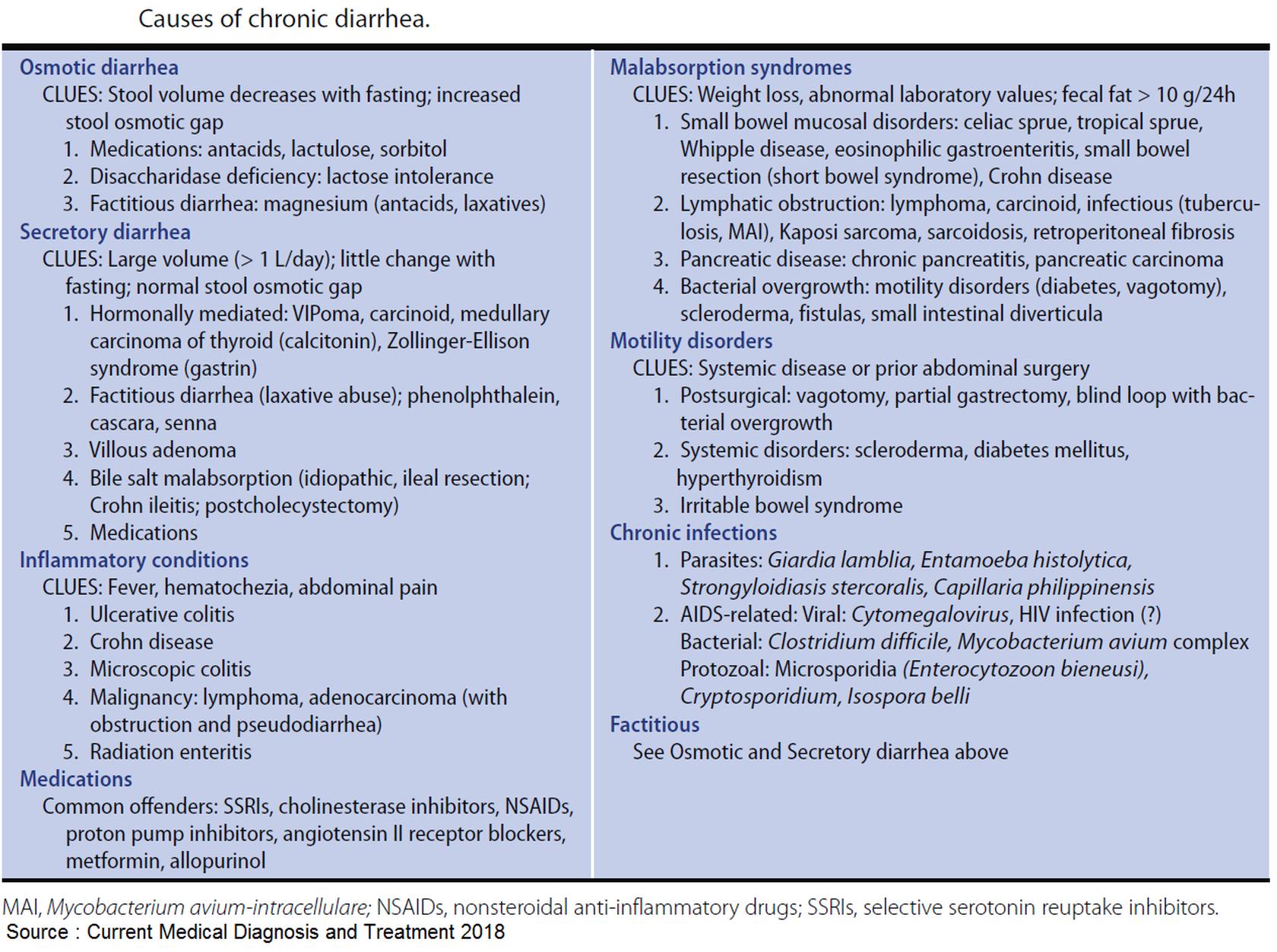
- Gastrointestinal bicarbonate loss, particularly from diarrhea.
- Renal tubular acidosis.
- Some medication-related effects.
- Administration of substantial amounts of chloride-rich intravenous fluids in susceptible clinical settings.
4. The Often-Missed Role of Albumin
Albumin is a major unmeasured anion in plasma. A low albumin concentration can therefore lower the expected anion gap, potentially concealing an underlying accumulation of other unmeasured anions.
This matters in patients with malnutrition, advanced liver disease, significant systemic illness, or other conditions associated with hypoalbuminemia.
A commonly used estimate for correcting the anion gap for albumin, when albumin is reported in g/dL, is:
The correction is an approximation rather than a perfect physiological measurement. Confirm the units, consider the laboratory's method, and interpret the corrected value alongside the clinical picture.
Clinical example: A deceptively ordinary result
A patient has a measured anion gap of 11 mmol/L and an albumin concentration of 2.0 g/dL.
Using the approximate correction:
Corrected AG = 11 + 2.5 × (4.0 − 2.0) = 16 mmol/L.
The corrected result is higher than the measured value and may reveal an abnormality that deserves further investigation. Whether it is elevated depends on the applicable reference interval and the rest of the laboratory findings.
5. How to Interpret the Anion Gap in Clinical Practice
A structured approach helps prevent a calculated result from being interpreted in isolation.
- Confirm the acid-base disorder. Review serum bicarbonate and, when indicated, blood gas results to establish whether metabolic acidosis is present.
- Calculate the anion gap. Use the laboratory's reported sodium, chloride, and bicarbonate values, and check the local reference interval.
- Consider albumin. Hypoalbuminemia may mask an increased gap.
- Look for urgent causes. Assess for shock, sepsis, diabetic ketoacidosis, kidney failure, and possible toxic ingestion as appropriate.
- Check for mixed disorders. Respiratory compensation and additional metabolic processes can alter the expected blood gas pattern.
- Order targeted investigations. Depending on the presentation, these may include lactate, glucose, serum ketones, renal function, measured osmolality, and toxicology studies.
A blood gas and chemistry panel provide complementary information. The anion gap helps classify the disturbance, while pH and carbon dioxide measurements help clarify its severity and whether a respiratory disorder is also present.
6. Clinical Cases: Put the Reasoning Together
Case 1: Deep breathing in a patient with diabetes
A young adult with diabetes presents with vomiting, abdominal discomfort, dehydration, and deep, rapid breathing. Testing shows hyperglycemia, low bicarbonate, and an increased anion gap.
Reasoning: Diabetic ketoacidosis is a major concern. Blood ketones, glucose, electrolytes, renal function, and acid-base status help establish the diagnosis and guide urgent treatment.
Learning point: The anion gap supports recognition of a metabolic disturbance, but the diagnosis requires integration of clinical and laboratory evidence.
Case 2: Rapid breathing and hypotension
An older patient with suspected infection develops hypotension, confusion, and an increased anion gap.
Reasoning: Lactic acidosis from impaired tissue perfusion is an important possibility. Lactate measurement and urgent assessment for sepsis and other causes of shock are warranted.
Learning point: An increased gap is a clue, not proof of lactic acidosis. Other causes may coexist.
Case 3: Low bicarbonate with a normal gap
A patient with prolonged diarrhea has a low serum bicarbonate, elevated chloride, and an anion gap within the laboratory reference range.
Reasoning: Gastrointestinal bicarbonate loss is a likely explanation for a normal anion gap metabolic acidosis.
Learning point: The relationship between bicarbonate and chloride is often more informative than focusing on the gap alone.
7. Common Interpretation Mistakes
- Using a universal reference range: The expected interval varies by laboratory method.
- Ignoring albumin: A low albumin concentration can conceal an increased gap.
- Assuming a high gap identifies one disease: Several unrelated disorders can produce the same pattern.
- Excluding a dangerous condition because the gap is normal: Timing, mixed disorders, treatment, and individual circumstances can influence results.
- Ignoring the pH and respiratory response: Acid-base disorders frequently involve more than one physiological process.
- Delaying emergency assessment: Severe acidosis, shock, altered consciousness, or suspected poisoning requires prompt medical evaluation regardless of the calculated gap.
Frequently Asked Questions
What is considered a normal anion gap?
The expected value depends on the laboratory and measurement method. A traditional potassium-free reference interval is approximately 8–12 mmol/L, but some modern laboratories use lower intervals. Use the reference range provided with the result.
Can the anion gap be high without metabolic acidosis?
Yes. An increased gap may occur without a straightforward metabolic acidosis, and mixed acid-base disorders can complicate interpretation. Review bicarbonate, pH, carbon dioxide, albumin, and the clinical context together.
Why does low albumin affect the anion gap?
Albumin contributes substantially to unmeasured negative charge in plasma. When albumin decreases, the expected gap also decreases, which can make an accumulation of other anions less apparent.
Does an increased anion gap always mean lactic acidosis?
No. Lactic acidosis is an important cause, but ketoacidosis, kidney dysfunction, toxic ingestions, and other conditions can also increase the gap.
What is the most important clinical takeaway?
Use the anion gap to organize your differential diagnosis, not to replace clinical reasoning. Interpret it with albumin, acid-base measurements, the patient's history, and targeted investigations.
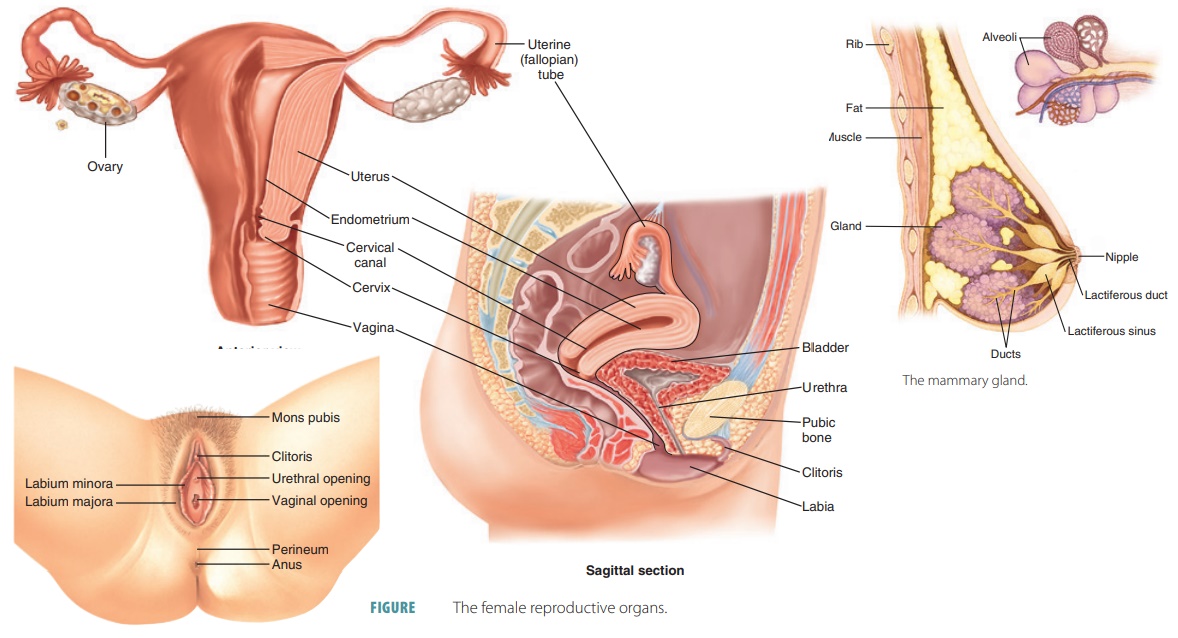 Menstrual cycle physiology: