Why Severe Hyponatremia Can Cause Brain Swelling: The Physiology Every Medical Student Should Understand
A clinical guide to cerebral edema, brain adaptation, and the dangers of rapid sodium correction.
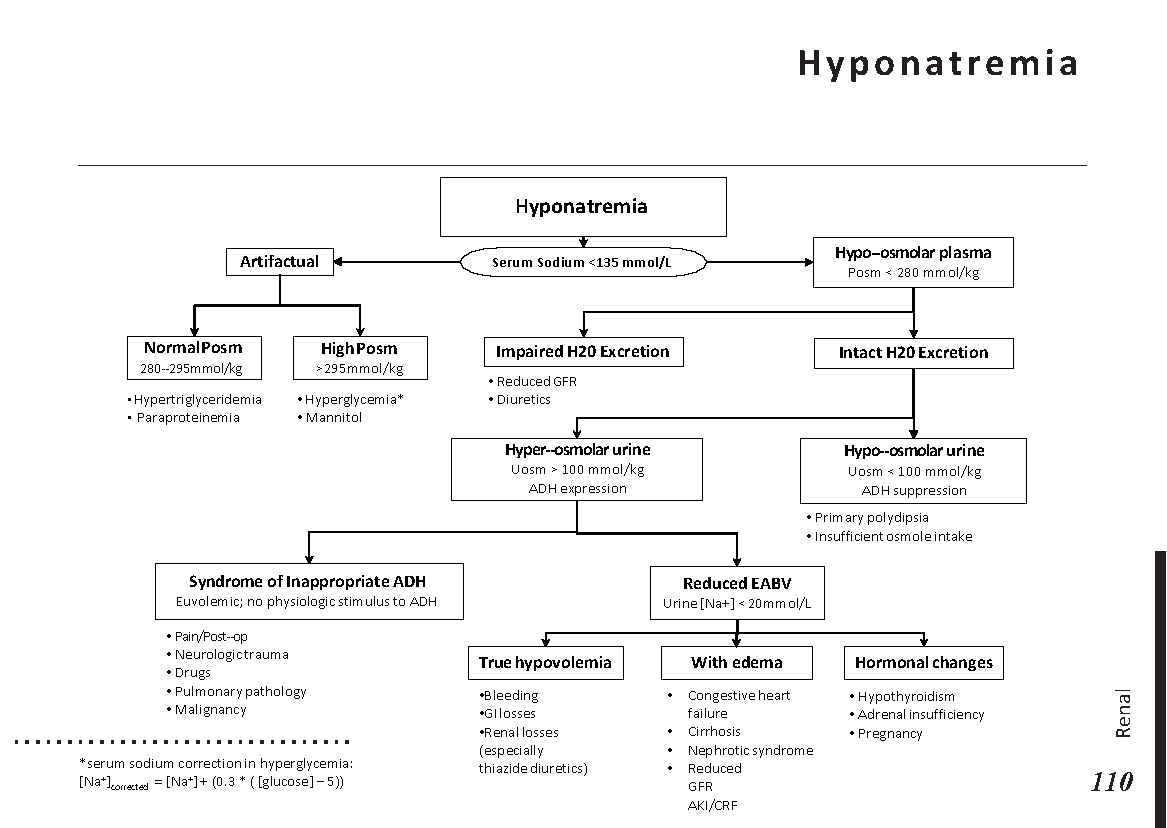
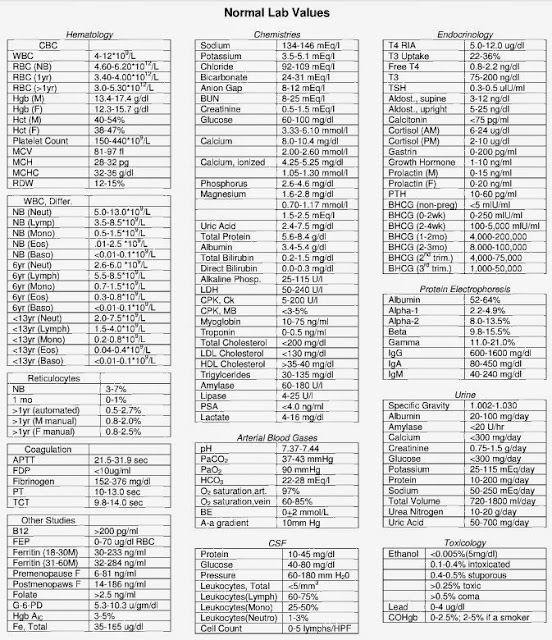
Hyponatremia is one of the most important electrolyte disorders in clinical medicine. It is commonly defined as a serum sodium concentration below 135 mmol/L, but the clinical significance of a low sodium level depends on more than the laboratory result alone.
Some patients with hyponatremia have few symptoms, while others develop confusion, seizures, or life-threatening cerebral edema. Understanding this difference requires looking beyond sodium as a number and examining how water moves between the bloodstream and brain cells.
The central principle: When extracellular fluid becomes too dilute, water moves into brain cells. The brain's response to this change explains both the neurological manifestations of severe hyponatremia and the dangers of correcting it too quickly.
1. Why Does Sodium Affect Brain Cell Volume?
Sodium is the major effective extracellular cation and an important determinant of extracellular fluid tonicity. Tonicity describes the ability of a solution to cause water movement across cell membranes.
When serum sodium falls because of excess water relative to body solute, extracellular fluid becomes less concentrated. Water then moves into cells in response to the osmotic gradient.
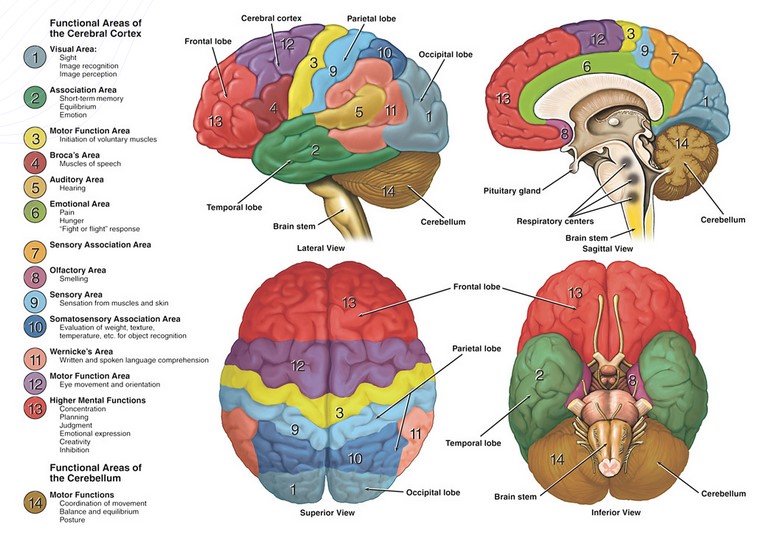
Brain cells are particularly vulnerable because they are enclosed within the rigid skull. Unlike tissues that can expand more freely, the brain has limited room to accommodate an increase in volume.
As brain cells take up water, cerebral swelling can increase intracranial pressure and interfere with normal neurological function. However, the severity of the neurological effects depends substantially on how quickly the sodium concentration falls.
2. Acute Versus Chronic Hyponatremia: Why Timing Matters
The brain is not a passive structure. It has mechanisms that help it adapt when extracellular osmolality decreases.
Acute hyponatremia
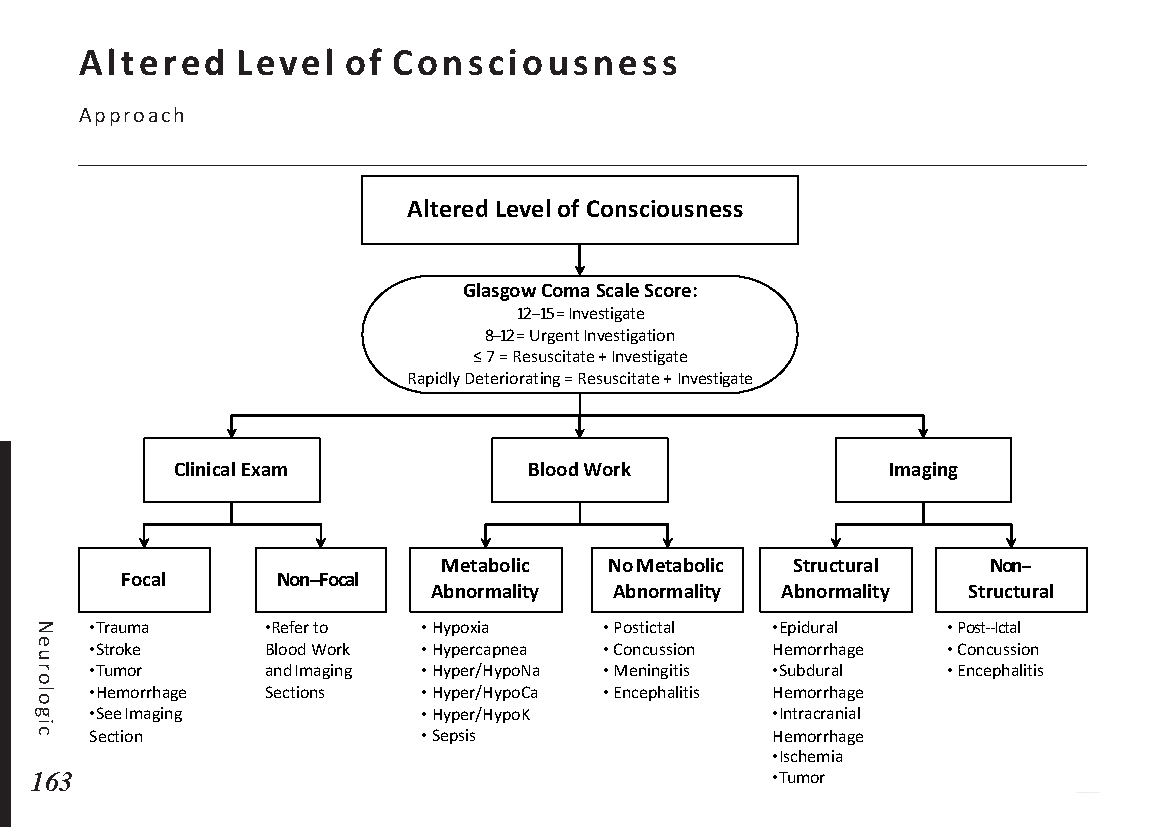
When sodium falls rapidly, water enters brain cells before they have sufficient time to adapt. Cellular swelling can develop quickly, potentially producing headache, nausea, vomiting, confusion, seizures, or reduced consciousness.
Severe symptomatic hyponatremia is a medical emergency because cerebral edema can progress rapidly.
Chronic hyponatremia
When hyponatremia develops over a longer period, brain cells begin to reduce their intracellular osmolyte content. They initially lose electrolytes and subsequently adjust organic osmolytes to decrease their internal concentration.
This adaptation helps reduce cellular swelling even though the extracellular sodium concentration remains low. However, it also makes the brain vulnerable to a different type of injury if extracellular tonicity increases too rapidly.
3. The Hidden Danger of Correcting Sodium Too Quickly
A common misconception is that a sodium concentration should always be normalized as quickly as possible. In reality, treatment must account for the duration of hyponatremia, symptom severity, underlying cause, and risk factors for neurological injury.
In chronic hyponatremia, brain cells have already lost osmolytes to adapt to the low extracellular tonicity. If serum sodium rises too rapidly, water leaves these adapted cells, potentially causing osmotic demyelination syndrome.
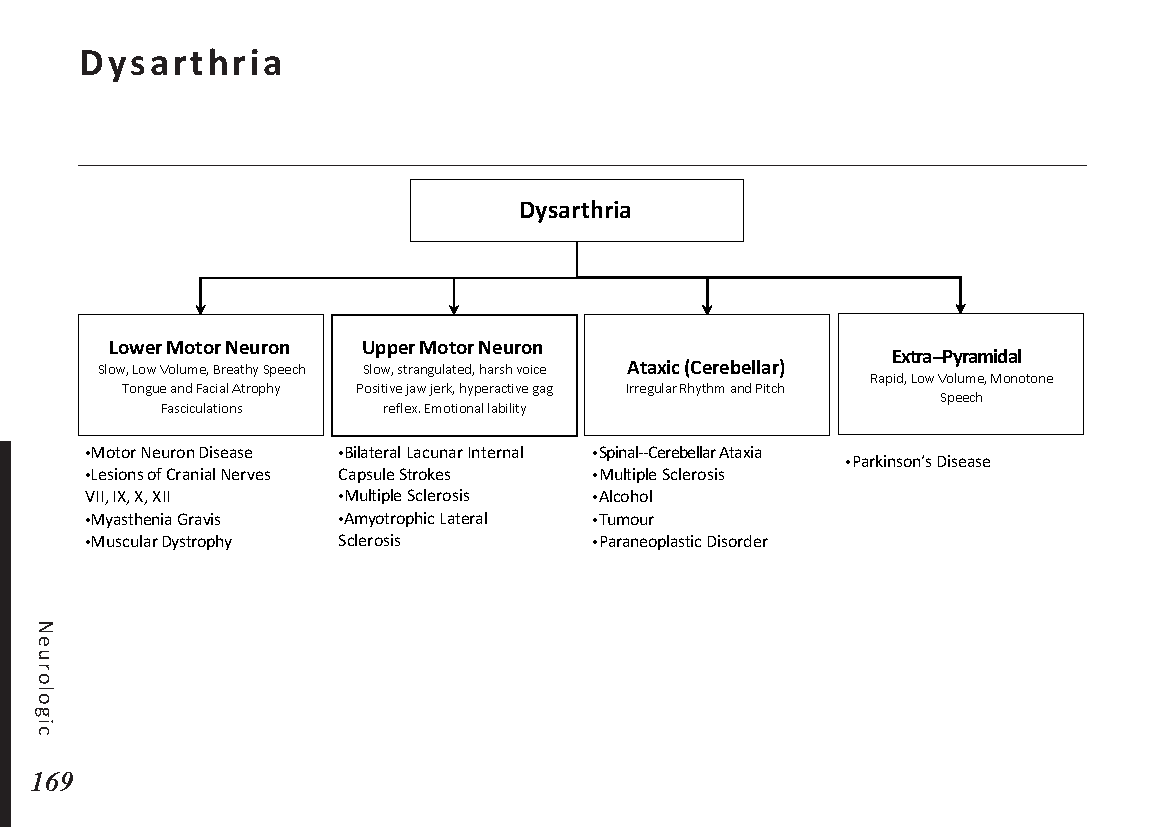
This condition can produce serious neurological complications, including dysarthria, difficulty swallowing, weakness, movement abnormalities, and altered consciousness. Symptoms may emerge after an initial period of apparent improvement.
Clinical pearl: A rising sodium concentration is not automatically a sign that treatment is proceeding safely. The rate of correction, urine output, neurological status, and individual risk factors must all be considered.
Patients with particularly high risk include those with very low sodium concentrations, alcohol use disorder, malnutrition, advanced liver disease, or hypokalemia.
Correction targets and monitoring frequency should be individualized according to established clinical guidance. Severe symptomatic cases require urgent specialist-directed management, while chronic or high-risk cases require especially careful monitoring.
4. Why the Sodium Number Alone Is Not Enough
Consider two hypothetical patients with a serum sodium concentration of 118 mmol/L.
Patient A: Rapid onset
A patient develops severe hyponatremia over several hours after an acute water-balance disturbance and presents with a seizure.
Clinical interpretation: This is a neurological emergency requiring immediate assessment and carefully monitored treatment.
Patient B: Longer duration
Another patient has the same sodium concentration, discovered during evaluation of a longer-standing illness, and is awake without major neurological symptoms.
Clinical interpretation: Careful evaluation remains essential, but the presentation, physiological adaptation, and treatment priorities may differ.
Although the laboratory values are identical, the immediate clinical concerns differ. This illustrates a central lesson in clinical medicine: laboratory results must be interpreted alongside symptoms, the timing of the abnormality, and its underlying mechanism.
5. How Clinicians Approach the Underlying Cause
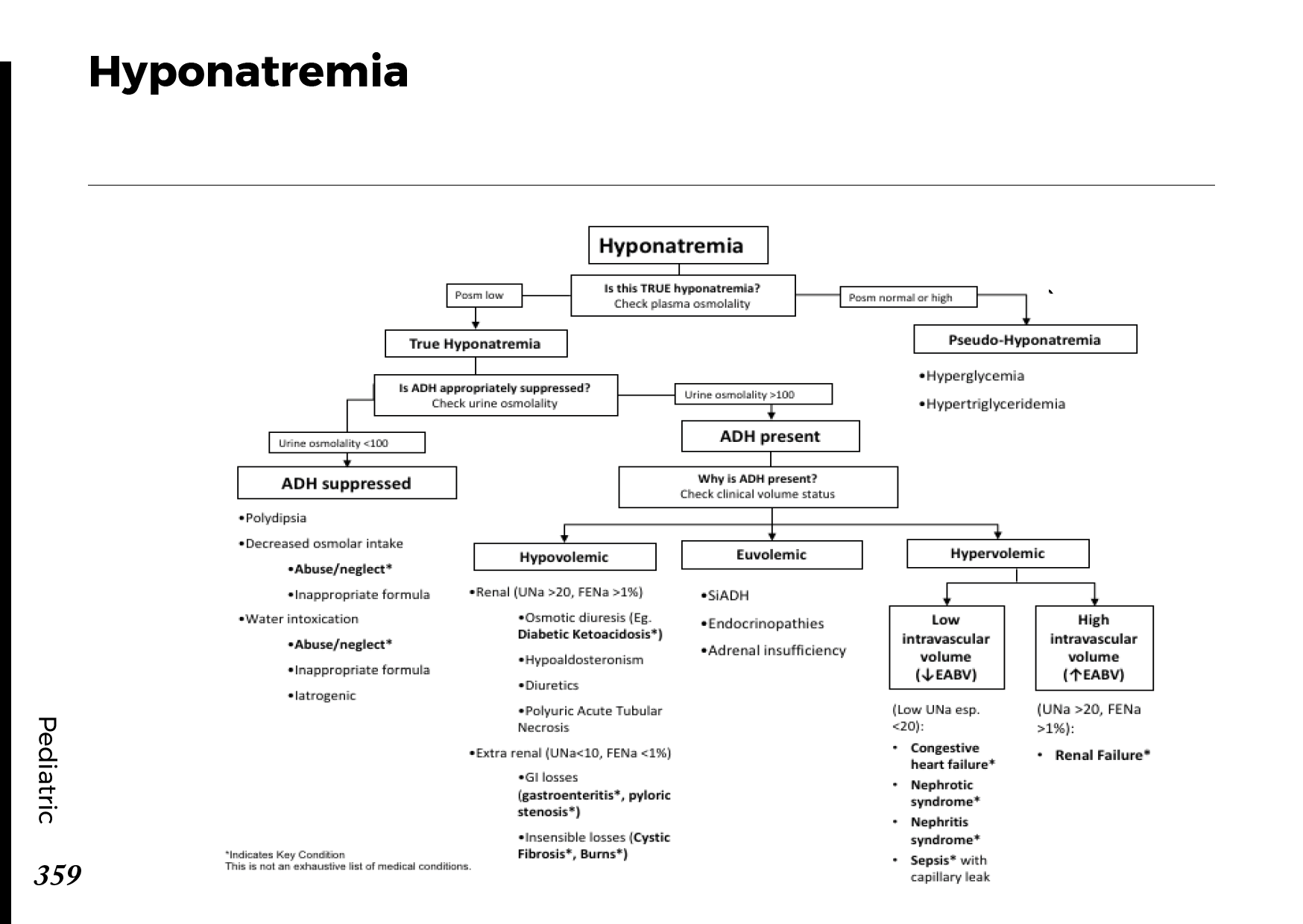
After confirming hypotonic hyponatremia, clinicians assess the patient's volume status, medication history, kidney function, and relevant laboratory findings.
Hypovolemic hyponatremia
Sodium and water losses occur, with proportionally greater sodium loss. Potential causes include gastrointestinal losses and certain medications.
Euvolemic hyponatremia
Causes include syndrome of inappropriate antidiuretic hormone secretion (SIADH), certain medications, and endocrine disorders. The patient may not have obvious signs of fluid overload or depletion.
Hypervolemic hyponatremia
Conditions such as heart failure, cirrhosis, and advanced kidney disease may cause excess total body water relative to exchangeable sodium and potassium.
Serum osmolality helps determine whether the low sodium reflects true hypotonicity. Urine osmolality provides information about the kidney's response to water balance, while urine sodium can help distinguish among possible causes when interpreted in context.
No single finding should replace clinical assessment. Diuretics, recent fluid administration, kidney dysfunction, and other factors can complicate interpretation.
6. Why Urine Output Can Change the Clinical Picture
An important but sometimes overlooked issue is that sodium can rise faster than anticipated during treatment.
For example, the underlying stimulus for antidiuretic hormone release may resolve, allowing the kidneys to produce a large volume of dilute urine. This sudden water loss can increase serum sodium even when clinicians have not administered additional sodium.
Consequently, monitoring should include not only repeat sodium measurements but also urine output and the patient's changing clinical condition.
Unexpectedly rapid correction requires immediate reassessment by the treating team, particularly in patients at increased risk of osmotic demyelination.
7. Key Takeaways for Medical Students
- A relative excess of water lowers extracellular sodium concentration and, in hypotonic hyponatremia, reduces extracellular tonicity.
- Water moves into brain cells, creating a risk of cerebral edema.
- Over time, brain cells adapt by losing intracellular osmolytes.
- Rapid correction of chronic hyponatremia can cause water to leave adapted brain cells and contribute to osmotic demyelination.
- Safe clinical management requires attention to symptoms, duration, underlying cause, correction rate, and ongoing monitoring.
The key clinical lesson: Treating hyponatremia means managing both the current neurological risk and the risk created by the correction itself.
Frequently Asked Questions
Can mild hyponatremia cause neurological symptoms?
It can contribute to subtle cognitive or gait abnormalities, particularly in older adults. However, these symptoms are not specific to hyponatremia, and other causes must be considered.
Why is acute hyponatremia more dangerous for the brain?
The brain has less time to adapt to a rapid fall in extracellular tonicity, increasing the risk of cellular swelling and cerebral edema.
What is osmotic demyelination syndrome?
It is a neurological disorder involving injury to myelin in the central nervous system, classically associated with overly rapid correction of chronic hyponatremia. Risk varies among patients.
Does every patient with hyponatremia need hypertonic saline?
No. Treatment depends on symptom severity, the cause and duration of hyponatremia, and the patient's overall condition. Severe neurological symptoms require emergency assessment and may warrant carefully monitored hypertonic saline.
What is the most important principle to remember?
The sodium concentration must be interpreted in context. Clinicians must identify why it is low, assess the neurological consequences, correct it at an appropriate rate, and monitor the patient's response.
 Menstrual cycle physiology: