Cefepime Neurotoxicity: Recognizing Antibiotic-Induced Encephalopathy
A hospitalized patient develops confusion several days after starting intravenous antibiotics. The patient becomes less responsive, begins having brief involuntary muscle jerks, or appears to have a new neurological disorder. Infection, metabolic abnormalities, stroke, and seizures are all possible explanations. However, an important medication-related cause may be overlooked: cefepime neurotoxicity.
Cefepime is a fourth-generation cephalosporin used to treat a range of serious bacterial infections. Although it is an important antimicrobial agent, it can cause neurological adverse effects, particularly when renal function is impaired. Recognizing the characteristic clinical pattern can help clinicians investigate unexplained neurological deterioration and reassess treatment promptly.
What Is Cefepime Neurotoxicity?
Cefepime neurotoxicity is a medication-associated neurological syndrome that can occur during treatment with cefepime. Its manifestations range from mild confusion and altered behavior to reduced consciousness, myoclonus, and seizures.
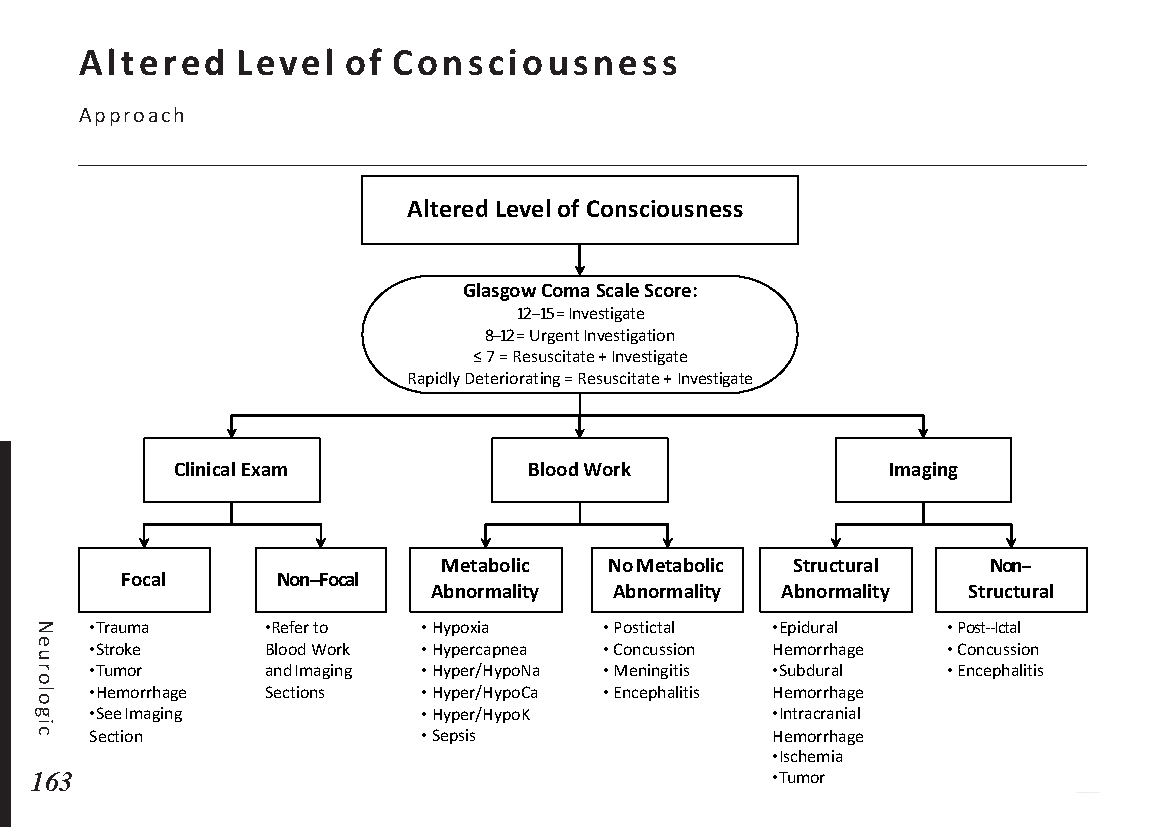
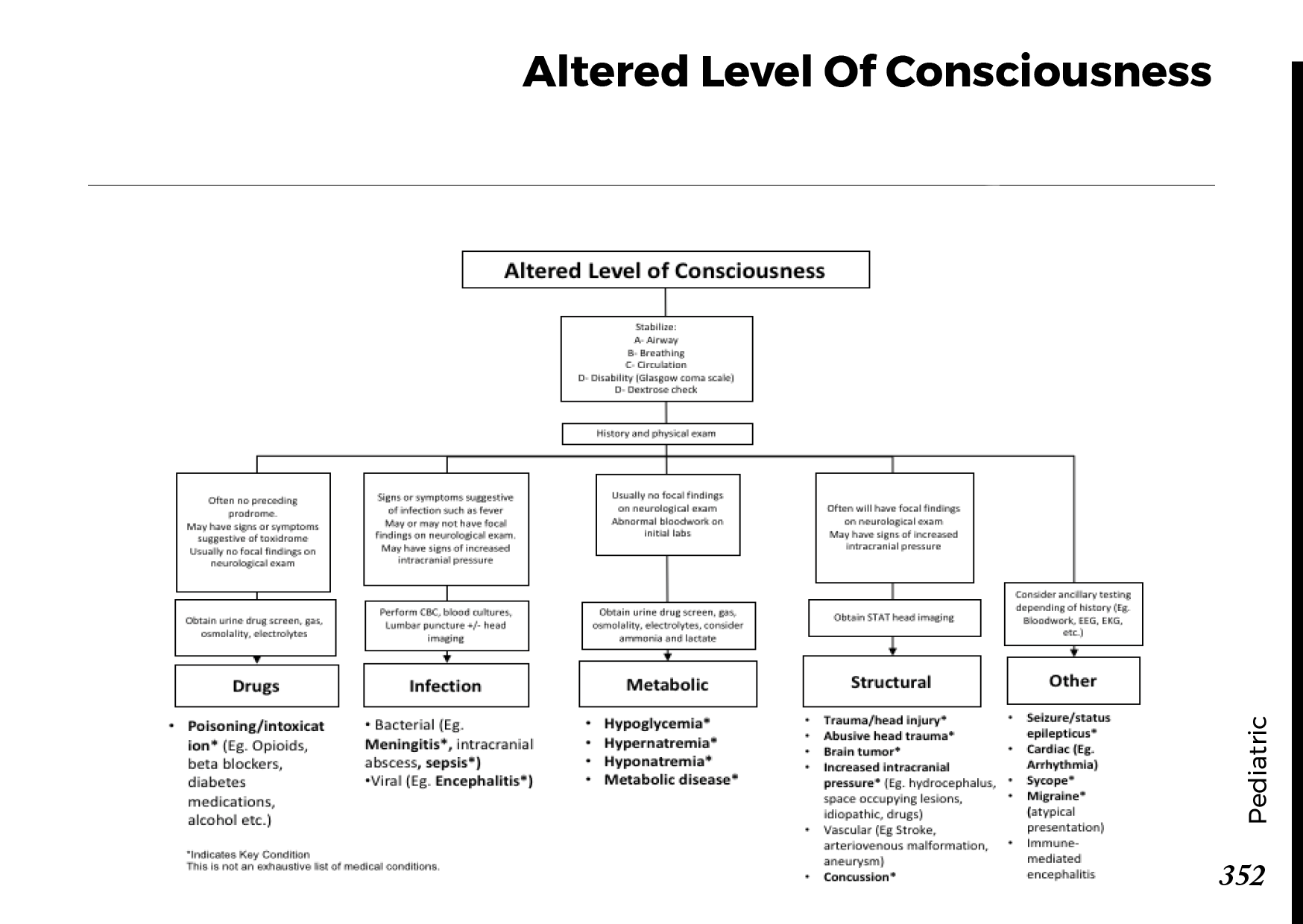
The syndrome is particularly challenging to identify in hospitalized patients because its symptoms overlap with sepsis-associated encephalopathy, uremia, electrolyte disturbances, and other causes of acute confusion.
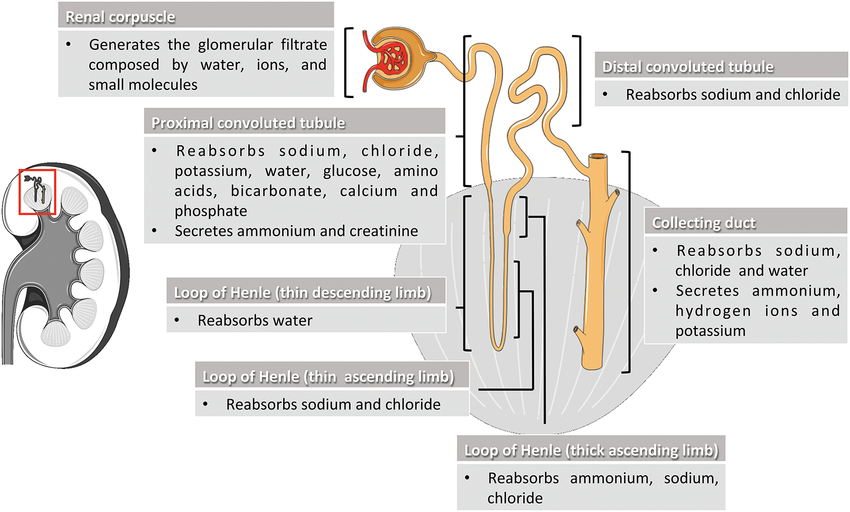
Cefepime is predominantly eliminated by the kidneys. When renal clearance falls, the drug may accumulate, increasing the risk of neurological toxicity. Neurotoxicity can nevertheless occur in patients whose prescribed dose appears appropriate, especially when kidney function changes during acute illness.
Why Does Cefepime Affect the Brain?
Cefepime-associated neurotoxicity is thought to involve interference with inhibitory signaling in the central nervous system, particularly gamma-aminobutyric acid (GABA)-mediated neurotransmission. Disruption of this inhibitory activity may contribute to abnormal neuronal excitability, encephalopathy, and seizures.
Drug accumulation is an important factor. Reduced renal clearance can increase systemic exposure, while critical illness and changes in blood-brain barrier function may influence how much drug reaches the central nervous system.
The precise mechanism is not fully established, and no single mechanism explains every case. Clinical diagnosis therefore depends on the medication history, timing, neurological findings, renal function, and assessment for competing explanations.
Who Is at Highest Risk?
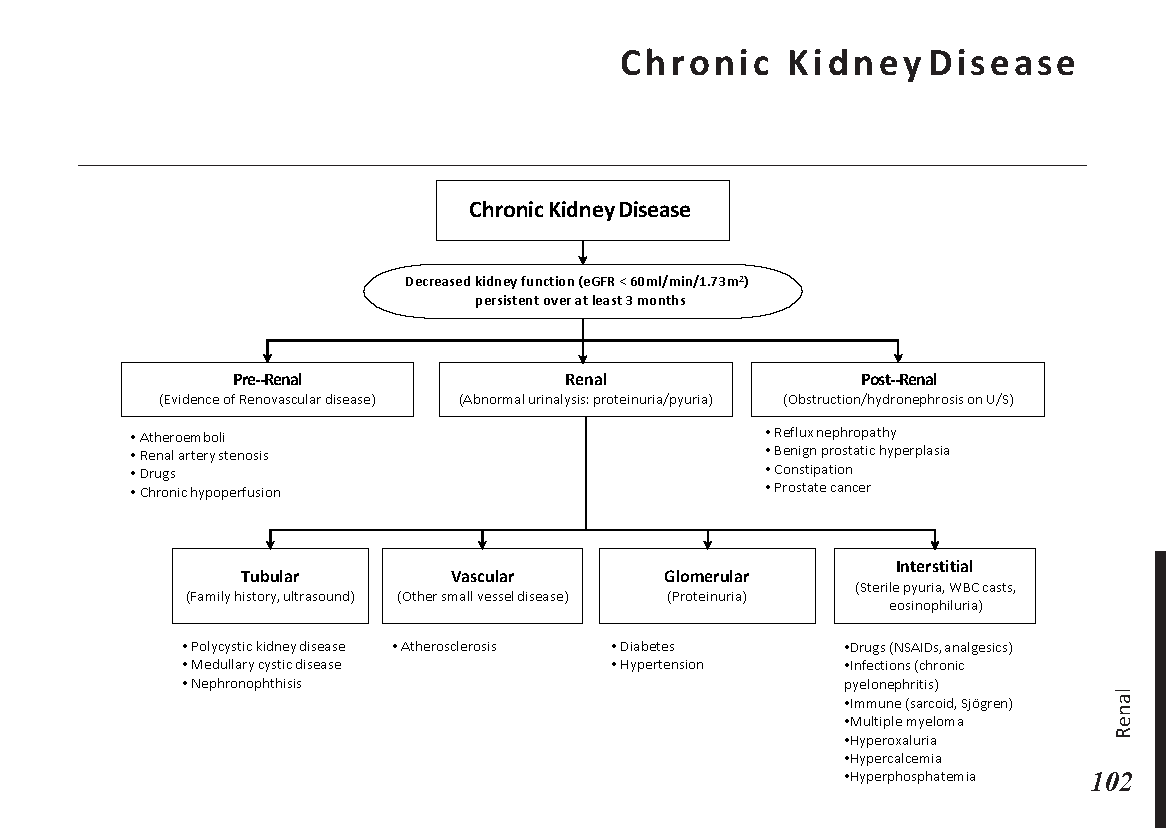
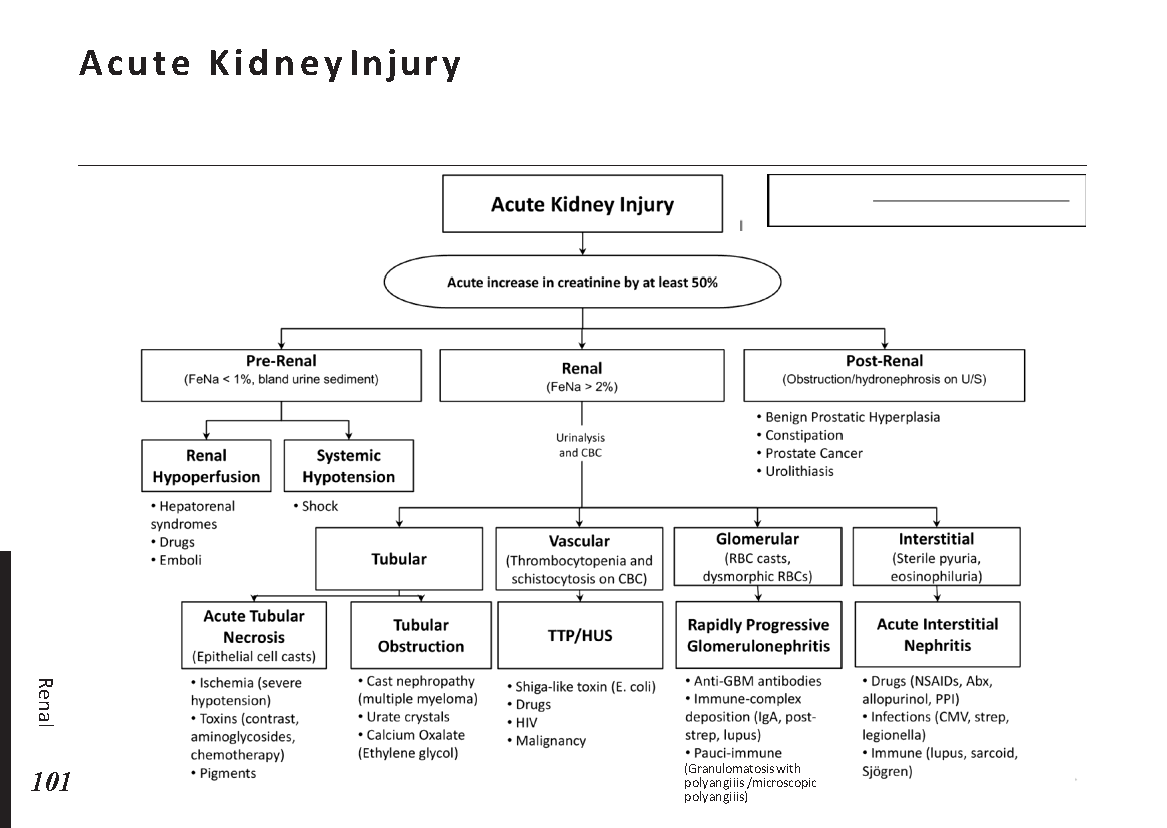
- Patients with kidney dysfunction: Chronic kidney disease and acute kidney injury can reduce cefepime elimination.
- Older adults: Age-related changes in renal function, frailty, and multiple concurrent illnesses can increase vulnerability.
- Critically ill patients: Renal function and neurological status may change rapidly during hospitalization.
- Patients receiving excessive exposure: Failure to adjust the regimen for renal function can lead to accumulation.
- Patients whose kidney function deteriorates during therapy: A dose that was reasonable initially may become excessive as renal function declines.
- Patients with pre-existing neurological disease: Existing brain disease may complicate recognition and assessment of new neurological symptoms.
Renal dysfunction is a major risk factor, but it is not an absolute requirement. Published case reviews describe neurotoxicity in some patients despite dosing considered appropriate for their estimated renal function.
When Does Cefepime Neurotoxicity Usually Begin?
Symptoms often emerge several days after cefepime is started rather than immediately after the first dose. A systematic review reported a median onset of approximately four days, although timing varies among patients.
This delay can make the relationship difficult to recognize. Clinicians may initially attribute new confusion to the infection being treated, hospitalization, sleep disruption, or another medication.
The possibility should be considered whenever neurological status changes during treatment, even if the patient initially tolerated cefepime without difficulty.
Clinical Manifestations: What Should You Look For?
1. New confusion or altered mental status
The presentation may begin with inattention, disorientation, agitation, unusual behavior, or difficulty following commands. Some patients progressively become drowsy or less responsive.
In an older hospitalized patient, this may initially resemble ordinary delirium. The timing of symptom onset relative to cefepime exposure is therefore an important clue.
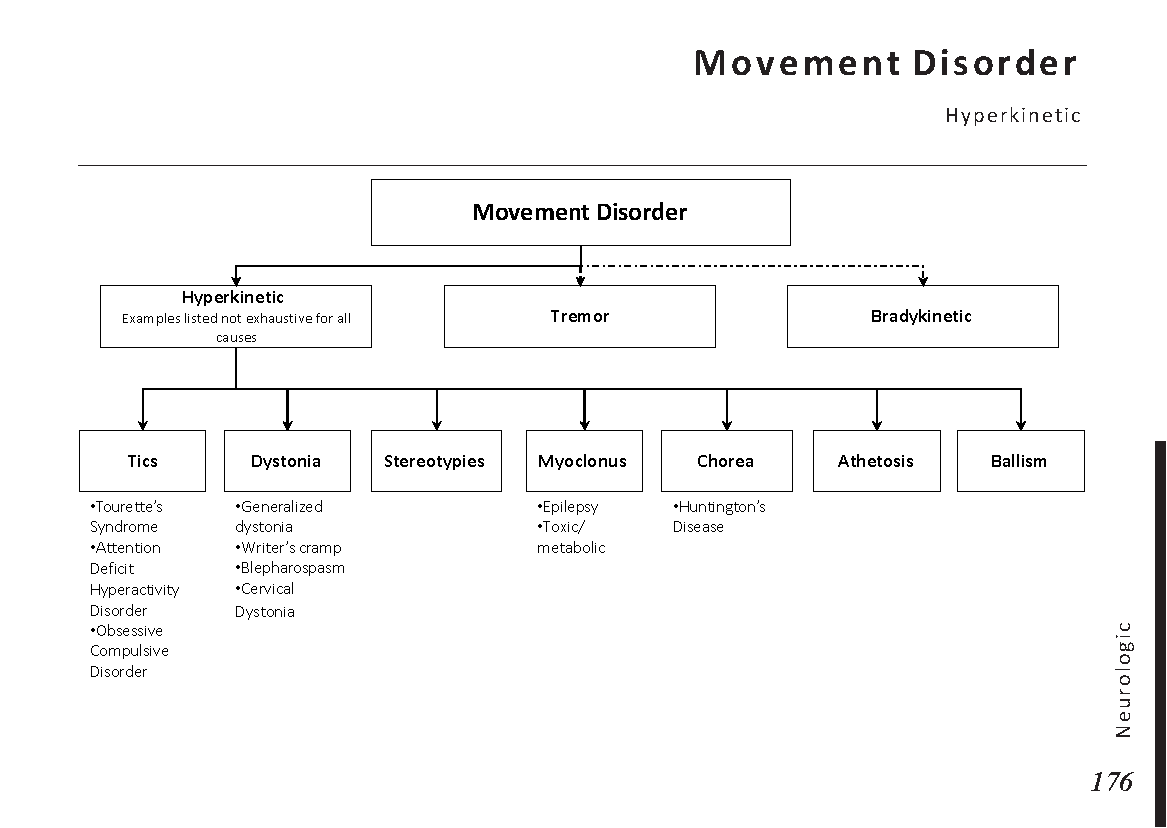
2. Myoclonus
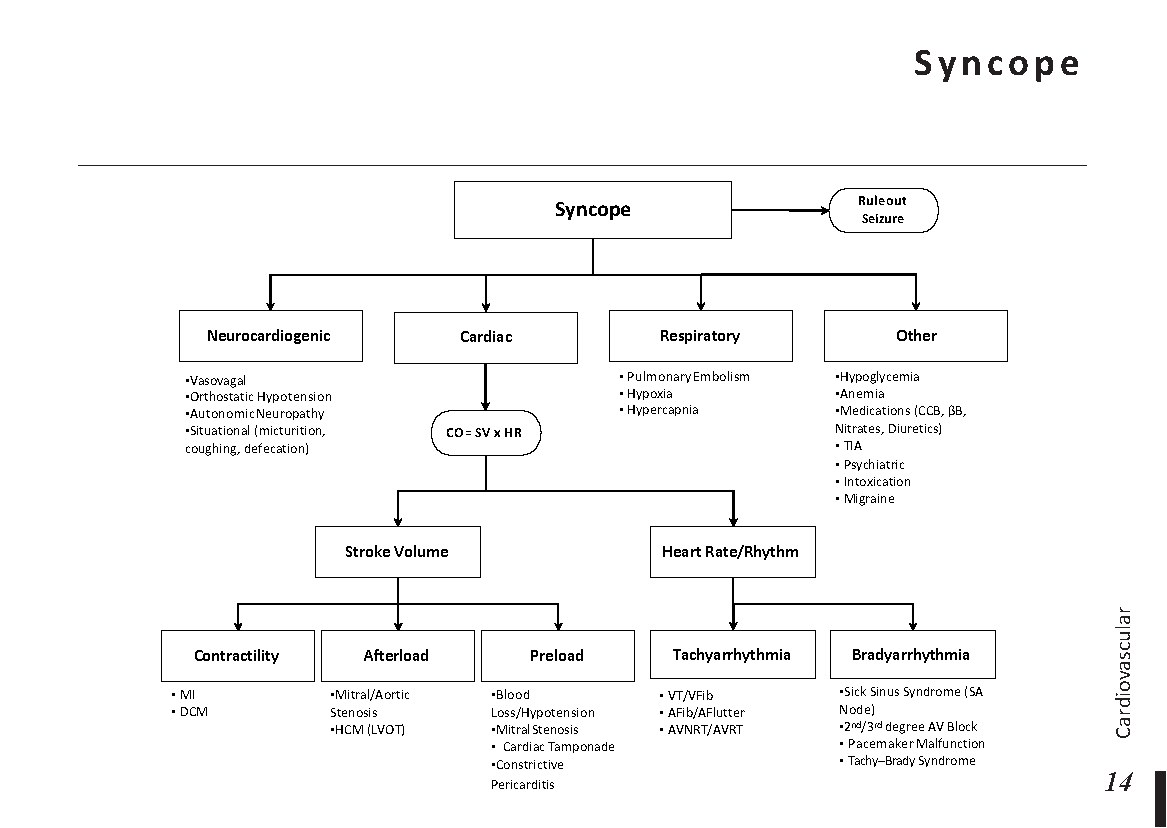
Myoclonus consists of brief, involuntary muscle jerks. It may affect the face, arms, legs, or several body regions. In a patient receiving cefepime, new myoclonus alongside confusion should raise concern for medication-associated neurotoxicity.
Myoclonus is not specific to cefepime. Metabolic disturbances, uremia, seizures, and other medications can produce similar findings. The sign should prompt evaluation rather than be treated as diagnostic by itself.
3. Aphasia or difficulty communicating
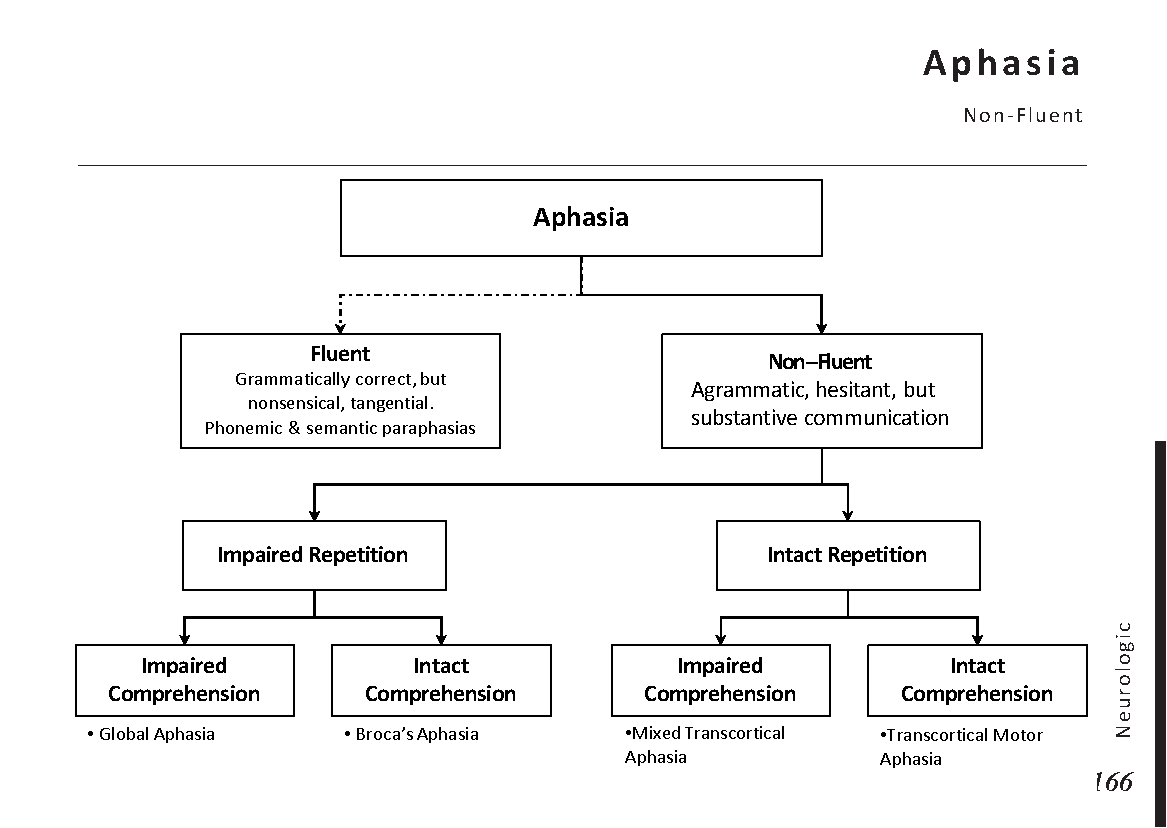
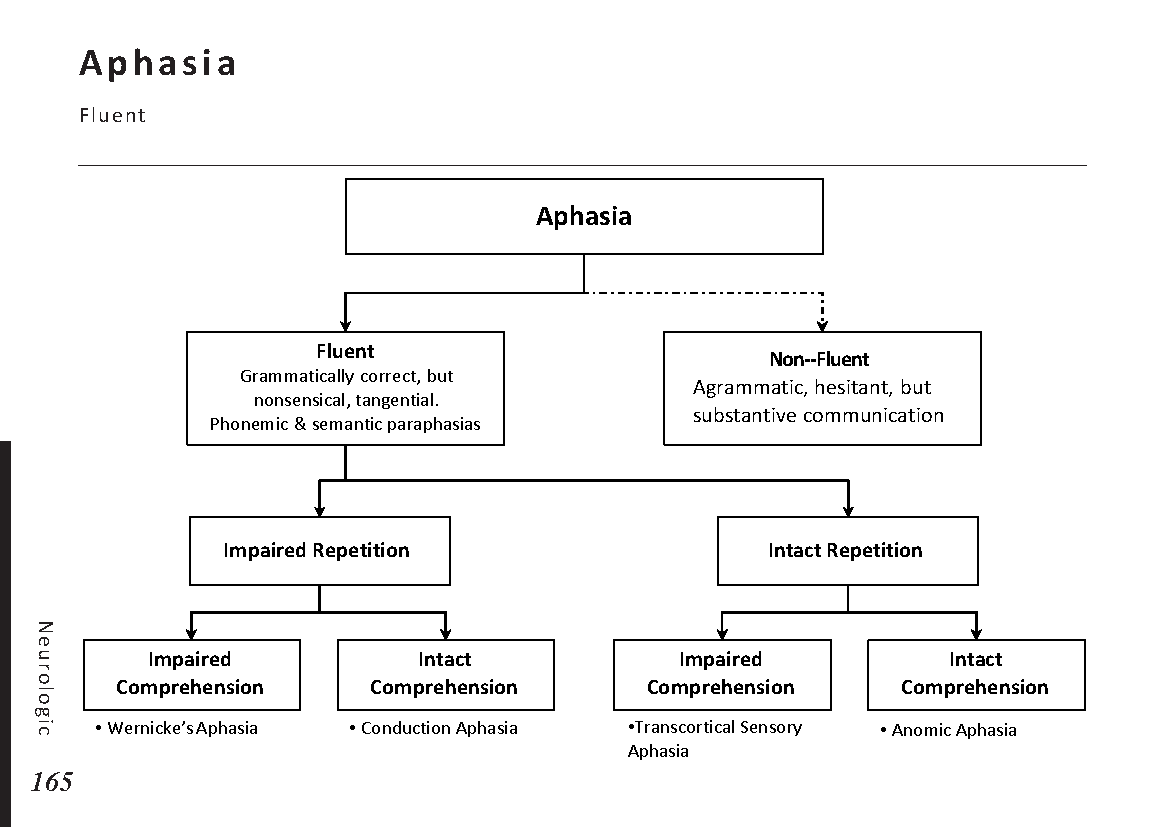
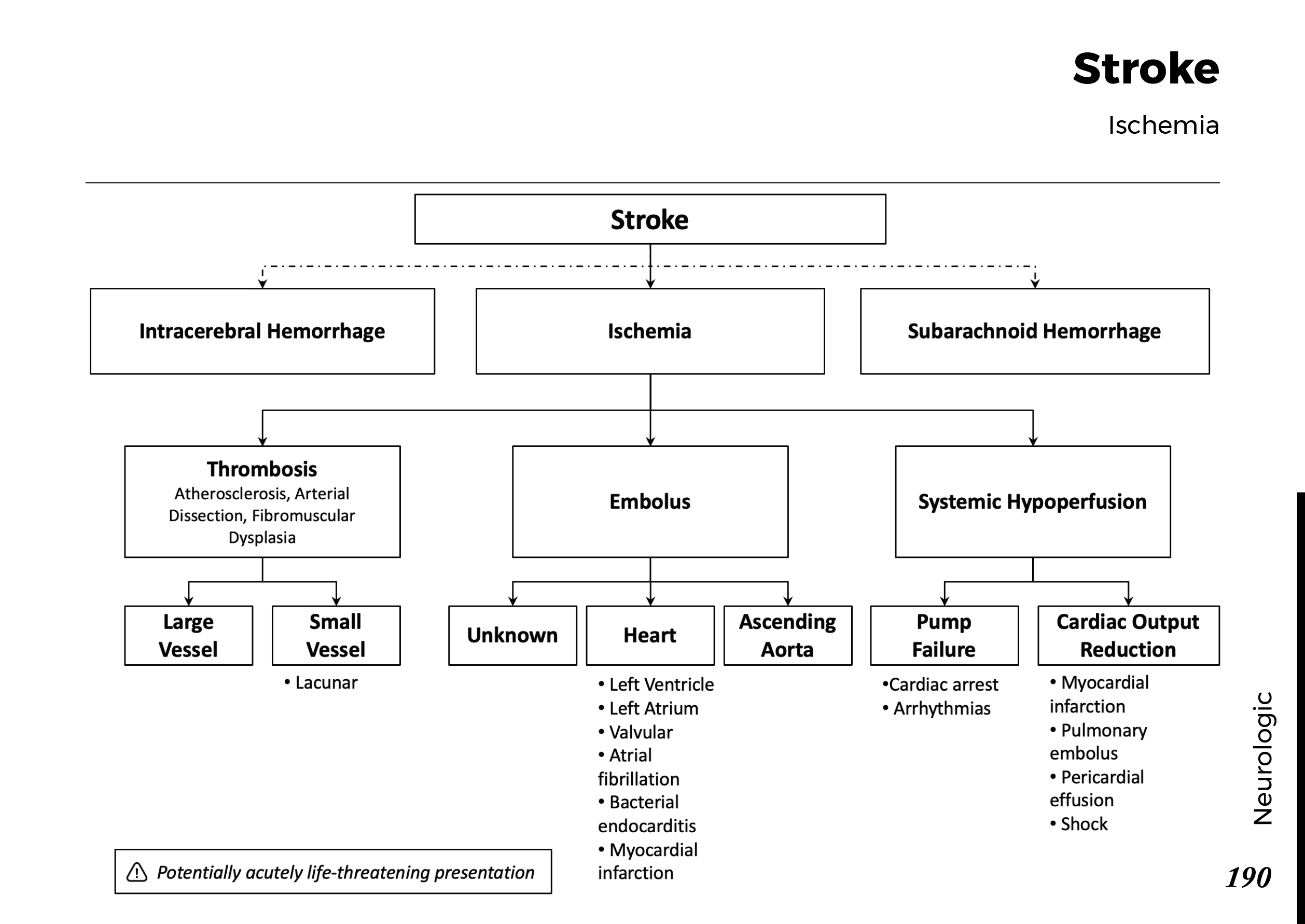
Some patients develop difficulty producing or understanding speech. This can resemble an acute stroke. A new focal neurological deficit requires appropriate urgent stroke assessment; cefepime exposure should not be used to dismiss a potentially time-critical diagnosis.
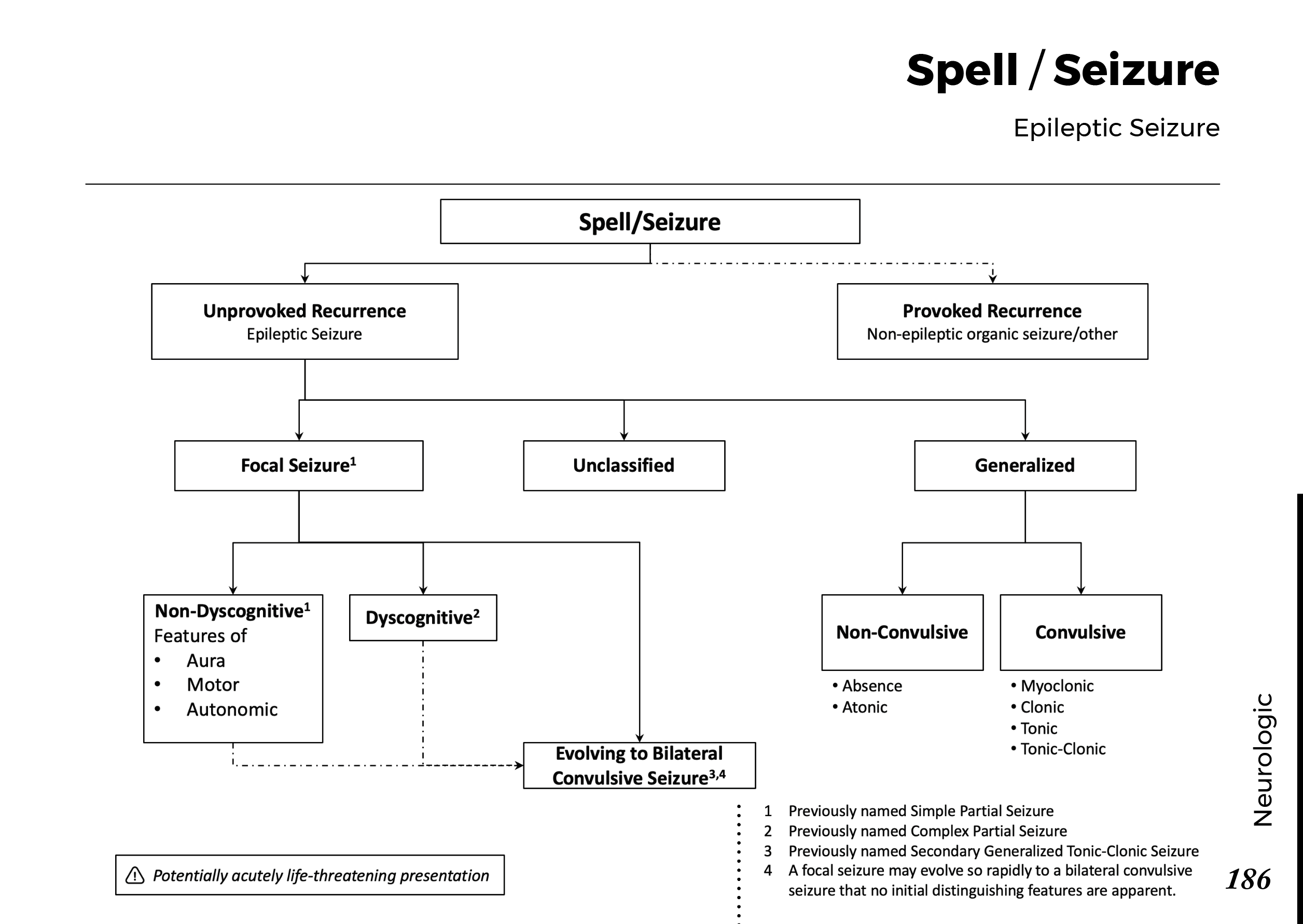
4. Seizures and nonconvulsive status epilepticus
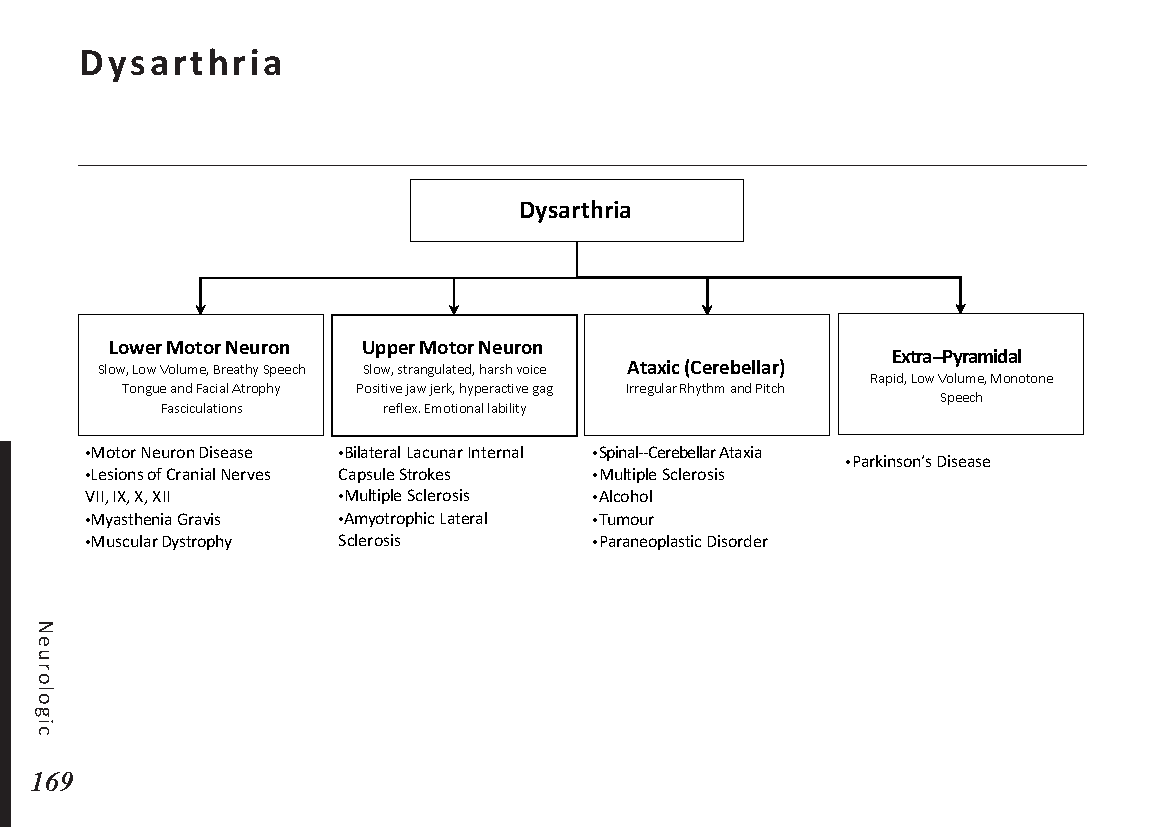
Cefepime neurotoxicity may be associated with overt convulsive seizures, but seizure activity is not always obvious. Nonconvulsive status epilepticus can present as persistent confusion, reduced responsiveness, or subtle repetitive movements without a typical generalized convulsion.
If the patient remains unexplainedly altered or has suspicious episodic movements, electroencephalography (EEG) can be particularly important. EEG abnormalities may support the assessment, but findings must be interpreted in clinical context because toxic and metabolic encephalopathies can produce overlapping patterns.
5. Reduced consciousness
Severe cases can progress to marked drowsiness or coma. This is an emergency and requires immediate assessment of airway protection, breathing, circulation, glucose, neurological status, and other potentially reversible causes.
How Is Cefepime Neurotoxicity Diagnosed?
There is no single symptom, blood test, or EEG pattern that confirms cefepime neurotoxicity in every patient. Diagnosis is based on the combination of exposure history, clinical findings, risk factors, exclusion of competing causes, and improvement after an appropriate change in treatment.
Step 1: Establish the medication timeline
Determine when cefepime was started, the prescribed regimen, recent dose changes, and when neurological symptoms first appeared. Review all other medications and recent clinical events.
Step 2: Reassess renal function and dosing
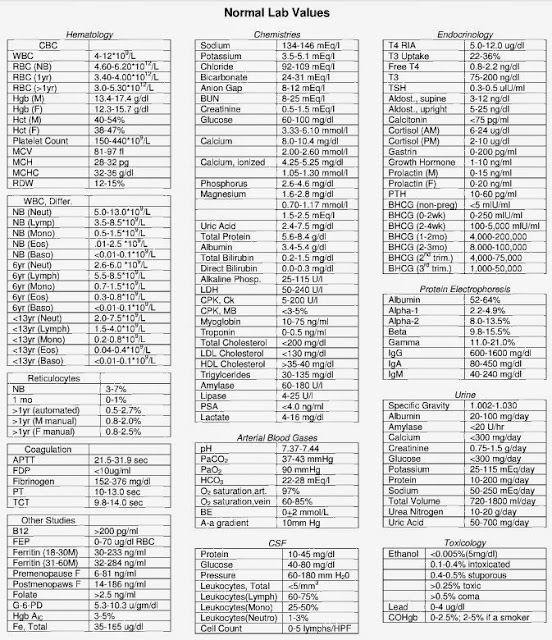
Review current creatinine, estimated renal function, urine output, and trends during hospitalization. Acute changes matter: a single creatinine measurement may not fully reflect rapidly evolving kidney dysfunction.
Check the prescribed cefepime regimen against current product information and local dosing guidance for the patient's renal function and infection indication. Dosing decisions should account for the clinical context and any renal replacement therapy.
Step 3: Investigate other causes of encephalopathy
Depending on the presentation, evaluation may include glucose, electrolytes, renal and hepatic function, oxygenation, infection assessment, medication review, and brain imaging when indicated. Consider stroke, intracranial bleeding, meningitis or encephalitis, uremia, hypoxia, and other toxic or metabolic causes.
Step 4: Consider EEG
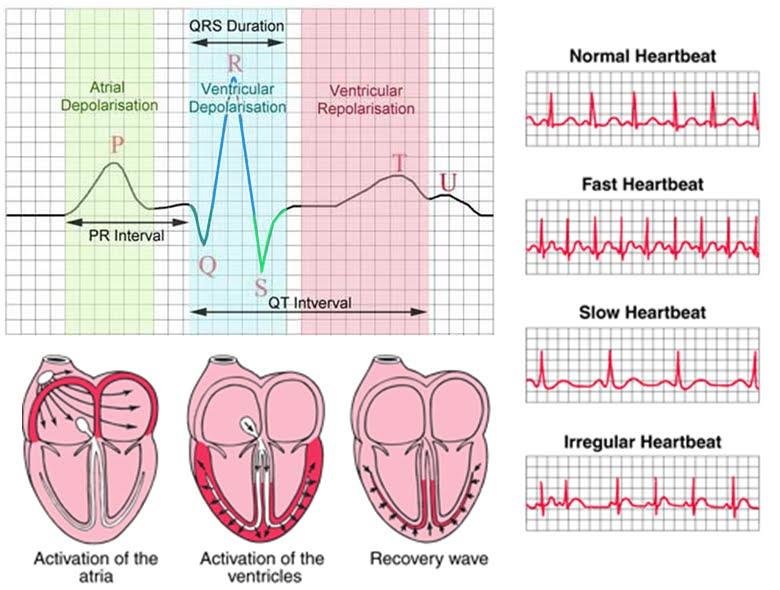
EEG is valuable when nonconvulsive seizures or status epilepticus are suspected. Generalized slowing and triphasic-appearing patterns may occur, but these are not exclusive to cefepime toxicity. Specialist interpretation can help distinguish encephalopathy from clinically significant ictal activity.
Step 5: Evaluate the response to treatment changes
Improvement after cefepime is discontinued or its exposure is appropriately reduced supports the diagnosis, especially when the timing is consistent. However, improvement alone does not prove causation, because other treatments and the underlying illness may also change during the same period.
Important Differential Diagnoses
| Alternative diagnosis | Clues to investigate | Clinical consideration |
|---|---|---|
| Sepsis-associated encephalopathy | Infection severity, organ dysfunction, hemodynamic changes | May coexist with medication toxicity. |
| Uremic encephalopathy | Renal failure, biochemical abnormalities, overall clinical course | Renal dysfunction may contribute to both uremia and cefepime accumulation. |
| Nonconvulsive status epilepticus | Persistent altered consciousness, subtle repetitive movements, EEG findings | Requires prompt evaluation and appropriate treatment. |
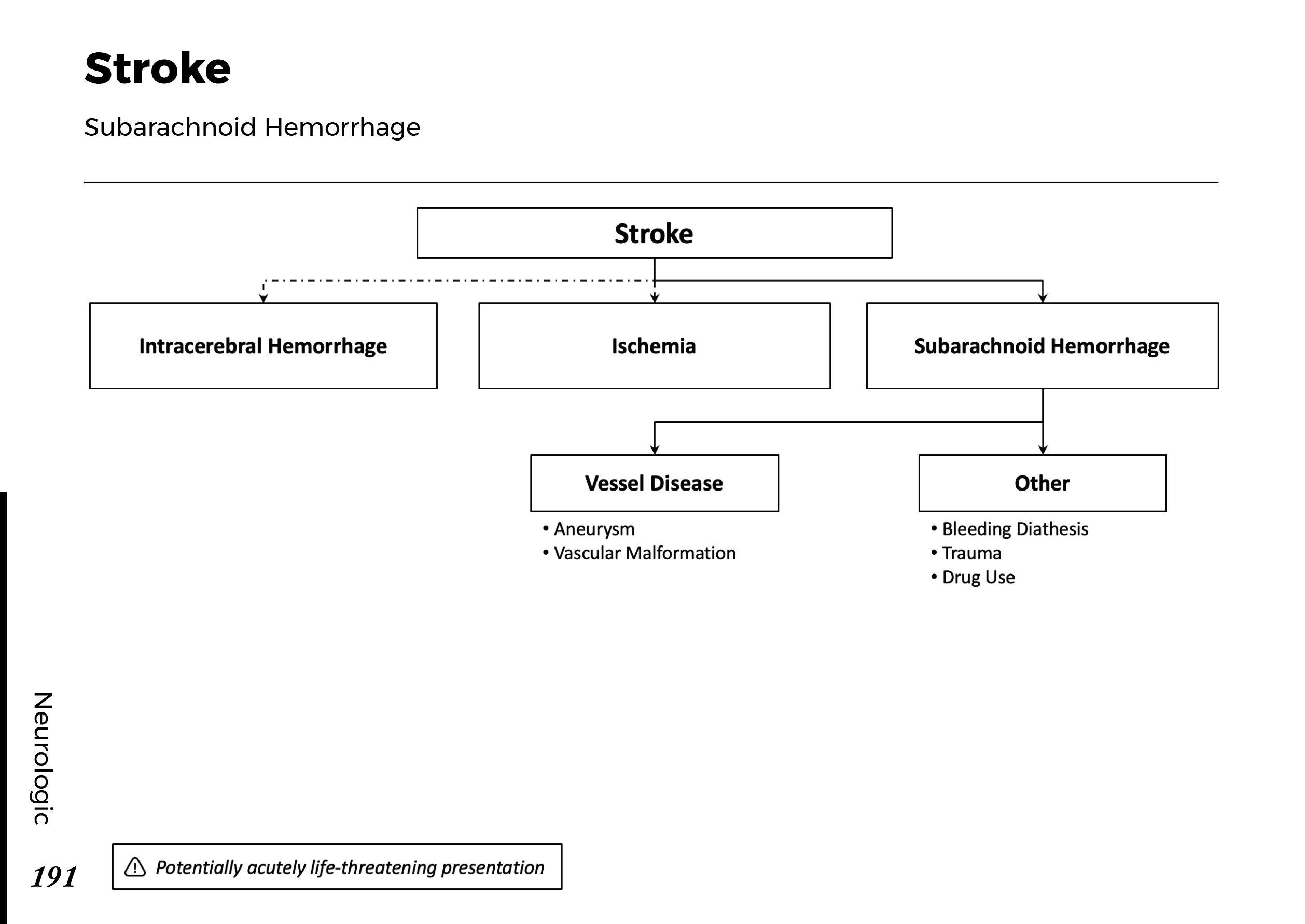
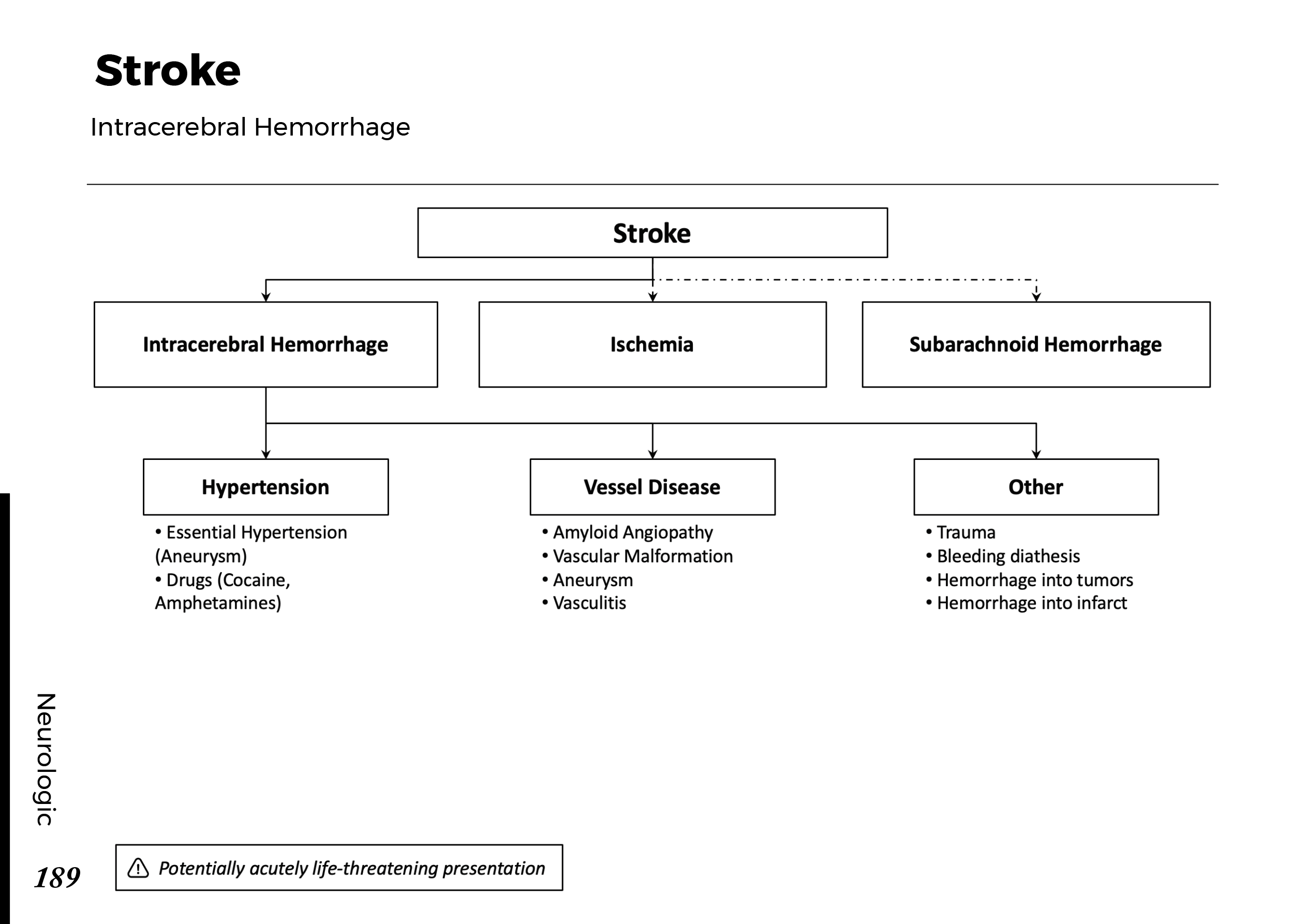
| Acute stroke or intracranial bleeding | Focal deficits, abrupt onset, headache, relevant risk factors | Urgent neuroimaging and stroke assessment may be necessary. |
| Electrolyte or glucose disturbance | Abnormal glucose, sodium, calcium, or other relevant laboratory findings | Correct the underlying disturbance and reassess neurological status. |
| Other drug-related encephalopathy | Recent medication changes, sedatives, interacting or neurotoxic agents | Review the complete medication list rather than focusing on one drug alone. |
Management: What Should Clinicians Do?
1. Address immediate neurological and medical emergencies
Stabilize the patient as needed and assess for hypoglycemia, hypoxia, seizures, stroke, infection, and other urgent causes. Severe reduction in consciousness or suspected status epilepticus requires immediate clinical management.
2. Promptly review and stop or replace cefepime when toxicity is suspected
When cefepime neurotoxicity is strongly suspected, clinicians generally discontinue cefepime and select an appropriate alternative antimicrobial when continued antibiotic treatment is required. The replacement must adequately treat the underlying infection and account for microbiology results, allergies, organ function, and antimicrobial stewardship.
The decision should be coordinated with the treating team and, when appropriate, infectious diseases and pharmacy specialists. Do not leave a serious infection untreated while changing therapy.
3. Correct dosing for current renal function
Renal dose adjustment is an important preventive measure. Reassess renal function during treatment, particularly in patients with acute illness or changing kidney function. Follow current prescribing information and institutional guidance rather than relying on a fixed dose for all patients.
4. Treat seizures when present
Clinical seizures and confirmed or strongly suspected status epilepticus require appropriate seizure management. EEG findings should be interpreted carefully because not every abnormal pattern represents an indication for antiseizure treatment.
5. Consider hemodialysis in selected severe cases
Cefepime can be removed by hemodialysis. In selected patients with severe toxicity, substantial drug accumulation, or renal failure, nephrology and critical care teams may consider dialysis based on the overall clinical situation. It is not automatically required for every suspected case.
6. Monitor neurological recovery
Many reported patients improve within days after cefepime is discontinued or exposure is reduced, although recovery varies. Continue to monitor mental status, seizures, renal function, and the underlying infection. Persistent symptoms should prompt reassessment for alternative or additional diagnoses.
Clinical Cases: Applying the Pattern
Case 1: Confusion on the fourth day of treatment
A 78-year-old hospitalized patient receiving cefepime for a serious infection becomes disoriented on day four. The patient's renal function has deteriorated since admission.
What should raise suspicion?
The timing, new encephalopathy, older age, and worsening renal function form a concerning pattern for cefepime neurotoxicity. The team should urgently reassess renal dosing, medication exposure, infection status, and other causes of altered mental status while considering discontinuation and alternative antimicrobial therapy.
Teaching point: A medication regimen should be reassessed when a patient's kidney function changes, not only when the antibiotic is first prescribed.
Case 2: New jerking movements without a generalized seizure
A patient receiving cefepime develops confusion and intermittent jerking of both arms. No generalized convulsion has been observed.
What is the next consideration?
Myoclonus in this setting should prompt urgent evaluation for drug-associated neurotoxicity and seizure activity. EEG may be necessary to assess for nonconvulsive status epilepticus. Metabolic disturbances and other neurological emergencies must also be considered.
Teaching point: The absence of a dramatic convulsion does not exclude clinically significant seizure activity.
Case 3: A patient develops aphasia during antibiotic treatment
A patient being treated with cefepime suddenly has difficulty speaking and following commands.
Should this immediately be attributed to cefepime?
No. Cefepime neurotoxicity is a possible explanation, but an acute focal deficit requires urgent evaluation for stroke and other intracranial emergencies. Medication toxicity should remain in the differential without delaying time-sensitive assessment.
Teaching point: A plausible adverse drug reaction must not distract from a potentially life-threatening alternative.
Prevention: Reducing the Risk Before Symptoms Appear
- Assess renal function before prescribing cefepime and adjust the regimen according to current prescribing guidance.
- Reassess renal function during acute illness, especially when creatinine is changing or urine output declines.
- Review neurological status during treatment, particularly in older adults and patients with kidney dysfunction.
- Investigate new confusion, myoclonus, or unexplained reduced consciousness rather than assuming these findings are caused by infection alone.
- Review all medications and collaborate with pharmacy or infectious diseases specialists when dosing or antimicrobial alternatives are uncertain.
Frequently Asked Questions
How soon can cefepime neurotoxicity occur?
Symptoms often begin after several days of treatment. A systematic review reported a median onset of approximately four days, but onset can occur earlier or later depending on the patient and clinical circumstances.
Can cefepime neurotoxicity occur with normal renal function?
Yes, it has been reported even when dosing was considered appropriate. Nevertheless, renal dysfunction and excessive drug exposure are important risk factors and should be assessed.
Does a normal brain CT exclude cefepime neurotoxicity?
No. A normal CT does not exclude medication-associated encephalopathy or nonconvulsive seizures. Imaging is useful for evaluating selected alternative diagnoses, while EEG and clinical assessment may be needed to investigate other causes.
Is myoclonus always caused by cefepime in a patient receiving it?
No. Myoclonus has a broad differential diagnosis, including metabolic disturbances, other medications, and seizure-related conditions. Cefepime exposure is a clue, not proof of causation.
How is cefepime neurotoxicity treated?
Management generally involves prompt reassessment and discontinuation or appropriate adjustment of cefepime when toxicity is suspected, ensuring suitable alternative infection treatment, and managing seizures or other complications when present. Hemodialysis may be considered in selected severe cases.
How long does recovery take?
Many reported cases improve within a few days after the drug is stopped or its exposure is reduced. The course varies with the degree of drug accumulation, renal function, complications, and any coexisting illness.
Key Takeaways
- Cefepime can cause encephalopathy, myoclonus, aphasia, and seizures.
- Renal dysfunction is a major risk factor, but toxicity can occur despite apparently appropriate dosing.
- Symptoms often emerge several days after treatment begins.
- EEG can help identify nonconvulsive seizure activity, but its findings are not always specific.
- Consider stroke, infection, metabolic disorders, and other urgent causes rather than assuming every neurological change is drug toxicity.
- Prompt medication review, appropriate antimicrobial substitution, renal dosing assessment, and supportive care are central to management.
Further Reading
- Payne LE, et al. Cefepime-induced neurotoxicity: a systematic review. Critical Care. Read the review on PubMed Central.
- Maan G, et al. Cefepime-induced neurotoxicity: systematic review. Journal of Antimicrobial Chemotherapy. Read the review on PubMed.
Educational disclaimer: This article is intended for medical education and does not replace professional medical judgment, current prescribing information, institutional protocols, or specialist consultation. Suspected medication toxicity, seizures, acute focal neurological deficits, or reduced consciousness require timely clinical assessment.
 Menstrual cycle physiology: