Elevated Lactate Without Shock: Causes and Clinical Approach
An elevated blood lactate level often triggers concern about sepsis, tissue hypoperfusion, or impending circulatory failure. That concern is appropriate, but lactate is not a direct measurement of blood pressure or tissue oxygen delivery. It reflects the balance between lactate production, metabolism, and clearance.
A patient can have an elevated lactate while maintaining a normal blood pressure and appearing relatively well. Conversely, a patient with serious tissue hypoperfusion may initially have a lactate level that does not appear dramatically elevated. Understanding this distinction helps clinicians interpret laboratory results without overlooking emergencies or initiating unnecessary treatment.
What Does an Elevated Lactate Actually Mean?
Lactate is produced continuously during normal cellular metabolism. It is formed from pyruvate through the enzyme lactate dehydrogenase and can be used as a fuel by tissues such as the heart and skeletal muscle. The liver, kidneys, and other tissues contribute to its metabolism and clearance.
Blood lactate rises when its production exceeds its removal. This can occur because oxygen delivery is inadequate, but it can also occur because cellular metabolism accelerates, lactate clearance decreases, or particular metabolic pathways are altered.
Many laboratories use an upper reference limit around 2 mmol/L, although the reference range depends on the laboratory and sampling conditions. Values above approximately 4 mmol/L are particularly concerning in many acute-care settings, but no single lactate value can independently diagnose shock, sepsis, or tissue hypoxia.
Type A and Type B Hyperlactatemia
A useful starting framework is to consider whether lactate elevation may be associated with inadequate tissue perfusion or oxygen delivery, or whether another mechanism is more likely. These categories overlap, so they should guide investigation rather than replace clinical assessment.
| Feature | Type A pattern | Type B pattern |
|---|---|---|
| Typical mechanism | Inadequate tissue perfusion or oxygen delivery, or impaired oxygen utilization in some conditions | Altered metabolism, medications, impaired clearance, or other causes not primarily explained by systemic hypoperfusion |
| Examples | Shock, severe hypoxemia, major hemorrhage, some cases of regional ischemia | Beta-2 agonists, seizures, liver dysfunction, thiamine deficiency, some drug toxicities and malignancies |
| Clinical assessment | Look for impaired perfusion, organ dysfunction, hypoxemia, or a time-critical underlying illness | Review medications, recent events, metabolic conditions, liver function, and the overall clinical picture |
| Key caution | Normal blood pressure does not exclude impaired perfusion | A plausible non-hypoperfusion cause does not exclude a simultaneous emergency |
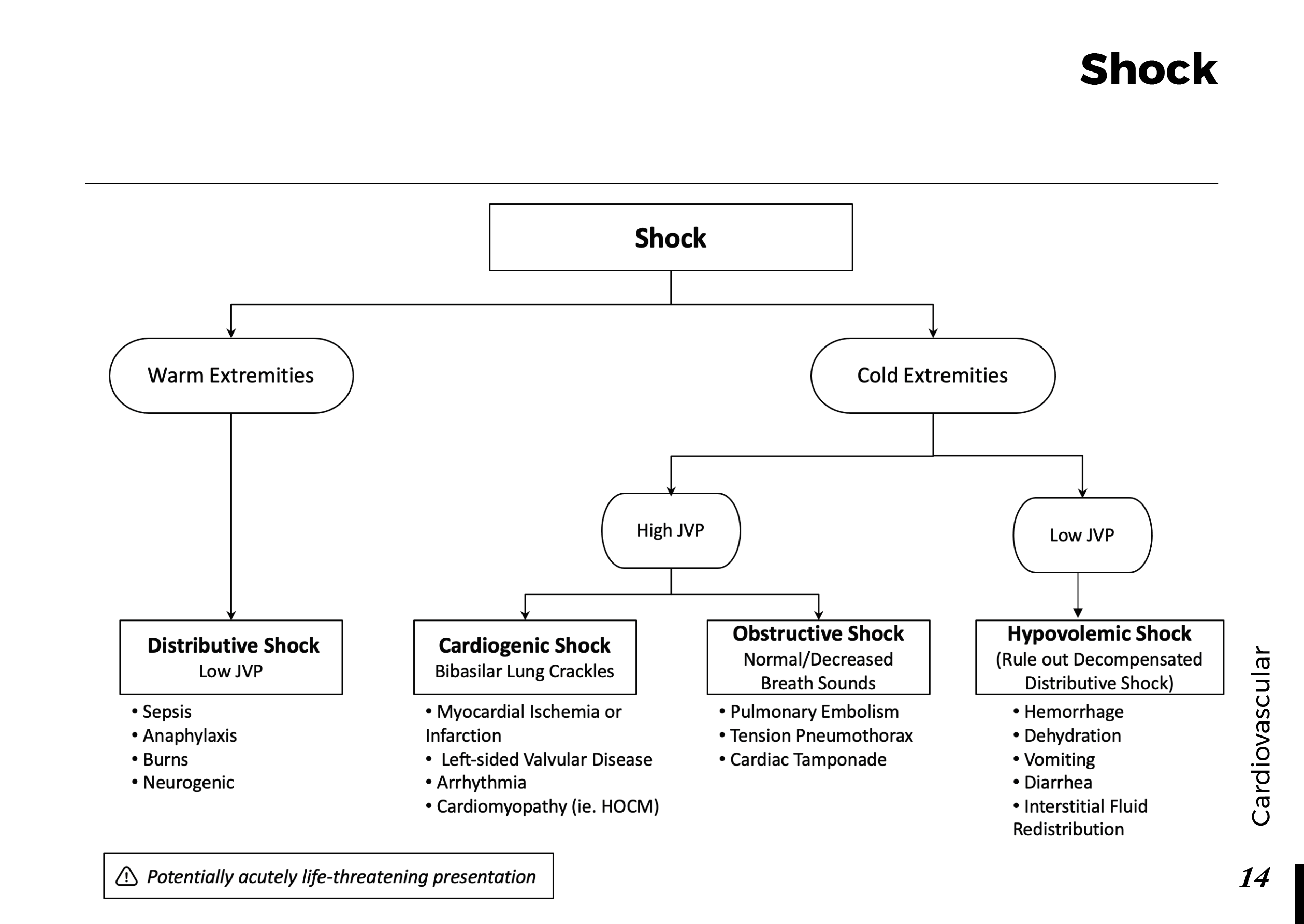
The central clinical question is not simply whether the patient has shock. It is whether there is an immediately dangerous cause of lactate elevation, and what combination of findings best explains the result.
Seven Causes of Elevated Lactate Without Obvious Shock
1. Beta-2 agonists, including albuterol
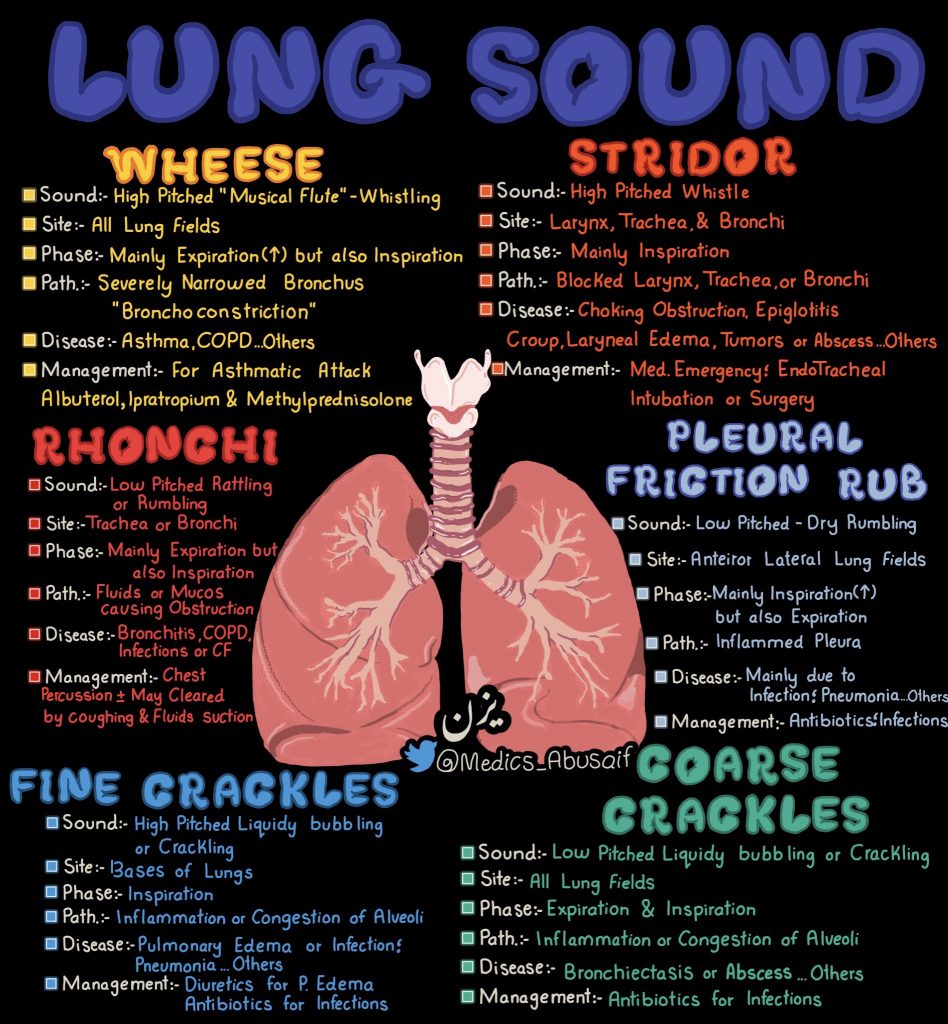
High-dose beta-2 agonists used for acute asthma or other bronchospastic conditions can increase lactate production through metabolic stimulation. A patient may therefore remain tachypneic despite improvement in bronchospasm, partly because metabolic acidosis is contributing to the respiratory drive.
This creates a potentially confusing situation: the clinician sees persistent rapid breathing and may assume that bronchospasm is worsening, leading to additional bronchodilator treatment and potentially further lactate elevation.
Reassess air entry, wheezing, work of breathing, oxygenation, respiratory fatigue, and the response to treatment. Consider medication-associated hyperlactatemia when the timing fits, but do not assume that it explains ongoing respiratory distress without reassessing the patient.
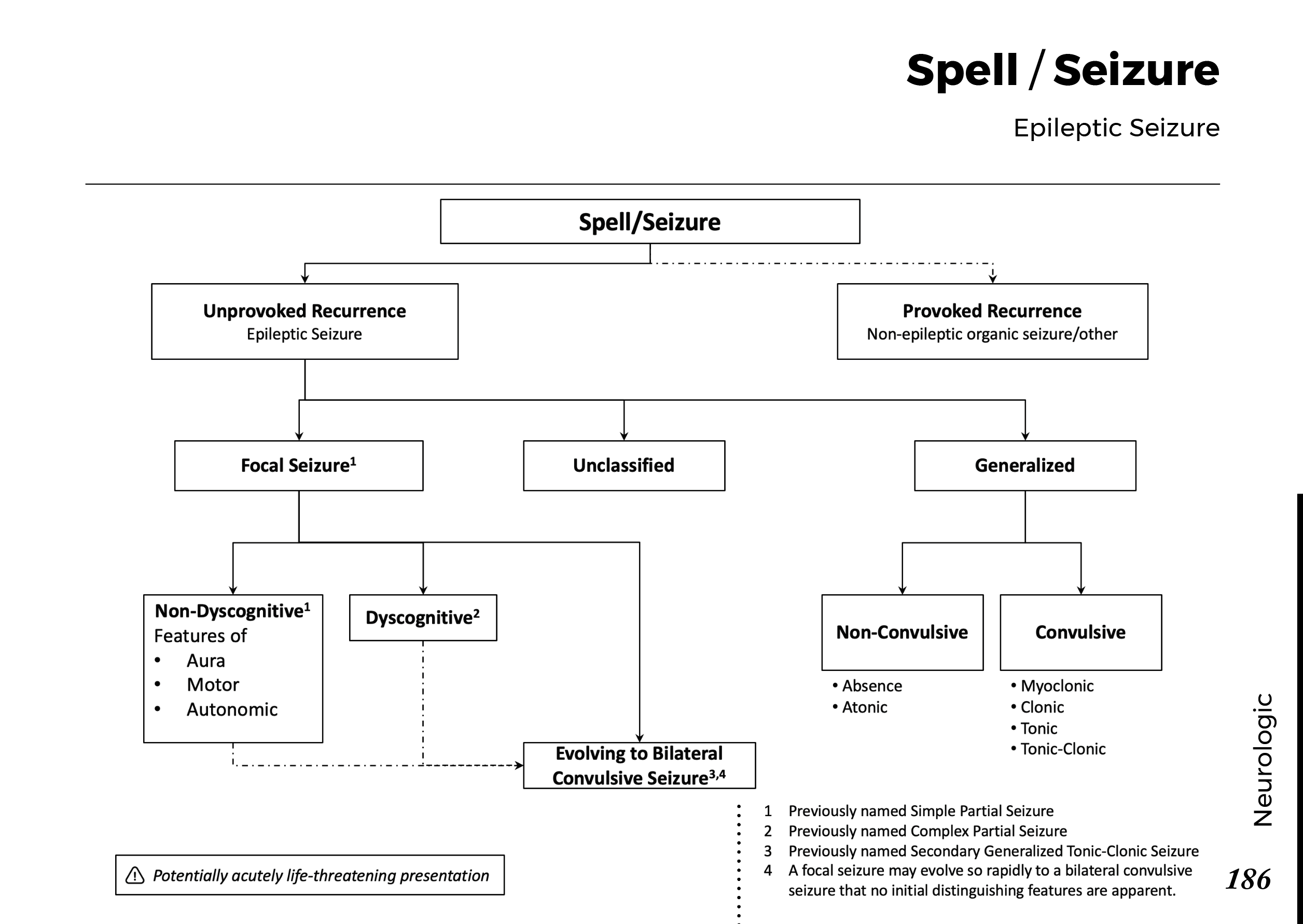
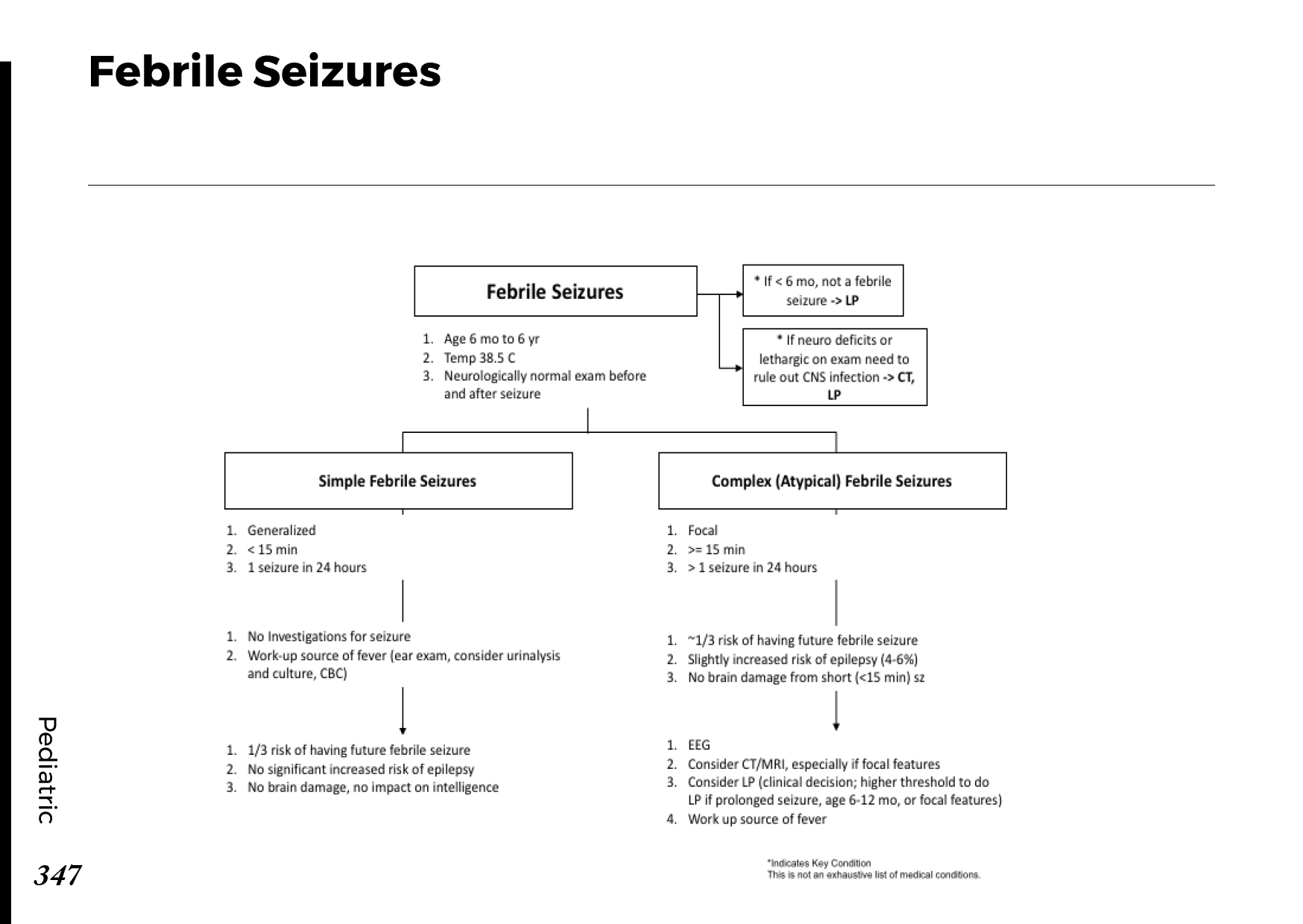
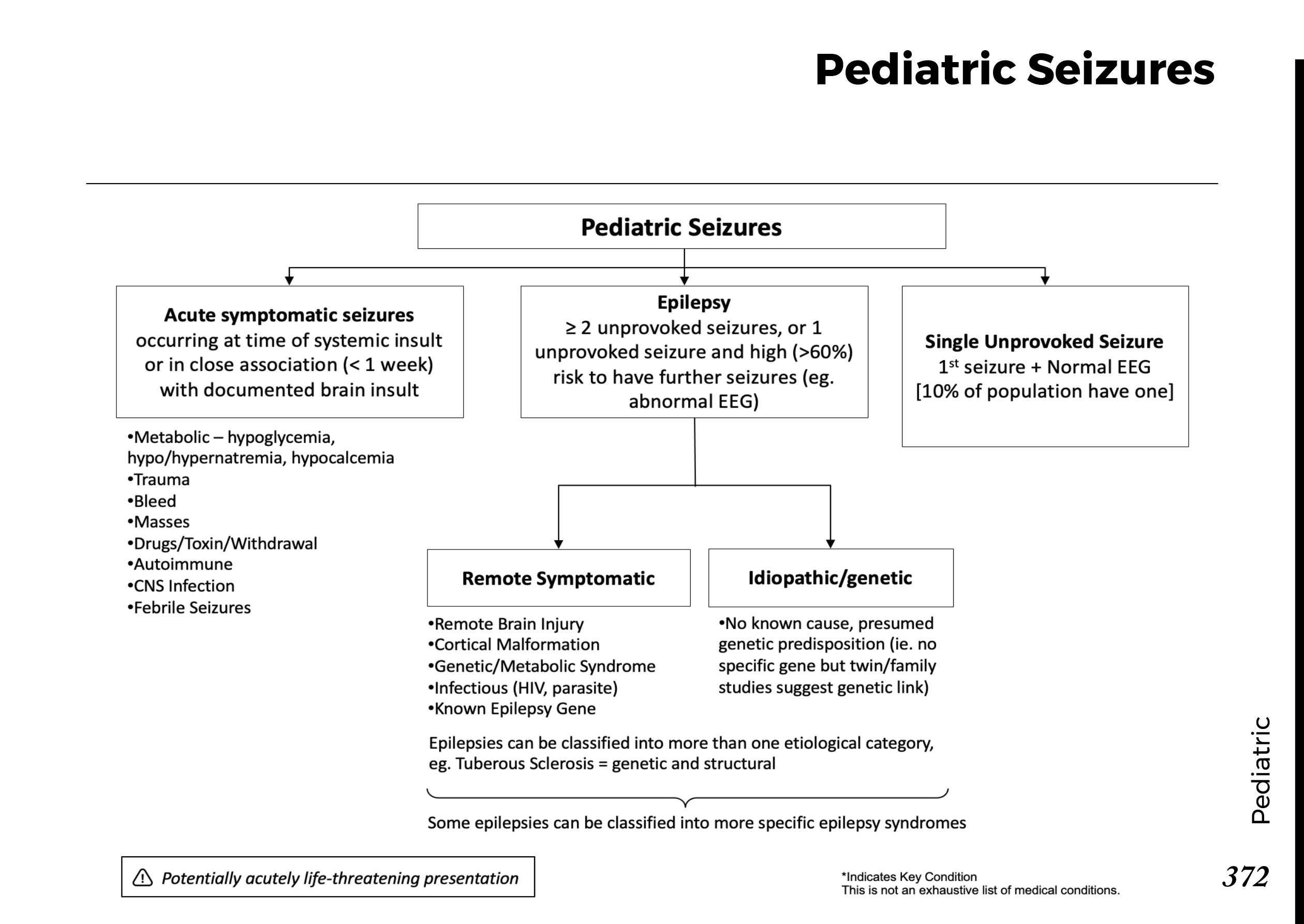
2. Generalized tonic-clonic seizures
Intense muscle activity during a generalized seizure can generate substantial lactate. The concentration may rise rapidly and then decline over the following hours as the seizure ends and lactate is metabolized.
A high result obtained shortly after a witnessed seizure may therefore have a different interpretation from the same result in a patient with unexplained deterioration. Persistent elevation, recurrent seizures, prolonged altered consciousness, fever, or hemodynamic abnormalities require evaluation for additional causes.
3. Impaired liver function
The liver is a major site of lactate clearance. Significant hepatic dysfunction can contribute to persistent hyperlactatemia, particularly when production is also increased by infection, bleeding, seizures, or other physiological stress.
In a patient with advanced liver disease, lactate should be interpreted alongside the clinical examination, liver function, renal function, acid-base status, and the suspected underlying illness. Liver disease may explain part of the result, but it should not automatically be used to dismiss a possible infection or perfusion problem.
4. Metformin and other medication-related causes
Metformin-associated lactic acidosis is uncommon but potentially serious. The risk is especially relevant when metformin exposure occurs alongside acute kidney injury, severe illness, hypoxia, or other factors that promote lactate accumulation.
Other drugs and toxins can also contribute to lactate elevation through different mechanisms. Depending on the clinical context, examples include linezolid, certain antiretroviral agents, toxic alcohols, cyanide, and other toxic exposures. The strength of the association and the mechanism vary by agent.
Review the complete medication list, recent dose changes, renal function, possible overdose, and exposure history. Do not attribute a markedly abnormal result to a medication without assessing for other urgent causes.
5. Thiamine deficiency
Thiamine is required for normal carbohydrate metabolism, including the conversion of pyruvate to acetyl-CoA. When thiamine is severely deficient, pyruvate metabolism can be disrupted and lactate may accumulate.
Consider this possibility in patients with severe malnutrition, prolonged inadequate intake, alcohol use disorder, malabsorption, or other risk factors. The diagnosis is clinical and contextual; treatment decisions should follow the patient's condition and local protocols, particularly when deficiency is strongly suspected.
6. Strenuous exercise, agitation, or intense muscle activity
Exercise, struggling, severe agitation, and intense muscular activity can temporarily increase lactate production. The significance depends on the circumstances, the magnitude of the elevation, the timing of sampling, and whether the result declines after the activity ends.
An exercise-related explanation is less convincing when the patient has persistent hypotension, fever, severe pain, altered mental status, organ dysfunction, or a lactate level that remains elevated without a clear reason.
7. Malignancy and other metabolic conditions
Some malignancies, particularly certain aggressive hematologic cancers, can cause persistent lactate elevation through increased cellular glycolysis. Impaired hepatic clearance, infection, nutritional deficiency, and treatment-related complications may contribute.
This possibility is more relevant when lactate remains elevated without a convincing explanation and the patient has features such as known malignancy, unexplained weight loss, cytopenias, organ enlargement, or other concerning findings. It is generally a diagnosis requiring broader clinical evaluation rather than an assumption made from one laboratory result.
Can Lactate Be Elevated When Blood Pressure Is Normal?
Yes. Normal blood pressure does not guarantee normal tissue perfusion. Compensatory mechanisms can preserve blood pressure during early shock, and regional ischemia can occur without systemic hypotension. Some patients also have impaired microcirculatory flow or other disturbances that are not captured by a single blood pressure measurement.
At the same time, lactate can rise in patients who are not in shock because production increases or clearance decreases. Both possibilities must remain in the differential diagnosis until the clinical picture is clear.
Assess the patient rather than relying on one number. Relevant findings include mental status, skin temperature and perfusion, capillary refill, urine output, heart rate, respiratory pattern, oxygenation, and evidence of organ dysfunction. None of these findings should be interpreted in isolation.
A Practical Approach to an Unexpected Lactate Result
Step 1: Decide whether the patient is unstable
Assess airway, breathing, circulation, mental status, vital signs, oxygenation, and evidence of organ dysfunction. Look for sepsis, hemorrhage, severe hypoxemia, cardiac failure, major dehydration, ischemia, and other time-critical conditions.
If the patient is unstable or a dangerous cause is suspected, begin urgent evaluation and treatment immediately. Do not delay necessary care while waiting for a repeat lactate.
Step 2: Verify the result and its context
Review the value, units, reference interval, sample type, collection circumstances, and timing. A difficult collection, prolonged tourniquet use, vigorous fist clenching, or delayed sample processing can affect some specimens. The impact depends on the collection method and laboratory handling.
If the result is inconsistent with the patient's condition, consider repeating it using appropriate collection and processing procedures. A repeat sample is a way to investigate uncertainty, not a substitute for urgent assessment.
Step 3: Review the acid-base status
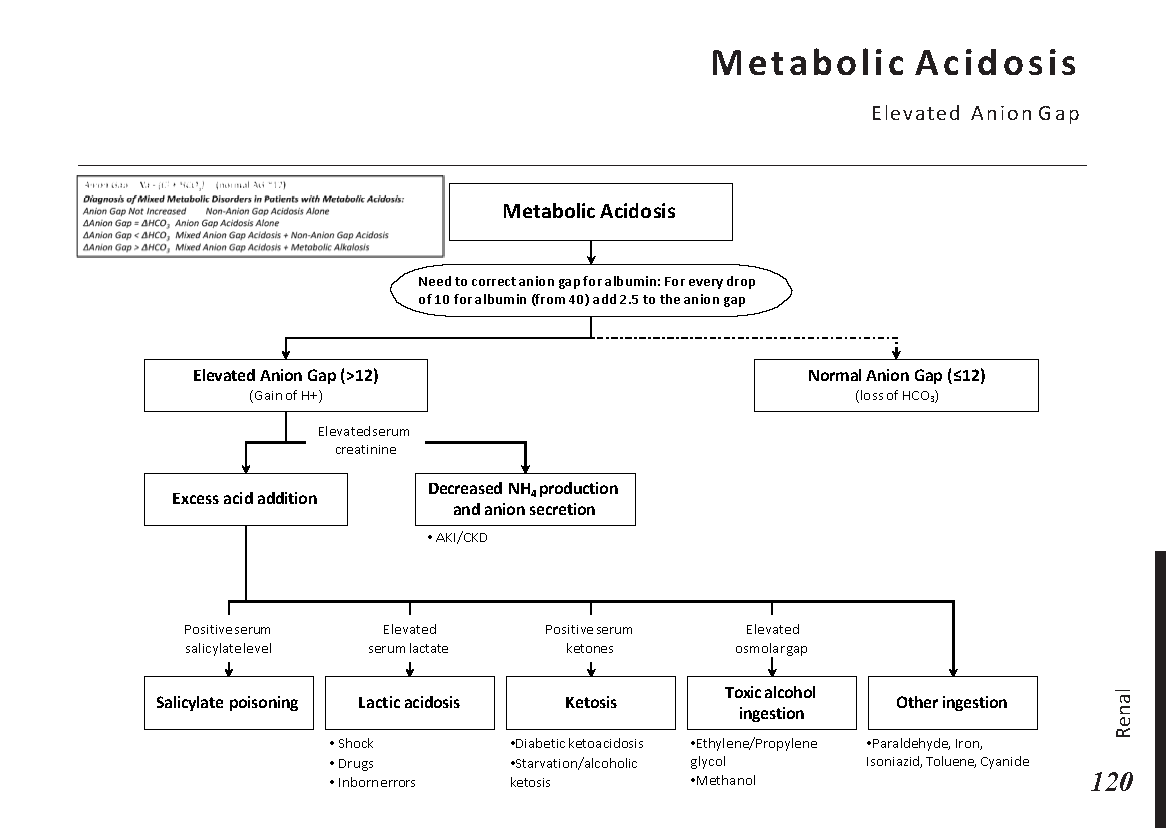
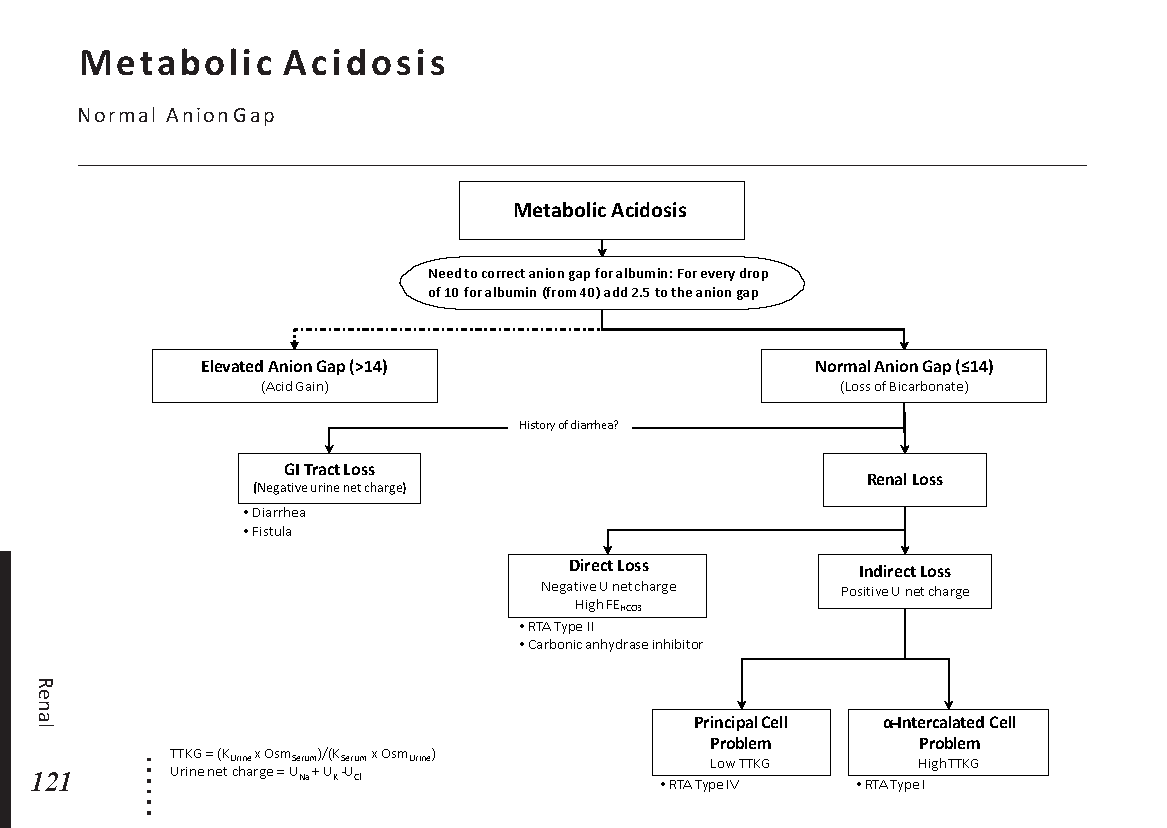
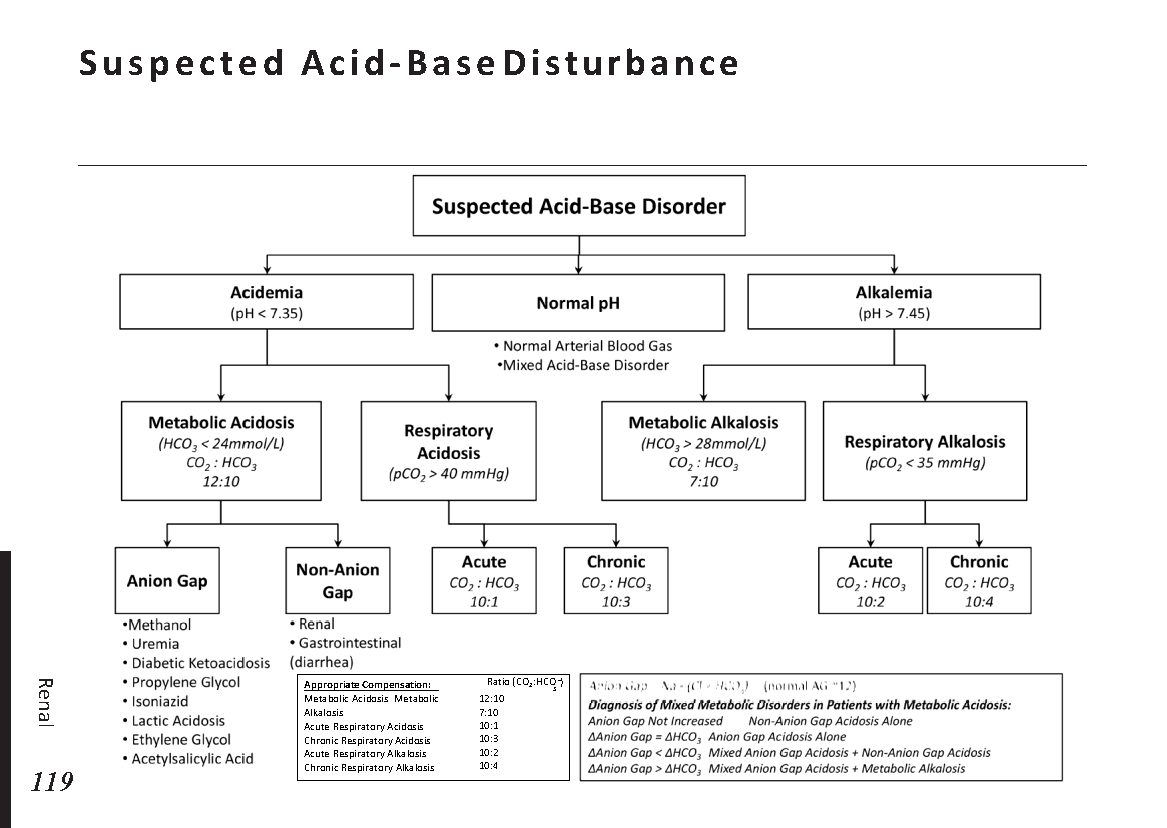
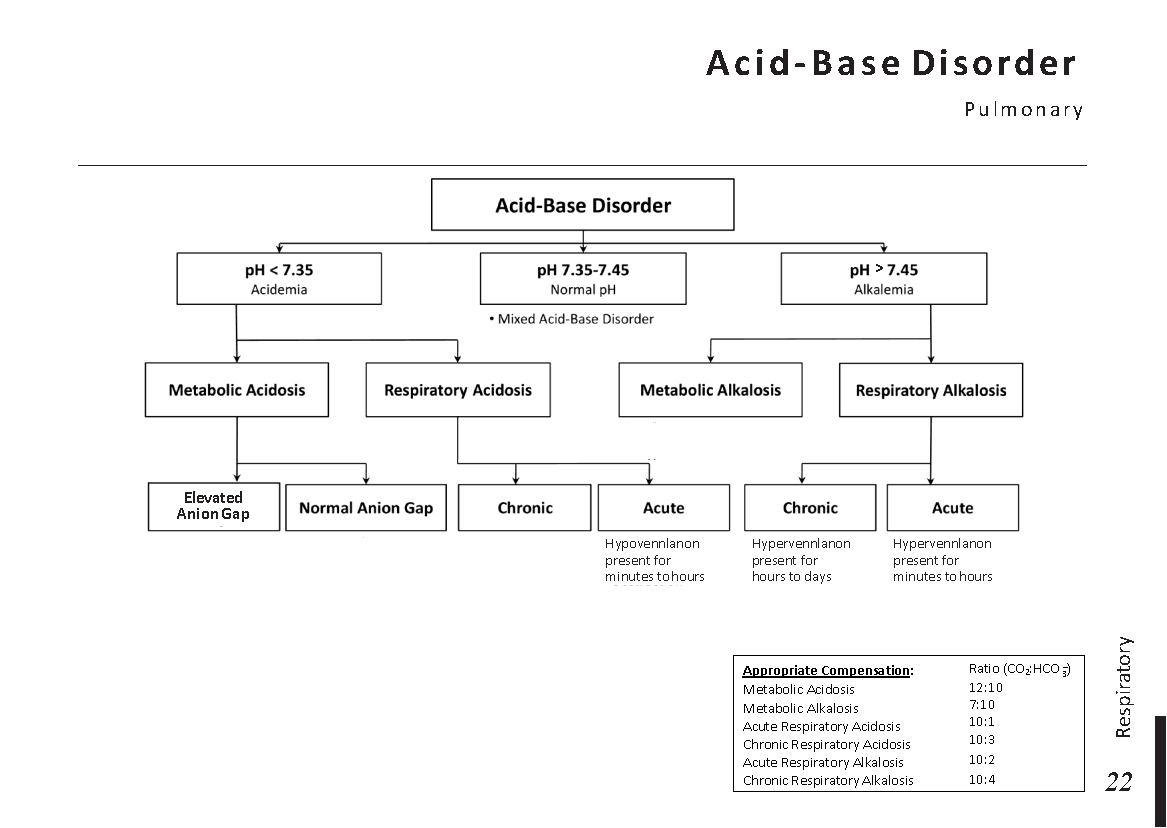
Check the pH, bicarbonate, and other available blood gas findings, together with electrolytes and renal function. Determine whether there is metabolic acidosis and assess the broader acid-base picture. An elevated lactate may coexist with another acid-base disorder.
A patient can have hyperlactatemia without acidemia, while another patient can have severe metabolic acidosis from several simultaneous processes. Neither pH nor lactate should be interpreted alone.
Step 4: Search for a plausible cause
Use the history and examination to guide further testing. Ask about recent seizures, strenuous activity, medication exposure, possible poisoning, nutritional status, liver disease, renal impairment, infection, bleeding, and symptoms suggesting regional ischemia.
Additional investigations should be tailored to the suspected cause. They may include blood counts, cultures, organ function tests, electrocardiography, imaging, or toxicology testing when clinically indicated.
Step 5: Interpret the trend
Repeat lactate measurements when appropriate for the patient's condition and treatment plan. A falling concentration may support improvement or resolution of a transient trigger, but it does not prove that the underlying problem has been corrected.
A persistent or rising lactate deserves reassessment of the diagnosis, ongoing production, clearance, and response to treatment. Conversely, a declining result should not override worsening clinical findings.
Clinical Cases: Putting the Findings Together
Case 1: Persistent tachypnea during asthma treatment
A young adult with acute asthma receives repeated nebulized albuterol. Wheezing and air entry improve, but the respiratory rate remains high. Lactate is elevated.
What should you consider?
Beta-2 agonist-associated hyperlactatemia is a possibility, particularly if the timing fits. The clinician should reassess airflow, oxygenation, respiratory effort, and the overall response to treatment while considering alternative explanations.
Clinical lesson: Persistent tachypnea does not always mean persistent bronchospasm. However, worsening respiratory distress must never be dismissed as a medication effect without reassessment.
Case 2: Elevated lactate after a seizure
A patient is brought to the emergency department shortly after a generalized tonic-clonic seizure. Lactate is markedly elevated, and the patient gradually regains consciousness.
What is the likely explanation?
Intense muscle activity during the seizure may explain the initial rise. The timing and subsequent clinical recovery are important, and a repeat measurement may help determine whether the elevation is resolving.
Clinical lesson: A transient trigger can explain lactate elevation, but prolonged altered consciousness, recurrent seizures, persistent abnormalities, or other concerning findings require further investigation.
Case 3: Elevated lactate in a patient with liver disease
A patient with advanced chronic liver disease presents with weakness and an elevated lactate. Blood pressure is normal, but the patient has a new change in mental status.
How should the result be interpreted?
Reduced lactate clearance may contribute, but the change in mental status requires urgent assessment for infection, bleeding, metabolic disturbance, medication effects, and other complications. Normal blood pressure does not exclude serious illness.
Clinical lesson: A known explanation for an abnormal laboratory value should not prevent the clinician from investigating new or unexplained deterioration.
Common Clinical Mistakes
- Equating elevated lactate with septic shock: Lactate can rise in many conditions. Sepsis and shock require assessment of the complete clinical picture.
- Assuming normal blood pressure excludes hypoperfusion: Early shock and regional ischemia may occur without obvious systemic hypotension.
- Calling every elevated lactate lactic acidosis: Assess pH and the acid-base state before applying that description.
- Ignoring medication effects: Certain treatments can alter lactate production, but medication effects should not be used to dismiss possible emergencies.
- Treating the number rather than the cause: Management should address the underlying problem. Lactate alone does not determine whether a patient needs fluids, antibiotics, oxygen, or another intervention.
- Using a falling lactate as the only sign of recovery: Clinical deterioration can occur despite an improving laboratory result. Reassess the patient as a whole.
Frequently Asked Questions
Can lactate be high without sepsis?
Yes. Seizures, intense exercise, beta-2 agonists, impaired liver function, certain medications, nutritional deficiencies, and other conditions can raise lactate. Sepsis remains an important possibility when supported by the clinical presentation.
Does an elevated lactate always mean tissue hypoxia?
No. Inadequate oxygen delivery is one cause, but increased metabolic activity, altered cellular metabolism, and reduced clearance can also contribute. More than one mechanism may operate at the same time.
What lactate level is dangerous?
The risk depends on the magnitude, trend, underlying cause, and patient's condition. Values above approximately 4 mmol/L often warrant particular concern in acute care, but lower levels can also be significant. There is no universally safe cutoff that replaces clinical assessment.
How quickly should an elevated lactate be repeated?
Timing depends on clinical stability, the suspected cause, initial result, and local protocols. In an unstable patient, urgent assessment and treatment take priority. When repeating a sample is appropriate, the timing should be chosen to answer a clinical question rather than follow a rigid interval for every patient.
Can lactate be elevated with a normal pH?
Yes. The body's buffering systems and other acid-base processes can leave the pH within the reference range despite elevated lactate. A normal pH therefore does not exclude clinically important hyperlactatemia.
Should every elevated lactate be treated with intravenous fluids?
No. Fluid treatment should depend on the patient's hemodynamic state, volume status, likely cause, and risk of fluid overload. Unnecessary fluids can cause harm, particularly in patients with heart or kidney dysfunction. Treat the underlying cause rather than using lactate alone to determine fluid administration.
Key Takeaways
- Lactate reflects the balance between production and clearance.
- An elevated result does not automatically establish shock or tissue hypoxia.
- Normal blood pressure does not rule out serious hypoperfusion or regional ischemia.
- Medication effects, seizures, liver dysfunction, thiamine deficiency, and other metabolic conditions can contribute.
- Interpret lactate alongside the patient's examination, acid-base status, suspected cause, and clinical trend.
- Urgent treatment should never be delayed when the patient is unstable or a dangerous cause is suspected.
Educational disclaimer: This article is intended for medical education and clinical reasoning. It does not replace professional judgment, institutional protocols, specialist advice, or emergency assessment. Lactate results must be interpreted in the context of the individual patient and the laboratory's methods.
 Menstrual cycle physiology: