Diabetic Ketoacidosis: Diagnosis, Management, and Common Clinical Mistakes
Diabetic ketoacidosis (DKA) is an acute, potentially life-threatening complication of diabetes caused by insufficient effective insulin activity and increased ketone production. It can develop rapidly, particularly in type 1 diabetes, but it also occurs in type 2 diabetes. Recognizing the condition early is essential because both the disease and its treatment can produce serious electrolyte disturbances and organ complications.
For medical students and junior clinicians, DKA is more than a combination of hyperglycemia and acidosis. The central challenge is to recognize ketone accumulation, assess dehydration and potassium status, identify the precipitating cause, and monitor the patient safely throughout treatment.
1. Why does diabetic ketoacidosis occur?
Insulin normally suppresses fat breakdown and limits glucose production by the liver. When effective insulin activity becomes inadequate, several metabolic changes occur:
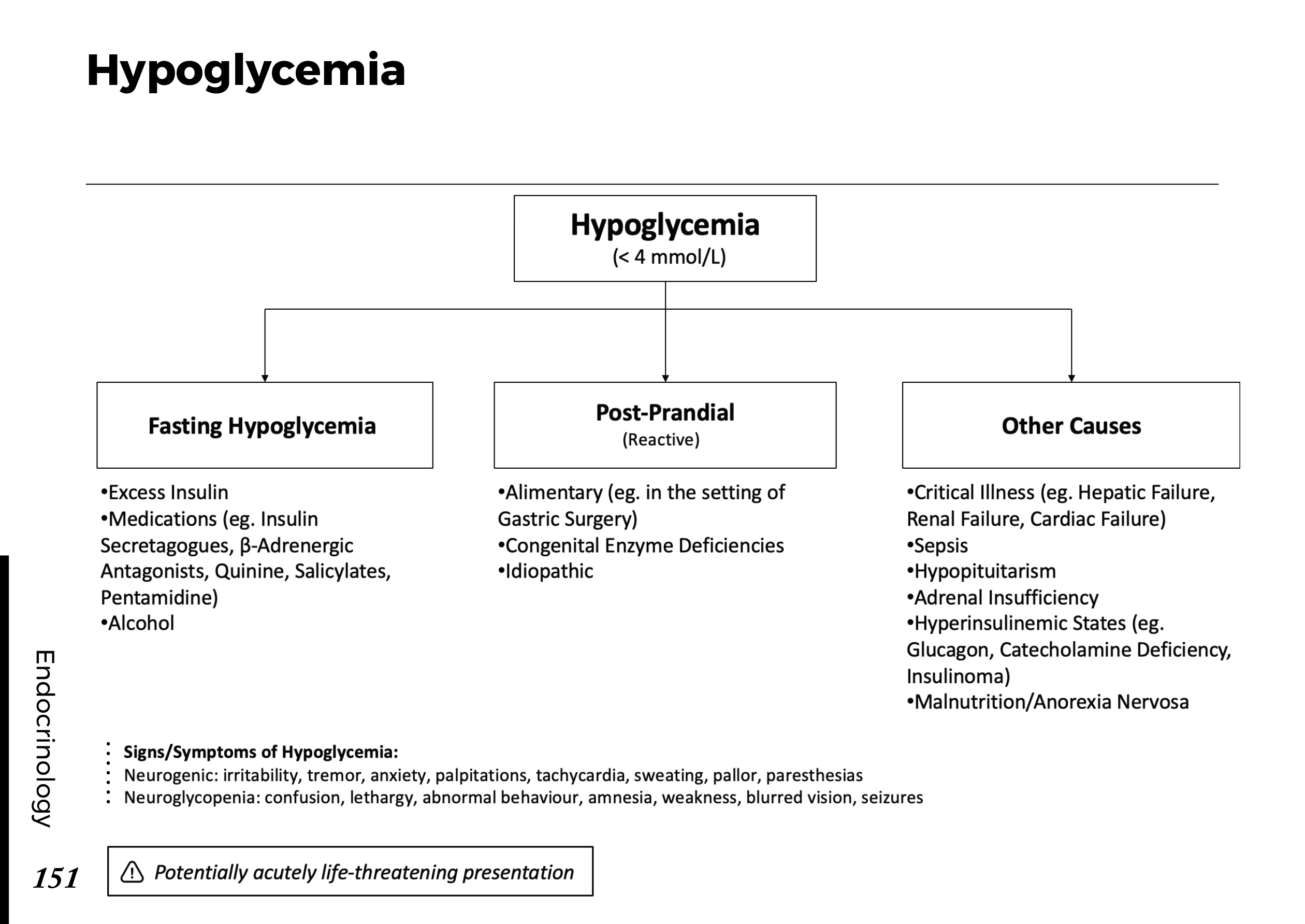
- The liver releases more glucose into the bloodstream.
- Peripheral tissues use glucose less effectively.
- Fat breakdown increases, releasing fatty acids.
- The liver converts fatty acids into ketone bodies.
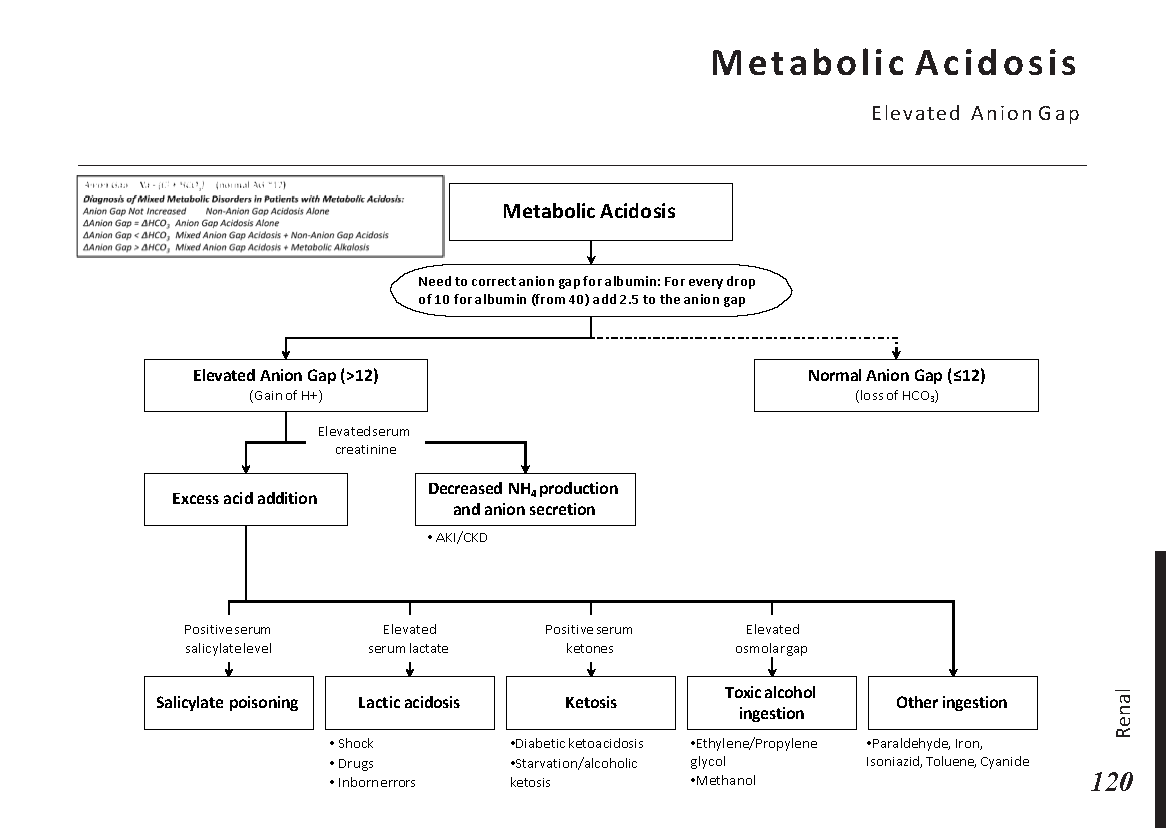
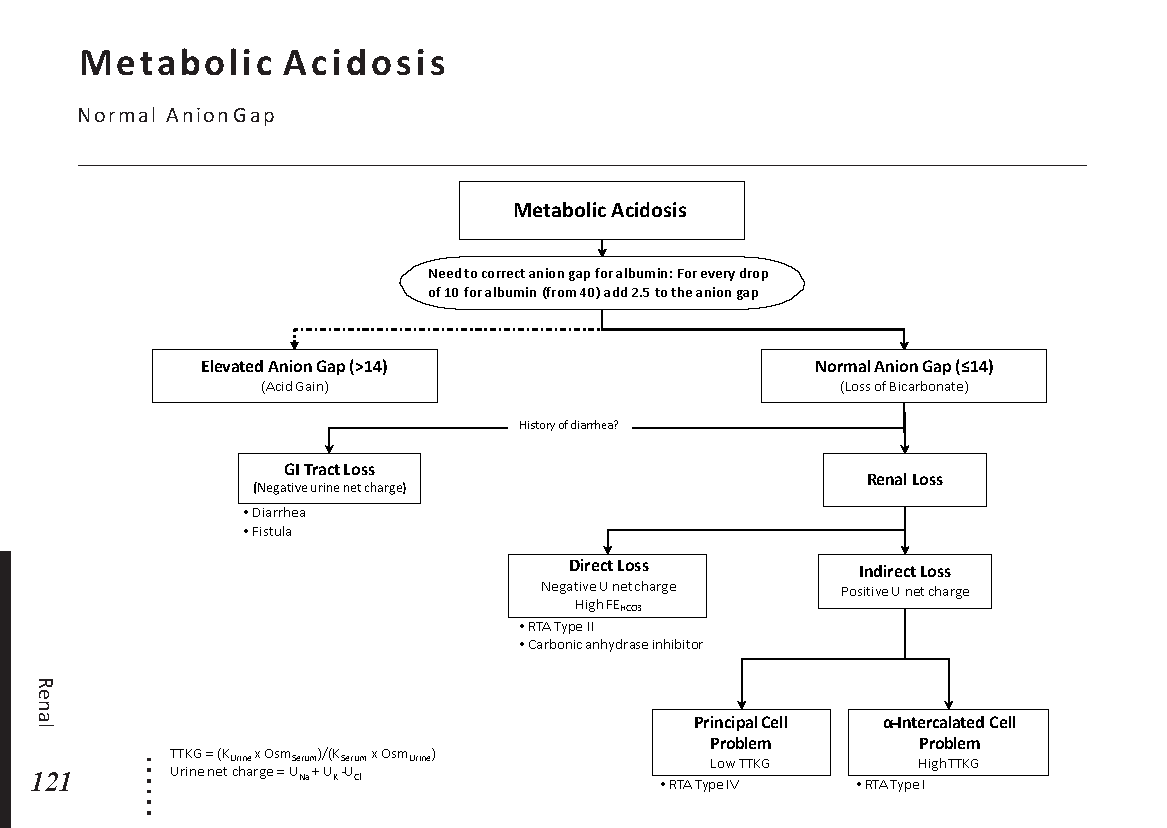
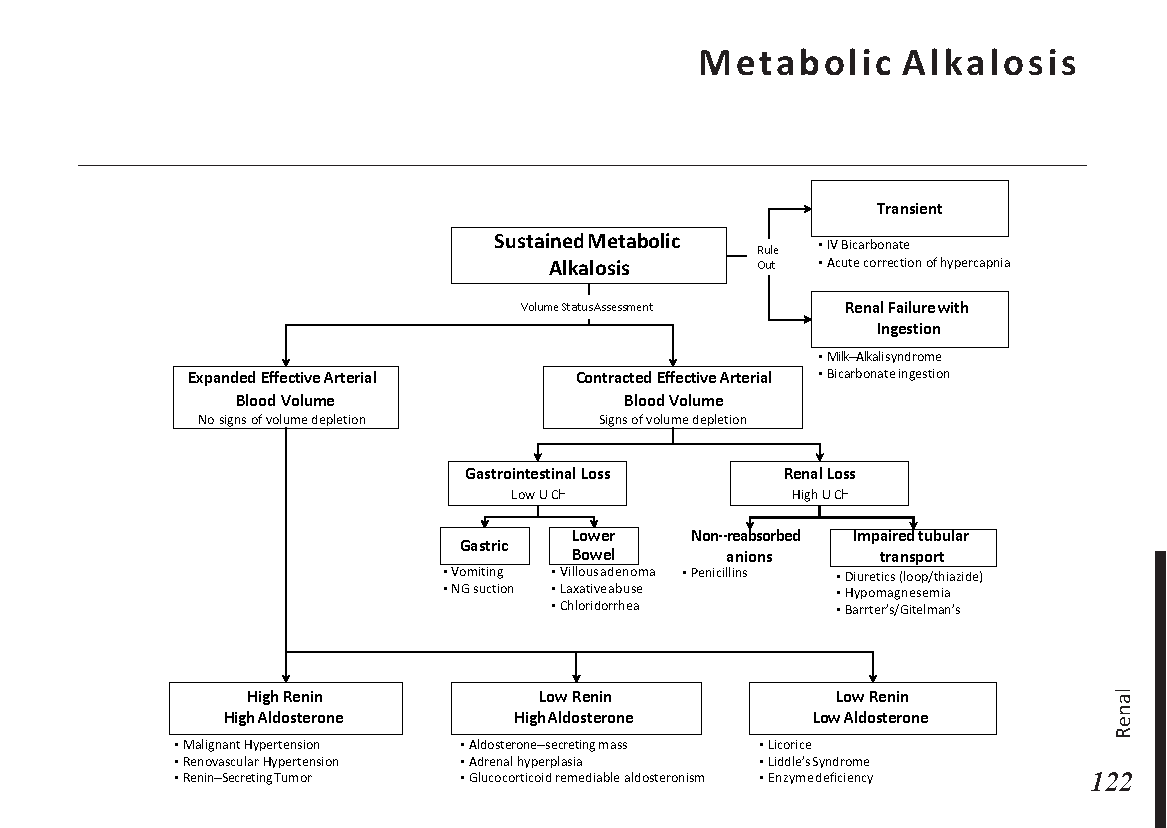
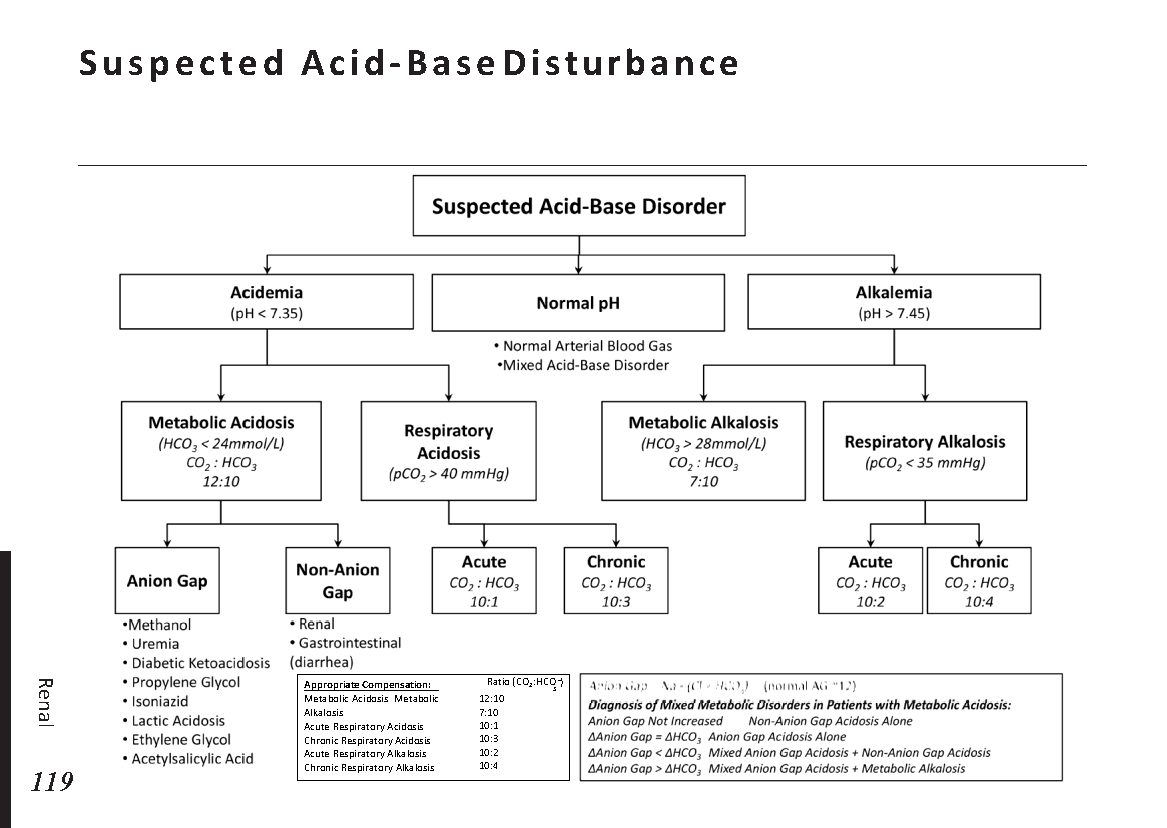
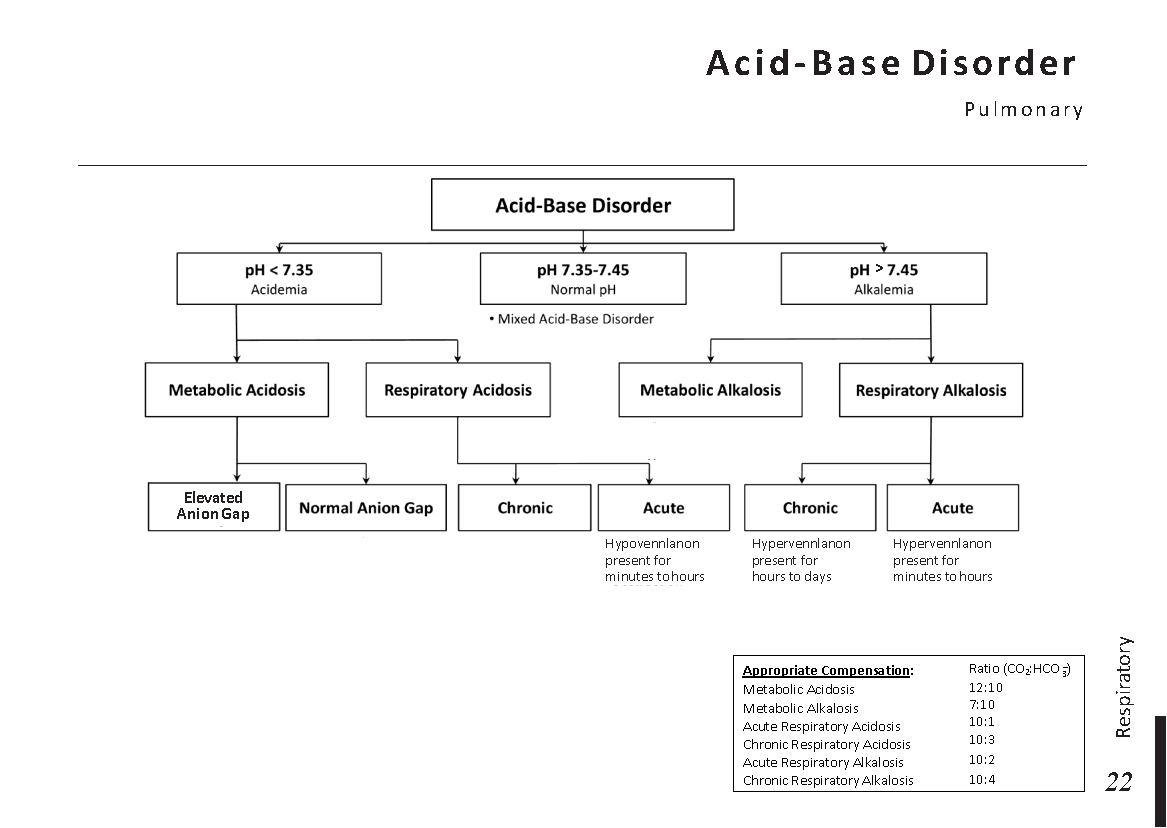
- Accumulation of ketones produces a high-anion-gap metabolic acidosis.
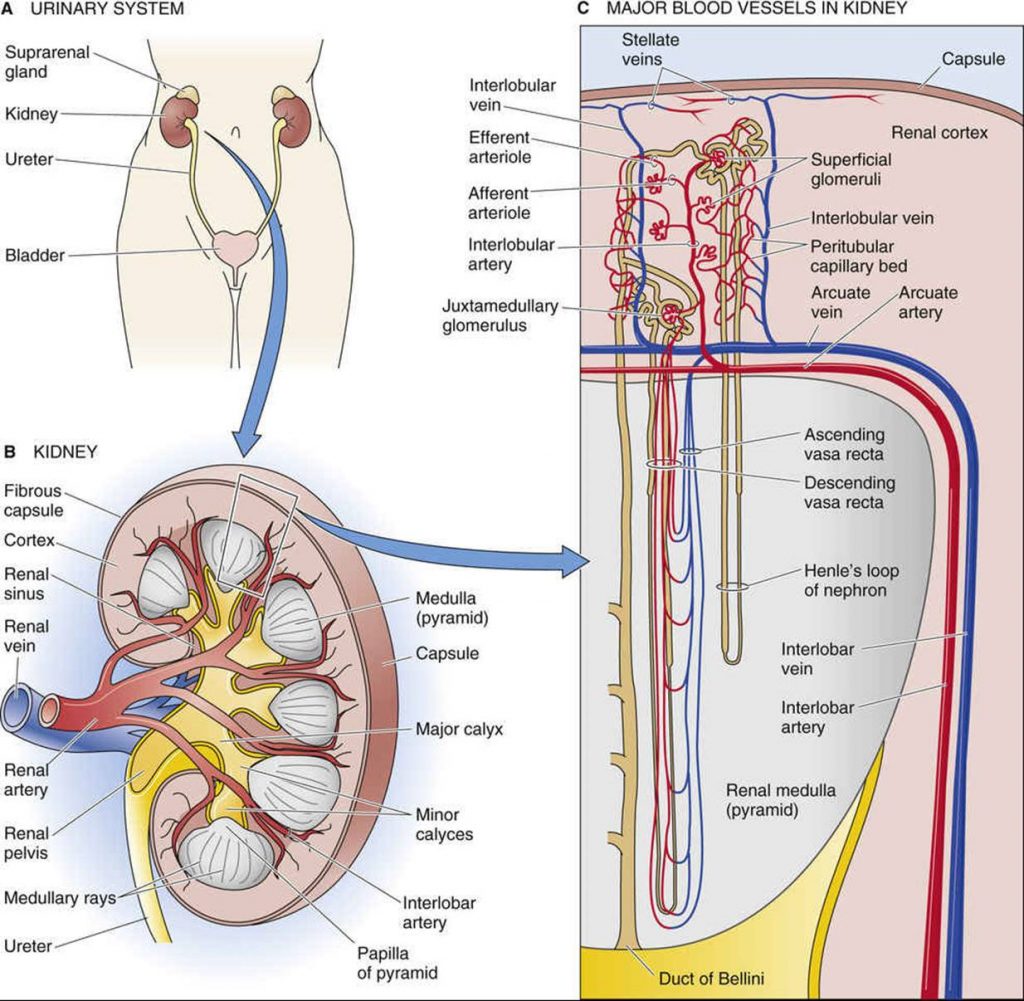
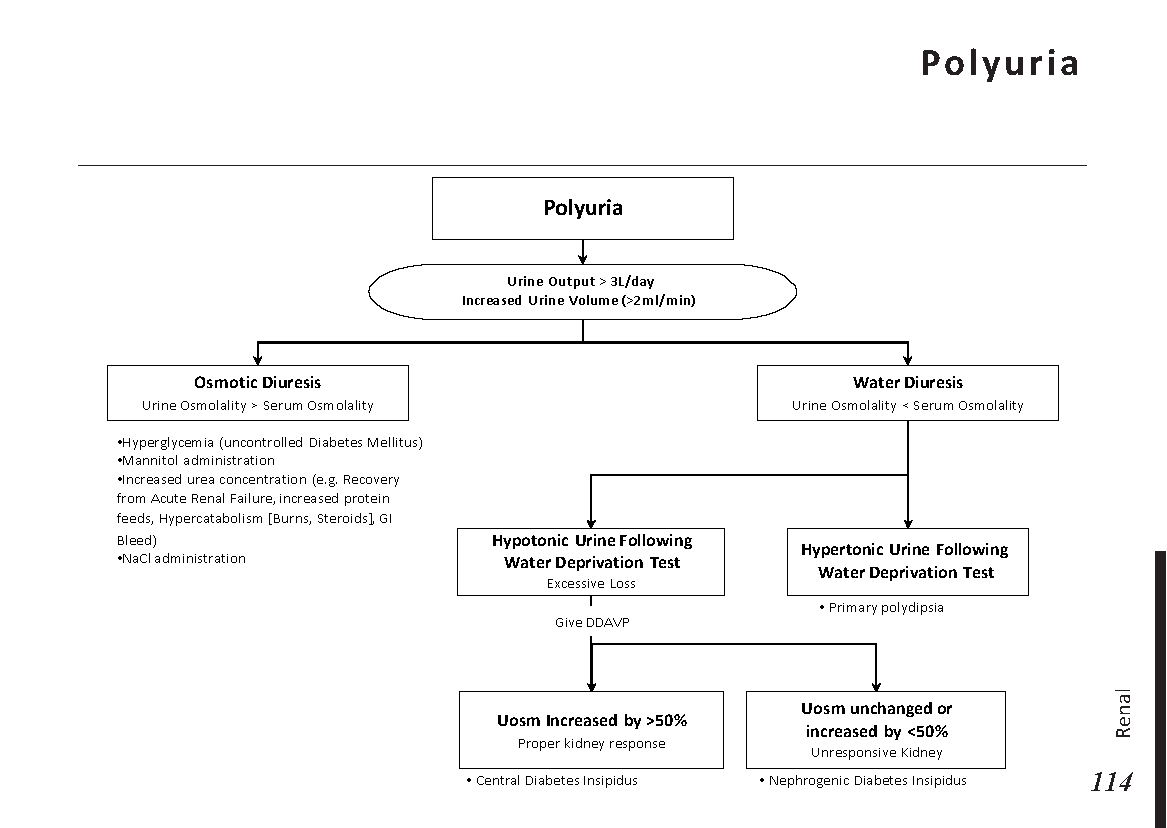
Hyperglycemia causes osmotic diuresis, resulting in substantial water and electrolyte losses through the urine. As dehydration progresses, renal perfusion may decline and the metabolic disturbance can worsen.
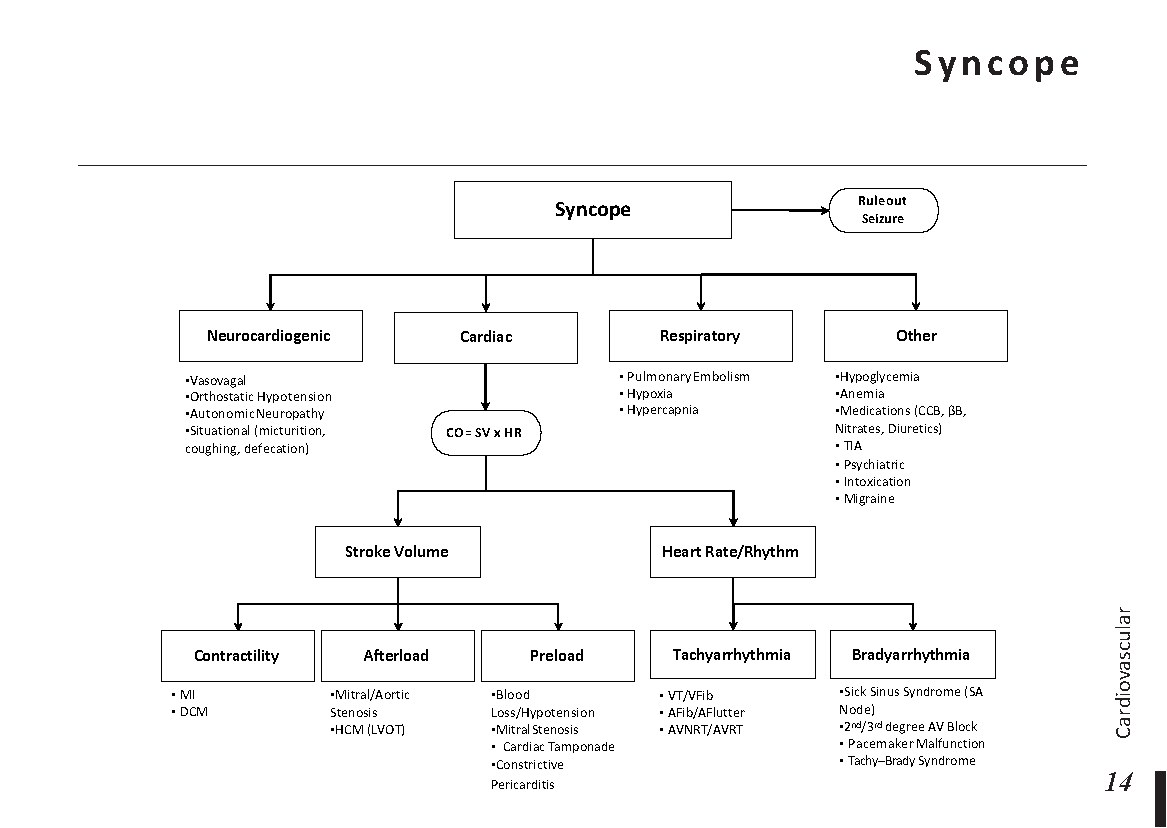
The patient can therefore have several overlapping problems: volume depletion, metabolic acidosis, ketonemia, potassium depletion, and potentially altered consciousness.
2. Recognizing the clinical presentation
DKA may develop over hours to a few days. Common symptoms include:
- Increased thirst and frequent urination.
- Nausea, vomiting, and abdominal pain.
- Weakness, fatigue, and dehydration.
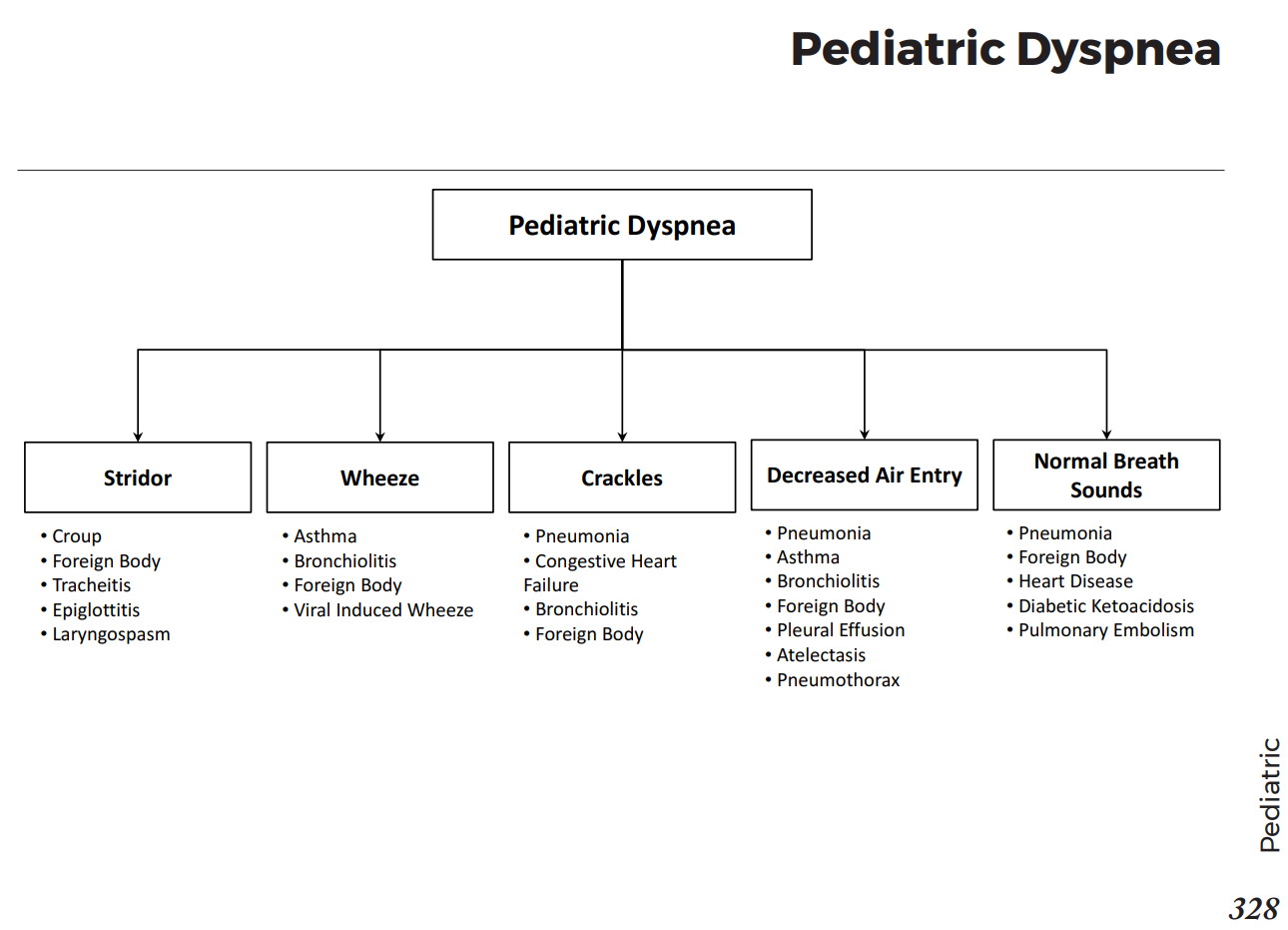
- Deep, rapid breathing known as Kussmaul respiration.
- Fruity or acetone-like breath in some patients.
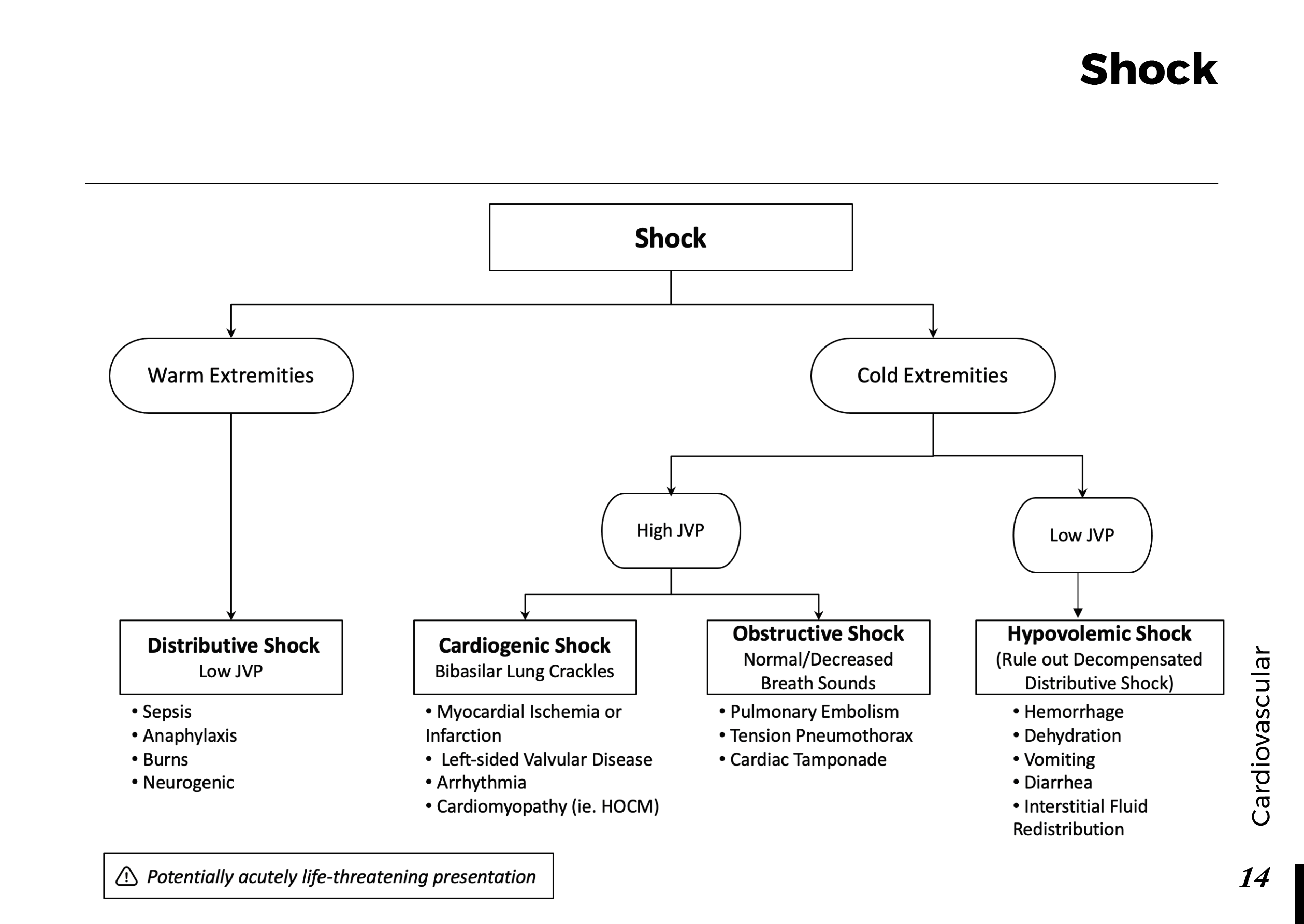
- Tachycardia and hypotension when volume depletion is significant.
- Confusion or reduced consciousness in severe illness.
Not every patient has all these findings. DKA may be the first presentation of previously undiagnosed diabetes, and the absence of a known diabetes history should not exclude it.
3. Diagnostic criteria: think beyond glucose
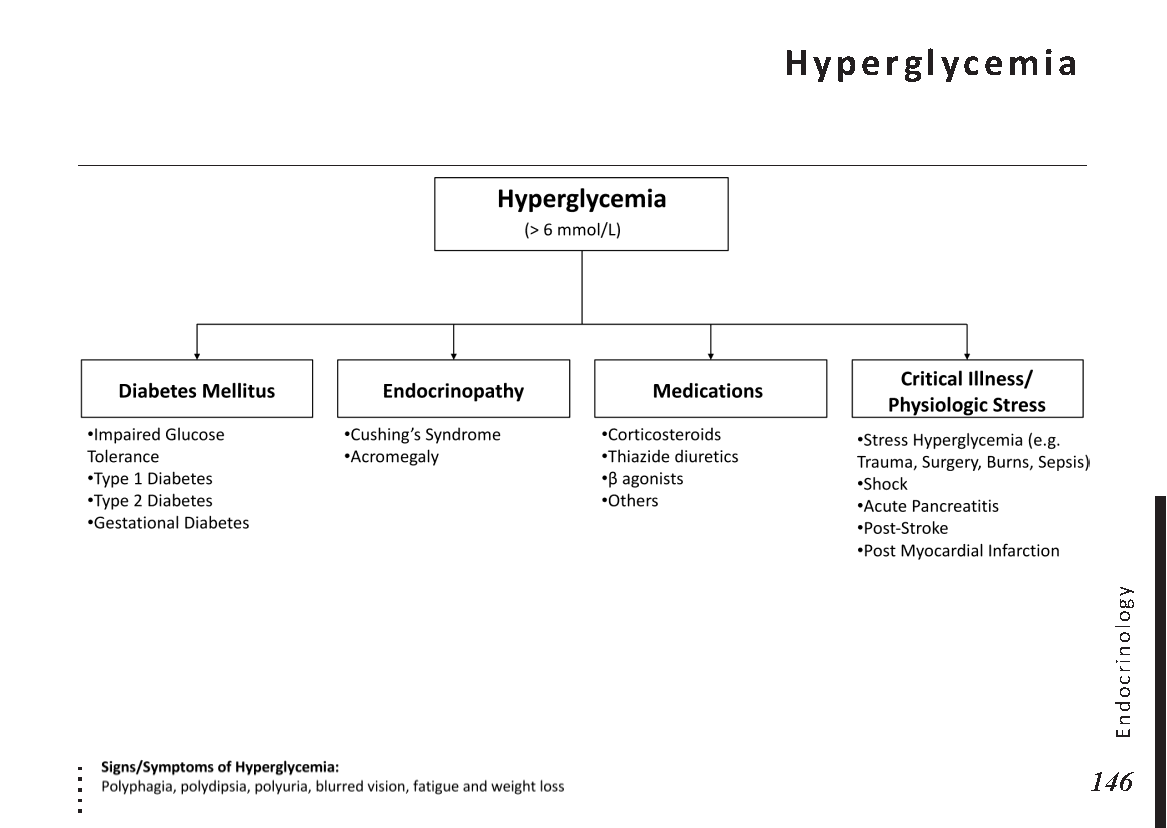
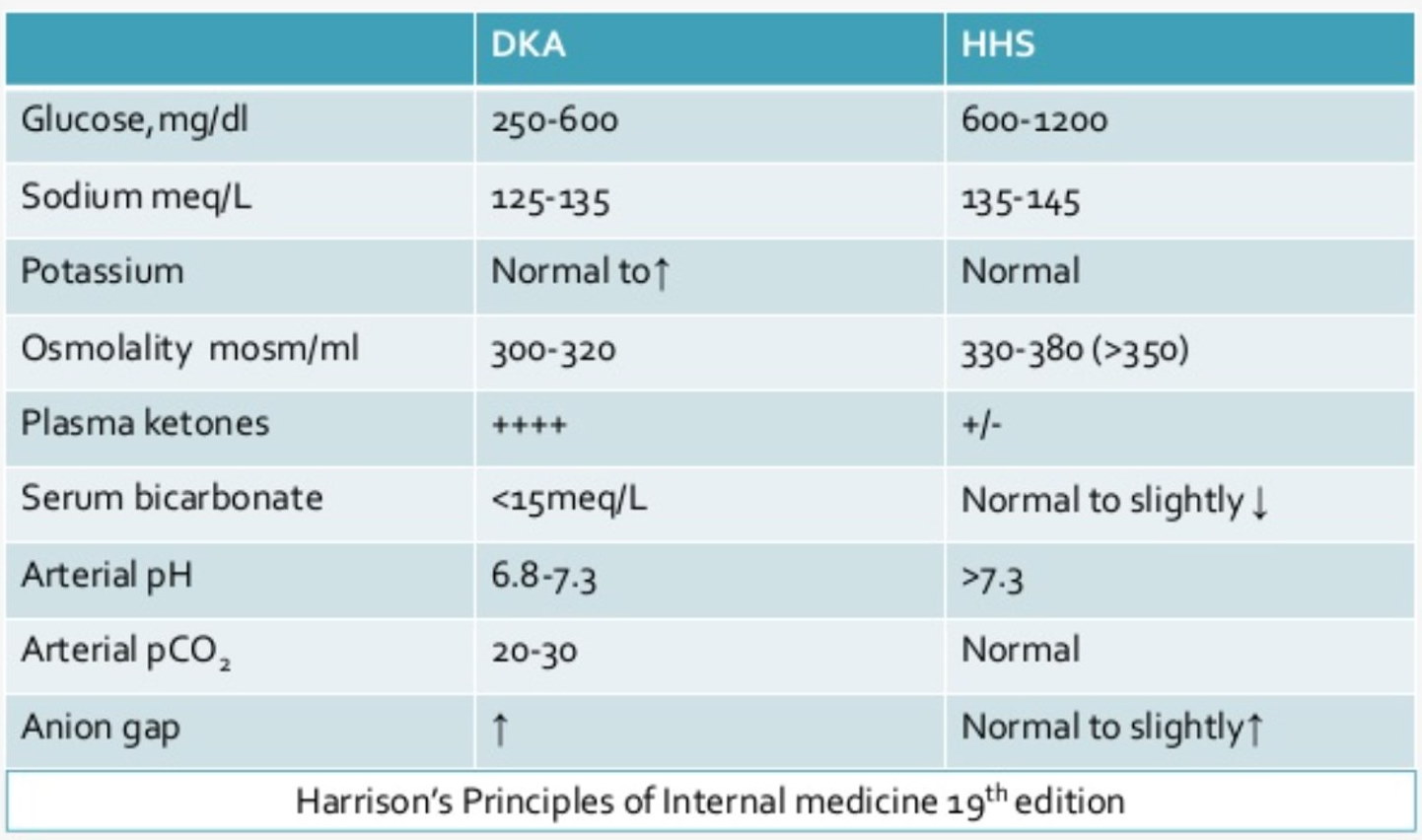
The contemporary adult consensus approach requires three components to establish DKA: diabetes or hyperglycemia, increased ketones, and metabolic acidosis.
| Component | Typical diagnostic threshold | Interpretation |
|---|---|---|
| Diabetes or hyperglycemia | Glucose at least 200 mg/dL (11.1 mmol/L), or a prior diagnosis of diabetes | Hyperglycemia is common but may be absent in euglycemic DKA. |
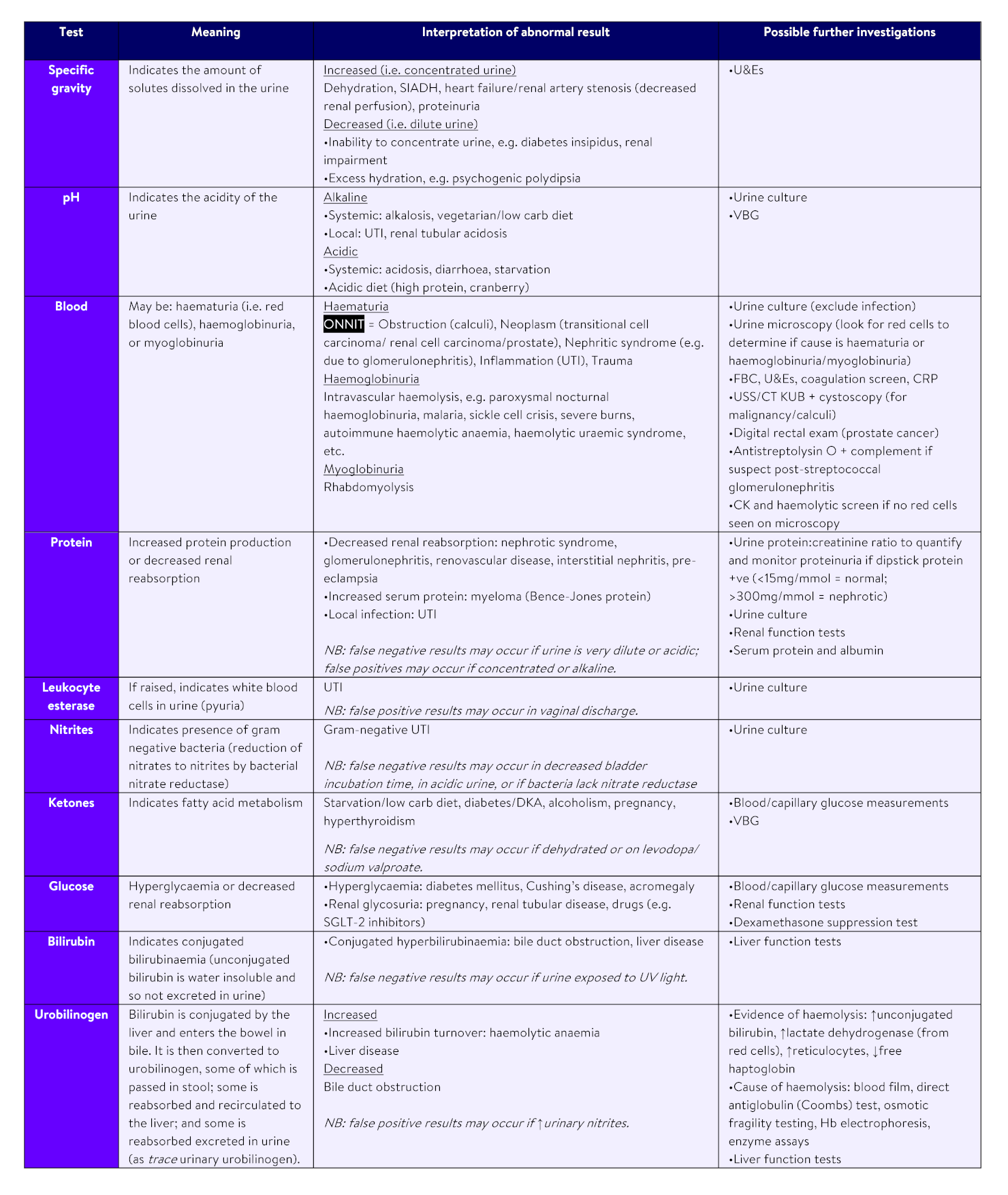
| Ketosis | Blood beta-hydroxybutyrate at least 3.0 mmol/L, or urine ketones at least 2+ when blood testing is unavailable | Blood beta-hydroxybutyrate is preferred when available. |
| Metabolic acidosis | Venous pH below 7.3 and/or bicarbonate below 18 mmol/L | Confirms the acid-base disturbance when considered with ketosis and the diabetes criterion. |
All three components are required under the consensus diagnostic framework. Local protocols may specify testing and management details.
Why beta-hydroxybutyrate matters
Beta-hydroxybutyrate is the predominant ketone in DKA. Urine ketone tests mainly detect acetoacetate and may underestimate ketosis early in the illness. During recovery, urine ketones can remain positive or even appear to increase as beta-hydroxybutyrate is converted back to acetoacetate.
For this reason, blood beta-hydroxybutyrate is more useful than urine ketones for assessing the ketone burden and following resolution when the test is available.
4. Euglycemic DKA: when glucose is not very high
Euglycemic DKA is a form of DKA in which significant ketosis and metabolic acidosis occur without the degree of hyperglycemia traditionally expected. Glucose may be below 200 mg/dL (11.1 mmol/L).
Important associations include:
- Use of sodium-glucose cotransporter-2 (SGLT2) inhibitors.
- Reduced food intake or prolonged fasting.
- Pregnancy.
- Recent insulin reduction or interruption in susceptible patients.
- Acute illness and other metabolic stressors.
The diagnosis still depends on ketones and metabolic acidosis in the appropriate clinical context. A reassuring glucose value should not delay evaluation when symptoms and risk factors suggest DKA.
5. What investigations are needed?
Initial laboratory assessment
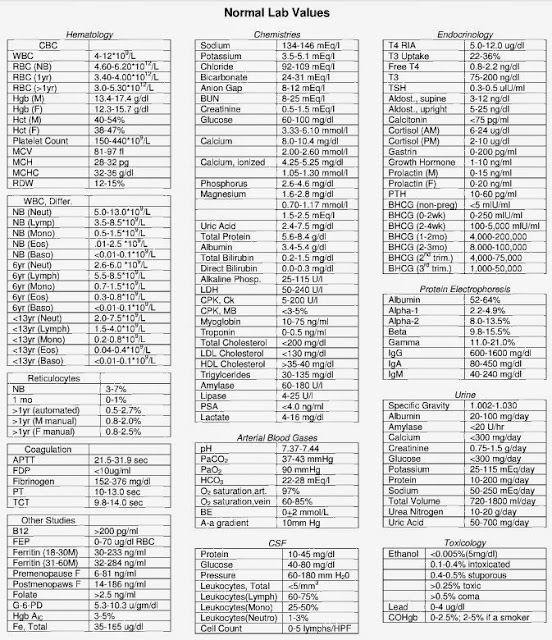
- Bedside and laboratory glucose: Establish the current glucose concentration.
- Electrolytes and renal function: Measure sodium, potassium, chloride, bicarbonate, urea, and creatinine.
- Blood ketones: Measure beta-hydroxybutyrate where available.
- Venous blood gas: Assess pH and acid-base status; an arterial sample is not routinely required solely to diagnose DKA.
- Complete blood count: May support evaluation for infection or another precipitating illness.
- Additional tests as indicated: ECG, urinalysis, cultures, lactate, pregnancy testing, or other investigations based on the presentation.
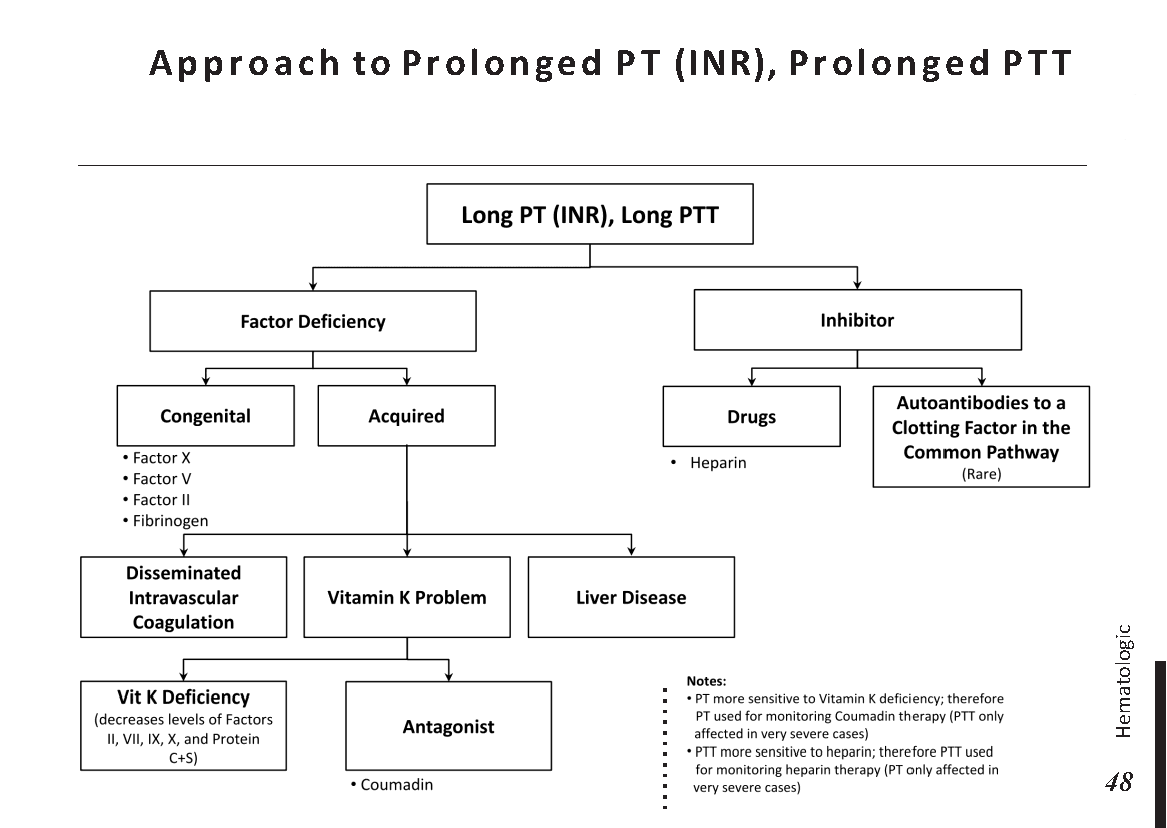
The calculated anion gap can help identify and follow high-anion-gap metabolic acidosis, but it is not a substitute for direct ketone assessment when blood ketone testing is available. Mixed acid-base disorders can also complicate interpretation.
6. Potassium: the hidden danger
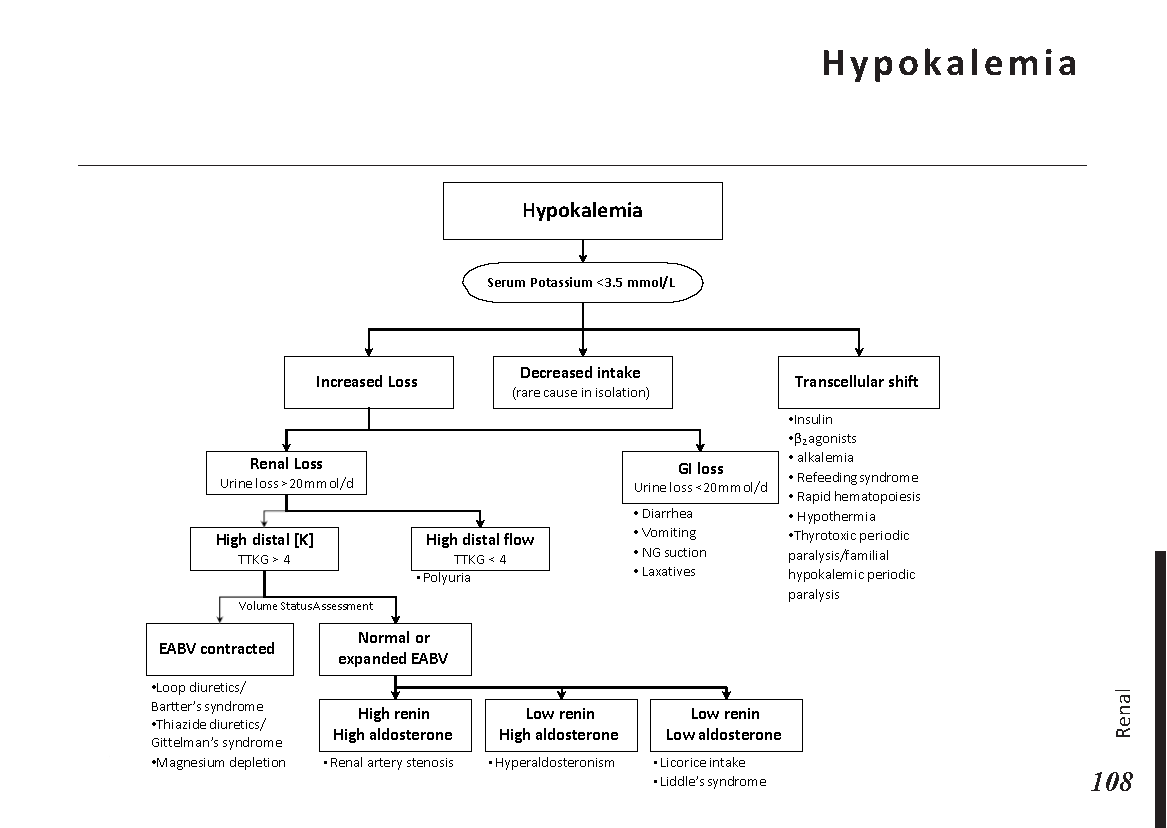
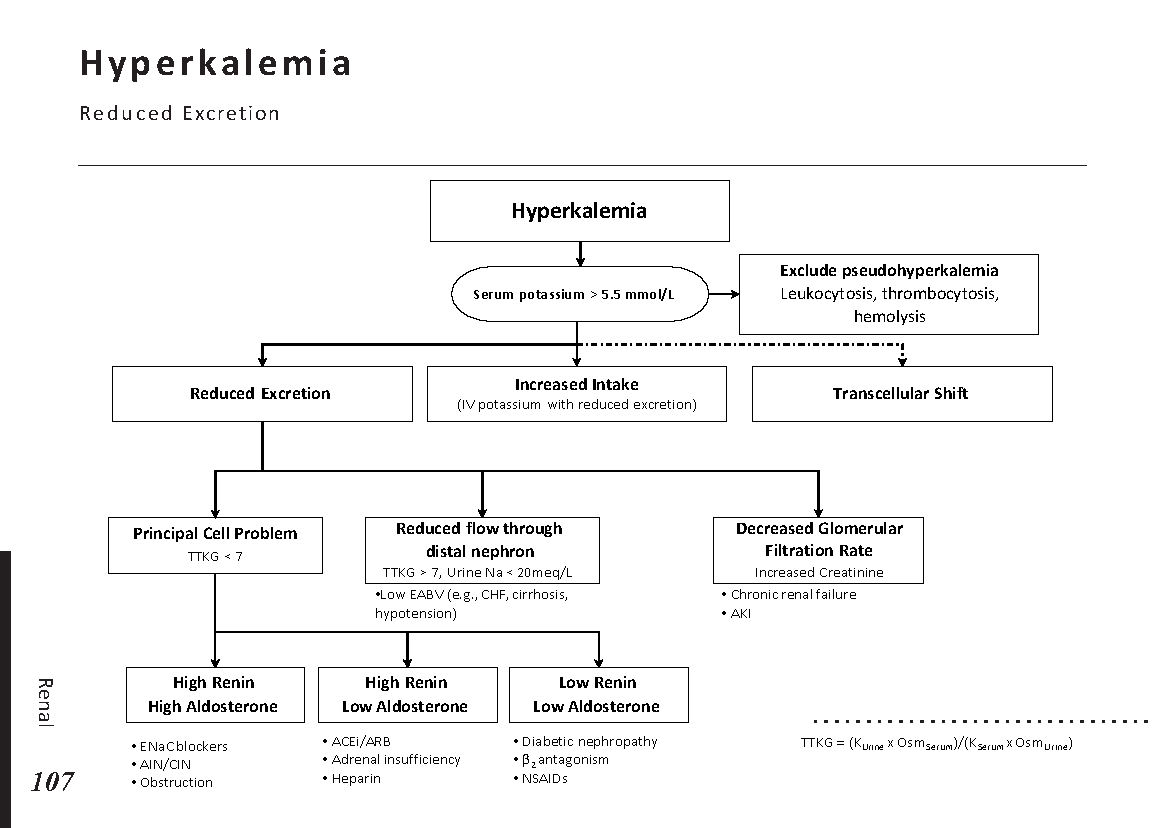
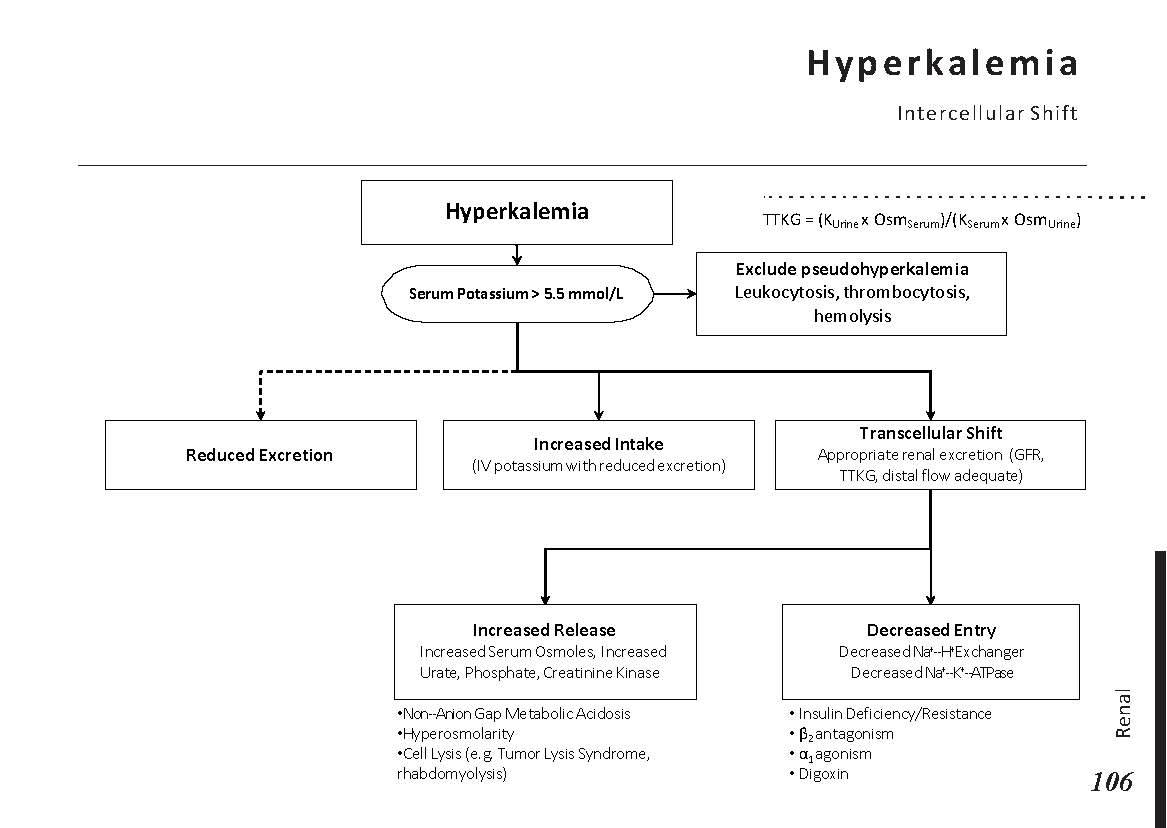
Total-body potassium is usually depleted in DKA because of urinary losses and sometimes vomiting. However, the initial serum potassium can be low, normal, or high.
Insulin deficiency, hypertonicity, and acid-base changes can shift potassium from cells into the bloodstream. Once insulin is administered and the metabolic disturbance improves, potassium moves back into cells. The serum concentration can then fall rapidly.
| Potassium finding | Clinical implication |
|---|---|
| Low potassium | Urgent correction is needed; insulin may need to be delayed until potassium is safely restored according to protocol. |
| Normal potassium | Total-body depletion may still be substantial. Monitor closely as treatment begins. |
| High potassium | Does not exclude total-body depletion. Potassium may fall quickly after insulin and fluid treatment. |
For adults, consensus protocols generally recommend delaying insulin when potassium is below 3.5 mmol/L until it has been corrected above that threshold. Potassium replacement and monitoring must be individualized, particularly when renal function is impaired or urine output is inadequate.
7. Initial treatment: a structured approach
Treatment should take place in an appropriate clinical setting, with monitoring tailored to severity. The main elements are fluids, potassium and other electrolyte management, insulin, and treatment of the precipitating cause.
Step 1: Assess immediate stability
Assess airway, breathing, circulation, mental status, vital signs, hydration, urine output, and possible precipitating illness. Severe DKA, shock, altered consciousness, or major electrolyte disturbances may require intensive monitoring.
Step 2: Restore circulating volume
Intravenous isotonic saline or a balanced crystalloid is commonly used initially in adults without major cardiac or renal limitations. The rate and volume depend on hemodynamic status, dehydration, age, urine output, and comorbidities.
Older adults and patients with heart failure or advanced kidney disease require particular caution because excessive fluid can cause pulmonary edema or other complications.
Step 3: Correct potassium when necessary
Use the measured potassium concentration, renal function, urine output, and the local DKA protocol to determine replacement. Do not assume that a normal or elevated initial serum potassium means the patient's total-body stores are adequate.
Step 4: Administer insulin safely
Intravenous insulin is commonly used in adult DKA. Treatment should begin only after the potassium level has been assessed and any critical hypokalemia addressed. Insulin suppresses ketone production and helps resolve the underlying metabolic disturbance.
When glucose falls below approximately 250 mg/dL (13.9 mmol/L), dextrose is generally added to the intravenous fluids so insulin can continue until ketosis and acidosis resolve. The exact insulin and fluid regimen should follow a validated institutional protocol.
Step 5: Monitor the response
Treatment requires repeated assessment rather than a single initial set of laboratory results. Monitoring commonly includes:
- Frequent bedside glucose measurements.
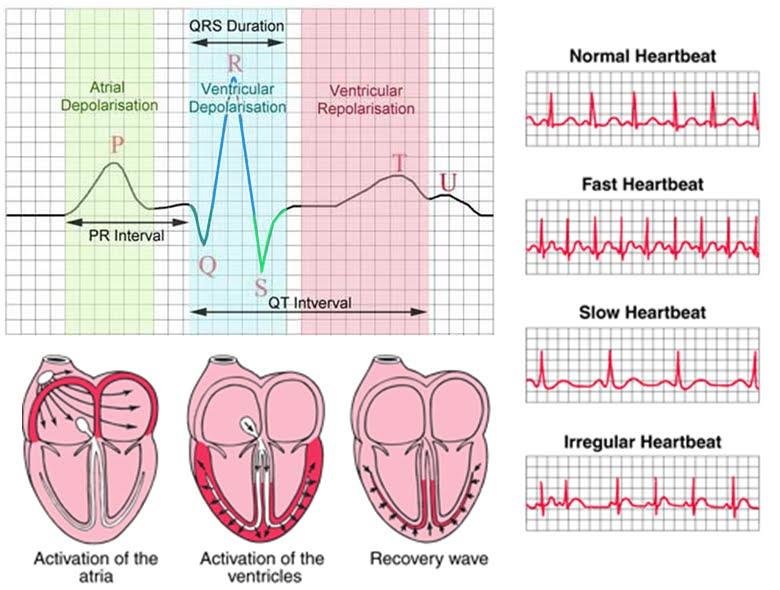
- Repeat electrolytes, renal function, and acid-base assessment.
- Blood beta-hydroxybutyrate where available.
- Vital signs, fluid balance, and urine output.
- Neurological status and evidence of fluid overload or other complications.
Step 6: Identify and treat the trigger
Common precipitants include infection, missed insulin, interrupted insulin delivery, newly diagnosed diabetes, myocardial infarction, stroke, pancreatitis, and medication-related factors.
Investigations and treatment should be directed by the clinical history and examination. Antibiotics are appropriate when bacterial infection is suspected or established, not simply because DKA is present.
8. Why bicarbonate and phosphate are not routinely given
Bicarbonate
Routine bicarbonate administration is not recommended for most DKA cases because fluids and insulin address the underlying process. Bicarbonate can cause complications, including hypokalemia. It may be considered in selected cases of extreme acidemia under specialist guidance and a local protocol.
Phosphate
Phosphate may fall during treatment, but routine replacement has not shown consistent benefit in uncomplicated DKA. Replacement may be considered in significant hypophosphatemia associated with clinical problems such as cardiac or respiratory muscle dysfunction, following the relevant protocol.
9. When has DKA resolved?
Glucose improvement alone does not mean DKA has resolved. Ketone production and acidosis can persist even after the glucose concentration has fallen substantially.
The adult consensus approach generally considers DKA resolved when blood beta-hydroxybutyrate is below 0.6 mmol/L and venous pH is at least 7.3 or bicarbonate is at least 18 mmol/L. Glucose is ideally below 200 mg/dL at resolution.
When transitioning from intravenous to subcutaneous insulin, an appropriate overlap is needed so that insulin activity is not interrupted. The timing depends on the insulin regimen and institutional protocol.
10. Common complications during treatment
- Hypoglycemia: May occur if insulin continues without appropriate glucose monitoring and dextrose adjustment.
- Hypokalemia: Can cause dangerous cardiac rhythm disturbances and muscle weakness.
- Fluid overload: Particularly important in patients with impaired cardiac or renal function.
- Persistent acidosis: May reflect ongoing ketosis, a mixed acid-base disorder, or another process.
- Thrombotic complications: Dehydration and the underlying illness may contribute to increased thrombotic risk in selected patients.
- Cerebral injury: A particularly important concern in children and adolescents, who require age-specific protocols.
Children should not simply be managed using an adult DKA protocol. Pediatric DKA has specific fluid, insulin, monitoring, and neurological safety requirements.
11. Clinical cases: test your reasoning
Case 1: The classic presentation
A 21-year-old patient with type 1 diabetes presents with vomiting, abdominal pain, and deep rapid breathing. Glucose is 420 mg/dL, venous pH is 7.18, bicarbonate is 10 mmol/L, and blood beta-hydroxybutyrate is markedly elevated.
Question: What is the most likely diagnosis?
Case 2: The misleading glucose value
A patient taking an SGLT2 inhibitor presents with nausea, poor oral intake, and abdominal discomfort. Glucose is 175 mg/dL, but blood ketones are elevated and venous testing demonstrates metabolic acidosis.
Question: Does the glucose level rule out DKA?
Case 3: The potassium trap
An adult with DKA has a potassium concentration of 2.9 mmol/L before insulin treatment.
Question: Should insulin be started immediately?
Case 4: Glucose has improved, but ketones remain elevated
A patient receiving DKA treatment now has glucose of 190 mg/dL, but blood beta-hydroxybutyrate remains elevated and metabolic acidosis has not resolved.
Question: Can the DKA treatment be stopped because glucose is below 200 mg/dL?
12. Frequently asked questions
Can DKA occur in type 2 diabetes?
Yes. Although it is strongly associated with type 1 diabetes, DKA can occur in type 2 diabetes, especially during severe illness, physiological stress, or exposure to certain medications.
Is a high anion gap enough to diagnose DKA?
No. A high anion gap supports the presence of an acid-base disturbance but is not specific for DKA. Ketone assessment and the overall diagnostic criteria are important.
Why is insulin continued after glucose improves?
Insulin is needed to suppress ketone production and resolve the acidosis. Dextrose can be added to prevent hypoglycemia while insulin continues.
Why can potassium be high at presentation?
Insulin deficiency and metabolic shifts can move potassium out of cells even while total-body potassium is depleted from urinary losses.
Does every patient need bicarbonate?
No. Routine bicarbonate is not recommended in most cases. Selected patients with extreme acidemia may require consideration of bicarbonate under specialist guidance.
Key takeaways
- DKA requires diabetes or hyperglycemia, significant ketonemia, and metabolic acidosis.
- Do not rule out DKA because glucose is not markedly elevated.
- Always assess potassium before starting insulin.
- Use individualized fluids and repeated monitoring rather than a one-size-fits-all regimen.
- Continue treatment until ketosis and acidosis resolve, not merely until glucose normalizes.
- Identify the precipitating cause and use age-appropriate protocols.
Educational disclaimer: This article is intended for medical education and general information. It does not replace professional judgment, local protocols, or individualized care. Suspected DKA requires urgent medical evaluation and treatment in an appropriate healthcare setting.
 Menstrual cycle physiology: