Pseudohyperkalemia: When a High Potassium Result May Be Misleading
A potassium concentration of 6.8 mmol/L can trigger urgent calls, repeat blood tests, cardiac monitoring, and treatment to prevent dangerous arrhythmias. But what if the potassium was not actually elevated inside the patient's circulation? Pseudohyperkalemia occurs when potassium becomes falsely elevated in a blood sample, creating a laboratory result that does not accurately reflect the patient's in-vivo potassium concentration.
This is more than a laboratory curiosity. Mistaking a false result for true hyperkalemia can expose patients to unnecessary treatment, while incorrectly dismissing a genuine elevation can be dangerous. The challenge is to recognize when the result deserves verification and to do so without delaying emergency care.
1. What exactly is pseudohyperkalemia?
Most potassium is located inside cells, particularly muscle cells and red blood cells. Only a small proportion circulates in the extracellular fluid, where potassium concentration is tightly regulated because it affects cardiac electrical activity.
When blood is collected, cells can release potassium into the sample. If this happens after the blood has left the body, the laboratory may report a high concentration even though the patient's circulating potassium is normal.
This is the basic mechanism of pseudohyperkalemia: potassium rises in the specimen rather than in the patient's bloodstream.
The distinction matters because genuine hyperkalemia can cause conduction abnormalities and fatal arrhythmias, while unnecessary potassium-lowering treatment can cause hypokalemia, which also carries cardiac risk.
2. The three main situations to recognize
| Pattern | What happens | Typical clue |
|---|---|---|
| Collection-related elevation | Potassium leaks from blood cells during difficult collection or sample handling. | Hemolysis, traumatic venipuncture, fist clenching, or delayed processing. |
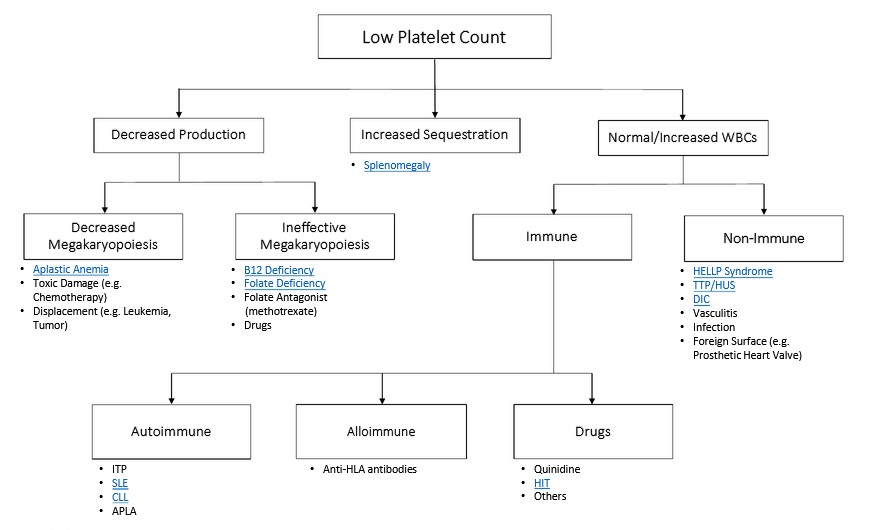
| Conventional pseudohyperkalemia | Potassium in serum is higher than in appropriately collected and processed plasma because of cellular release during clotting or sample handling. | Marked thrombocytosis or other cellular abnormalities. |
| Reverse pseudohyperkalemia | Plasma potassium is falsely elevated, sometimes more than serum potassium, due to fragile white cells and sample-handling effects. | Marked leukocytosis, especially in certain hematological malignancies. |
These patterns overlap, and not every elevated result in a patient with abnormal blood counts is false. A patient with a blood disorder can also develop genuine hyperkalemia, especially with renal dysfunction, tissue breakdown, or medication effects.
3. How routine blood collection can create a false result
A sample does not have to look dramatically abnormal for pre-analytical factors to affect potassium. Several everyday collection and handling issues can increase the measured concentration.
Hemolysis
Red blood cells contain intracellular potassium. When they rupture, potassium is released into the surrounding sample. Laboratory analyzers may flag hemolysis, although the degree to which it affects the result depends on the specimen and the testing method.
Repeated fist clenching
Repeatedly clenching the fist during venipuncture can increase local potassium release and produce a higher result. Patients should generally keep the hand relaxed during collection.
Traumatic venipuncture
Difficult collection, excessive suction, inappropriate needle handling, or rough specimen handling can damage cells and affect potassium measurement.
Delayed processing
Prolonged contact between blood cells and serum or plasma can affect potassium concentration, particularly in specimens containing fragile or unusually abundant cells. Prompt processing under the laboratory's recommended conditions is important.
Temperature and transport
Inappropriate storage, temperature exposure, and mechanical stress during transport can contribute to cell injury. Certain patients with fragile leukocytes may be especially susceptible to transport-related effects.
4. When the blood count itself is the clue
Some of the most interesting cases occur when the sample was collected correctly but the patient's blood-cell profile makes the result unusually vulnerable to distortion.
Marked thrombocytosis
Platelets release potassium during clotting. Because serum is collected after the blood has clotted, a very high platelet count can produce a higher serum potassium than plasma potassium.
This can occur in marked reactive thrombocytosis or a myeloproliferative disorder. If the reported potassium is inconsistent with the clinical picture, the clinician and laboratory may consider a promptly processed plasma sample.
Marked leukocytosis
Very high white blood cell counts can complicate potassium interpretation, especially when the leukocytes are fragile. Mechanical stress during transport or processing may cause cellular potassium release.
In some patients with hematological malignancy, plasma potassium may become falsely elevated. This is one explanation for reverse pseudohyperkalemia, in which plasma potassium is higher than serum potassium.
The laboratory may need to advise on collection and transport procedures tailored to the patient's blood-cell abnormality. A routine repeat specimen handled in the same way may reproduce the artifact.
5. Serum versus plasma: why the tube matters
Serum and plasma are not interchangeable in every situation.
- Serum is obtained after blood clots. Potassium can be released from platelets during clot formation.
- Plasma is obtained from anticoagulated blood, so clotting does not occur in the same way.
- Whole-blood testing, such as a blood gas analyzer, may offer a rapid comparison in selected situations, but its limitations and handling requirements still matter.
A serum potassium concentration that exceeds a simultaneously measured plasma concentration by more than approximately 0.4 mmol/L has traditionally been used as a clue to pseudohyperkalemia when specimens are collected and processed appropriately. This is a supportive definition, not a universal rule for every patient or laboratory method.
The right sample depends on the suspected mechanism. For example, plasma may help in thrombocytosis-related pseudohyperkalemia, while certain cases of fragile leukocytes require a laboratory-directed strategy because both serum and plasma can be affected.
6. How to investigate a suspicious potassium result safely
Consider the following approach when a potassium result is unexpectedly high or inconsistent with the patient's condition.
Step 1: Assess the patient first
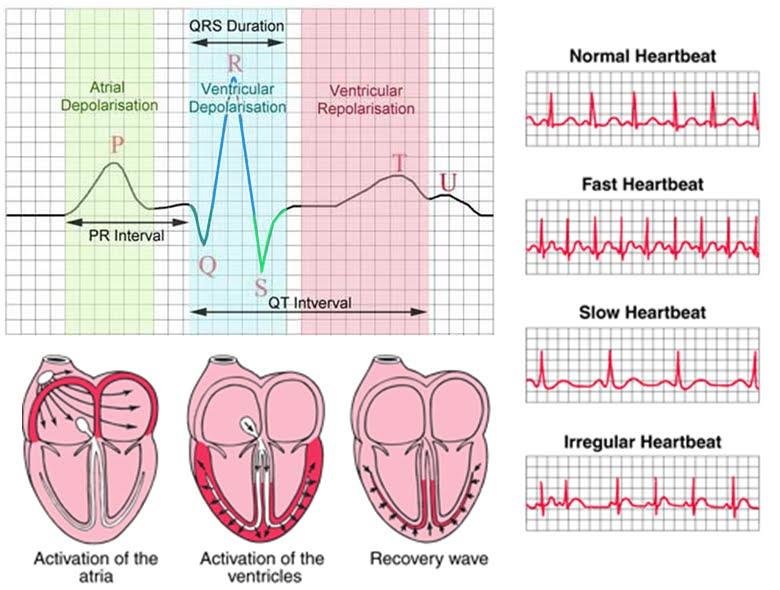
Check the patient's symptoms, vital signs, renal function, medication history, and risk factors. Review the ECG when clinically indicated. Muscle weakness, arrhythmia, hemodynamic instability, or concerning ECG changes increase the urgency of assessment.
A normal ECG does not exclude clinically significant hyperkalemia. Likewise, the absence of symptoms cannot establish that the result is false.
Step 2: Review the specimen and the laboratory report
- Was hemolysis reported?
- Was the blood collection difficult or traumatic?
- Was the sample processed promptly?
- Was there repeated fist clenching or prolonged tourniquet use?
- Is the platelet or white blood cell count markedly elevated?
- Could the patient have genuine hyperkalemia from kidney dysfunction, medicines, or tissue injury?
Step 3: Repeat the measurement correctly when appropriate
If the patient is stable and pseudohyperkalemia is plausible, arrange a promptly collected repeat specimen using careful technique and an appropriate sample type. Discuss the collection and processing method with the laboratory when a blood-cell abnormality is suspected.
Step 4: Compare results in context
Compare the repeat value with the original result, renal function, previous potassium concentrations, medication exposure, blood counts, and clinical findings. A rapid normalization after a carefully collected sample supports an artifact, but it should be interpreted alongside the whole clinical picture.
Step 5: Do not delay emergency treatment when true hyperkalemia is likely
When the patient is unstable, the potassium is critically elevated, or the ECG is concerning, urgent management should proceed according to the emergency protocol while confirmatory testing is arranged. Repeat testing should not become a reason to delay lifesaving treatment in a patient with suspected dangerous hyperkalemia.
7. The medication and disease review that can prevent a missed diagnosis
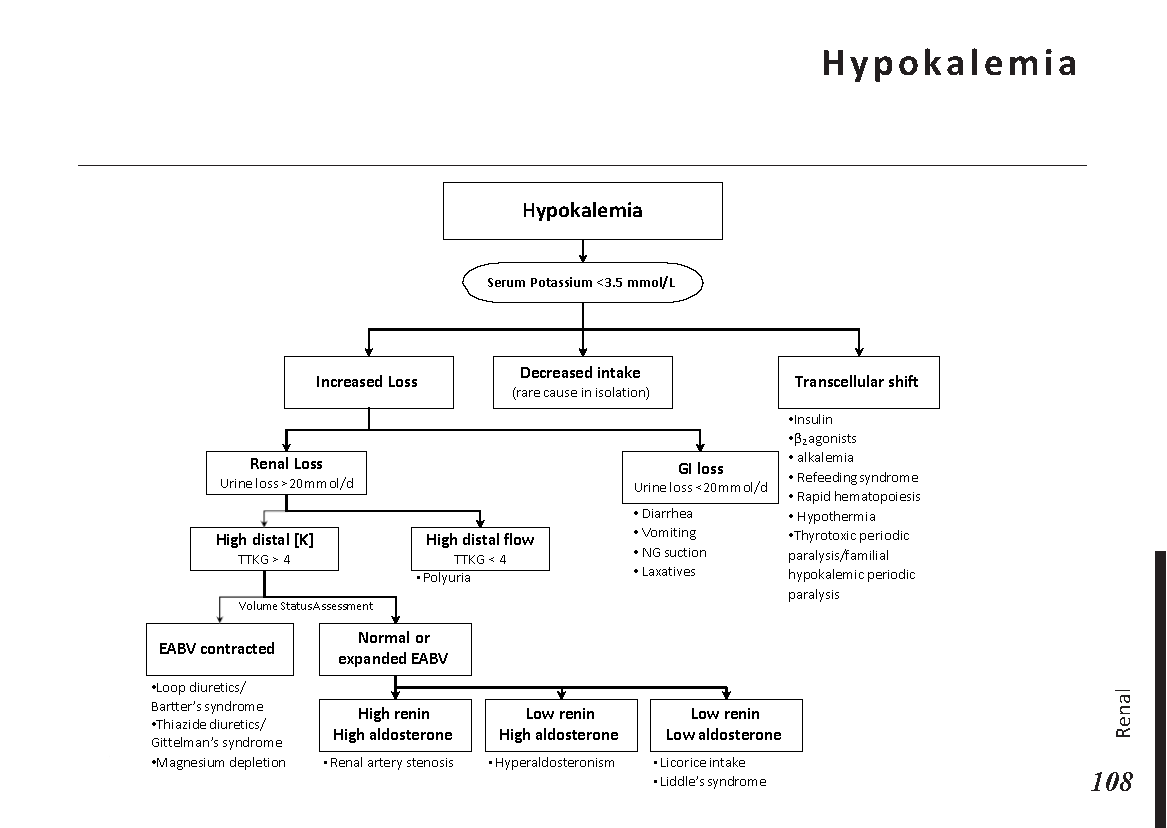
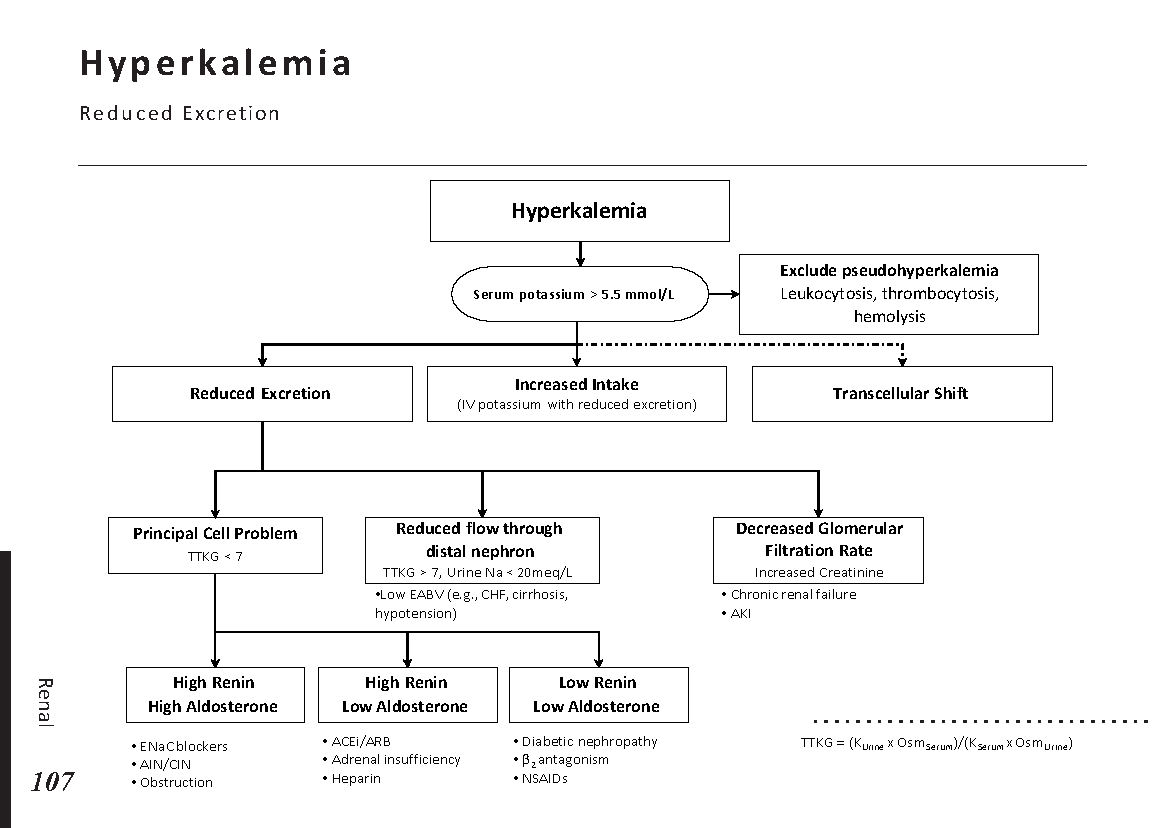
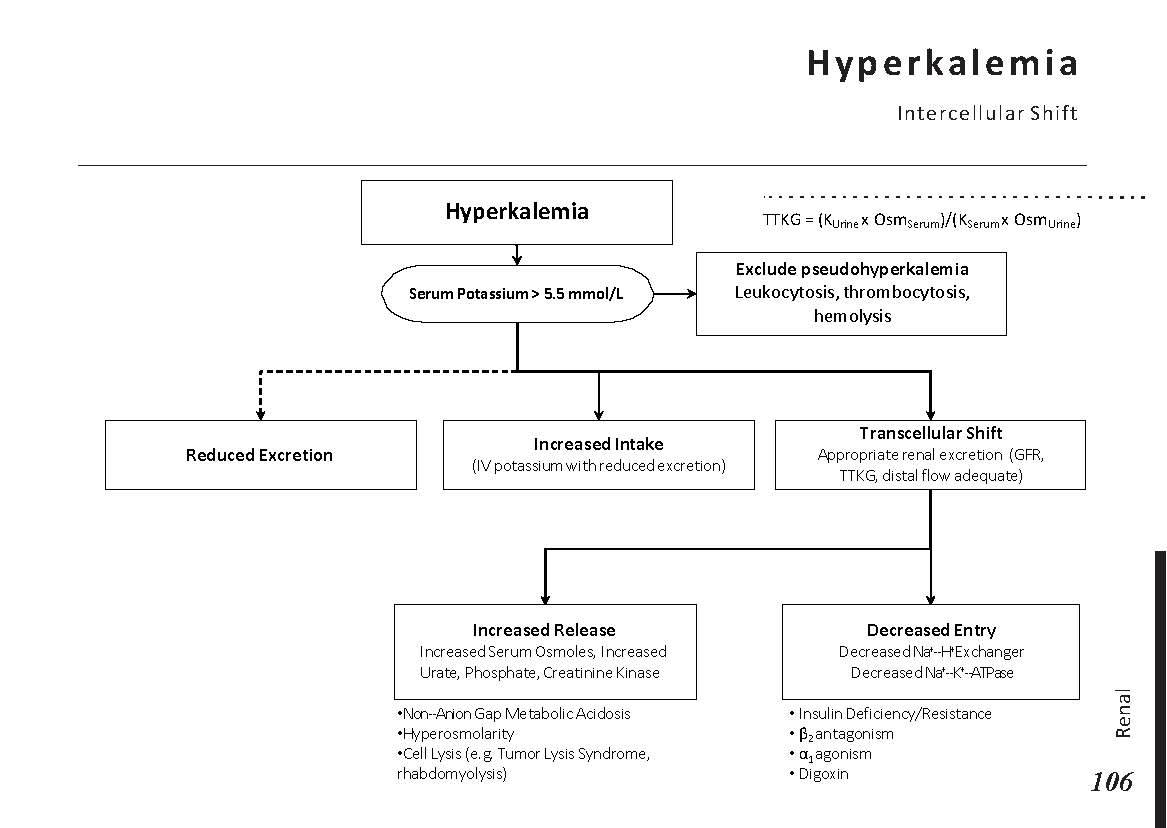
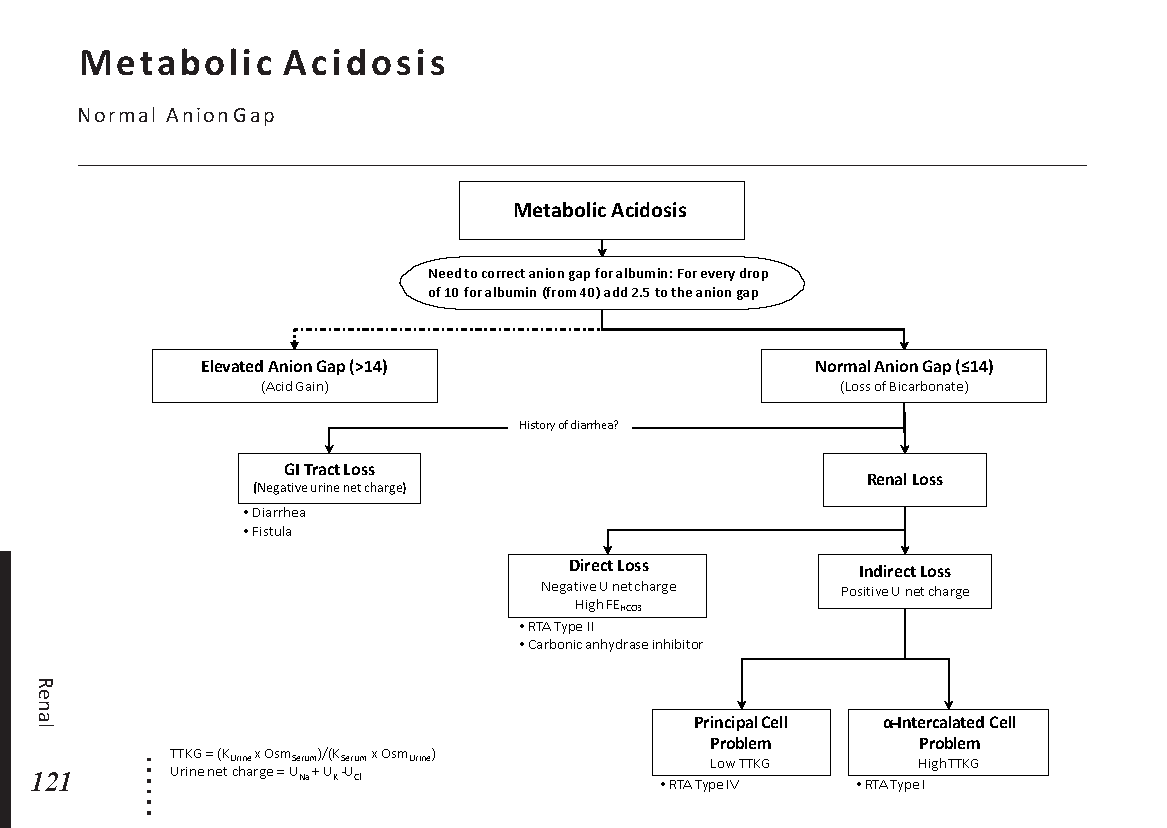
Not every unexpected potassium elevation is pseudohyperkalemia. Before concluding that a result is false, review common causes of genuine hyperkalemia.
- Acute kidney injury or advanced chronic kidney disease.
- ACE inhibitors, angiotensin receptor blockers, mineralocorticoid receptor antagonists, and other potassium-raising medicines.
- Potassium supplements or potassium-containing salt substitutes.
- Metabolic acidosis and insulin deficiency in relevant clinical settings.
- Cell breakdown, including rhabdomyolysis, tumor lysis, or major tissue injury.
- Adrenal insufficiency and other disorders affecting potassium excretion.
The patient's medications, renal function, and recent illness may reveal a genuine cause even when the sample also has features that could produce an artifact.
8. Clinical cases: apply the reasoning
Case 1: The high result after a difficult blood draw
A stable patient has a reported potassium of 6.4 mmol/L. The laboratory flags the specimen as hemolyzed. The patient has preserved renal function, no clear potassium-raising exposure, and no concerning ECG changes.
Question: What should happen next?
Case 2: A very high platelet count
A patient being investigated for marked thrombocytosis has a serum potassium of 6.1 mmol/L. The patient is clinically well, and the result is inconsistent with previous values.
Question: Why might a plasma sample help?
Case 3: The patient with extreme leukocytosis
A patient with a hematological malignancy has an extremely high white blood cell count and a plasma potassium that is unexpectedly elevated. The clinical picture and other laboratory findings do not fit comfortably with severe hyperkalemia.
Question: Could repeating the same plasma test solve the problem?
Case 4: The dangerous assumption
A patient with chronic kidney disease has a potassium of 6.7 mmol/L. The patient feels relatively well and has no obvious ECG changes. A team member suggests that the result must be pseudohyperkalemia because the patient has no symptoms.
Question: Is that conclusion safe?
9. Common mistakes to avoid
- Assuming that a normal ECG excludes severe hyperkalemia.
- Assuming that a patient without symptoms cannot have dangerous hyperkalemia.
- Giving potassium-lowering treatment to every elevated result without reviewing specimen quality and clinical context.
- Dismissing a critically high result as an artifact without obtaining appropriate confirmation.
- Repeating a sample using the same problematic collection or transport method.
- Assuming that a blood gas potassium is always accurate when the central laboratory value differs.
- Ignoring marked thrombocytosis or leukocytosis when interpreting discordant potassium results.
10. Frequently asked questions
Can pseudohyperkalemia cause symptoms?
The falsely elevated laboratory result itself does not raise the patient's circulating potassium. However, the underlying illness may cause symptoms, and a patient with a suspected artifact can also have genuine hyperkalemia. Clinical assessment remains essential.
Does hemolysis always mean the potassium is false?
No. Hemolysis can make a sample unreliable, but a hemolyzed specimen does not exclude a simultaneous genuine potassium abnormality. A suitable repeat sample and clinical evaluation are often needed.
Why can serum potassium be higher than plasma potassium?
During clotting, platelets release potassium. This difference can become more pronounced when the platelet count is markedly elevated.
What is reverse pseudohyperkalemia?
It describes a pattern in which plasma potassium is falsely elevated relative to serum potassium, often associated with fragile white blood cells and specimen-handling effects in patients with marked leukocytosis.
Should suspected pseudohyperkalemia always be treated?
The artifact itself does not require potassium-lowering treatment, but clinicians must first determine whether genuine hyperkalemia is present. If a dangerous elevation is clinically plausible, urgent assessment and treatment should not be delayed while confirmation is obtained.
Key takeaways
- Pseudohyperkalemia is a falsely elevated potassium measurement caused by events affecting the blood specimen.
- Hemolysis, collection technique, processing delays, thrombocytosis, and marked leukocytosis can all complicate interpretation.
- Serum and plasma potassium may differ because of platelet release during clotting.
- Reverse pseudohyperkalemia is an important possibility in selected patients with extreme leukocytosis.
- A normal ECG or absence of symptoms does not exclude true hyperkalemia.
- When the result and clinical picture conflict, use appropriate repeat testing and laboratory consultation without delaying emergency treatment when indicated.
Educational disclaimer: This article is intended for medical education and general information. It does not replace professional clinical judgment, laboratory consultation, emergency assessment, or local protocols. Suspected severe hyperkalemia requires urgent medical evaluation.
 Menstrual cycle physiology: