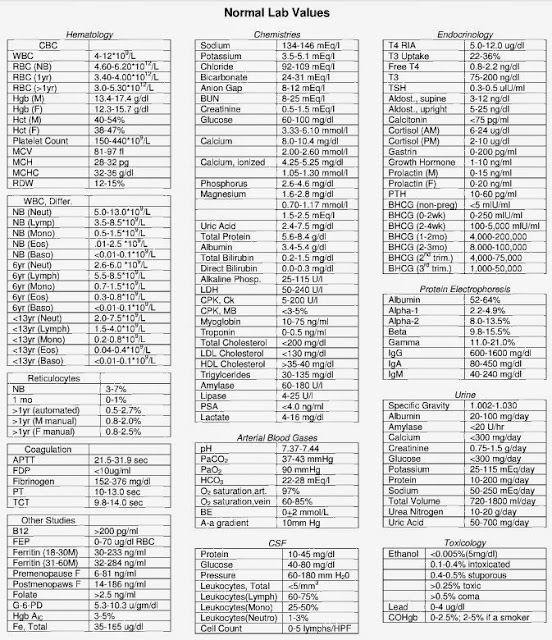
Pseudohypoglycemia: When a Low Glucose Reading Is Misleading
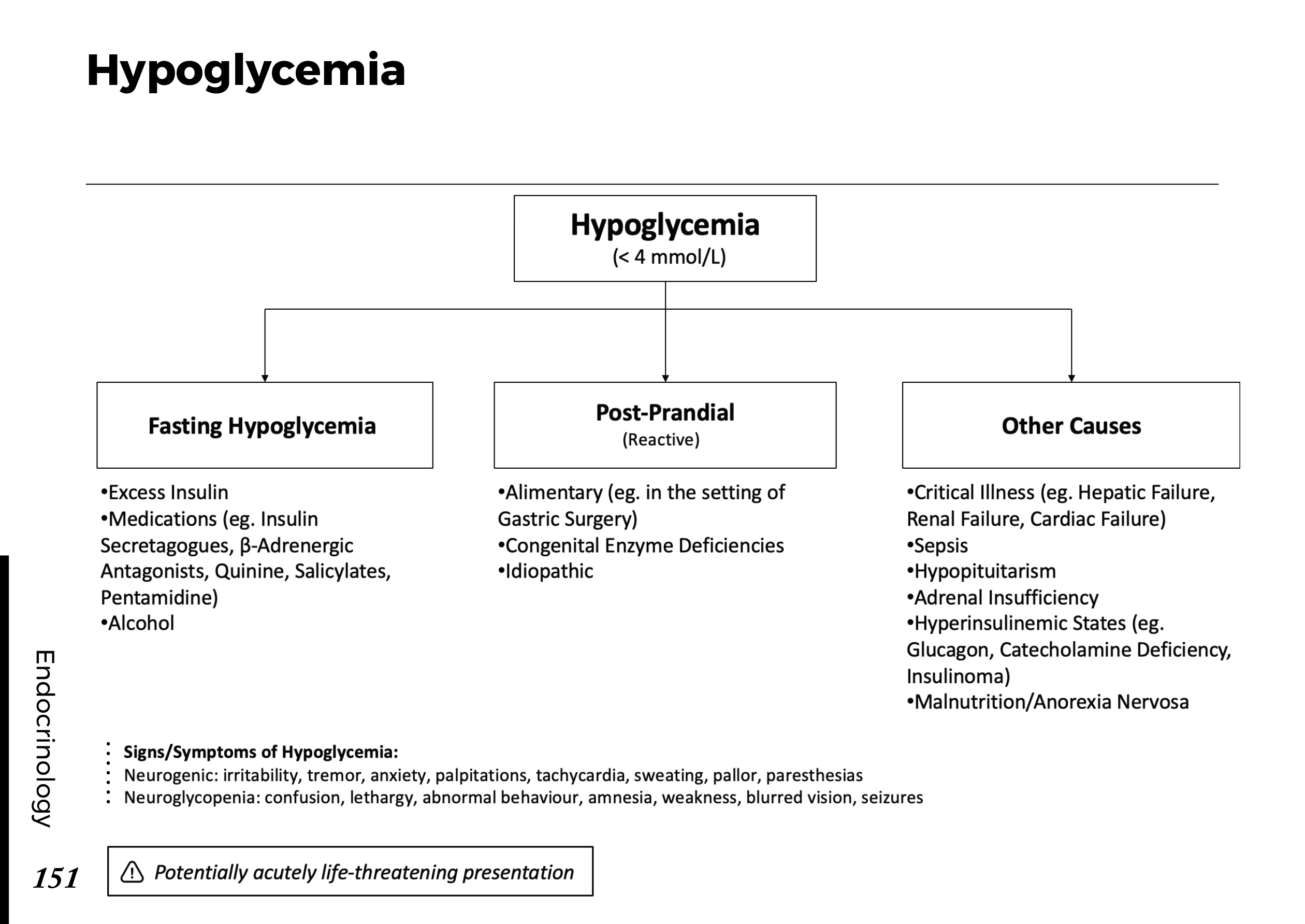
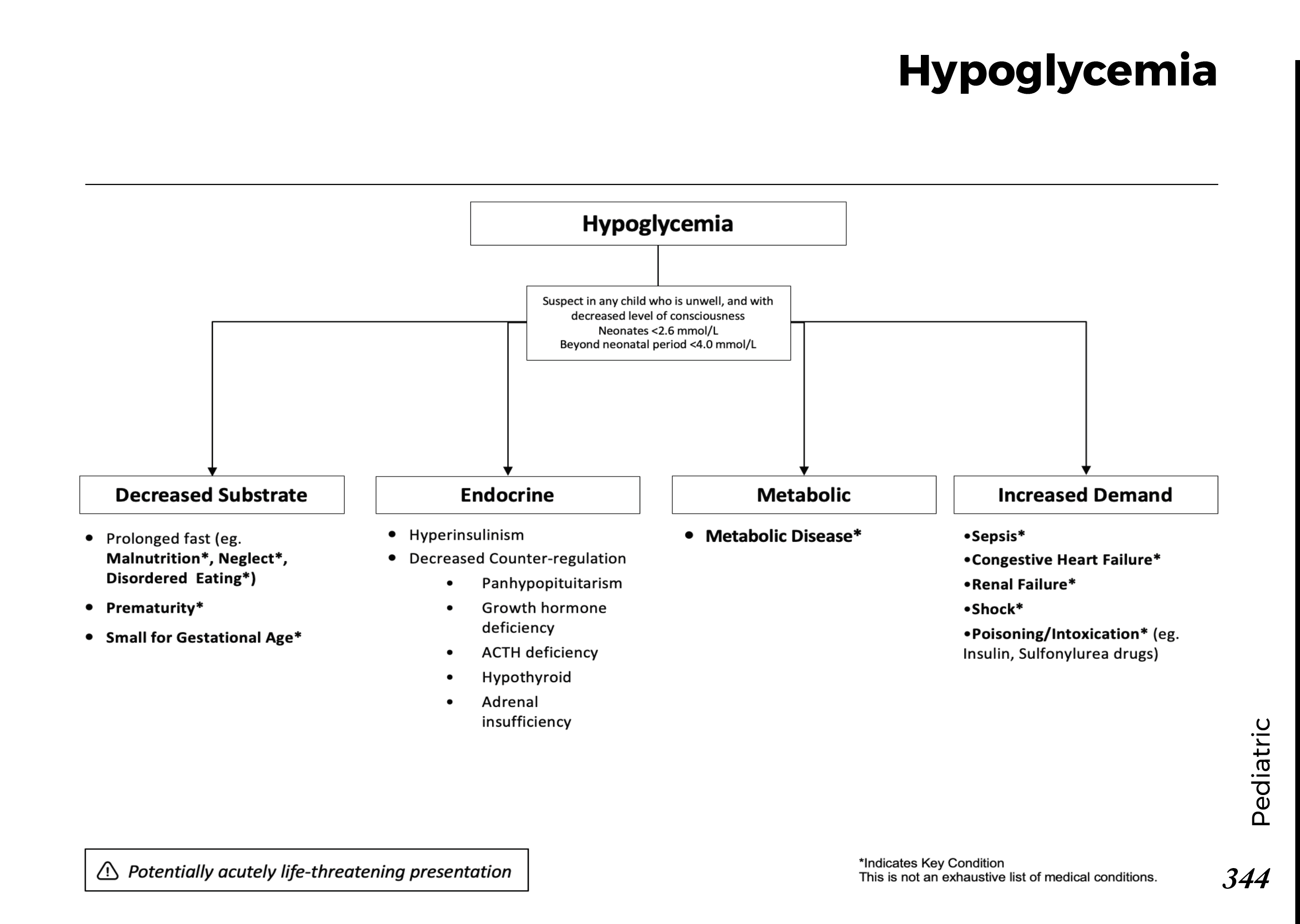
A glucose reading of 42 mg/dL can trigger an urgent response, particularly in a hospitalized patient receiving insulin. But occasionally, the number does not accurately represent the glucose concentration circulating in the body. Pseudohypoglycemia describes an apparently low glucose result that does not reflect the patient's true circulating glucose level.
This problem can arise from poor peripheral circulation, which makes finger-stick measurements unreliable, or from glucose consumption by blood cells after a specimen has been collected. Recognizing these mechanisms can prevent unnecessary treatment while helping clinicians avoid the opposite mistake: dismissing genuine hypoglycemia because a second measurement looks reassuring.
1. What is pseudohypoglycemia?
The term is used for an unexpectedly low glucose measurement that does not accurately reflect the patient's circulating glucose concentration. Two mechanisms are particularly important in clinical practice.
Mechanism A: Poor peripheral perfusion
A finger-stick glucose meter measures glucose in a small sample of capillary blood. When circulation to the fingers is severely reduced, the sample may not represent glucose levels in the central circulation accurately. Local tissue glucose extraction and altered microcirculatory flow can contribute to falsely low capillary readings.
This can occur in patients with shock, severe peripheral vasoconstriction, Raynaud phenomenon, hypothermia, or advanced peripheral vascular disease. A venous laboratory glucose or an appropriately obtained alternative sample may be substantially higher than the finger-stick value.
Mechanism B: Glucose consumption after collection
Blood cells continue to metabolize glucose after blood has been drawn. If a laboratory specimen remains unprocessed for too long, the measured glucose may fall even though the patient's glucose was higher at the time of collection.
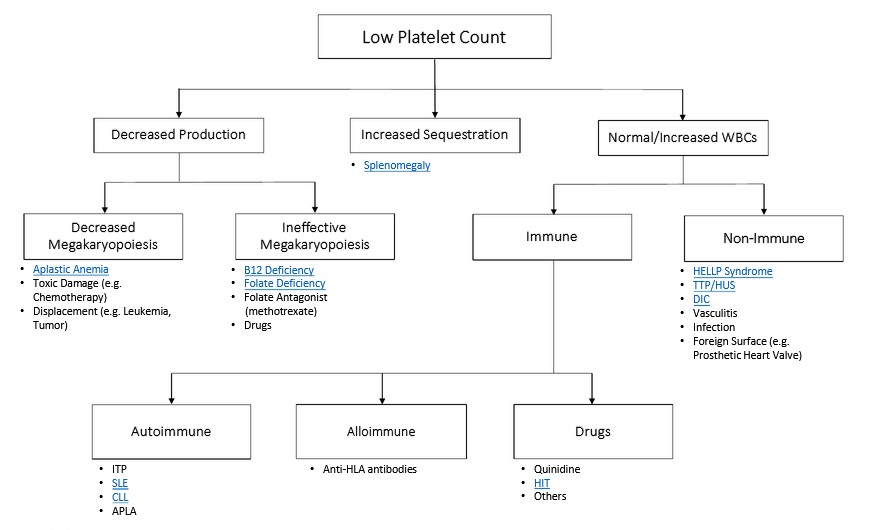
This is a pre-analytical error rather than a problem with the patient's glucose regulation. It can become especially important when the blood contains very large numbers of white blood cells or platelets, because cellular glucose consumption may be increased.
2. Two mechanisms, two different solutions
| Feature | Poor peripheral perfusion | Delayed sample processing |
|---|---|---|
| Where the problem occurs | At the peripheral sampling site and in the capillary measurement. | After blood has been collected into a tube. |
| Typical setting | Shock, cold extremities, Raynaud phenomenon, severe vascular disease. | Delayed separation or stabilization of a blood specimen. |
| Useful clue | Low finger-stick glucose despite a different clinical picture or a higher central measurement. | Unexpectedly low laboratory glucose, particularly with delayed processing or marked blood-cell abnormalities. |
| Appropriate response | Assess perfusion and compare with a suitable alternative sample. | Repeat testing with appropriate specimen collection, processing, and laboratory guidance. |
These mechanisms should not be confused with true hypoglycemia. A patient can have poor peripheral perfusion and genuine hypoglycemia at the same time, and a poorly processed sample can still come from a patient whose glucose is genuinely low.
3. When a finger-stick result becomes unreliable
Point-of-care glucose meters are valuable because they provide rapid results. However, their accuracy can be affected by the patient's circulation and by certain properties of the sample.
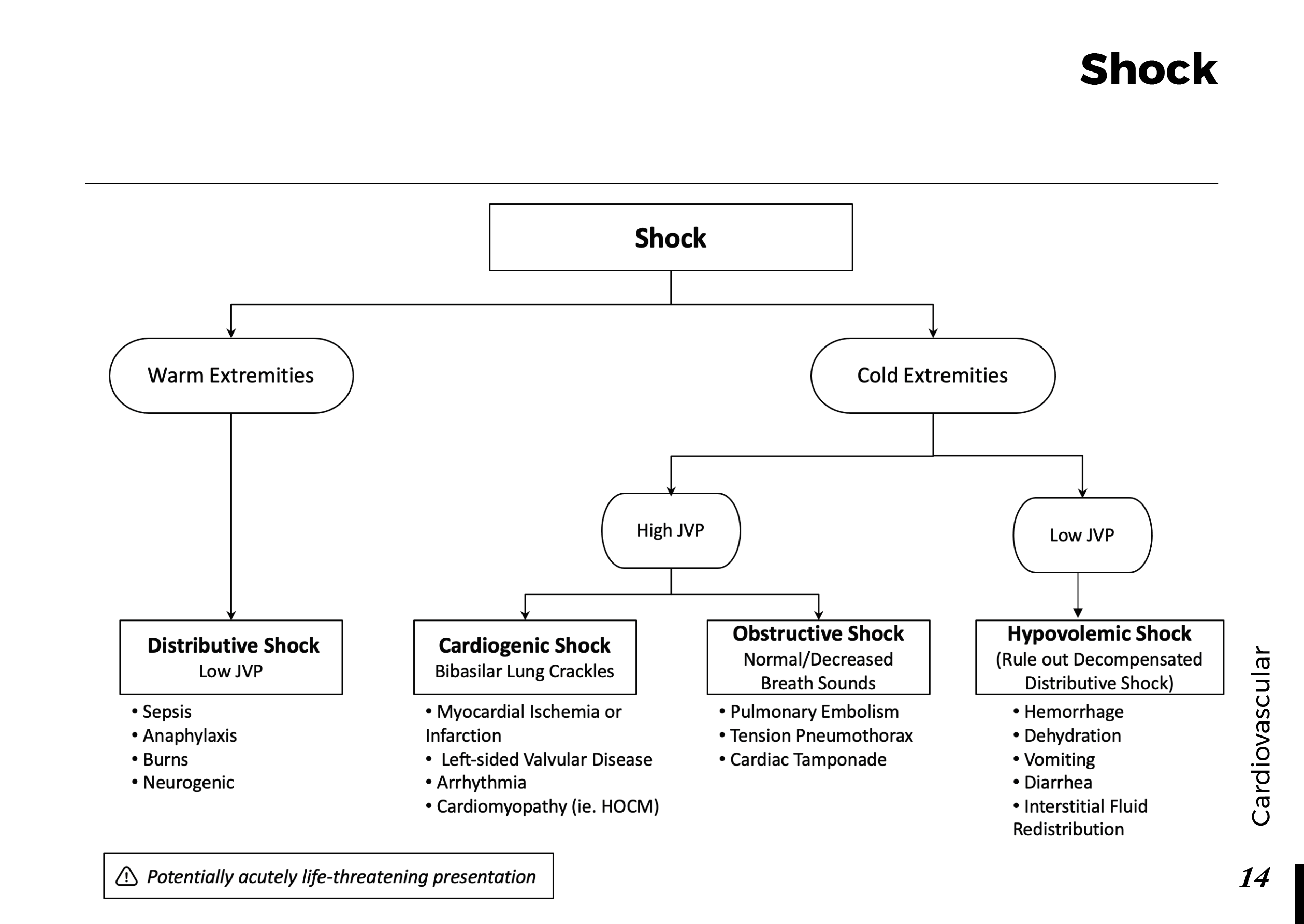
Shock and vasoconstriction
During shock, the body redirects blood flow toward vital organs. Peripheral circulation may deteriorate, especially in the fingers. A capillary glucose result can then become unreliable, and the displayed value may be lower than a more representative blood glucose measurement.
Raynaud phenomenon
Raynaud phenomenon causes episodic narrowing of small blood vessels, often in response to cold or stress. During an episode, fingers may become pale, blue, or cold, and capillary sampling may be unreliable.
Hypothermia
Cold extremities and peripheral vasoconstriction can interfere with the reliability of capillary sampling. In a hypothermic patient, clinicians should consider the limitations of a finger-stick result and use an appropriate alternative when needed.
Severe peripheral vascular disease
Reduced arterial supply can compromise blood flow at the sampling site. This is particularly relevant in patients with advanced vascular disease or poorly perfused extremities.
4. The laboratory problem: glucose falling inside the tube
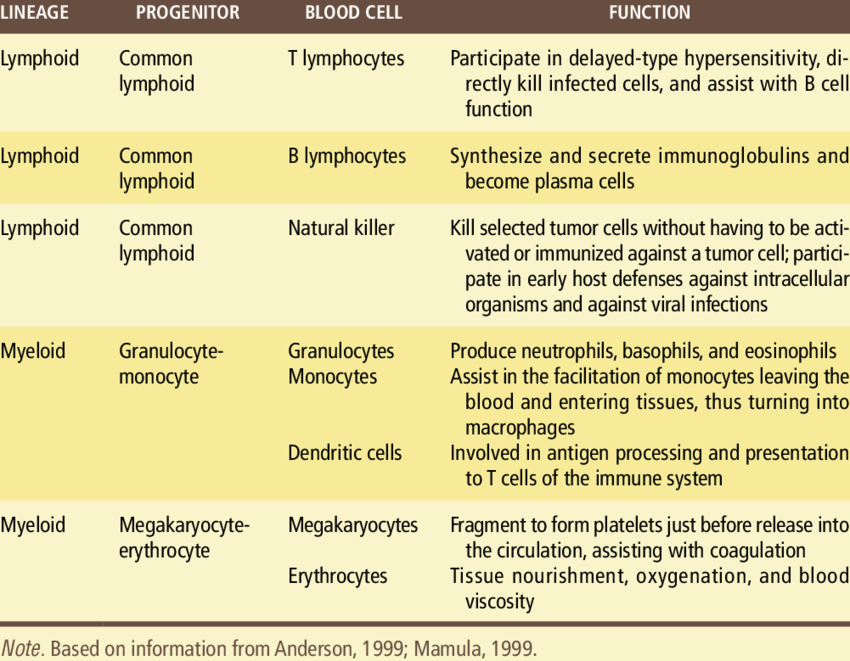
Once blood is collected, red blood cells, white blood cells, and platelets continue to use glucose. This process, known as glycolysis, can reduce the measured glucose concentration before the laboratory analyzes the specimen.
The size of the change depends on the time before processing, temperature, specimen type, and cellular composition. A delay can therefore produce a result that is lower than the patient's glucose concentration at the time of collection.
Why marked leukocytosis matters
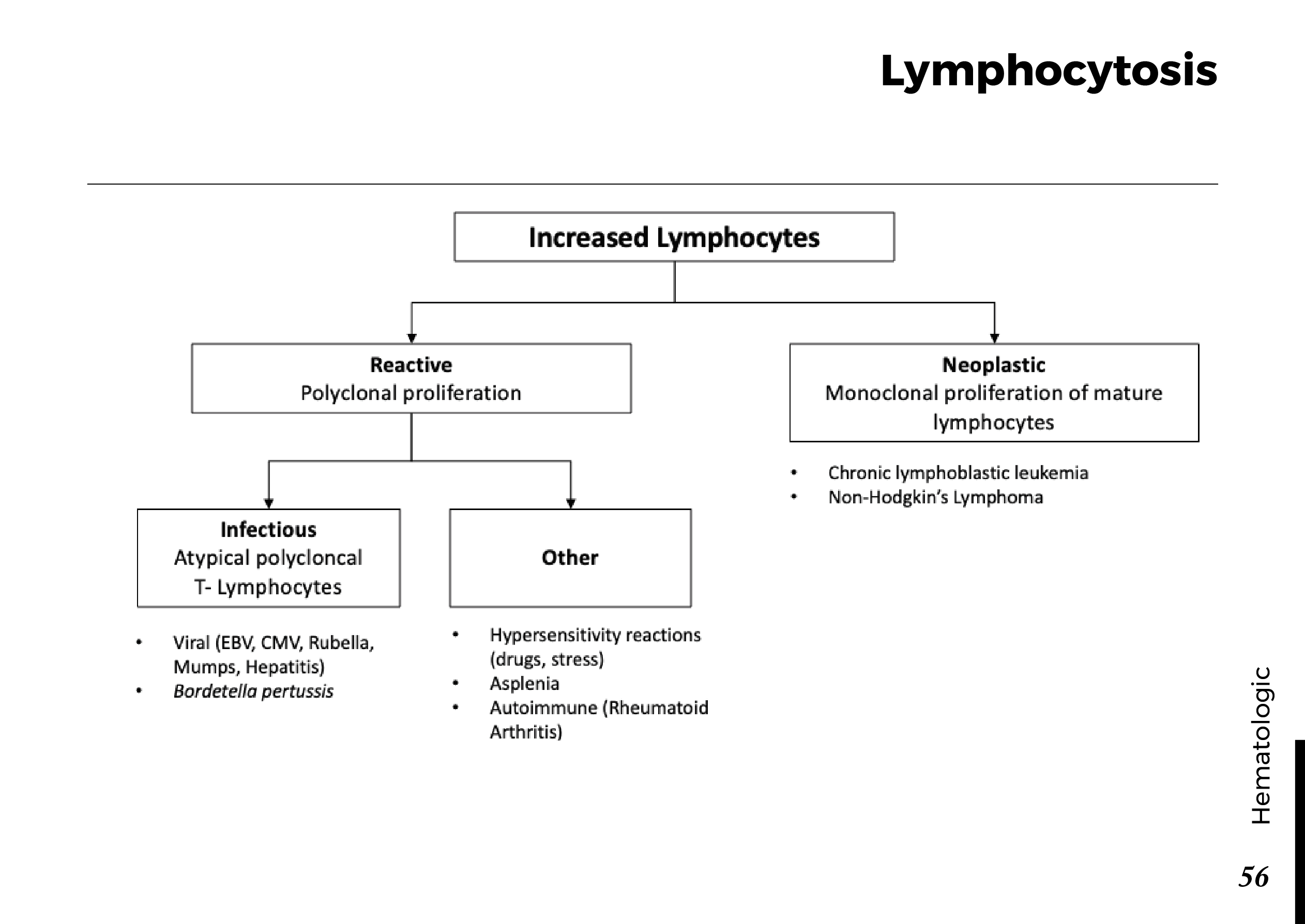
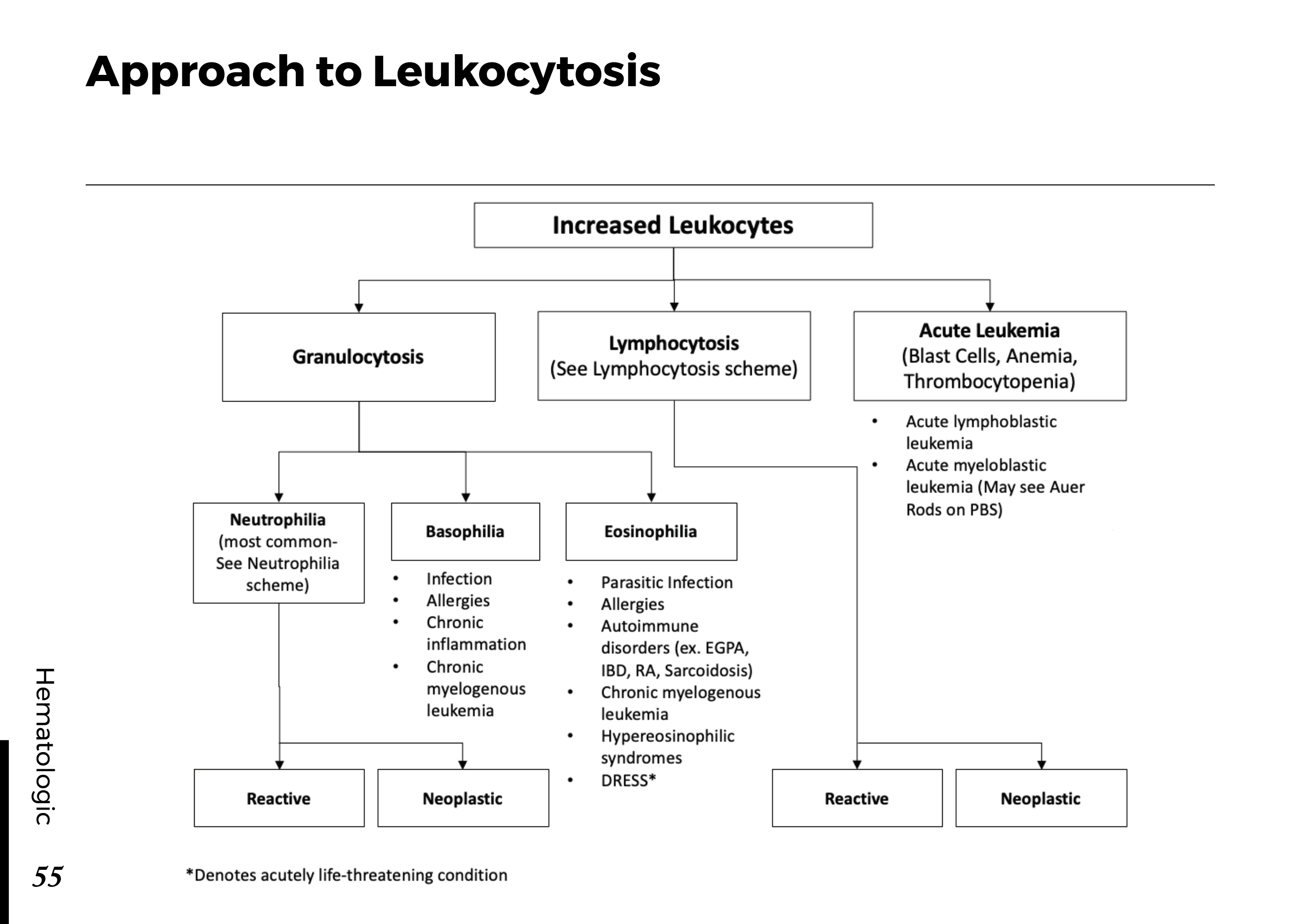
Patients with extreme leukocytosis, including some patients with hematological malignancies, can have unusually rapid glucose consumption within the specimen. If processing is delayed, the laboratory result may be substantially lower than expected.
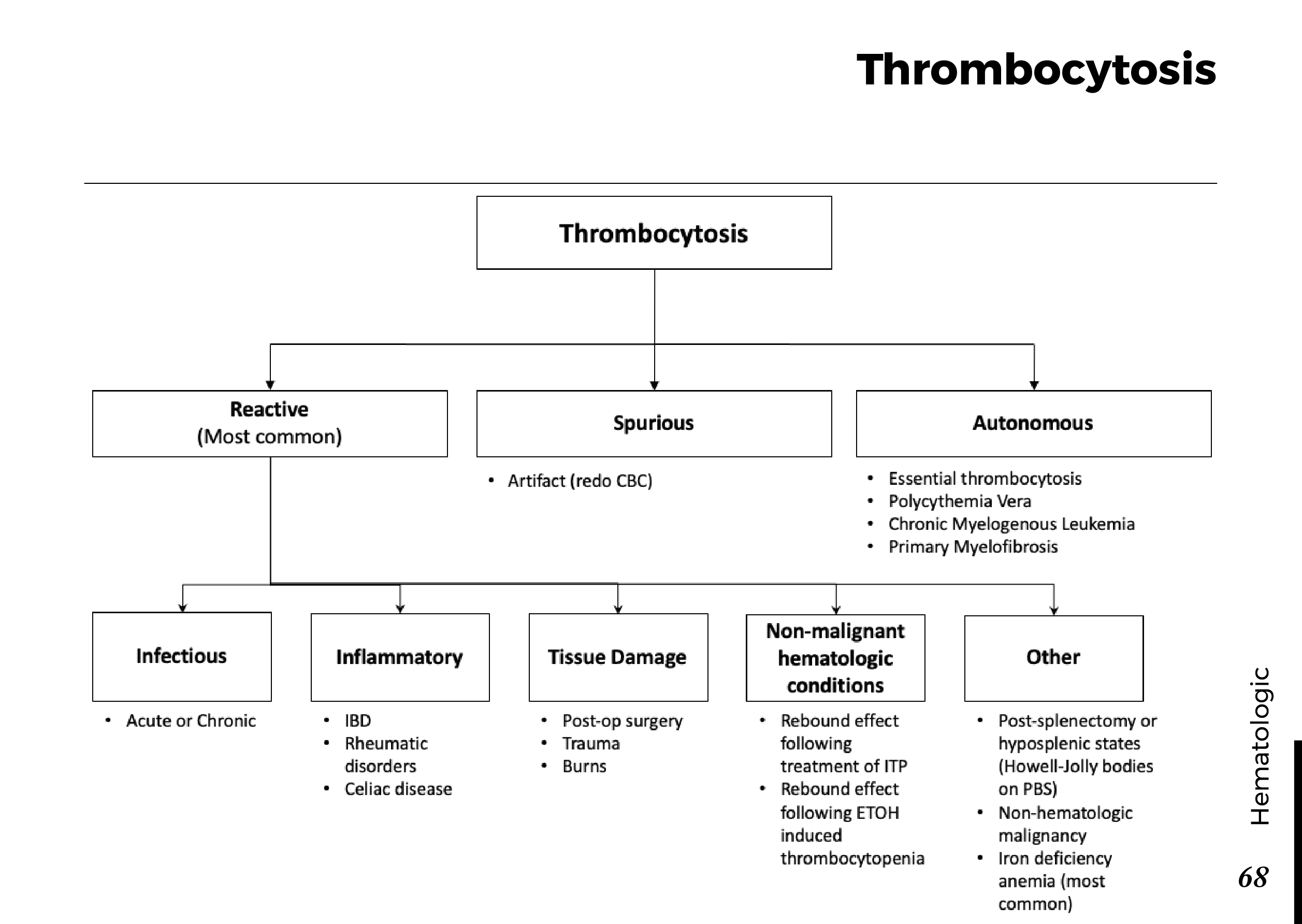
The same general concern applies when platelet counts are extremely high, although the magnitude and clinical importance depend on the specimen and laboratory circumstances.
How can the laboratory reduce this problem?
- Process the sample promptly using the laboratory's validated procedure.
- Use an appropriate collection tube and specimen-handling method.
- Consider a validated rapid glucose measurement when immediate confirmation is necessary.
- Inform the laboratory when extreme leukocytosis or another major blood-cell abnormality is present.
Fluoride-containing tubes can slow glycolysis, but the effect is not always immediate. They should not be assumed to eliminate early glucose loss in every sample. Prompt processing or a validated alternative collection strategy may still be needed.
5. How do you distinguish a false result from genuine hypoglycemia?
The most reliable approach combines the patient's symptoms, clinical risk factors, measurement method, and an appropriate confirmatory test.
Step 1: Assess the patient immediately
Look for sweating, tremor, palpitations, confusion, behavioral change, seizures, or reduced consciousness. Consider insulin exposure, glucose-lowering medicines, missed meals, alcohol use, severe illness, and other relevant risk factors.
Symptoms can be absent or atypical, especially in people with recurrent hypoglycemia or impaired awareness. Do not use the absence of classic symptoms as proof that a low result is false.
Step 2: Check the sampling conditions
- Were the hands cold or poorly perfused?
- Was the patient hypotensive or in shock?
- Was the finger-stick technique appropriate?
- Was the laboratory specimen processed promptly?
- Does the patient have extreme leukocytosis or another major blood-cell abnormality?
Step 3: Obtain an appropriate confirmatory measurement
If the patient is stable and the initial result seems inconsistent with the clinical picture, compare it with a properly collected and promptly analyzed venous plasma glucose or another validated measurement suitable for the clinical situation.
A second finger-stick from another poorly perfused finger may reproduce the same error. The confirmatory method should address the suspected mechanism rather than simply repeat the same potentially unreliable procedure.
Step 4: Interpret the results together
A substantially higher, reliable plasma glucose result may support pseudohypoglycemia when the initial low value was obtained under conditions known to produce inaccurate readings. However, timing matters: glucose can change quickly, and a later normal result does not automatically prove that the earlier low value was false.
Step 5: Do not delay urgent treatment
If the patient has severe symptoms, altered consciousness, seizures, or a convincing low glucose result, treat suspected hypoglycemia promptly according to the emergency protocol. Obtain a confirmatory sample before treatment only when this can be done immediately without delaying care.
6. Whom should you investigate for recurrent unexplained low readings?
Repeated unexpected low glucose measurements deserve a structured review, especially when they occur without typical symptoms or do not fit the patient's clinical course.
| Clinical situation | Potential explanation | Reasonable next step |
|---|---|---|
| Low finger-stick glucose during shock | Impaired peripheral perfusion | Urgently assess circulation and obtain an appropriate alternative measurement. |
| Low finger-stick glucose with cold, discolored fingers | Peripheral vasoconstriction or Raynaud phenomenon | Improve sampling conditions when appropriate and compare with a suitable alternative sample. |
| Unexpectedly low laboratory glucose after delayed processing | In-vitro glycolysis | Repeat with prompt processing and laboratory-directed specimen handling. |
| Repeated low laboratory results with extreme leukocytosis | Increased glucose consumption in the specimen | Discuss the issue with the laboratory and use a validated collection and processing strategy. |
| Low glucose with compatible symptoms and risk factors | True hypoglycemia remains a concern | Treat promptly when indicated and investigate the underlying cause. |
7. Whipple's triad: a useful safeguard
When investigating a suspected hypoglycemic disorder, clinicians often use Whipple's triad:
- Symptoms or signs compatible with hypoglycemia.
- A documented low plasma glucose concentration at the time of symptoms.
- Improvement of symptoms when glucose is raised.
Whipple's triad is particularly useful when evaluating unexplained hypoglycemia in people without diabetes. It helps establish that symptoms are linked to a genuinely low plasma glucose concentration rather than an isolated, potentially misleading measurement.
It should not be used as a reason to withhold emergency treatment from a patient with suspected severe hypoglycemia. Nor does it mean that every low glucose reading in a patient with diabetes requires a formal diagnostic workup before treatment.
8. Clinical cases: apply the reasoning
Case 1: The cold fingers
A patient with Raynaud phenomenon presents for an unrelated assessment. A finger-stick glucose reading is 46 mg/dL. The patient is alert and feels well, but the fingers are cold and pale.
Question: What is the most appropriate interpretation?
Case 2: The patient in shock
A critically ill patient has hypotension, cold extremities, and a finger-stick glucose of 52 mg/dL.
Question: Should the clinician wait for a venous result before responding?
Case 3: The unexplained laboratory result
A patient with a very high white blood cell count has a low laboratory glucose result despite no corresponding clinical deterioration. The sample remained unprocessed for a prolonged period.
Question: What mechanism should be considered?
Case 4: The tempting but unsafe conclusion
A patient receiving insulin has a finger-stick glucose of 48 mg/dL. The patient appears comfortable, and a later measurement is normal.
Question: Can the first result be dismissed as pseudohypoglycemia?
9. Common mistakes to avoid
- Assuming every low finger-stick glucose value is accurate regardless of peripheral perfusion.
- Dismissing a low result simply because the patient has no symptoms.
- Delaying treatment of suspected severe hypoglycemia while waiting for confirmation.
- Repeating the same unreliable sampling method without addressing the likely cause.
- Ignoring delayed processing in a specimen with marked blood-cell abnormalities.
- Assuming that fluoride-containing collection tubes prevent all glucose loss immediately.
- Using a later normal glucose measurement to conclude that an earlier low result was necessarily false.
10. Frequently asked questions
Can a finger-stick glucose be falsely low in shock?
Yes. Severe peripheral vasoconstriction and impaired microcirculation can make capillary glucose measurements unreliable. An appropriate alternative measurement is important, but suspected genuine hypoglycemia must still be managed urgently.
Can a blood sample become hypoglycemic after collection?
Yes. Blood cells continue to consume glucose after collection. Delayed processing can lower the measured concentration and produce an artificially low laboratory result.
Does a normal venous glucose always prove pseudohypoglycemia?
No. The timing of the two measurements, treatment between them, and changes in the patient's condition must be considered. A later normal result does not automatically invalidate an earlier low reading.
Can a patient have pseudohypoglycemia and true hypoglycemia?
Yes. A sampling problem does not protect the patient from a genuine glucose disorder. Clinical assessment and appropriate confirmatory testing remain necessary.
What should be done when glucose readings repeatedly disagree?
Review the sampling site, perfusion, meter and specimen limitations, timing, and laboratory processing. Choose a confirmatory method that addresses the suspected cause and investigate genuine hypoglycemia when clinically indicated.
Key takeaways
- Pseudohypoglycemia is an apparently low glucose result that does not accurately represent circulating glucose.
- Poor peripheral perfusion can make capillary glucose measurements unreliable.
- Delayed processing can cause glucose to fall within a blood specimen because of cellular glycolysis.
- Marked leukocytosis can make pre-analytical glucose loss especially important.
- Use an appropriate confirmatory measurement when the result conflicts with the clinical picture.
- Never let the possibility of a measurement artifact delay necessary treatment for suspected severe hypoglycemia.
Educational disclaimer: This article is intended for medical education and general information. It does not replace clinical judgment, laboratory consultation, or local protocols. Severe symptoms or suspected hypoglycemia require prompt medical assessment.
 Menstrual cycle physiology: